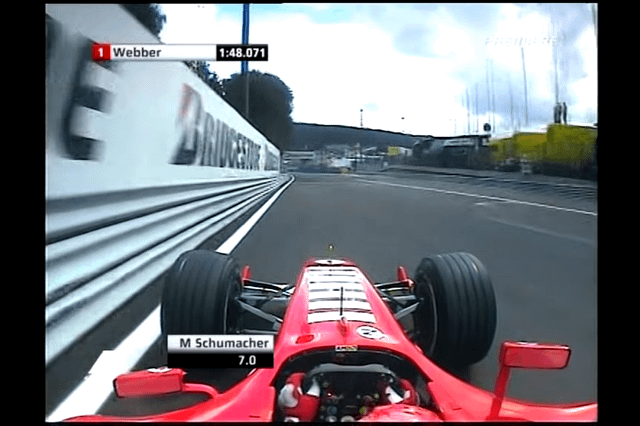
Have you ever wondered if race cars have mirrors like the cars you drive every day? It’s a simple question, but the answer might surprise you.
Mirrors play a big role in keeping you safe on the road, so you might think race cars need them too. But race tracks are different, and every second counts. If you’re curious about how race car drivers stay aware of what’s behind them, keep reading.
You’ll discover how mirrors work in racing and what unique tools drivers use to stay ahead. This could change the way you think about speed, safety, and the fast world of race cars.
Mirrors On Race Cars
Race cars do have mirrors, but they look different from normal car mirrors. These mirrors help drivers see other cars on the track.
Mirrors on race cars are small and placed carefully to avoid wind resistance. They must be strong and clear for quick views.
Purpose Of Mirrors In Racing
Mirrors let drivers check cars behind them without turning their heads. This helps keep drivers safe during races.
Drivers use mirrors to plan moves and avoid crashes. They watch for faster cars trying to pass them.
Types Of Mirrors Used
Race cars use a few types of mirrors. Each type helps drivers see different angles on the track.
- Side mirrors show cars close beside the driver
- Rearview mirrors give a view behind the car
- Wide-angle mirrors cover more area to reduce blind spots
Rules And Regulations
Race cars use mirrors to help drivers see behind them during a race. Different racing series have their own rules about mirrors. These rules ensure safety and fairness.
Mirrors must meet certain standards. These standards help drivers avoid crashes and keep the race smooth. Let’s look at the details.
Mirror Requirements In Different Racing Series
Each racing series sets rules for mirror size, placement, and type. These rules help drivers see other cars clearly. Some series require mirrors, while others allow optional use.
- NASCAR:Mirrors are mandatory on all cars. They must be mounted inside the cockpit or on the outside.
- Formula 1:Cars must have two mirrors, one on each side. The mirrors must be a certain size and shape.
- IndyCar:Mirrors are required but can vary in size. They must give a clear view behind the car.
- Rally Racing:Mirrors are usually smaller and mounted to withstand rough terrain.
Safety Standards For Mirrors
Safety standards for race car mirrors focus on durability and visibility. Mirrors must not break easily and should not distract the driver. They must also stay fixed during high speeds and impacts.
| Safety Aspect | Requirement |
| Mirror Size | Must be large enough to show rear traffic clearly |
| Mounting | Securely attached to avoid detachment |
| Material | Shatterproof glass or plastic |
| Visibility | No distortion or blind spots allowed |
| Adjustability | Driver must adjust mirror without leaving the seat |
Design And Placement
Race cars need mirrors to help drivers see behind and beside them. The design and placement of these mirrors affect both safety and speed.
Mirrors on race cars are not like regular car mirrors. They must fit the car’s shape and reduce wind drag while giving a clear view.
Aerodynamics And Mirror Design
Mirrors create air resistance, which slows the car down. Designers make mirrors small and smooth to cut wind drag.
- Mirror shells are made from light materials like carbon fiber.
- They have curved shapes to guide air smoothly.
- Some mirrors include small fins or vents to reduce turbulence.
- Mirrors are angled carefully to balance visibility and airflow.
Common Mirror Positions On Race Cars
Mirrors are placed where drivers can see well without looking away from the track for long.
| Mirror Position | Description | Advantages |
| Door-Mounted | Attached near the side windows on doors. | Easy to adjust and good side view. |
| Fender-Mounted | Placed on front fenders, ahead of doors. | Better aerodynamics, less vibration. |
| A-Pillar Mounted | Fixed near the front windshield pillars. | Wide field of view, minimal drag. |

Credit: racecarsforyou.com
Alternatives To Traditional Mirrors
Race cars often use other tools instead of regular mirrors. These alternatives help drivers see behind them better. Technology plays a big role in these new options.
Two main alternatives are rearview cameras and digital displays. Both give a clearer and wider view than traditional mirrors.
Use Of Rearview Cameras
Rearview cameras are mounted on race cars to replace side and rear mirrors. They send live video feeds to screens inside the car. This setup reduces drag and improves aerodynamics.
- Cameras offer a wider field of view than mirrors.
- They work well in low light or bad weather.
- Cameras reduce blind spots around the car.
- Video feeds can be adjusted for brightness and contrast.
Digital Displays In Racing
Digital displays show live camera images or sensor data. They replace the physical mirror with a screen inside the driver’s view. Displays can also show racing info like lap times.
| Feature | Traditional Mirrors | Digital Displays |
| Visibility | Limited field of view | Wide, adjustable view |
| Weather Performance | Can fog or get dirty | Clear with digital enhancements |
| Aerodynamics | Creates drag | Improves airflow |
| Additional Data | No extra info | Can show lap times and alerts |
Impact On Driver Performance
Race cars usually have mirrors, but their use is different from regular cars. Drivers rely on mirrors to see cars behind them during a race.
Mirrors help drivers stay aware of other racers’ positions. This awareness can affect how they drive and make decisions.
Visibility Challenges
Race cars have small mirrors to reduce air drag. This size limits the field of view for the driver.
Other factors like speed and vibrations also make it hard to see clearly in mirrors. Dirt and debris may block the view during a race.
- Small mirror size limits visibility
- High speeds cause image blur
- Track vibrations shake the mirrors
- Dirt and debris reduce clarity
How Mirrors Affect Race Strategy
Drivers use mirrors to plan their moves and avoid crashes. Knowing where other cars are helps with overtaking.
Teams also watch mirror information to adjust race tactics. Drivers may slow down or speed up based on mirror views.
- Track cars approaching from behind
- Choose the right moment to pass
- Defend position by blocking rivals
- Communicate with the team for strategy

Credit: www.reddit.com
Historical Changes
Race cars have changed a lot over the years. One part that changed is the use of mirrors. Mirrors help drivers see behind them during races.
We will look at how mirrors were used in the past and some key moments involving mirrors in racing history.
Evolution Of Mirror Use In Racing
In early race cars, mirrors were often small or missing. Drivers relied more on turning their heads to see behind them.
Later, bigger and better mirrors were added to improve safety. Designs changed to reduce wind resistance and stay stable at high speeds.
- 1920s: Small side mirrors were optional.
- 1950s: Larger mirrors became common.
- 1980s: Aerodynamic mirrors were introduced.
- 2000s: Some cars used electronic rear-view systems.
Notable Moments Involving Mirrors
Mirrors have played a role in many racing events. Sometimes, a mirror helped a driver avoid a crash.
Other times, a broken or missing mirror caused problems during a race. Drivers and teams learned to pay close attention to mirror condition.
- 1967: A driver avoided a crash using his mirror in the last lap.
- 1985: A missing mirror led to a collision on a tight track.
- 1999: Teams began testing electronic mirrors for better views.
- 2015: Mirror design rules were updated to improve driver safety.

Credit: www.reddit.com
Frequently Asked Questions
Do Race Cars Have Rear-view Mirrors?
Yes, race cars are equipped with rear-view mirrors. They provide drivers with crucial visibility of competitors approaching from behind. These mirrors are essential for making quick, strategic decisions during a race. The design and placement of these mirrors can vary based on race regulations and car design.
How Do Race Car Mirrors Differ From Regular Cars?
Race car mirrors are smaller and more aerodynamic than regular car mirrors. This design helps in minimizing drag at high speeds. They are strategically positioned to give drivers maximum visibility with minimal obstruction. Unlike regular car mirrors, they are often customized for specific racing conditions.
Why Are Mirrors Important In Racing?
Mirrors are vital for ensuring safety and strategic maneuvers during a race. They help drivers monitor competitors’ positions and anticipate their moves. This visibility is crucial for defensive driving, allowing racers to block opponents effectively and maintain their lead. Proper mirror use can significantly impact race outcomes.
Do All Types Of Race Cars Use Mirrors?
Yes, all types of race cars use mirrors, including Formula 1 and NASCAR vehicles. Although the designs differ, the fundamental purpose remains the same: to enhance rear visibility. Each racing series may have specific regulations regarding mirror size and placement to ensure fair competition and safety.
Conclusion
Race cars do have mirrors, but they differ from regular cars. These mirrors help drivers see behind during fast races. They are smaller and placed carefully to reduce wind resistance. Mirrors are important for safety and strategy on the track.
Drivers rely on them to avoid crashes and plan overtakes. Even though race cars focus on speed, mirrors still play a key role. Next time you watch a race, notice how drivers use their mirrors. Simple tools, yet very useful in intense racing moments.