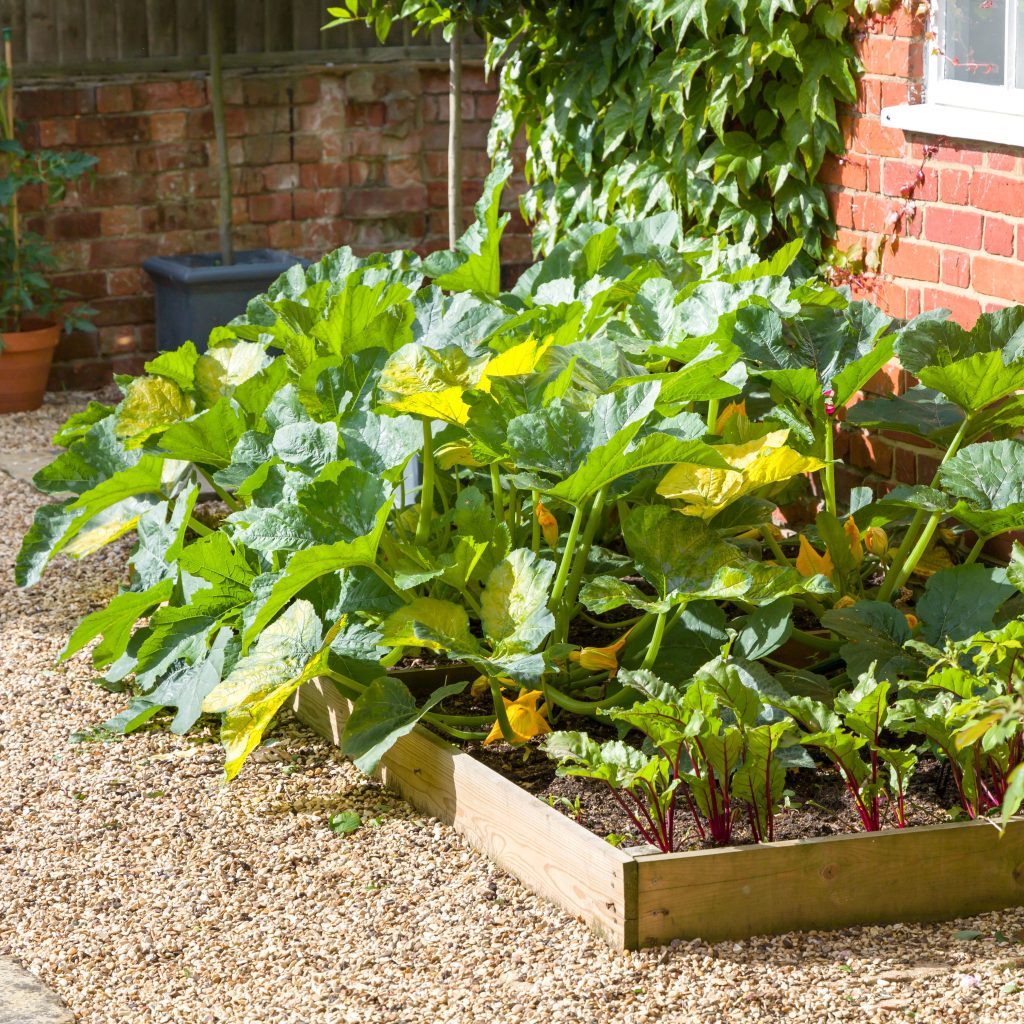
Are you wondering if your raised garden beds need drainage? It’s a question many gardeners face, especially when setting up their first bed.
Proper drainage can make the difference between healthy plants and a soggy, root-rotting mess. If you want your garden to thrive and avoid common problems, understanding how drainage works is key. Keep reading to discover why drainage matters, how to check if your beds are draining well, and simple tips to improve it—so your garden can flourish all season long.
Why Drainage Matters
Drainage helps water move away from raised garden beds. Good drainage keeps plants healthy.
Without proper drainage, water can stay too long. This can harm roots and soil quality.
Impact Of Poor Drainage
Poor drainage causes many problems in raised garden beds. Waterlogged soil stops air from reaching roots.
- Roots may rot and die
- Soil stays too wet and cold
- Plants get fewer nutrients
- Weeds and pests grow easily
- Plant growth slows down
Benefits Of Proper Drainage
Good drainage keeps soil healthy and plants strong. It lets excess water flow out fast.
| Benefit | How It Helps Plants |
| Prevents Root Rot | Roots stay dry and healthy |
| Improves Soil Aeration | Air reaches roots easily |
| Supports Nutrient Uptake | Plants absorb nutrients well |
| Reduces Pest Problems | Less standing water for pests |
| Encourages Growth | Plants grow faster and stronger |
Signs Of Drainage Problems
Poor drainage in raised garden beds can harm plant growth. It causes water to stay too long in the soil. This makes roots unable to get enough air.
Here are common signs that your garden bed may have drainage problems. Watch for these issues to keep your plants healthy.
Waterlogging Symptoms
Waterlogging happens when water does not drain well. Soil stays wet and plants suffer. You might see these signs:
- Wilting leaves even after rain stops
- Yellow or brown leaves on healthy plants
- Soft or rotting roots when you dig around
- Fungus or mold growing on soil surface
- Water pooling on top of the soil for hours
Soil Compaction Issues
Soil compaction happens when soil particles are pressed tightly. It blocks water flow and air movement. This problem slows root growth and causes poor drainage.
| Compaction Sign | What to Look For |
| Hard soil | Soil feels firm and hard to dig |
| Poor plant growth | Plants look weak or stunted |
| Poor water absorption | Water runs off quickly or stays on surface |
| Cracked soil | Soil surface shows deep cracks when dry |
Materials That Improve Drainage
Raised garden beds need good drainage to keep plants healthy. Without it, roots can rot and plants may die. Choosing the right materials helps water flow properly.
Using the right soil mix, gravel, sand, and organic matter can greatly improve drainage. Let’s explore how each of these materials contributes to better drainage.
Choosing The Right Soil Mix
Soil mix is a key factor in drainage. A good mix allows water to pass through easily. It also holds enough moisture for plant roots.
- Loamy soil is ideal for drainage.
- Avoid heavy clay soils, they hold too much water.
- Adding perlite can improve soil drainage.
Using Gravel And Sand
Gravel and sand are useful for adding drainage. They create spaces for water to move through. This prevents water from sitting around plant roots.
| Material | Purpose |
| Gravel | Improves drainage at the bottom of beds |
| Sand | Mixes with soil to prevent compaction |
Incorporating Organic Matter
Organic matter like compost and peat moss helps in drainage. It improves soil structure and adds nutrients. This makes soil both rich and well-draining.

Credit: www.ollegardens.com
Design Tips For Better Drainage
Good drainage helps keep plants healthy in raised garden beds. Water should flow out easily to avoid soggy soil. Poor drainage can cause root rot and other problems.
These design tips will help you create raised beds with better drainage. Simple changes make a big difference in water flow and plant growth.
Raising Bed Height
Higher raised beds improve drainage by letting water drain downward faster. Taller beds hold more soil and reduce water pooling on the surface.
Make sure the bed is at least 12 inches tall. In areas with heavy rain, 18 to 24 inches is better for good drainage.
Slope And Bed Placement
Place raised beds on a slight slope to help water run off. Avoid flat spots where water can collect and soak the soil.
Choose a sunny spot with well-drained soil underneath. Keep beds away from low areas that stay wet after rain.
- Build beds on gentle slopes for natural water flow
- Avoid depressions or flat areas that hold water
- Pick locations with good sunlight and soil drainage
Adding Drainage Holes Or Pipes
Adding drainage holes or pipes can help water escape from the bottom of the bed. This prevents water from pooling under the soil.
Use perforated pipes or drill small holes in the bed base. Cover holes with gravel to keep soil from washing out.
- Drill holes in wooden or plastic bed bases
- Place perforated pipes under the soil layer
- Cover holes with gravel or coarse sand
Maintenance For Healthy Drainage
Good drainage keeps plants healthy in raised garden beds. Water should flow out easily to stop roots from rotting. Regular care helps maintain this balance.
Check your garden beds often. Small problems can turn into big issues without proper attention. Follow these tips to keep drainage working well.
Regular Soil Aeration
Aerating the soil helps water drain better. It also lets air reach plant roots. Use a fork or aerator tool to loosen soil.
- Loosen soil every few weeks
- Remove compacted layers
- Add organic matter like compost
- Avoid walking on soil in beds
Monitoring Watering Practices
Water plants only as needed to avoid water buildup. Overwatering can cause poor drainage and root problems. Observe soil moisture before watering.
| Watering Tip | Why It Matters |
| Check soil with finger | Prevent overwatering |
| Water early in the day | Reduce evaporation |
| Use drip irrigation | Control water flow |
| Avoid watering leaves | Prevent disease |
Seasonal Care
Different seasons need different drainage care. Prepare beds before winter and check drainage after heavy rains.
- Clear fallen leaves and debris
- Add mulch to protect soil
- Check and fix drainage holes
- Adjust watering with weather changes
Credit: www.housedigest.com
Common Drainage Mistakes To Avoid
Drainage is very important for raised garden beds. Poor drainage can harm plants and stop growth. Many gardeners make simple mistakes that cause water problems.
Knowing what to avoid helps your plants stay healthy and strong. Here are common drainage mistakes and tips to fix them.
Overwatering
Too much water can flood your raised bed. Waterlogged soil stops roots from getting air. This causes root rot and weak plants.
- Water only when the top soil feels dry.
- Use a drip irrigation system to control water flow.
- Check drainage holes before watering.
- Adjust watering during rainy days.
Ignoring Soil Quality
Bad soil can hold too much water or drain too fast. Heavy clay soil keeps water and can drown roots. Sandy soil lets water run out quickly.
| Soil Type | Drainage Effect | Fix |
| Clay | Holds too much water | Add compost and sand |
| Sandy | Drains too fast | Add organic matter |
| Loam | Good balance | Maintain organic content |
Poor Bed Construction
Building the bed wrong can block water flow. Using non-porous materials stops water from draining. Beds without bottom gaps trap water.
To build a well-drained raised bed:
- Use wood or bricks with small gaps for water flow.
- Elevate the bed at least 6 inches off the ground.
- Place a layer of gravel or coarse sand at the bottom.
- Avoid plastic liners that block drainage.

Credit: www.sproutboxgarden.com
Frequently Asked Questions
Do Raised Garden Beds Need Drainage Holes?
Yes, drainage holes are essential in raised garden beds. They prevent waterlogging and root rot by allowing excess water to escape. Proper drainage ensures healthy plant growth and soil aeration, reducing the risk of fungal diseases and promoting strong roots.
How To Improve Drainage In Raised Garden Beds?
To improve drainage, add coarse materials like gravel or sand at the bed’s bottom. Use well-draining soil mixes and avoid compacting the soil. Elevating the bed slightly and ensuring proper spacing between plants also enhances water flow and prevents pooling.
Can Raised Garden Beds Hold Water Without Drainage?
Without drainage, raised beds can retain excess water, leading to root rot and poor plant health. Proper drainage is crucial to avoid stagnant water, which harms plants. It also prevents soil erosion and nutrient loss, maintaining a balanced growing environment.
What Materials Help Drainage In Raised Garden Beds?
Materials like gravel, coarse sand, and broken pottery shards improve drainage. These create air pockets and channels for water to flow through easily. Adding organic matter such as compost also helps retain moisture while promoting good drainage and soil fertility.
Conclusion
Raised garden beds need good drainage to keep plants healthy. Water should flow out easily to stop roots from rotting. Using well-draining soil and adding holes or gravel helps water escape. Proper drainage also prevents mold and pests from growing.
Healthy soil means stronger plants and better harvests. Remember, small changes in drainage can make a big difference. Keep your raised beds draining well and enjoy a thriving garden all season long. Simple steps lead to great results.