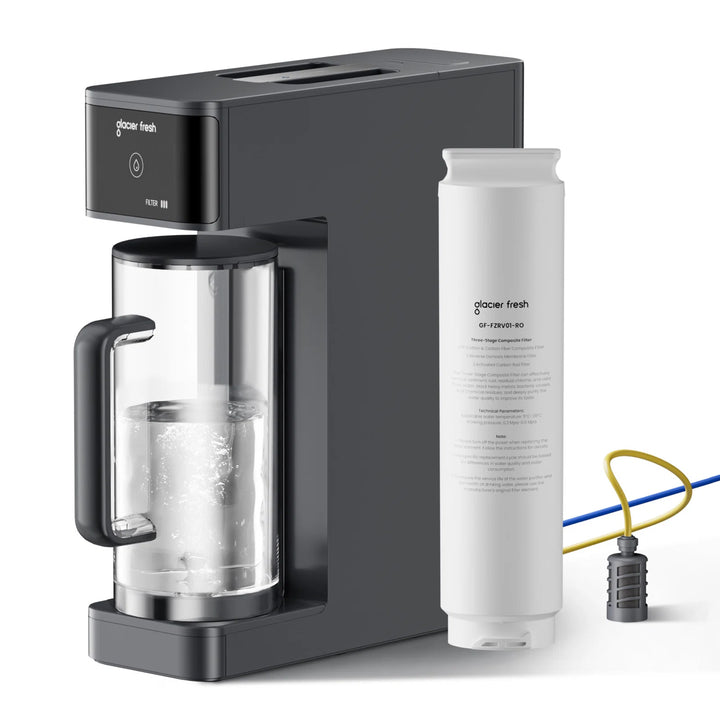
Are you concerned about the quality of your drinking water? You’re not alone.
Many people are increasingly worried about contaminants like PFAS—those pesky chemicals you may have heard about in the news. But here’s the big question: Do refrigerator filters remove PFAS from your water? It’s a topic that affects your health and peace of mind.
Imagine the relief of knowing that the water you and your family drink is safe and clean. We’ll uncover the truth about refrigerator filters and their effectiveness against PFAS. Stick around, because what you discover here could change the way you think about your home’s water safety.
What Are Pfas Chemicals
PFAS chemicals are synthetic substances found in many products. They resist heat, water, and oil. This makes them useful but also hard to break down. These chemicals do not easily degrade in the environment or our bodies. This leads to their nickname: “forever chemicals.”
PFAS have been used since the 1940s in items like cookware, food packaging, and firefighting foams. Their widespread use has caused them to spread through water, soil, and air. People often encounter PFAS through contaminated drinking water or food.
What Does Pfas Stand For?
PFAS stands for Per- and Polyfluoroalkyl Substances. These include thousands of man-made chemicals with similar structures. The strong carbon-fluorine bonds make PFAS very stable and resistant to breakdown.
Why Are Pfas Harmful?
PFAS can build up in the human body over time. Studies link them to health issues like:
- Hormone disruption
- Immune system problems
- Increased cancer risk
- Developmental delays in children
Exposure to PFAS is a growing public health concern worldwide.
Where Are Pfas Found?
PFAS exist in many everyday products, including:
- Non-stick cookware
- Water-repellent clothing
- Food packaging materials
- Firefighting foams
- Cosmetics and cleaning products
These chemicals can also contaminate drinking water sources near industrial sites.
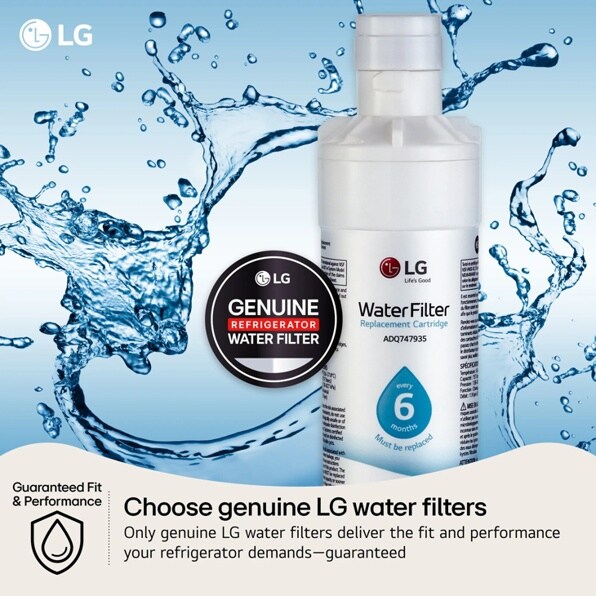
Credit: www.lg.com
Health Risks Linked To Pfas
PFAS, or per- and polyfluoroalkyl substances, are chemicals found in many everyday products. These substances do not break down easily in the environment or the human body. This leads to their buildup over time. Scientists link PFAS exposure to several health problems. Understanding these risks helps people make safer choices about their water and food.
What Are Pfas?
PFAS are man-made chemicals used in items like cookware, fabrics, and firefighting foam. They resist heat, water, and oil, making them popular in many products. These chemicals can contaminate water supplies and enter the body through drinking water or food. Once inside, they can stay for years.
How Pfas Affect Health
Exposure to PFAS may cause harm to the immune system. It can lower vaccine response and increase infection risk. PFAS also link to changes in liver enzymes and cholesterol levels. Some studies suggest a link to thyroid disease and hormone disruption. There is concern about PFAS increasing cancer risk, especially kidney and testicular cancers.
Who Is Most At Risk?
People living near contaminated water sources face higher exposure. Workers in industries using PFAS have increased risk. Pregnant women and children are more vulnerable. PFAS can pass from mother to baby through the placenta and breast milk. Long-term exposure raises concerns for all age groups.
Preventing Pfas Exposure
- Use water filters certified to reduce PFAS.
- Avoid products with non-stick coatings.
- Check local water quality reports regularly.
- Support efforts to clean contaminated sites.
How Refrigerator Filters Work
Refrigerator filters play a key role in cleaning water inside your fridge. They remove impurities and make water safer to drink. Understanding how these filters work helps you know what they can and cannot remove.
Most refrigerator filters use a mix of materials to trap dirt, chemicals, and bad tastes. They rely on physical and chemical processes to improve water quality. Let’s explore the main parts of this filtering process.
Filtration Media
Filters contain special media like activated carbon. This material has many tiny pores that catch contaminants. It helps remove chlorine, sediment, and some chemicals. The activated carbon also improves water taste and smell.
Physical Filtration
Physical filtration removes particles by blocking them. Water flows through a mesh or screen that traps dirt and rust. This step clears larger debris before chemical filtering begins. It protects the filter and improves water clarity.
Chemical Adsorption
Chemical adsorption pulls harmful molecules from water. Activated carbon attracts and holds chemicals like chlorine and some pesticides. This process reduces bad odors and flavors. The filter’s surface captures these pollutants, stopping them from passing through.
Limitations Of Refrigerator Filters
Refrigerator filters mainly target common contaminants. They do not remove all chemicals or viruses. Some harmful substances, like PFAS, are harder to capture. These filters are not designed for heavy industrial pollutants or bacteria.
Effectiveness Of Filters Against Pfas
PFAS, often called “forever chemicals,” are a growing concern due to their persistence in water supplies and potential health risks. Many people wonder if their refrigerator water filters can protect them from these harmful substances. Understanding how effective these filters are against PFAS is crucial for making informed choices about your drinking water.
Types Of Filters That Target Pfas
Not all water filters can remove PFAS effectively. The most reliable ones use activated carbon or reverse osmosis technology.
- Activated Carbon Filters:These filters trap PFAS by adsorbing the chemicals onto the surface of the carbon. High-quality granular activated carbon (GAC) filters are often used for this purpose.
- Reverse Osmosis Filters:These push water through a semi-permeable membrane, removing a wide range of contaminants, including many PFAS compounds.
Some advanced refrigerator filters combine both methods to improve PFAS removal. However, not every filter marketed for refrigerators includes these technologies.
Limitations Of Common Refrigerator Filters
Many standard refrigerator water filters are designed mainly to improve taste and reduce chlorine, but they fall short when it comes to PFAS. Most basic carbon filters do not have the capacity to remove PFAS completely, especially the longer-chain variants.
Also, the effectiveness depends on factors like filter age, water flow rate, and PFAS concentration. If a filter is clogged or expired, its ability to reduce PFAS drops significantly.
Have you checked what type of filter your refrigerator uses? Simply assuming it removes PFAS might leave you exposed to these chemicals without realizing it.
Testing And Certification Standards
Testing and certification standards ensure refrigerator filters are safe and effective. These standards check if filters can remove harmful substances like PFAS. PFAS are chemicals that may harm health and contaminate water. Reliable testing confirms a filter’s ability to reduce these toxins.
Certification means a filter meets strict rules set by experts. These rules include how the filter is made and tested. Consumers can trust certified filters to protect their drinking water. Understanding these standards helps choose the right filter for your home.
Understanding Nsf/ansi Standards
The NSF/ANSI standards are widely recognized for water filters. They test filters for removing contaminants, including PFAS. Filters must pass lab tests to earn NSF/ANSI certification. This shows the filter can reduce specific chemicals safely.
NSF/ANSI Standard 53 focuses on health-related contaminants. It includes PFAS and other harmful substances. Filters with this certification offer proven protection for drinking water.
Third-party Laboratory Testing
Independent labs test filters to confirm manufacturer claims. These labs use advanced methods to measure PFAS removal. Testing involves challenging the filter with PFAS-contaminated water. Results must meet strict limits to pass.
Third-party testing adds trust. It shows unbiased results and filter performance under real conditions. Consumers should check if filters have such test reports.
Certification Labels And What They Mean
Certification labels appear on filter packaging. They indicate which standards the filter meets. Look for labels like NSF/ANSI 53 or NSF/ANSI 42 for water treatment.
Each label means the filter is tested for specific contaminants. Labels help buyers compare products and pick safe filters. Always verify certification claims on official websites.

Credit: www.amazon.ca
Alternative Solutions For Pfas Removal
Removing PFAS from your water supply requires more than just a standard refrigerator filter. These chemicals are stubborn and need targeted solutions. Thankfully, there are effective alternatives that can help you protect your family’s health.
Activated Carbon Filters
Activated carbon filters are a popular choice for reducing PFAS. They work by trapping harmful chemicals in their porous surface. If you’ve ever noticed your tap water tastes better after a charcoal filter, that’s the activated carbon at work.
These filters often come as pitcher inserts, faucet attachments, or whole-house systems. However, not all carbon filters are created equal. Look for those specifically tested for PFAS removal to ensure you get the best results.
Have you checked if your current filter uses activated carbon? Upgrading could be a simple step to cleaner water.
Reverse Osmosis Systems
Reverse osmosis (RO) systems are another powerful option. They force water through a semi-permeable membrane, filtering out even the tiniest contaminants, including PFAS.
Many homeowners install RO units under their sink to get clean drinking water straight from the tap. These systems often combine with activated carbon filters for enhanced purification.
While RO systems can be more expensive and require maintenance, their effectiveness at removing PFAS is well-documented. Could investing in one bring you peace of mind about your water quality?
Tips For Choosing The Right Filter
Choosing the right refrigerator filter can feel overwhelming, especially when you want to ensure it removes harmful substances like PFAS (per- and polyfluoroalkyl substances). Not all filters are created equal, and picking the wrong one means you might still be drinking contaminated water. Let’s break down what you should look for to make a smart choice.
Check The Filter’s Certification And Testing
Look for filters certified by reliable organizations like NSF International. Certifications for PFAS removal are rare but crucial. Ask yourself: Has this filter been independently tested for PFAS reduction?
Some brands provide detailed lab results showing their effectiveness. Don’t hesitate to request or search for these reports. It’s your water and your health—make sure the filter meets the highest standards.
Understand The Filter Technology
Different filters use different methods to clean water. Activated carbon filters are common but may not remove PFAS completely. Reverse osmosis systems, on the other hand, tend to be more effective at filtering out PFAS.
Think about your budget and water needs. Are you okay with a larger system or do you want something simple and built into your fridge? Knowing the technology helps you match the filter to your expectations.
Consider The Filter’s Lifespan And Maintenance
A filter’s lifespan affects both performance and cost. Some filters need replacing every 3 months; others last longer. If you skip replacements, the filter may not work properly, leaving PFAS in your water.
How easy is it to replace the filter? Can you do it yourself or will you need professional help? Choosing a filter that fits your maintenance routine increases the chances you’ll keep your water clean consistently.
Read User Reviews And Personal Experiences
Sometimes, real user feedback reveals issues manufacturers don’t mention. Look for reviews that discuss PFAS removal specifically. Has anyone tested their water before and after installing the filter?
I once chose a filter based on specs alone but found out from users that it didn’t perform well against PFAS. Their insights saved me from wasting money. What do other buyers say about the filter you’re considering?
Match The Filter To Your Water Quality
Knowing what contaminants are in your water helps you pick the right filter. Get your water tested to see if PFAS is present and in what amounts. Some filters are designed for general use, while others target specific chemicals.
Could a simple filter solve your problem, or do you need a specialized one? Understanding your water’s condition ensures your filter choice really makes a difference.

Credit: www.amazon.ca
Maintaining Filters For Optimal Performance
Maintaining refrigerator filters ensures clean water and longer filter life. A well-kept filter performs better at removing contaminants like PFAS. Regular care prevents blockages and keeps water fresh. Neglecting maintenance reduces filter effectiveness and water quality.
Checking Filter Status Regularly
Most refrigerators have an indicator for filter replacement. Check this light or symbol often. If no indicator exists, mark the date when you install a new filter. Replace the filter every 6 months or as recommended by the manufacturer.
Replacing Filters On Time
Old filters lose their ability to trap harmful chemicals. Changing the filter on time keeps water safe and clean. Use filters compatible with your refrigerator model. Follow the instructions carefully to install the new filter correctly.
Cleaning Around The Filter Area
Keep the filter housing clean to avoid dirt buildup. Wipe the area with a damp cloth regularly. Remove any dust or debris that may block water flow. Clean surroundings help maintain good filter performance.
Using Proper Water Pressure
Filters work best with the right water pressure. Too high or too low pressure can damage the filter. Check your home’s water pressure and adjust if needed. Proper pressure helps the filter last longer and work better.
Frequently Asked Questions
Do Refrigerator Filters Remove Pfas Effectively?
Most refrigerator filters are not designed to remove PFAS chemicals. Specialized filters with activated carbon and ion exchange can reduce PFAS. Check product specifications to ensure PFAS removal before purchase.
Which Filters Are Best For Removing Pfas?
Activated carbon and reverse osmosis filters are most effective for PFAS removal. These technologies capture and reduce PFAS levels in water. Always confirm the filter’s certification for PFAS reduction.
Can Pfas Contamination Affect Drinking Water Safety?
Yes, PFAS are harmful chemicals linked to health risks. They can contaminate drinking water through industrial pollution. Removing PFAS improves water safety and reduces long-term health concerns.
How Often Should Refrigerator Filters Be Replaced?
Filters should be replaced every 6 months or as recommended. Regular replacement ensures optimal filtration performance and better removal of contaminants like PFAS.
Conclusion
Refrigerator filters can reduce some harmful substances in water. Still, not all filters remove PFAS chemicals. These chemicals are very small and hard to catch. Special filters, like activated carbon or reverse osmosis, work better. Check your filter’s label to see what it removes.
Clean water is important for your health. Choose the right filter for safer drinking water. Stay informed and protect your family from PFAS risks. Simple steps make a big difference.