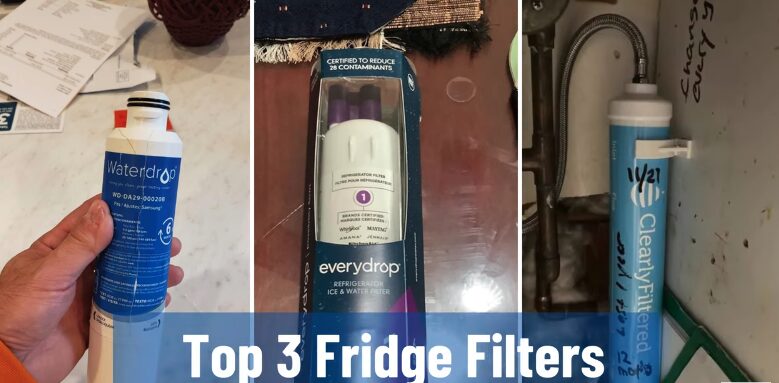
Have you ever wondered if your refrigerator water filter is truly making your water cleaner and safer? If you’re concerned about the taste and smell of chlorine in your drinking water, you’re not alone.
Chlorine is commonly used to disinfect tap water, but many people want to know if their fridge’s water filter actually removes it. Understanding how these filters work can help you make better choices for your health and taste preferences. Keep reading to discover the truth about refrigerator water filters and chlorine removal—so you can enjoy fresher, cleaner water every time you take a sip.
How Chlorine Affects Water Taste And Safety
Chlorine is a common additive in tap water, but many people wonder how it impacts both the taste of their water and their health. Understanding chlorine’s role can help you decide whether your refrigerator water filter needs to remove it. Let’s break down where chlorine comes from, how it affects your well-being, and what it does to the flavor of your drinking water.
Sources Of Chlorine In Tap Water
Chlorine is widely used by water treatment facilities to kill harmful bacteria and keep water safe to drink. It’s added during the purification process, so most municipal water supplies contain some level of chlorine.
Besides treatment plants, chlorine can also enter water from industrial discharge or chemical spills, though this is less common. Knowing where chlorine originates can help you understand why it’s present in your tap water.
Health Impacts Of Chlorine
Chlorine at low levels is generally safe for consumption, as approved by health authorities. However, prolonged exposure or higher concentrations might cause irritation in sensitive individuals, especially affecting skin and eyes.
Some studies suggest that chlorine byproducts may pose health risks, but these are usually linked to contaminated or improperly treated water. Are you aware of your local water quality reports? Checking them can give you peace of mind about chlorine levels in your area.
Chlorine’s Effect On Water Flavor
Have you ever noticed a sharp, chemical taste in your tap water? That’s often chlorine at work. It can make water taste unpleasant, even if it’s safe to drink.
This off-flavor can discourage people from drinking enough water daily. If your water tastes off, filtering out chlorine might be key to improving your hydration habits and overall enjoyment.
Credit: www.lg.com
Types Of Refrigerator Water Filters
Refrigerator water filters come in various types. Each type uses a different technology to clean water. Choosing the right filter affects how well chlorine and other impurities are removed.
Carbon Filters
Carbon filters are common in many refrigerators. They use activated carbon to trap chlorine and bad tastes. These filters improve water smell and flavor. They also reduce some chemicals and particles. Carbon filters are affordable and easy to replace.
Reverse Osmosis Filters
Reverse osmosis (RO) filters work by pushing water through a fine membrane. This membrane blocks chlorine, minerals, and many contaminants. RO filters provide very pure water. They are more expensive and take longer to filter water. Not all refrigerators support RO filters.
Other Filtration Technologies
Some filters use other methods like UV light or ion exchange. UV light kills bacteria but does not remove chlorine. Ion exchange can soften water by removing minerals. Some filters combine different technologies for better cleaning. These options vary in price and effectiveness.
Effectiveness Of Filters Against Chlorine
Have you ever wondered if your refrigerator water filter is actually removing chlorine from your drinking water? Chlorine, while effective for disinfecting, can leave your water with an unpleasant taste and odor. Understanding how well these filters work against chlorine is crucial for ensuring the quality of the water you and your family consume every day.
Carbon Filtration And Chlorine Removal
One of the most common methods used in refrigerator water filters is carbon filtration. Carbon filters are known for their ability to effectively reduce chlorine levels. The activated carbon in these filters traps chlorine molecules, improving both taste and smell.
Think of your filter as a magnet for chlorine. As water passes through, the chlorine gets stuck while cleaner water flows out. This process ensures that you get fresh-tasting water straight from your fridge.
Filter Lifespan And Performance
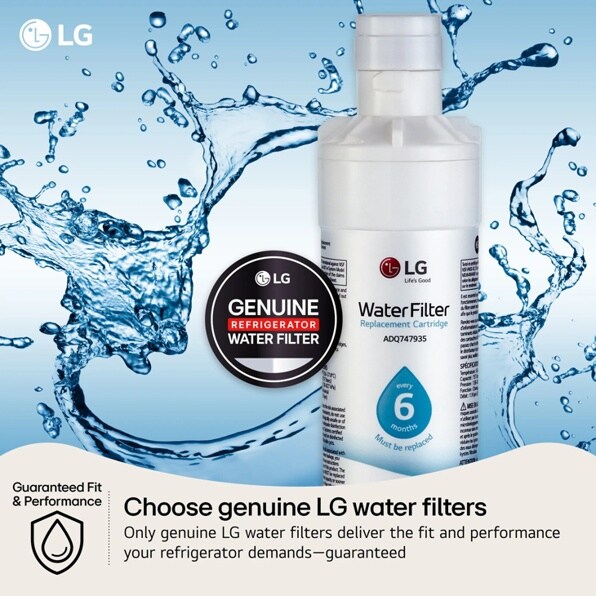
Have you checked your filter’s lifespan lately? The performance of a refrigerator water filter can diminish over time. Most manufacturers recommend changing the filter every six months to maintain optimal chlorine removal.
But here’s something you might not know: water usage can impact filter life. If your household uses a lot of water, you might need to replace the filter more frequently.
Certification Standards For Chlorine Removal
Wondering if your filter meets the right standards? Certification can be a good indicator of a filter’s effectiveness. Look for filters certified by organizations like NSF International.
Certified filters are tested to ensure they meet specific chlorine reduction standards. This certification provides peace of mind, knowing that your filter is effective at what it promises.
Are you confident in your refrigerator water filter’s ability to remove chlorine? If not, consider checking these factors to ensure your water is as clean and fresh as it can be.

Credit: glacierfreshfilter.com
Signs Your Refrigerator Filter Needs Replacement
Knowing when to replace your refrigerator water filter helps keep water clean and fresh. Over time, filters wear out and lose their ability to remove chlorine and other impurities. Recognizing the signs of a clogged or expired filter ensures better water quality and appliance performance.
Changes In Water Taste And Odor
Water may taste or smell different if the filter is old. A stale or chemical taste can mean chlorine is not properly filtered. Fresh water should be clear and odor-free. Noticeable changes often signal the need for a new filter.
Reduced Water Flow
Slower water flow from the dispenser is a key sign. Filters block particles and debris, but over time this clogs the system. A drop in water pressure means the filter is likely blocked. Replace it to restore normal flow and improve filtration.
Filter Indicator Alerts
Many refrigerators have built-in filter indicators. These lights or notifications show when the filter needs changing. Ignoring these alerts can reduce water quality and risk damage. Always follow the indicator’s advice for timely replacement.
Maintaining Optimal Filter Performance
Maintaining your refrigerator water filter’s performance is key to consistently enjoying clean, chlorine-free water. A filter that isn’t installed correctly or replaced on time won’t remove contaminants effectively. Paying attention to a few crucial details can extend the life of your filter and improve water quality.
Proper Installation Tips
Start by reading the manufacturer’s instructions carefully before installing the filter. Make sure the filter clicks or locks firmly into place to avoid leaks or bypassing unfiltered water.
Check the orientation of the filter; many models have arrows indicating the correct flow direction. If you’ve ever installed a filter backwards, you know it can cause water flow issues or reduce filtration efficiency.
After installation, run water through the filter for a few minutes to flush out any loose carbon particles. This simple step ensures you get fresh-tasting water right away.
Recommended Replacement Schedules
Most refrigerator water filters should be replaced every 6 months, but this can vary depending on your water quality and usage. If your water tastes or smells off sooner, don’t wait—change the filter immediately.
Keep a reminder on your phone or mark the replacement date on the filter itself. It’s easy to forget, but regular changes prevent buildup that can reduce chlorine removal and clog your system.
Think about your water habits: a family of five will need to swap filters more often than a single person due to higher water consumption.
Avoiding Common Mistakes
One frequent error is delaying filter replacement to save money. This can backfire by letting chlorine and other contaminants pass through, defeating the purpose of the filter.
Another mistake is not flushing the filter after installation. Neglecting this step can leave a plastic or carbon taste in your water that’s unpleasant.
Also, avoid mixing filter brands or using non-certified replacements; they may not fit properly or meet filtration standards.
Have you ever experienced a sudden change in water taste after changing the filter? It’s often due to improper installation or skipping the flushing process. Paying attention to these details makes a noticeable difference.
Alternatives To Refrigerator Filters For Chlorine Removal
If you’re concerned about chlorine in your drinking water, relying solely on refrigerator filters might not be enough. There are several other effective options that can help you tackle chlorine removal throughout your home or at specific points of use. These alternatives often offer more comprehensive filtration and can improve water quality beyond just what comes out of your fridge.
Whole-house Filtration Systems
Whole-house filtration systems connect to your main water line and filter all the water entering your home. This means chlorine and other chemicals are removed before the water reaches any faucet or appliance.
Installing a system like this ensures cleaner water for drinking, cooking, and even bathing. It’s especially useful if you want to protect your skin and hair from chlorine exposure or if your local water supply has a strong chlorine taste.
Under-sink Filters
Under-sink filters offer a targeted solution by treating water at a single tap, usually the kitchen faucet. They use activated carbon and other media to reduce chlorine effectively.
These filters are easy to install and maintain, and they don’t take up fridge space. If you only want chlorine-free water for drinking and cooking, this option might be perfect for you.
Portable Water Purifiers
Portable water purifiers are great for on-the-go chlorine removal. They come in various forms, including water bottles with built-in filters and compact filtration pitchers.
These devices use carbon filters or other technologies to improve taste and reduce chlorine. If you travel frequently or want chlorine-free water outside your home, a portable purifier is a practical choice.

Credit: www.dtappliance.com
Frequently Asked Questions
Do Refrigerator Water Filters Remove Chlorine Effectively?
Yes, most refrigerator water filters use activated carbon to effectively remove chlorine. This improves water taste and odor while ensuring safer drinking water.
How Often Should I Replace My Refrigerator Water Filter?
Replace your refrigerator water filter every 6 months or as recommended. Regular replacement maintains chlorine removal efficiency and keeps water fresh.
Can All Refrigerator Filters Remove Chlorine And Contaminants?
Not all filters remove chlorine equally. Look for filters certified to reduce chlorine and other contaminants for best water quality.
Does Removing Chlorine Affect Water Safety?
Removing chlorine improves taste without compromising safety. Chlorine levels in tap water are safe, but filtering reduces unwanted chemicals and odors.
Conclusion
Refrigerator water filters do remove chlorine from water. This helps improve the taste and smell. Clean water is better for drinking and cooking. Changing filters regularly keeps the water fresh. Not all filters work the same way, so check your model.
Good water quality supports your health every day. Simple steps make a big difference in water safety. Choose a filter designed for chlorine removal. Clear, fresh water is worth the effort.