Are you concerned about the quality of your drinking water? You’re not alone.
Many homeowners worry about contaminants like lead sneaking into their water supply. You’ve probably heard about refrigerator water filters as a convenient solution, but do they really remove lead? This question is more than just a curiosity; it’s about the safety and well-being of you and your family.
Imagine the peace of mind knowing each sip you take is clean and safe. We’ll explore whether your refrigerator’s water filter can effectively remove lead, and what that means for your household. Keep reading to discover how you can ensure the water you drink is not only refreshing but also free from harmful substances.
Lead In Drinking Water
Lead can enter drinking water in many ways. It often comes from old pipes and plumbing materials. Even small amounts of lead are unsafe for health. Understanding where lead comes from helps protect your family.
Sources Of Lead Contamination
- Old lead pipes and plumbing fixtures
- Lead solder used in water pipes
- Corrosion of household plumbing materials
- Lead-based paint chips entering water
- Contaminated soil near water sources
Health Risks Linked To Lead
Lead is toxic and affects many body systems. Children are especially vulnerable to lead poisoning. It can cause:
- Developmental delays and learning problems
- Damage to the brain and nervous system
- High blood pressure and kidney damage in adults
- Problems with memory and concentration
- Weakness and fatigue

Credit: www.lg.com
How Refrigerator Water Filters Work
Understanding how refrigerator water filters work is key to knowing if they can remove harmful substances like lead from your drinking water. These filters don’t just sit there; they actively clean your water using different materials and techniques. Let’s look into the types of filters commonly used and the mechanisms behind their filtration process.
Types Of Filters Used
Refrigerator water filters come in a few common types, each designed for specific tasks:
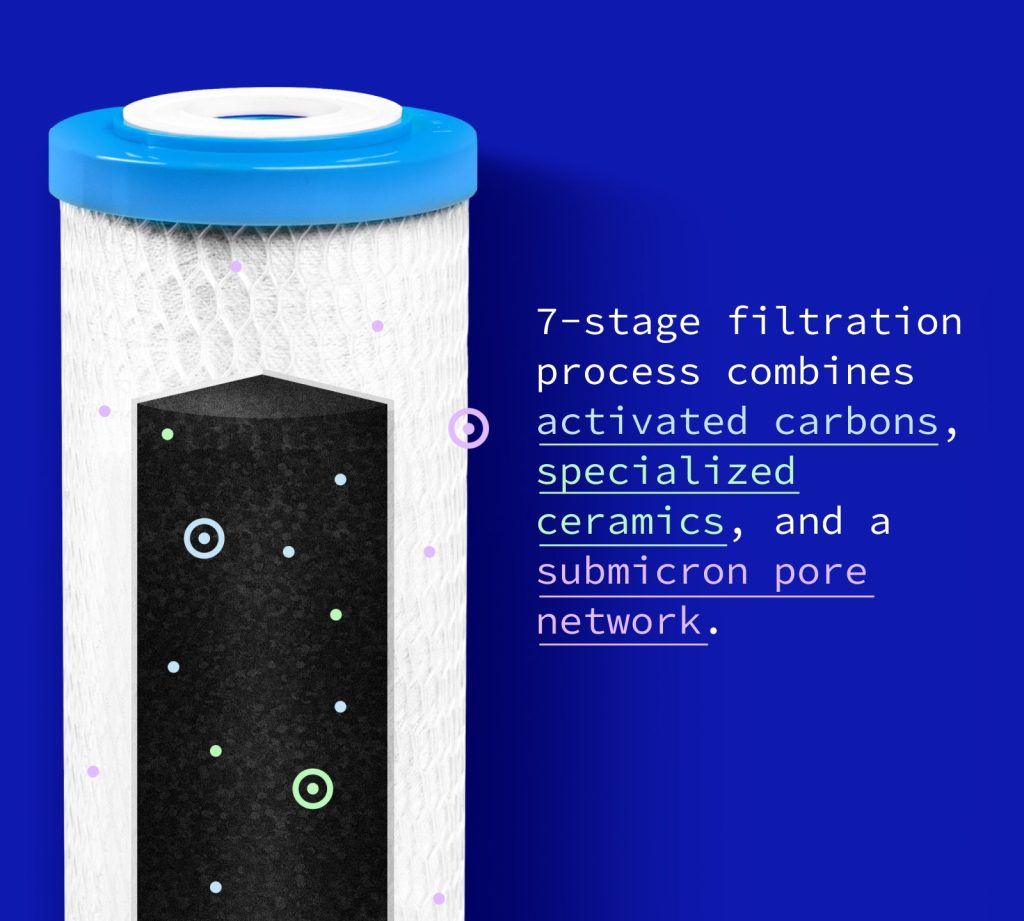
- Activated Carbon Filters:These are the most popular and use carbon to trap impurities. They excel at reducing chlorine taste and odor, and can also capture some heavy metals like lead.
- Reverse Osmosis Filters:Less common in refrigerators but highly effective, these filters push water through a semi-permeable membrane, removing many contaminants including lead.
- Ion Exchange Filters:These filters swap harmful ions like lead for harmless ones, effectively reducing lead content in water.
If you’ve ever swapped out a water filter in your fridge, you probably noticed it’s mostly activated carbon-based. But knowing this, do you wonder if it’s enough for lead removal?
Filtration Mechanisms
Each filter type works differently to clean your water:
- Adsorption:In activated carbon filters, lead particles stick to the surface of the carbon granules. This process traps lead before it reaches your glass.
- Membrane Filtration:Reverse osmosis pushes water through tiny pores that block lead and other contaminants from passing through.
- Ion Exchange:This mechanism swaps lead ions with safer ions like sodium, effectively lowering lead levels.
Here’s a simple question for you: Have you checked if your fridge’s filter specifically mentions lead removal? Not all filters are created equal, and knowing the filtration mechanism helps you choose the right one for your safety.
Effectiveness Against Lead
Concern about lead in drinking water is more common than you might think. Many people wonder if their refrigerator’s water filter can actually reduce this harmful contaminant. Understanding how effective these filters are against lead is crucial for your family’s health and peace of mind.
Lead Removal Capabilities
Not all refrigerator water filters are designed to remove lead. Some use activated carbon or ion exchange resins, which can trap lead particles effectively. However, the level of reduction varies widely between models.
For instance, a filter certified to remove lead can cut its concentration by over 90%. But if your filter lacks this certification, it may not offer any real protection. Have you checked the specifications of your refrigerator filter lately?
It’s also important to replace filters regularly. A clogged or expired filter loses its ability to block lead and other contaminants. Skipping replacements can mean you’re drinking water with the same lead content as tap water.
Certification Standards To Check
Look for filters certified by trusted organizations like NSF International or the Water Quality Association (WQA). Specifically, NSF/ANSI Standard 53 is the key certification for lead removal. Filters meeting this standard have been tested to reduce lead to safe levels.
Some filters also carry NSF/ANSI Standard 42, but this focuses on taste and odor, not lead. Knowing which certification your filter holds can help you make an informed choice.
| Certification | What It Means | Lead Removal Capability |
|---|---|---|
| NSF/ANSI 53 | Health effects – reduces lead and other contaminants | High effectiveness |
| NSF/ANSI 42 | Improves taste and odor | Not designed for lead removal |
Have you checked the label on your filter cartridge? If it doesn’t mention NSF/ANSI 53 or similar lead-removal certification, it might be time to upgrade. Your health depends on the quality of water you drink every day.
Credit: www.bestbuy.com
Common Misconceptions
Many people believe all refrigerator water filters remove lead, but this is not true. Misunderstandings about filter capabilities can cause unsafe water use. Not every filter can block lead particles. Knowing the facts helps choose the right filter for clean, safe water.
Filters That Don’t Remove Lead
Some refrigerator water filters only reduce chlorine taste and odor. These filters do not target heavy metals like lead. Basic carbon filters often fail to remove lead effectively. Using these filters gives a false sense of security. Checking product labels for lead removal is crucial before buying.
Limitations Of Refrigerator Filters
Even filters designed to remove lead have limits. They need regular replacement to work well. Overused filters lose effectiveness and can let lead pass through. Not all filters are certified for lead removal by trusted organizations. Always check certifications like NSF/ANSI 53 for lead reduction.
Alternatives For Lead Removal
If you’re concerned about lead in your drinking water, relying solely on refrigerator water filters might not be enough. These filters often reduce some contaminants but may not fully remove lead. Luckily, there are several effective alternatives you can consider to ensure your water is safe and clean.
Whole House Filtration Systems
Whole house filtration systems treat all the water entering your home. This means every tap, shower, and appliance benefits from filtered water. These systems use advanced filters like activated carbon or reverse osmosis to target lead and other harmful substances.
Installing a whole house filter can feel like a big step, but it offers peace of mind by protecting your entire household. Have you ever thought about how much lead exposure might happen outside just your drinking water? This method covers those risks.
Under-sink Filters
Under-sink filters are a practical option if you want to focus on your kitchen tap. These filters are installed directly under the sink and provide purified water instantly. Many models are certified to remove lead effectively, giving you clean water straight from the faucet.
They are usually easy to install and cost less than whole house systems. If you spend most of your time in the kitchen, this could be the best way to ensure your drinking and cooking water is safe.
Portable Water Filters
For those who want flexibility, portable water filters are a smart choice. These devices include pitchers, faucet-mounted filters, and personal water bottles with built-in filtration. They often use activated carbon or other technologies to reduce lead content.
Imagine you are traveling or staying somewhere with uncertain water quality—portable filters let you control what you drink anywhere. How often do you consider the water quality outside your home? Having a portable option can give you confidence on the go.
Maintaining Filter Performance
Keeping your refrigerator water filter performing well is key to ensuring it continues to remove lead and other harmful contaminants effectively. Over time, filters can clog or lose their ability to trap particles, which means your water might not be as clean as you expect. Paying attention to how often you replace the filter and recognizing signs of reduced effectiveness can save you from drinking unsafe water.
Filter Replacement Frequency
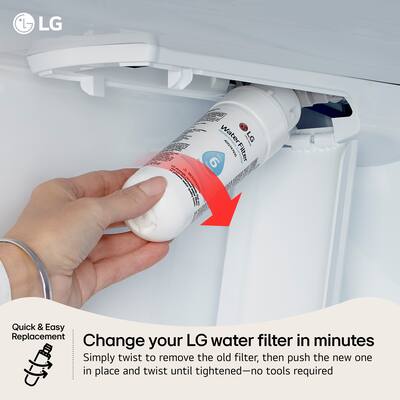
Most refrigerator water filters need replacement every 6 months, but this can vary based on your water quality and usage. If you have hard water or a large household, you might need to change the filter more often. Check the manufacturer’s recommendations and mark the replacement date on your calendar to avoid forgetting.
Think about how often you use your fridge’s water dispenser or ice maker. The more you use it, the faster the filter fills with contaminants and loses efficiency. Setting reminders on your phone can help you stay on track without hassle.
Signs Of Reduced Effectiveness
How can you tell if your filter isn’t working well anymore? One clear sign is a change in taste or odor of your water. If your water starts tasting metallic or smells strange, it might be time to replace the filter.
Other signs include slower water flow or ice cubes that look cloudy. These symptoms suggest the filter is clogged and can’t process water properly. Don’t ignore these clues—drinking water with lead or other contaminants can have serious health effects.
Have you noticed any of these signs lately? If so, swap out your filter immediately to keep your water safe and fresh. Your body will thank you for it.
Testing Water For Lead
Testing water for lead is important to ensure safe drinking water. Lead can harm health even in small amounts. Knowing the lead levels helps you decide the right water filter or treatment. Testing is simple and can be done at home or by professionals.
Home Testing Kits
Home testing kits are easy to use and affordable. They usually include test strips or bottles to collect water samples. Follow the instructions carefully for accurate results. Results appear quickly, often within minutes or days. These kits give a good initial idea of lead presence. They do not always measure exact lead levels but can detect if lead exists.
Professional Water Testing Services
Professional testing offers detailed and precise results. Experts collect water samples and analyze them in certified labs. These tests detect very low lead levels and other contaminants. Results come with a full report and advice on treatment options. Professional testing is best for accurate safety assessment. It helps choose the right water filter or system for your home.

Credit: www.dtappliance.com
Frequently Asked Questions
Do Refrigerator Water Filters Effectively Remove Lead?
Yes, many refrigerator water filters use activated carbon and ion exchange to reduce lead. However, effectiveness varies by brand. Always check NSF certification for lead removal to ensure safety.
How Often Should I Replace My Refrigerator Water Filter?
Replace your refrigerator water filter every 6 months or as recommended. Regular replacement ensures effective removal of lead and other contaminants, maintaining safe drinking water quality.
Can All Refrigerator Water Filters Remove Lead?
No, not all filters remove lead. Only those certified for lead reduction by NSF or similar bodies guarantee effective lead removal. Check product specifications before purchase.
Is Lead Removal Guaranteed With Refrigerator Water Filters?
Lead removal is generally reliable if the filter is certified. Certification from NSF or equivalent organizations confirms the filter meets lead reduction standards.
Conclusion
Refrigerator water filters can reduce some lead from your water. Not all filters remove lead completely. Check the filter’s label for lead removal certification. Replace filters regularly to keep water clean and safe. Clean water helps protect your health every day.
Choose a filter designed for your needs. Simple steps make a big difference in water quality. Stay informed and keep your drinking water pure.