Are you worried about tiny plastic particles sneaking into your drinking water? You’re not alone.
Microplastics have become a hidden concern in many water sources. You might wonder if your refrigerator’s water filter can protect you from them. Can it really remove those invisible contaminants and keep your water safe? You’ll discover the truth about refrigerator water filters and microplastics.
By the end, you’ll know exactly what to look for to make sure your water is as clean as it should be. Keep reading to find out how to protect yourself and your family.
Credit: www.lg.com
Microplastics In Water
Microplastics are tiny plastic particles found in water sources worldwide. These particles measure less than 5 millimeters. They come from breaking down larger plastics or from small plastic beads used in products. Microplastics have become a major concern because they spread easily through water. They may enter drinking water, including tap and bottled water. Understanding the sources and health risks of microplastics helps us protect ourselves better.
Sources Of Microplastics
- Broken-down plastic waste from oceans and landfills
- Microbeads in personal care products like toothpaste and scrubs
- Fibers from synthetic clothing released during washing
- Plastic packaging materials that degrade over time
- Tire wear particles washed into water systems
These sources release microplastics into rivers, lakes, and oceans. Water treatment plants often cannot remove all microplastics. This allows them to enter household water supplies.
Health Risks Linked To Microplastics
Microplastics can carry harmful chemicals and pollutants. These substances may enter the human body through drinking water. Scientists are still studying the full effects on health.
Potential risks include:
- Inflammation in tissues
- Disruption of hormone systems
- Damage to cells and organs
- Potential effects on the immune system
Children and pregnant women may be more vulnerable. Reducing exposure is important to maintain good health.
Credit: www.simpurelife.com
How Refrigerator Water Filters Work
Refrigerator water filters play an important role in providing clean and safe drinking water. They work by removing impurities and contaminants from the water before it reaches your glass. Understanding how these filters work helps in knowing their effectiveness against particles like microplastics.
The filtering process involves several steps and different types of materials. These materials target various contaminants such as chlorine, sediments, and some microscopic particles. The design and technology of the filter impact how well it can trap unwanted substances.
Types Of Filters Used
- Carbon Filters: Use activated carbon to absorb chemicals and odors.
- Mechanical Filters: Capture sediments and larger particles through a physical barrier.
- Reverse Osmosis Filters: Push water through a fine membrane to remove many impurities.
- UV Filters: Use ultraviolet light to kill bacteria and viruses, but do not filter particles.
Filtration Mechanisms
- Adsorption: Chemicals stick to the surface of activated carbon.
- Physical Straining: Water passes through fine pores trapping particles by size.
- Ion Exchange: Removes unwanted ions and replaces them with safer ones.
- Membrane Filtration: Uses very small pores to block tiny particles including some microplastics.
Effectiveness Against Microplastics
Refrigerator water filters aim to improve water taste and safety. Their ability to remove microplastics varies. Microplastics are tiny plastic pieces less than 5 millimeters. These particles are a concern for health and the environment. Understanding filter effectiveness helps consumers make informed choices.
Filter Pore Size And Microplastic Size
Filter pore size determines what particles get trapped. Most refrigerator filters have pore sizes between 1 and 10 microns. Microplastics vary widely, often ranging from 1 micron to several millimeters.
Filters with pores larger than microplastics let them pass through. Only filters with very small pores block most microplastics. Some microplastics are smaller than the filter pores, so they remain in water.
Activated carbon filters mainly remove chemicals, not tiny particles. Mechanical or ceramic filters with small pores offer better microplastic removal.
Laboratory Test Results
Studies test refrigerator filters for microplastic removal under lab conditions. Results show mixed effectiveness depending on filter type and size.
- Standard carbon filters remove some larger microplastic particles.
- Filters with sub-micron pore sizes capture more microplastics.
- Many common filters miss the smallest microplastic fragments.
Tests reveal no filter removes all microplastics completely. Some filters reduce microplastic levels significantly but not entirely. Consumers should check filter specifications and test results for microplastic removal performance.
Common Misconceptions
Many people believe refrigerator water filters remove all impurities, including microplastics. This is not always true. Misunderstandings about what these filters can do are common. Some expect filters to catch tiny particles like microplastics, but that depends on the filter type and technology. Knowing the truth helps make better choices for clean water.
Marketing Claims Vs Reality
Water filter brands often claim their products remove almost everything. Ads may mention “pure water” and “removal of contaminants.” Yet, most refrigerator filters focus on chlorine, sediment, and bad taste. Few are designed to catch microplastics, which are very small particles.
Marketing can exaggerate filter abilities. The reality is some microplastics pass through standard filters. Only advanced filters with special membranes or activated carbon can reduce microplastics significantly. Consumers should read product details carefully and not rely only on ads.
User Experiences
Many users report better taste and clearer water after using refrigerator filters. They feel the water is cleaner. However, few notice a difference in microplastic content. Most users don’t test for microplastics specifically.
Some users have tested their water and found microplastics remain. This shows common filters do not remove all tiny particles. People looking to remove microplastics may need special filters or water treatment systems.
- Standard filters improve taste and odor
- Microplastic removal needs advanced technology
- User testing varies in detecting microplastics
Improving Water Filter Performance
Improving the performance of your refrigerator water filter is key to getting cleaner, safer water. Not all filters are created equal, and some may struggle to catch tiny microplastics. By making smart upgrades and considering alternative options, you can boost your filter’s ability to protect you and your family.
Upgrading Filter Cartridges
Standard water filter cartridges often focus on chlorine and sediment removal but may miss microplastics. Look for cartridges labeled with advanced filtration technology, such as activated carbon combined with sub-micron filtration. These can trap particles as small as microplastics more effectively.
Replacing your cartridge more frequently also matters. A worn-out filter loses its efficiency, allowing unwanted particles to pass through. Check the manufacturer’s recommendations, but if your water quality feels off, don’t hesitate to change it sooner.
Have you checked if your current cartridge targets microplastics? A quick look at the product details can save you from drinking contaminated water.
Alternative Filtration Options
If your refrigerator filter isn’t cutting it, consider adding another layer of filtration. Under-sink filters with reverse osmosis or ultrafiltration membranes are excellent at removing microplastics.
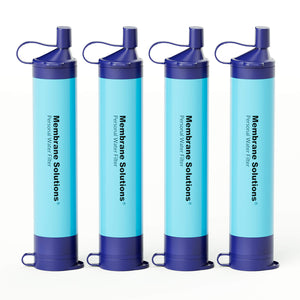
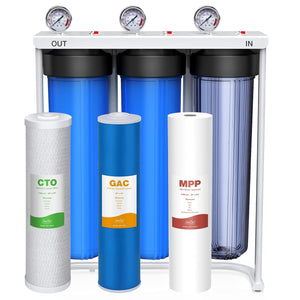
Another option is a countertop filter with multi-stage systems designed specifically for small particles. These often combine mechanical filtration with activated carbon and sometimes UV treatment, giving you peace of mind about your water quality.
Think about your daily water use and budget to decide which option fits best. Would investing a bit more for cleaner water be worth it for you and your family’s health?
Regulations And Standards
Understanding the regulations and standards behind refrigerator water filters helps assess their effectiveness. These rules guide manufacturers to meet specific safety and quality levels. They also ensure that filters perform well against contaminants, including microplastics.
Regulations vary by country but often include strict testing and certification processes. These processes confirm that water filters do what they claim. Consumers can trust products that meet recognized standards.
Certification Bodies
Certification bodies set the rules for testing and approving water filters. They check if filters remove harmful substances effectively. Common organizations include:
- NSF International
- Underwriters Laboratories (UL)
- Water Quality Association (WQA)
These bodies provide labels that show a filter meets high standards. This helps buyers choose safe and reliable filters.
Testing Requirements
Testing requirements ensure filters remove specific contaminants safely. Tests measure the filter’s ability to reduce particles, bacteria, and chemicals.
For microplastics, testing is still evolving. Some filters are tested for particle removal at sizes close to microplastics. Filters must pass these tests to earn certification.
Manufacturers must submit their filters to labs for rigorous testing. Results must meet or exceed limits set by certification bodies.
Tips For Choosing The Right Filter
Choosing the right refrigerator water filter can feel overwhelming, especially if you’re concerned about removing microplastics from your water. Not all filters are created equal, and knowing what to look for can save you time and money. Let’s break down the essentials so you can pick a filter that truly protects your health.
Key Features To Look For
Start by checking if the filter explicitly mentions microplastic removal. Many standard filters focus on chlorine and sediment but miss tiny plastic particles.
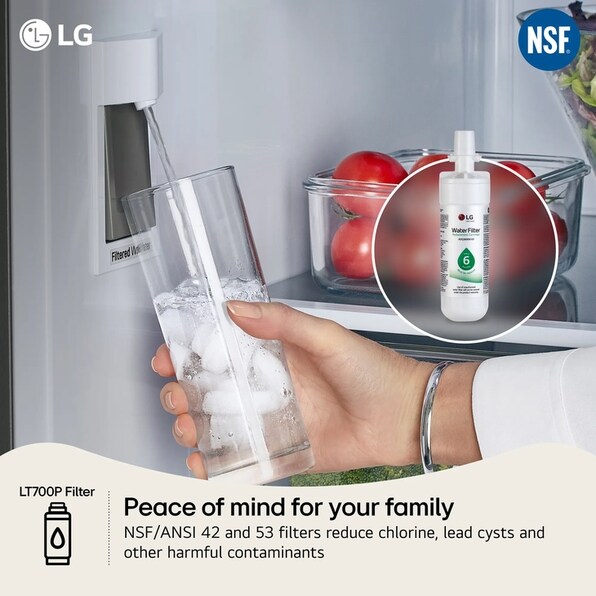
- Certification:Look for NSF/ANSI certifications related to microplastic reduction or at least sediment and particulate reduction.
- Filter Media:Filters using activated carbon combined with a mechanical barrier tend to capture microplastics better.
- Micron Rating:A filter with a micron rating of 1 micron or less will catch smaller particles, including most microplastics.
I once bought a filter based only on brand name, only to discover it didn’t reduce microplastics at all. That experience taught me to dig deeper into product specs rather than rely on marketing.
Maintenance And Replacement
Even the best filter won’t work well if you don’t maintain it properly. Filters can get clogged or lose effectiveness over time.
- Replacement Schedule:Follow the manufacturer’s replacement timeline strictly; old filters may release trapped contaminants back into your water.
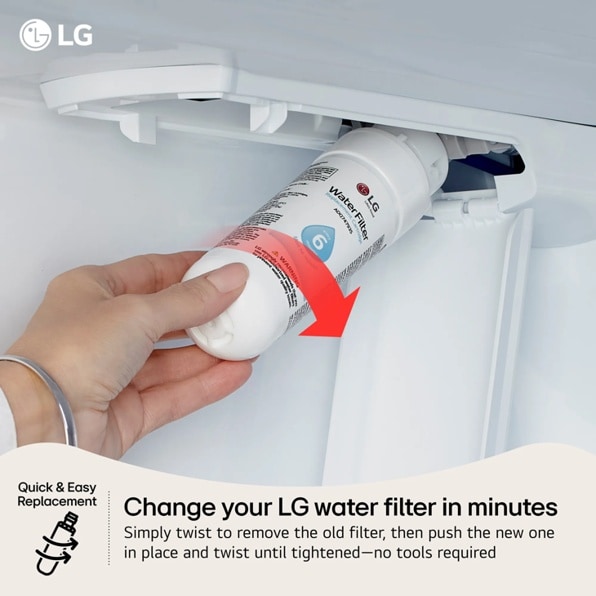
- Ease of Replacement:Choose filters that are easy to replace without special tools or professional help to ensure you don’t skip this step.
- Indicator Alerts:Some refrigerators have built-in indicators that remind you when it’s time to change the filter.
Ask yourself: How often will you realistically replace the filter? If it’s too frequent or complicated, you might end up drinking less filtered water. Choose a filter that fits your lifestyle to keep your water safe consistently.
Credit: www.simpurelife.com
Frequently Asked Questions
Do Refrigerator Water Filters Remove Microplastics?
Most refrigerator water filters reduce microplastics by trapping particles in the filter media. However, effectiveness varies by filter type. Activated carbon and multi-stage filters generally perform better in removing microplastics from water.
How Effective Are Refrigerator Filters Against Microplastics?
Refrigerator filters can remove a significant portion of microplastics, but not all. Their effectiveness depends on filter design and pore size. Regular replacement is essential to maintain filtration quality.
Can All Fridge Water Filters Block Microplastics?
Not all fridge water filters block microplastics effectively. Basic carbon filters may remove some particles, but advanced filters with smaller pores are better at filtering microplastics.
Should I Replace My Refrigerator Water Filter Regularly?
Yes, replacing your refrigerator water filter every 6 months ensures optimal removal of microplastics and other contaminants. Old filters lose effectiveness and can harbor bacteria.
Conclusion
Refrigerator water filters offer some protection against contaminants. But not all. Their ability to remove microplastics varies. Some filters may reduce them. Many filters focus on larger particles. Consider their limitations when choosing. Always research your specific filter’s capabilities. Check for certifications and reviews.
They help in understanding filter effectiveness. Opt for advanced filters if microplastic removal is crucial. Regular replacement of filters is vital. It maintains their efficiency. Staying informed ensures safer water choices.