
Have you ever wondered if your refrigerator really needs a GFCI outlet? It’s a question that might seem simple but can have a big impact on your home’s safety and your peace of mind.
You want to keep your kitchen safe without risking unnecessary trips or damage to your appliance. You’ll discover exactly when and why a refrigerator should—or shouldn’t—be connected to a GFCI. By the end, you’ll have clear answers to protect your home and make smart choices for your kitchen setup.
Keep reading to find out what every homeowner needs to know.

Credit: joca-cable.com
Gfci Basics
Understanding the basics of GFCI is crucial before deciding if your refrigerator needs one. GFCI stands for Ground Fault Circuit Interrupter, a safety device designed to protect you from electric shocks. Knowing how it works and where it’s commonly installed can help you make a smart choice for your kitchen’s electrical safety.
How Gfci Works
A GFCI constantly monitors the flow of electricity in a circuit. It detects any imbalance between the hot and neutral wires, which could indicate a leakage of current. If even a small difference is found, the GFCI quickly cuts off the power, often within milliseconds.
This quick response can prevent serious injuries or electrical fires. Imagine you accidentally touch a faulty appliance while standing on a wet floor—without a GFCI, the risk of shock increases dramatically. GFCIs provide that extra layer of protection in such risky situations.
Common Gfci Locations
You’ll typically find GFCI outlets in places where water and electricity meet. Bathrooms, kitchens, garages, and outdoor spaces are prime examples. These areas have a higher chance of electric shock because moisture is present.
In kitchens, GFCIs usually protect outlets near sinks or countertops. But what about your refrigerator? It’s often placed close to a water source for ice makers or water dispensers. This raises the question: should that outlet be GFCI-protected as well?
- Bathrooms – sinks and showers
- Kitchens – counters and near sinks
- Garages and basements – where moisture or tools are common
- Outdoor outlets – exposed to weather conditions

Credit: joca-cable.com
Refrigerator Power Needs
Refrigerators usually do not need GFCI outlets because they require a constant power supply. GFCI outlets can trip and cause the fridge to lose power, risking food spoilage. Some local codes may still require GFCI protection in certain areas.
Refrigerator Power Needs Understanding the power needs of a refrigerator is crucial. It ensures safe and efficient operation. A refrigerator is a major appliance in every household. Its electrical requirements can impact overall home safety. Let’s dive into the specifics of what a refrigerator requires.Typical Electrical Requirements
Refrigerators typically need a dedicated circuit. This circuit is usually 120 volts. Most refrigerators use between 3 to 6 amps. This depends on size and model. They often require a grounded outlet. A three-pronged plug is common. This ensures electrical safety. An electrical circuit just for the refrigerator is ideal.Why Stability Matters
Power stability is vital for refrigerators. They run continuously. Fluctuations can affect performance. A stable power supply prevents malfunctions. It also prolongs the appliance’s lifespan. Frequent power surges can damage components. This can lead to costly repairs. Ensuring stable power supports efficient operation.Gfci And Refrigerators
Understanding the connection between GFCI (Ground Fault Circuit Interrupter) outlets and refrigerators is important for both safety and appliance performance. GFCIs are designed to protect you from electrical shocks by quickly shutting off power if a ground fault is detected. But should your refrigerator be plugged into a GFCI outlet? Let’s look at the practical pros and potential drawbacks to help you decide what works best for your home.
Pros Of Using Gfci
One major advantage of using a GFCI outlet for your refrigerator is enhanced safety. Kitchens and garages, where refrigerators often reside, are high-moisture areas. GFCIs can prevent electrical shocks in these damp environments, protecting both you and your family.
Another benefit is peace of mind. Imagine being away from home and getting an alert that your fridge’s power was cut due to a fault. This early warning could save your food and prevent costly repairs.
Additionally, many local electrical codes now require GFCI protection in kitchen areas. Using a GFCI can ensure your home meets these safety standards, avoiding potential code violations during inspections.
Potential Drawbacks
However, GFCI outlets can sometimes trip unexpectedly, cutting power to your refrigerator without warning. This can cause food spoilage or disrupt the appliance’s cooling cycle.
Refrigerators contain compressors and motors that can cause small electrical surges during startup. These surges may trigger the sensitive GFCI, especially with older models or outlets.
Also, if your refrigerator is plugged into a GFCI outlet that trips often, it can become a hassle to reset the outlet frequently. This inconvenience might lead some to bypass important safety features altogether.
Have you ever experienced a sudden power cut to your fridge and wondered if it was due to the outlet? Balancing safety with appliance reliability is key when deciding on GFCI use for your refrigerator.
Safety Codes And Regulations
Understanding safety codes and regulations is essential before deciding if your refrigerator needs a GFCI (Ground Fault Circuit Interrupter). These rules are designed to prevent electrical hazards and keep your home safe. Knowing how they apply to kitchen appliances like refrigerators helps you make informed decisions about your electrical setup.
National Electrical Code Guidelines
The National Electrical Code (NEC) sets the standard for electrical safety across the United States. According to NEC guidelines, GFCI protection is generally required for outlets in areas where water is present, such as kitchens. However, when it comes to refrigerators specifically, the NEC often exempts dedicated circuits supplying them from GFCI requirements to avoid nuisance tripping.
This exemption exists because refrigerators can cause frequent, harmless electrical leakage that might trip a GFCI unnecessarily, leading to food spoilage. Still, these guidelines can change with new code editions, so it’s important to stay updated. Have you checked if your home’s wiring follows the latest NEC rules?
Local Code Variations
Local regulations can differ significantly from national guidelines. Some municipalities might require GFCI protection on all kitchen outlets, including those for refrigerators. This can depend on factors like the age of your home, local safety concerns, or recent electrical incidents in the area.
Checking with your local building department or a licensed electrician can clarify what’s needed. It’s better to verify than to guess, especially because ignoring local codes can lead to fines or insurance problems. Are you sure your refrigerator’s outlet meets your area’s specific safety rules?
Installation Tips
Installing a GFCI outlet for your refrigerator requires careful planning. It ensures safety without risking appliance performance. Proper installation helps prevent electrical shocks and meets safety codes. Follow these tips to install GFCI outlets correctly.
Choosing The Right Outlet
Select a GFCI outlet rated for your refrigerator’s power needs. Check the amperage and voltage requirements. Use a heavy-duty outlet designed for kitchen or utility use. Place the outlet in a dry, accessible spot near the refrigerator. Avoid locations exposed to water or moisture.
- Use a 15- or 20-amp GFCI outlet depending on appliance specs.
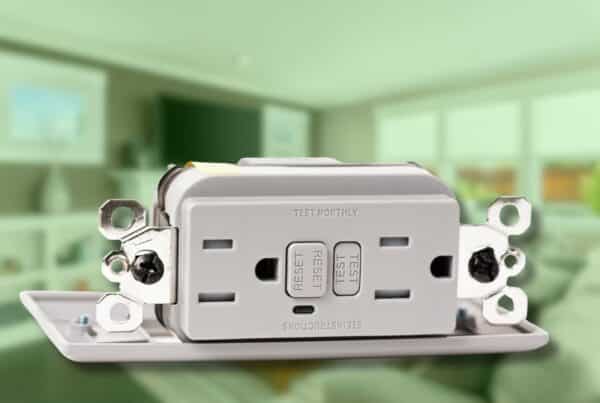
- Choose outlets with clear “test” and “reset” buttons.
- Consider tamper-resistant models for added safety.
Testing Gfci Functionality
After installation, test the GFCI outlet to confirm proper operation. Press the “test” button; power should cut off to the outlet. The “reset” button restores power once pressed. Check that the refrigerator turns off and on accordingly. Test monthly to maintain safety and function.
- Use a GFCI tester device for accurate results.
- Label the outlet to remind users of its safety feature.
- Replace the outlet if it fails any test.
Troubleshooting Gfci Issues
GFCI outlets are designed to protect you from electrical shocks, but they can sometimes create confusion when they trip unexpectedly. Understanding why your refrigerator’s GFCI trips and how to fix it can save you from unnecessary frustration and food spoilage. Let’s dig into some common reasons behind these issues and practical solutions you can try.
Frequent Tripping Causes
One common cause of GFCI tripping is moisture or condensation near the outlet. Refrigerators often create humidity, which can affect the GFCI sensor. Have you noticed your GFCI trips more often during warmer or humid days?
Another frequent culprit is a ground fault caused by damaged wiring or faulty refrigerator components. Over time, wiring can wear out or get pinched, creating a small leakage current that trips the GFCI.
Sometimes, the refrigerator’s compressor or motor can draw a surge of electricity that trips the GFCI. Older refrigerators or those with high power demands are more prone to this issue.
Solutions For Common Problems
- Check for Moisture:Ensure the outlet and surrounding area are dry. If you spot condensation, improve ventilation or use a dehumidifier nearby.
- Inspect Wiring:Turn off power and examine the outlet and refrigerator plug for damage. Replace frayed cords or faulty outlets immediately.
- Use Dedicated Circuits:Plug your refrigerator into a non-GFCI outlet if local codes permit. This helps avoid nuisance tripping caused by motor startup surges.
- Test the GFCI:Press the “Test” and “Reset” buttons on the outlet regularly to ensure it functions properly. A malfunctioning GFCI can trip without reason.
- Consult an Electrician:If problems persist, professional help is crucial. They can diagnose hidden issues like internal faults or improper grounding that you might miss.
Have you tried any of these fixes before? Sometimes, a simple action like cleaning the outlet or relocating the plug can stop frequent interruptions. Taking these steps keeps your refrigerator running smoothly and your food safe without constant power worries.
Alternative Safety Measures
Refrigerator safety involves more than just GFCI outlets. Alternative safety measures help protect your appliance and home. These methods focus on preventing electrical damage and ensuring proper function.
Surge Protectors
Surge protectors shield refrigerators from sudden power spikes. These spikes can damage circuits and shorten appliance life. A quality surge protector absorbs extra voltage and keeps your fridge safe. Look for models with high joule ratings and fast response times. Using a surge protector also helps protect other kitchen electronics.
Regular Maintenance
Routine maintenance keeps refrigerators running smoothly and safely. Clean coils improve efficiency and reduce strain on electrical parts. Check power cords for cracks or wear to avoid shorts. Make sure the fridge is plugged into a properly grounded outlet. Regular inspections catch small problems before they cause bigger issues.
Credit: avalonhomeinspections.net
Frequently Asked Questions
Do Refrigerators Require Gfci Protection?
Refrigerators typically do not require GFCI protection by code, but some areas recommend it. GFCI outlets protect against electrical shocks, especially in damp locations like kitchens. Check local electrical codes and manufacturer guidelines before installing GFCI for your refrigerator.
Can Gfci Outlets Cause Refrigerator Problems?
Yes, GFCI outlets can cause refrigerators to trip frequently. This happens due to the compressor’s normal electrical load. To avoid issues, use a dedicated, non-GFCI outlet for refrigerators unless local codes mandate otherwise.
Why Do Some Refrigerators Need Gfci Outlets?
Some refrigerators need GFCI outlets if installed in wet or outdoor locations. GFCI protects users from electrical shock by detecting ground faults. Always follow local codes and safety standards to decide on GFCI usage for refrigerators.
Are Gfci Outlets Mandatory For Kitchen Refrigerators?
GFCI outlets are generally required for kitchen countertop appliances, not refrigerators. However, local codes may vary. It’s best to consult an electrician to confirm if your refrigerator needs GFCI protection in your kitchen.
Conclusion
Refrigerators usually do not need GFCI protection. Most codes do not require it for kitchen refrigerators. GFCI outlets can cause nuisance trips and food spoilage. Safety matters, but so does keeping your fridge running. Always check local electrical rules before making changes.
When in doubt, ask a licensed electrician for advice. Simple steps keep your kitchen both safe and functional.