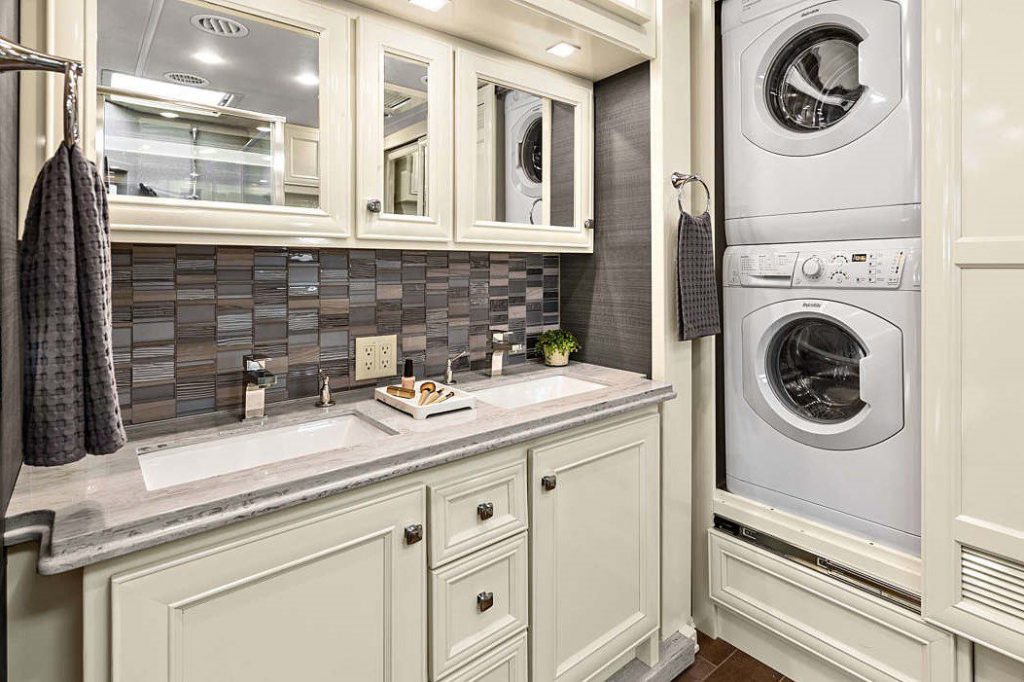
Are you wondering if your RV can handle laundry just like your home does? The idea of having a washer and dryer inside your RV might seem like a luxury, but it’s becoming more common than you think.
Imagine never having to hunt for a laundromat again or deal with piles of dirty clothes on the road. You’ll discover whether RVs really come with washers and dryers, what options you have, and how to make laundry day easier during your travels.
Keep reading to find out how you can stay fresh and clean no matter where your RV takes you!

Credit: www.mortonsonthemove.com
Washer And Dryer Options In Rvs
Many RV owners wonder if they can have washers and dryers in their vehicles. Laundry is a common need during long trips. RVs offer several ways to handle washing and drying clothes.
There are built-in units, portable solutions, and combo washer-dryers. Each option fits different needs and space limits. Understanding these options helps you choose what works best for your RV life.
Built-in Units
Some RVs come with built-in washers and dryers. These units are installed inside cabinets or closets. They save space and offer convenience.
Built-in units usually need special hookups for water and power. They are designed to fit small RV spaces. Many models are compact but still wash and dry well.
- Installed inside the RV
- Require water and power connections
- Compact design to save space
- Good for frequent laundry needs
Portable Solutions
Portable washers and dryers are separate units you can move around. They do not need permanent installation. These are good for small RVs or occasional use.
Portable options come in electric or manual types. They are easy to store and use outside if needed. You can take them to laundry facilities or campsites with hookups.
- Easy to move and store
- No permanent installation needed
- Some models are electric, others manual
- Good for small RVs or few laundry loads
Combo Washer-dryers
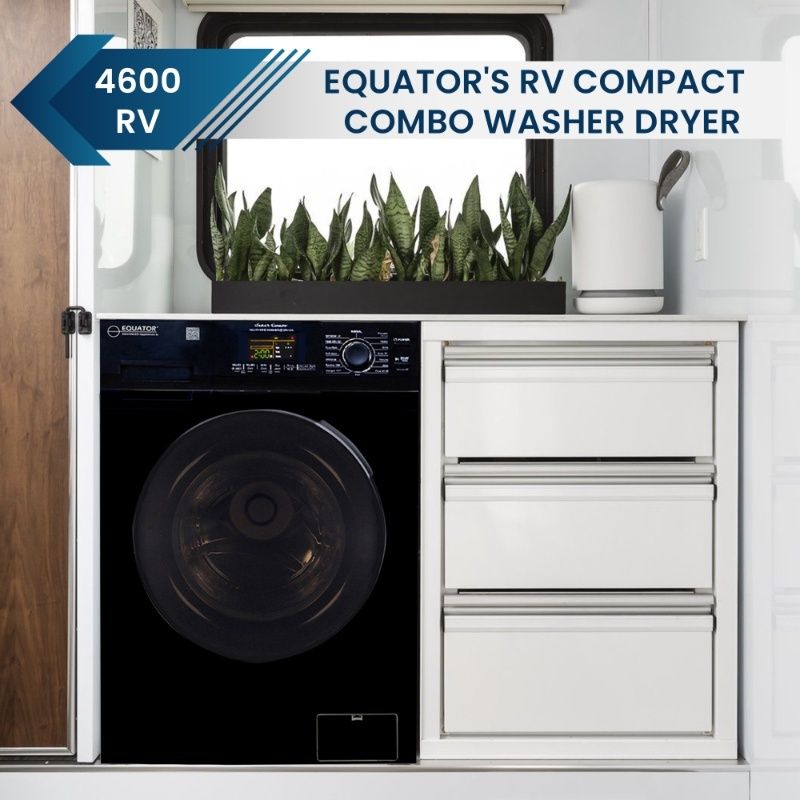
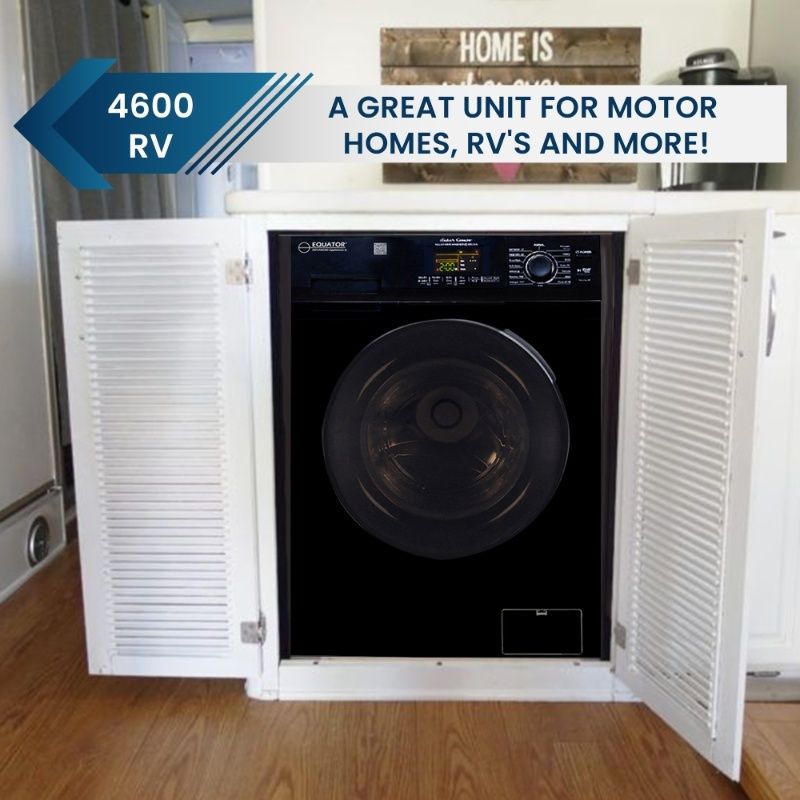
Combo washer-dryers wash and dry clothes in one machine. They save space by combining two functions. Many RV owners prefer them for their efficiency.
These machines often use less water and energy. They fit well in limited RV spaces. Combo units take longer but reduce the need for multiple appliances.
- One machine for washing and drying
- Saves space inside the RV
- Uses less water and power
- Good for small loads and tight spaces
Benefits Of Having Laundry Appliances
Many RV owners wonder if their vehicle has a washer and dryer. Having these appliances can make a big difference. They add convenience and ease to your travels.
Carrying laundry machines in an RV saves trips to laundromats. It lets you manage clothes anytime and keeps your journey smooth.
Time Savings
Washing clothes in your RV saves time spent looking for laundry facilities. You can do laundry while relaxing or traveling.
- Wash clothes any time you want
- Do laundry while resting or cooking
- Avoid waiting for machines at laundromats
- Spend more time enjoying your trip
Cost Efficiency
Using your own washer and dryer helps you save money on laundry fees. It also reduces the cost of buying extra clothes.
| Expense Type | Cost Without Appliances | Cost With Appliances |
| Laundromat Fees | $3-$5 per load | Free after initial purchase |
| Buying Extra Clothes | Higher if laundry is rare | Lower due to regular washing |
| Time Value | Lost time equals money | Save time for activities |
Comfort On Long Trips
Clean clothes improve comfort on long trips. Having laundry machines keeps your clothes fresh and ready to wear.
- Always have clean clothes available
- Reduce packing bulky extra clothes
- Keep hygiene high during extended travel
- Feel more at home on the road
Space And Power Considerations
Many people wonder if RVs have washer and dryers inside. These appliances need space and power. RV owners must think about these factors before adding them.
RVs have limited room and power supply. These limits affect the type and size of washer and dryer you can use.
Rv Layout Constraints
Most RVs have tight spaces. Finding room for a washer and dryer is hard. Many RVs do not include these appliances by default.
Owners may need to remove cabinets or storage to fit a washer and dryer. Stackable or combo units save space. Some use portable washers that can be stored when not in use.
- RVs have small laundry areas or none at all
- Stackable units save vertical space
- Portable washers fit in closets or under counters
- Custom renovations may be needed
Energy Consumption
Washers and dryers use a lot of electricity. RV power systems often run on limited energy sources like batteries or generators.
Using a washer and dryer can quickly drain power. Many RVs use propane or 120V AC power, which may not support heavy appliances easily.
- Washers and dryers use high wattage
- Power may come from battery, generator, or shore power
- Generators add noise and fuel use
- Energy-efficient models reduce power needs
Water Usage
Washers need fresh water and produce wastewater. RVs have limited water tanks and holding tanks for waste.
Running a washer can use many gallons of water. This may require frequent tank refills and emptying.
- Water tanks have limited capacity
- More water use means more tank refills
- Wastewater tanks fill faster with laundry water
- Low-water washers help save water
Credit: equatorappliances.com
Installation Tips And Tricks
Installing a washer and dryer in an RV can save time and money. It lets you do laundry on the road. But choosing the right model and installing it properly is key.
This guide covers tips on picking a washer and dryer, deciding between professional or DIY installation, and how to keep them running well.
Choosing The Right Model
RV washer and dryer units differ from home versions. They must fit small spaces and use less power. Consider the size, weight, and power needs before buying.
- Look for compact, stackable units to save space.
- Choose models with low water and energy use.
- Check if the unit runs on electric or propane.
- Consider combo washer-dryer units to reduce installation work.
- Read reviews to find reliable brands made for RVs.
Professional Vs Diy Installation
Installing a washer and dryer in an RV can be complex. You must connect water, drainage, and power safely. Think about your skill level before starting.
| Installation Type | Pros | Cons |
| Professional | Safe, reliable, warranty support | Higher cost, scheduling needed |
| DIY | Lower cost, flexible timing | Risk of mistakes, no warranty help |
If you choose DIY, follow instructions closely. Use proper tools and check all connections for leaks or electrical faults.
Maintenance And Upkeep
Regular care keeps your RV washer and dryer working well. Clean filters and check hoses often. Fix small issues before they become big problems.
- Clean lint filters after every use.
- Inspect water hoses for cracks or leaks monthly.
- Use RV-approved detergents to avoid damage.
- Run a cleaning cycle every few months to prevent buildup.
- Check electrical connections for wear or corrosion.
Alternatives To Onboard Laundry
Many RVs do not come with washer and dryer units. Carrying these machines takes up space and uses power. There are good alternatives to washing clothes onboard your RV.
These options help keep your clothes clean without needing a washer or dryer inside your vehicle. You can choose what fits your travel style best.
Laundry Facilities At Campgrounds
Many campgrounds offer laundry rooms with washers and dryers. These rooms are usually coin-operated and easy to use. They save you from carrying heavy machines in your RV.
- Check if your campground has laundry facilities before booking.
- Bring enough coins or tokens for washing and drying.
- Plan laundry days to avoid long waits.
- Use mild detergent that works for all types of machines.
Using Laundromats On The Road
Laundromats are common in towns and cities near popular travel routes. They offer machines that can wash and dry large loads quickly. Laundromats are a practical choice if campgrounds lack laundry services.
| Benefit | Details |
| Accessibility | Found in many towns along highways |
| Cost | Usually cheaper than onboard machines |
| Speed | Can wash and dry clothes in under an hour |
| Capacity | Large machines fit bulky items |
Hand Washing Clothes
Hand washing clothes works well for small loads or delicate items. It requires only water, soap, and a sink or basin. This method uses no electricity and saves space inside your RV.
- Use a small amount of gentle detergent.
- Fill a basin or sink with warm water.
- Soak clothes for 10 to 15 minutes.
- Gently rub fabric to remove dirt.
- Rinse clothes thoroughly with clean water.
- Wring out excess water before drying.
Credit: equatorappliances.com
Frequently Asked Questions
Do Rvs Typically Come With Washer And Dryer Units?
Most RVs do not include washer and dryer units due to space constraints. However, some larger motorhomes or fifth wheels may offer compact or combo appliances as optional features.
Can I Install A Washer And Dryer In My Rv?
Yes, many RV owners install compact or stackable washer and dryer units. Proper ventilation, power supply, and water connections are essential for installation.
What Types Of Washers And Dryers Work Best In Rvs?
Stackable combo washer-dryers or portable units are ideal. They save space and require less water and power, making them suitable for RV living.
How Does Having A Washer And Dryer Affect Rv Living?
Having a washer and dryer adds convenience and saves laundromat trips. It requires additional space, water, and electrical capacity in your RV.
Conclusion
RVs sometimes have washer and dryer options inside. Many models offer space for these appliances. Small, combo units save room and energy. They help keep clothes clean on long trips. Some travelers prefer laundromats to save space. Power and water limits affect washer use in RVs.
Choosing the right setup depends on your needs. Consider your travel style and RV size. Clean clothes make any trip more comfortable. Washing on the road is possible with the right gear.