Are you tired of constantly worrying whether your plants are getting enough water? You’ve probably heard about self watering planters and wondered, do they really work?
Imagine having a planter that takes care of your watering needs, keeps your plants healthy, and saves you time. Sounds great, right? But before you invest in one, it’s important to know how these planters actually perform and if they’re the right choice for your green space.
Keep reading, because we’re going to uncover the truth about self watering planters and help you decide if they’re worth it for you.
How Self Watering Planters Work
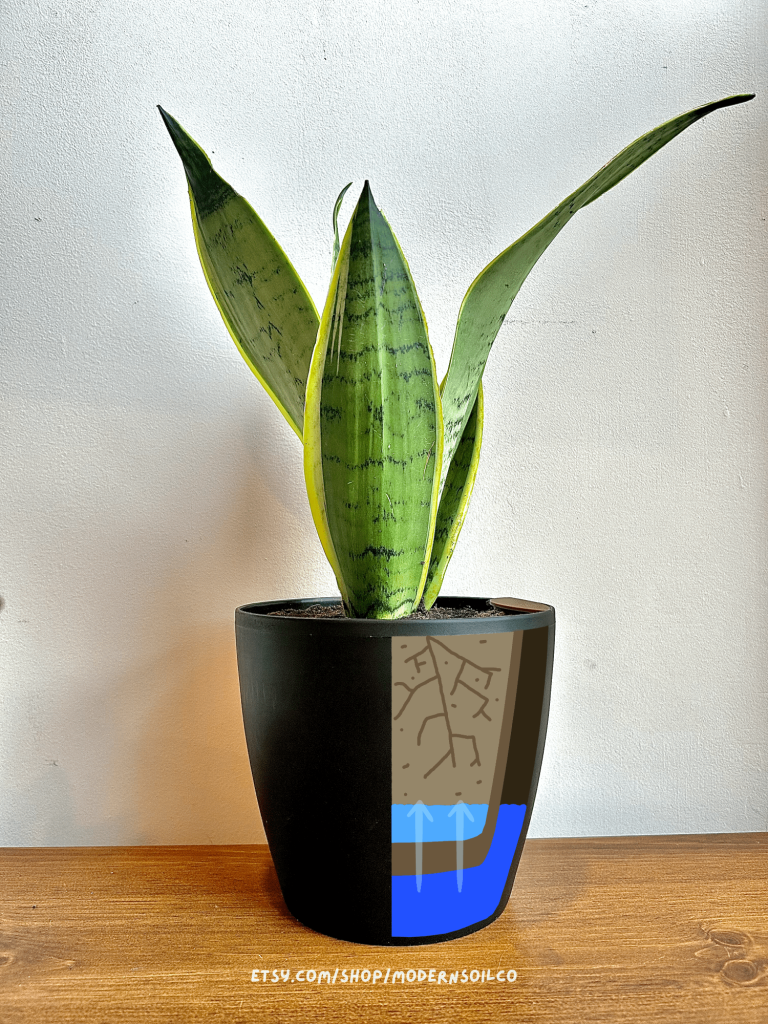
Self watering planters help plants get the right amount of water. They store water in a special part of the pot. This makes watering easier and helps plants grow healthy.
These planters use simple science to move water to the plant roots. Understanding how they work can help you take better care of your plants.
Capillary Action Basics
Capillary action is the way water moves through small spaces. It happens when water sticks to surfaces and pulls itself upward. This is how water travels from the reservoir to the soil.
In self watering planters, capillary action helps water reach the plant roots without flooding the soil. It keeps the soil moist but not too wet.
Water Reservoir Design
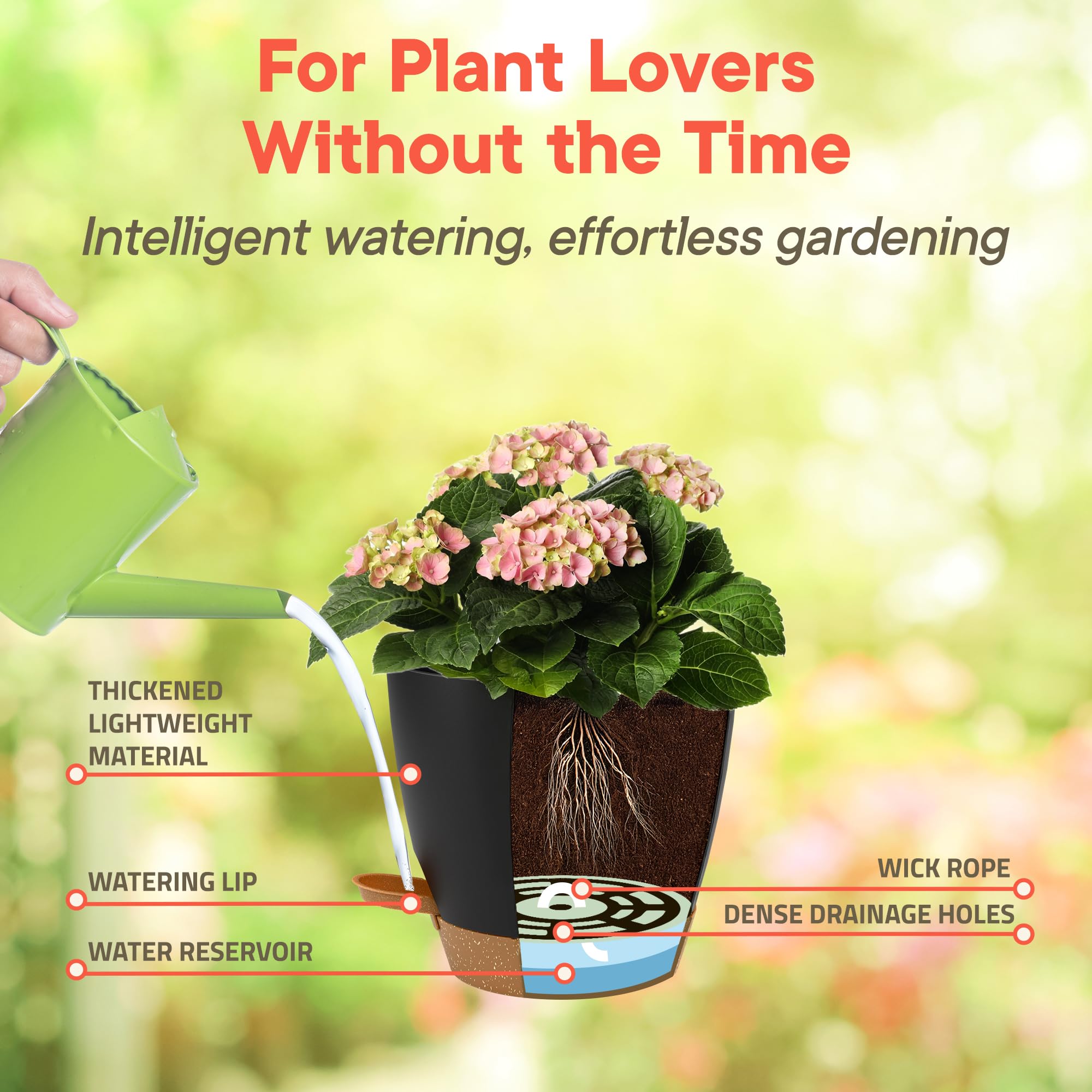
The water reservoir is a container at the bottom of the planter. It holds extra water for the plant to use over time. This design saves water and reduces how often you need to water.
The reservoir usually has holes or a wick that lets water move up to the soil. It keeps the water separate from the soil until the plant needs it.
- Stores water below the soil
- Allows slow water movement to roots
- Prevents overwatering and root rot
- Reduces watering frequency
Plant Root Interaction
Plant roots grow toward water. In self watering planters, roots reach down to the moist soil near the reservoir. They absorb water as needed to stay healthy.
The planter’s design encourages roots to stay near water without sitting in it. This helps roots get oxygen and prevents them from rotting.
Benefits Of Self Watering Planters
Self watering planters make gardening easier and help plants grow better. They use less water and need less care. These planters have a built-in water reservoir that feeds plants slowly.
Many gardeners like them because they save time and keep plants healthy. Let’s look at some benefits of using self watering planters.
Water Conservation
Self watering planters save water by delivering it directly to the roots. This reduces water waste from evaporation or runoff. The water reservoir holds just the right amount for the plant.
Because the soil stays moist longer, you use less water over time. This helps the environment and lowers water bills.
- Less water lost to evaporation
- Efficient watering directly to roots
- Lower water use overall
Reduced Maintenance
These planters need less watering from you. The built-in reservoir means plants get water slowly and steadily. You do not have to water every day.
This makes it easier to care for plants when you are busy or away. It lowers the chance of overwatering or underwatering.
- Less frequent watering needed
- Good for busy gardeners
- Helps avoid watering mistakes
Healthier Plant Growth
Self watering planters keep soil moisture steady. Plants get water when they need it, which helps roots grow strong. This steady water supply reduces stress on plants.
Healthy roots absorb nutrients better. This leads to bigger leaves, flowers, and fruits. Plants also resist diseases better.
- Steady moisture for strong roots
- Better nutrient absorption
- Less plant stress and disease
Common Limitations
Self-watering planters offer convenience for plant care. Yet, they come with limitations.
Understanding these limitations helps make better decisions for plant health.
Risk Of Overwatering
Overwatering remains a common issue with self-watering planters.
- Excess water can lead to root rot.
- Plants may drown if the reservoir is too large.
- Drainage holes might not effectively remove extra water.
Suitability For Different Plants
Not all plants thrive in self-watering planters. Some need drier soil.
| Plant Type | Water Requirement |
| Cacti | Low |
| Ferns | High |
| Succulents | Low |
Initial Setup Challenges
Setting up a self-watering planter can be tricky for beginners.

Credit: www.marlygarden.com
Choosing The Right Self Watering Planter
Self watering planters help keep plants healthy with less effort. Picking the right one is important for your plant’s needs.
Look at material, size, and extra features before buying. These factors affect how well your planter works.
Material Considerations
Planters come in plastic, ceramic, metal, and wood. Each material has pros and cons for watering and durability.
Plastic is light and holds water well. Ceramic looks nice but can break easily. Metal lasts long but may rust. Wood is natural but needs sealing to prevent rot.
- Plastic: lightweight, water-friendly, less breakable
- Ceramic: decorative, fragile, good water retention
- Metal: strong, may rust, good for outdoor use
- Wood: natural look, needs protection, can rot
Size And Capacity
Choose a planter size that fits your plant’s root system. Bigger plants need larger containers for water and soil.
Capacity affects how much water the planter can hold. More water means less frequent refilling.
- Small planters suit herbs and small flowers
- Medium planters fit most houseplants
- Large planters are best for shrubs and big plants
- Check water reservoir size for longer watering intervals
Additional Features
Some planters have extra parts like water level indicators. These help you know when to refill water.
Look for planters with good drainage and easy refill systems. These features make care simpler.
- Water level indicator shows reservoir status
- Easy refill openings save time
- Good drainage prevents root rot
- Handles or wheels add convenience
Tips For Optimal Use
Self watering planters help keep plants hydrated by providing water gradually. Using them right makes your plants healthier and saves water.
Follow simple tips to get the best results from your self watering planter. These tips cover soil, water, and seasonal care.
Proper Soil Selection
Choose soil that absorbs water well but drains extra water. Good soil helps roots get moisture without sitting in water.
A mix of potting soil with perlite or vermiculite works best. Avoid heavy clay soil that holds too much water.
- Use light, airy potting mix
- Add perlite or vermiculite for drainage
- Do not use garden soil directly
Monitoring Water Levels
Check the water reservoir often. Keeping the right water level ensures plants drink enough but do not drown.
Refill the reservoir before it gets empty. Use the built-in water gauge if your planter has one to track levels easily.
- Look at the water gauge daily
- Fill water reservoir regularly
- Empty excess water if it overflows
Seasonal Adjustments
Plants need different water amounts depending on the season. Adjust watering to match weather changes and plant growth.
In hot months, check water more often. In cooler months, plants need less water. Reduce refills to avoid overwatering.
- Water more in summer and dry seasons
- Water less in winter or rainy seasons
- Watch plants for signs of too much or too little water
Credit: www.amazon.com
Comparing Alternatives
Self watering planters are popular for keeping plants hydrated. Let’s compare them to other watering options.
Each watering method has its own benefits and challenges. This helps you pick the best option for your needs.
Traditional Planters
Traditional planters need you to water plants by hand. You decide when and how much water to give.
This method gives control but can lead to over or underwatering. It needs regular attention to keep plants healthy.
- Simple and easy to find
- Needs daily or frequent watering
- Risk of inconsistent watering
- Good for small or indoor plants
Automated Irrigation Systems
Automated irrigation systems water plants on a set schedule. They use timers and pipes to deliver water.
These systems reduce manual work and keep watering consistent. They can be costly and need installation.
- Water plants automatically
- Customizable schedules
- Can save water with precision
- Higher upfront cost
- Best for large gardens or farms
Diy Watering Solutions
DIY watering solutions use simple tools to water plants slowly. Examples include bottle drip systems or wicks.
These are low cost and easy to make. They need some effort to set up and may not work for all plants.
- Uses household items
- Slow, steady watering
- Affordable and customizable
- Needs monitoring and adjustment
- Good for small gardens or pots

Credit: easyplant.com
Frequently Asked Questions
How Do Self Watering Planters Work?
Self watering planters use a reservoir to supply water gradually. Plants draw water through capillary action, ensuring consistent moisture. This reduces overwatering and underwatering risks. It promotes healthier root growth and saves time for gardeners.
Are Self Watering Planters Good For All Plants?
Self watering planters work best for moisture-loving plants like herbs and vegetables. They may not suit succulents or cacti that prefer dry conditions. Choosing the right planter depends on your plant’s water needs and environment.
Can Self Watering Planters Prevent Root Rot?
Yes, self watering planters reduce root rot risk by providing steady moisture. They avoid waterlogging since excess water stays in the reservoir. Proper drainage and monitoring remain important to keep roots healthy.
Do Self Watering Planters Save Time And Water?
Self watering planters save time by reducing frequent watering. They use water efficiently through controlled release, cutting waste. This makes them ideal for busy gardeners and those wanting to conserve water.
Conclusion
Self watering planters save time and reduce plant care stress. They keep soil moist without daily watering. Plants grow healthier with steady water supply. These planters suit busy people and beginners. Choose one that fits your plants’ needs. Regular checks still help prevent overwatering or pests.
Overall, self watering planters offer a simple way to help plants thrive. Try one and see the difference yourself. Easy gardening made better.