Have you ever wondered if your sewer pipes can freeze? When cold weather hits, you might worry about your plumbing getting damaged.
Frozen sewer pipes can cause serious problems, from unpleasant backups to costly repairs. Understanding how and why sewer pipes freeze can help you protect your home and avoid unexpected headaches. Keep reading to discover the signs, risks, and easy steps you can take to keep your pipes flowing smoothly all winter long.

Credit: www.advancedplumbing.ca
How Sewer Pipes Freeze
Sewer pipes can freeze during cold weather, causing major plumbing issues. Understanding how sewer pipes freeze helps prevent costly damage. Pipes freeze when water inside them turns to ice, blocking flow and causing backups. Cold air removes heat from pipes, lowering the water temperature below freezing.
Several factors increase the risk of sewer pipes freezing. Pipes located outside or in unheated areas lose heat faster. Poor insulation and exposure to cold winds make freezing more likely. Slow water movement inside pipes also raises the chance of ice forming.
Conditions Leading To Freezing
- Temperatures drop below 32°F (0°C) for extended periods
- Pipes run through unheated spaces like crawl spaces or basements
- Water flow is minimal or stagnant in pipes
- Insufficient pipe insulation exposes pipes to cold air
- Strong winds increase heat loss from exposed pipes
Common Vulnerable Areas
- Outdoor sewer lines exposed to the elements
- Pipes in unheated crawl spaces beneath homes
- Basement sewer pipes near exterior walls
- Drain pipes running through garages or attics
- Old or damaged pipes with cracks or leaks

Credit: medium.com
Signs Of Frozen Sewer Pipes
Frozen sewer pipes can quickly turn into a major headache. The tricky part is that the signs might not be obvious at first. Catching these warning signals early can save you from costly repairs and messy backups.
Slow Drains And Backups
Have you noticed your sinks or tubs draining slower than usual? This could be a sign that your sewer pipes are partially frozen. Ice buildup narrows the pipe, restricting water flow and causing slow drainage.
Backups may start happening when the blockage worsens. If water begins to pool in your drains or toilets, don’t ignore it. These issues often point to a frozen pipe somewhere in your sewer line.
Unusual Odors And Noises
Strange smells wafting from your drains can indicate trouble. Frozen pipes trap waste, which can cause odors to linger longer than normal. This is a clear red flag that something is blocking the flow.
Have you heard gurgling or bubbling sounds coming from your drains? These noises often occur when air is trapped in frozen or blocked pipes. It’s your plumbing’s way of signaling distress.
Are you ready to spot these signs before they escalate? Keeping an eye on your drains and paying attention to odd smells or sounds can give you a critical head start.
Risks Of Frozen Sewer Pipes
Sewer pipes can freeze in cold weather, causing blockages and damage. Frozen pipes may crack, leading to costly repairs and unpleasant leaks. Protecting pipes from freezing helps avoid these serious problems.
Frozen sewer pipes can create a cascade of issues that might disrupt your daily routine and wallet. As temperatures plummet, the risk of sewer pipes freezing increases, potentially leading to severe damage. Understanding these risks can help you take preventative measures and avoid a costly winter surprise.Pipe Bursting And Leaks
When sewer pipes freeze, the water inside expands. This expansion can exert pressure on the pipes, leading to cracks or even bursting. A burst pipe can cause leaks that might go unnoticed until they result in significant water damage. Imagine waking up to a flooded basement. It’s a nightmare scenario, especially in freezing weather. Are you prepared to handle such a situation?Costly Repairs And Health Hazards
Repairing damaged sewer pipes is not only a hassle but also a financial burden. Frozen pipes can lead to expensive repairs that strain your budget. Moreover, leaks from these pipes can create a breeding ground for mold and bacteria. This poses serious health risks to you and your family, especially if left unchecked. Wouldn’t you rather spend your money on something more enjoyable than unexpected plumbing repairs? Taking action now to insulate your pipes could save you from future headaches.
Credit: www.advancedplumbing.ca
Preventing Sewer Pipe Freezing
Preventing sewer pipe freezing is essential during cold seasons. Frozen pipes can lead to blockages and costly repairs. Taking simple steps helps keep pipes safe and functional. Protecting sewer pipes keeps water flowing and avoids damage.
Proper Insulation Techniques
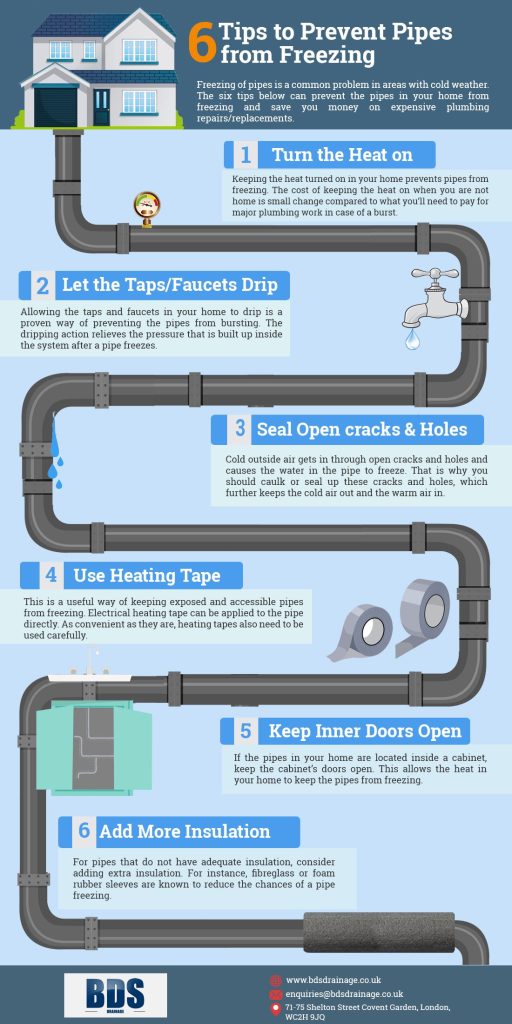
Insulating sewer pipes slows heat loss and prevents freezing. Use foam pipe sleeves or fiberglass wrap for the best results. Cover pipes in unheated areas like basements or crawl spaces. Seal gaps around pipes with caulk or spray foam. Proper insulation keeps pipes warmer in cold weather.
Maintaining Adequate Drainage
Drainage prevents water from sitting still and freezing inside pipes. Ensure pipes slope downward to promote flow. Avoid leaving water unused for long periods during winter. Regularly flush drains with warm water to keep them clear. Good drainage reduces the chance of ice blockages.
Using Heat Tape And Other Tools
Heat tape warms pipes to prevent freezing. Wrap heat tape tightly around vulnerable sewer pipes. Plug heat tape into a safe power source and follow instructions. Use thermostats with heat tape to control temperature automatically. Other tools like pipe heaters can also help protect pipes.
Emergency Actions For Frozen Pipes
Frozen sewer pipes can cause serious damage and disrupt your home’s plumbing. Acting quickly helps prevent costly repairs and health risks. Knowing the right emergency actions makes a big difference in managing frozen pipes safely and effectively.
Safe Thawing Methods
Thaw frozen sewer pipes gently to avoid cracks or bursts. Use a hairdryer or heat lamp to warm the pipe slowly. Start near the faucet and move toward the frozen section.
Wrap the pipe with warm towels soaked in hot water. Replace towels often to keep the heat steady. Avoid open flames or high heat sources that can damage pipes.
Keep the faucet open slightly. Running water helps melt ice and relieve pressure inside the pipe. Monitor the pipe closely during thawing for leaks or damage.
When To Call A Professional
Call a plumber if you see cracks, leaks, or no thawing progress. Professionals have special tools to thaw pipes safely and quickly. They can also inspect your sewer system for hidden damage.
Contact a professional if you smell sewage or notice slow drainage. Frozen sewer pipes can cause blockages that need expert attention. Early intervention reduces risks and repair costs.
Long-term Maintenance Tips
Protecting your sewer pipes from freezing isn’t just about quick fixes during a cold snap. Long-term maintenance plays a crucial role in keeping your plumbing safe and functional year-round. Small, consistent efforts can save you from costly repairs and unexpected disruptions.
Regular Inspections
Checking your sewer pipes regularly helps spot potential issues before they become emergencies. Look for signs like slow drainage, unpleasant odors, or wet spots around your home’s foundation. These could indicate blockages or leaks that increase the risk of freezing.
Don’t wait for winter to inspect your pipes. Make it a habit to perform these checks every few months. You might even catch problems caused by shifting soil or tree roots early on.
Seasonal Preparation Strategies
Prepare your sewer pipes for colder months by taking simple steps that reduce freezing risks. Insulating exposed pipes with foam sleeves or heat tape can keep temperatures stable. Also, allow faucets to drip slowly during freezing nights to keep water moving.
Have you thought about how landscaping affects your pipes? Planting shrubs or installing windbreaks near vulnerable areas can shield pipes from cold winds. These small changes can make a big difference when temperatures drop.
Frequently Asked Questions
Can Sewer Pipes Freeze In Cold Weather?
Yes, sewer pipes can freeze when temperatures drop below freezing. This happens if pipes are exposed to cold air or lack insulation. Frozen pipes can block wastewater flow, causing backups and potential damage.
What Causes Sewer Pipes To Freeze?
Sewer pipes freeze due to prolonged exposure to cold temperatures and inadequate insulation. Poorly buried pipes or those near exterior walls are most vulnerable during winter months.
How Can I Prevent Sewer Pipes From Freezing?
Insulate pipes, seal leaks, and keep water flowing to prevent freezing. Also, maintain proper heating in areas where pipes run and consider professional pipe insulation.
What Are Signs Of Frozen Sewer Pipes?
Slow drainage, gurgling sounds, or sewage backups often indicate frozen sewer pipes. Unusual odors and sudden clogs also signal potential freezing issues.
Conclusion
Sewer pipes can freeze in very cold weather. Frozen pipes may cause blockages or damage. Prevent freezing by insulating pipes and keeping water flowing. Watch for signs like slow drains or strange smells. Quick action can stop costly repairs later.
Stay warm and protect your home’s plumbing this winter. Simple steps make a big difference. Remember, frozen sewer pipes are avoidable with care. Keep your pipes safe and your home comfortable.