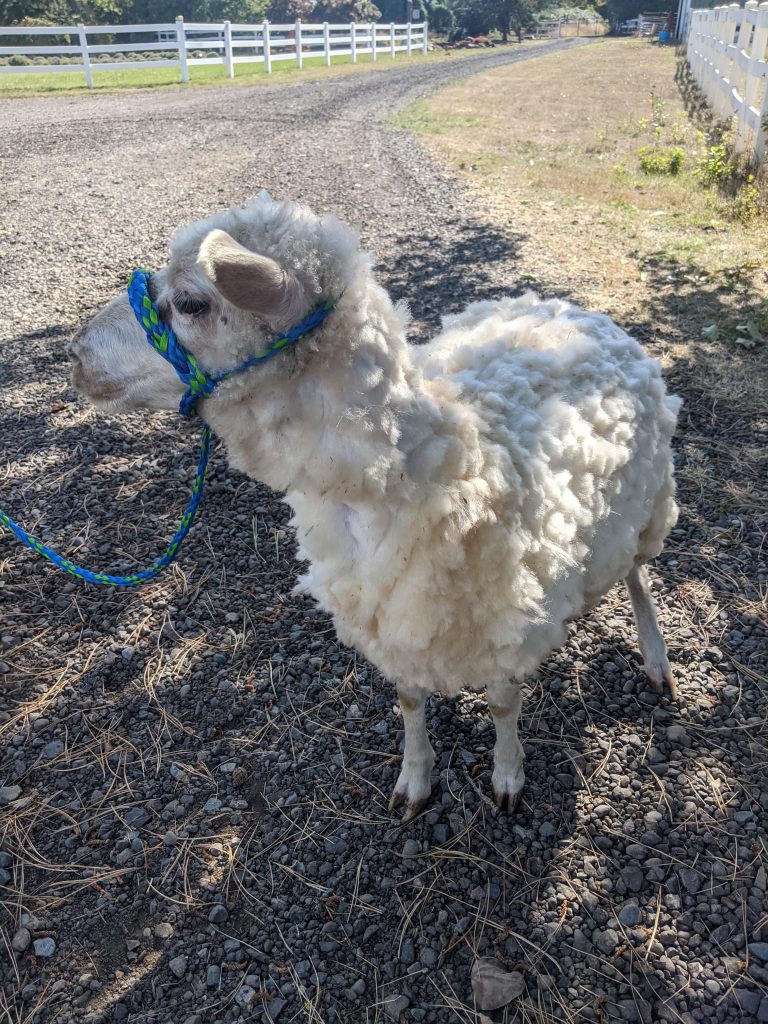
Have you ever wondered if sheep actually enjoy being sheared? It might seem like a strange question, but understanding how sheep feel about this process can change the way you see these gentle animals.
If you care about animal welfare or simply want to know what happens behind the scenes, this article is for you. Keep reading to discover surprising facts about sheep and shearing that might just change your perspective.
Sheep Wool And Its Purpose
Sheep wool is a natural fiber that grows on sheep. It helps keep them warm and safe in different weather.
Wool is important for sheep because it acts like a coat. It protects them from cold, heat, and rain.
How Wool Protects Sheep
Wool helps sheep stay warm in cold weather by trapping heat close to their skin. It also keeps them cool when it is hot outside.
The wool fibers repel water, so rain does not soak the sheep’s skin. This keeps sheep dry and healthy.
- Traps heat to keep sheep warm
- Reflects sunlight to keep sheep cool
- Repels water to keep sheep dry
Seasonal Changes And Wool Growth
Sheep grow more wool in winter to stay warm. In summer, their wool becomes lighter and shorter.
Farmers shear sheep once or twice a year. Shearing helps sheep stay cool and grow new wool.
- Wool grows thicker in cold months
- Wool thins out in warm months
- Shearing removes old wool for new growth
The Shearing Process
Shearing is the process of removing wool from sheep. It is important for the sheep’s health and wool production. This guide explains when and how sheep are sheared and the tools used.
Shearing must be done carefully to keep sheep safe and comfortable. Skilled shearers use special tools and techniques to remove wool quickly and cleanly.
When And How Sheep Are Sheared
Sheep are usually sheared once a year, in spring or early summer. This timing helps sheep stay cool in warm weather and keeps wool clean before winter.
- Shearing happens before lambing season to keep mothers clean.
- Shearers work in calm environments to reduce stress for sheep.
- Sheep are gently caught and positioned for safe shearing.
- The wool is removed in one piece, called a fleece.
Tools And Techniques Used
Shearers use manual or electric shears to cut wool close to the skin. They follow careful moves to avoid cuts or injuries.
| Tool | Description | Use |
| Hand Shears | Manual scissors made for wool cutting | Used for small jobs or delicate areas |
| Electric Shears | Powered clippers that speed up shearing | Common for large flocks and fast shearing |
| Shearing Stand | Platform to hold sheep steady | Helps shearer keep control and safety |
| Wool Press | Tool to pack wool into bales | Used after shearing for storage and transport |
Sheep Behavior During Shearing
Shearing is an important part of sheep care. It helps keep sheep cool and healthy.
Sheep show different behaviors when they are being sheared. These behaviors tell us if they feel stressed or comfortable.
Signs Of Stress Or Comfort
Sheep may feel stressed during shearing. Signs of stress include shaking, kicking, or trying to escape.
Comfort signs include calm standing, relaxed muscles, and normal breathing. These signs mean the sheep feels safe.
- Stress signs: rapid breathing, vocalizing, struggling
- Comfort signs: stillness, soft eyes, no resistance
Common Reactions Observed
Many sheep stay still during shearing. They accept the process and stay calm.
Some sheep may move or try to run. This is a natural reaction to new situations or discomfort.
- Calm sheep stand quietly
- Some sheep shake or twitch
- Occasional vocal sounds happen
- Movement or attempts to escape
Credit: www.theguardian.com
Benefits Of Shearing For Sheep
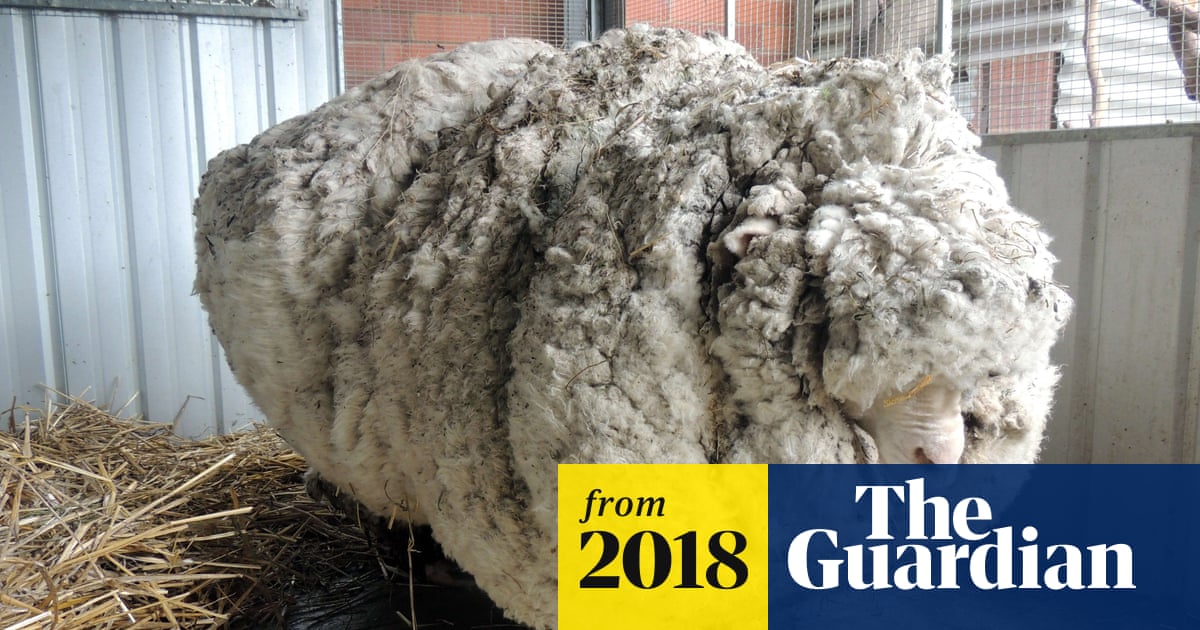
Shearing sheep means cutting off their wool. It is very important for their well-being. Many people wonder if sheep like being sheared. Sheep do not feel pain from shearing when done correctly.
Shearing helps keep sheep healthy and comfortable. It prevents problems that wool can cause if left too long. Let’s look at how shearing benefits sheep.
Health And Hygiene Improvements
Shearing removes thick wool that can trap dirt and moisture. This helps stop skin infections and diseases. Clean skin means sheep stay healthier over time.
Wool can hide wounds or parasites, making it hard to spot problems. After shearing, farmers can see the sheep’s skin clearly. They can treat any issues faster.
- Removes dirt and debris trapped in wool
- Prevents skin infections
- Allows quick checks for wounds or illness
- Improves overall cleanliness
Preventing Overheating And Parasites
Wool keeps sheep warm, but too much wool can cause overheating. Shearing helps sheep stay cool in warm weather. This stops heat stress and keeps sheep active.
Parasites like ticks and lice hide in thick wool. Shearing removes their hiding spots. This lowers parasite numbers and stops sheep from getting sick.
- Prevents heat stress during hot days
- Helps sheep regulate body temperature
- Reduces parasites living in wool
- Keeps sheep comfortable and healthy
Potential Risks And Discomforts
Shearing sheep is necessary to keep them healthy. But it can cause some risks and discomfort for the animals.
Understanding these risks helps farmers take better care of their sheep during shearing.
Injuries
Sheep can get small cuts or nicks from the shearing tools. These injuries can hurt and may get infected.
Rough handling or sudden movements can cause bruises or broken wool fibers. This adds to the sheep’s discomfort.
- Small cuts from blades
- Bruises from tight handling
- Stress from slipping or falling
Handling Stress
Sheep may feel scared or stressed during shearing. Loud noises and bright lights can increase their fear.
Stress weakens their immune system and can cause long-term health problems.
- Fear from unfamiliar sounds
- Anxiety from being held tightly
- Stress due to bright lights
How To Minimize Discomfort
Gentle handling is key to reducing sheep’s pain and fear. Calm movements help sheep relax during shearing.
Using sharp, well-maintained tools lowers the chance of cuts. Shear sheep in a quiet, shaded area to reduce stress.
- Handle sheep calmly and gently
- Use sharp, clean shearing tools
- Shear in a quiet, shaded place
- Train shearers to work quickly and carefully
Credit: www.surgesanctuary.org
Sheep Preferences And Emotions
Sheep are more than just wool producers. They have feelings and preferences.
Understanding their emotions helps farmers care for them better.
Research On Animal Sentience
Scientists study how sheep sense pain, comfort, and stress. Sheep show clear reactions to good and bad treatment.
- Sheep prefer gentle handling over rough treatment.
- They feel stress when isolated from their flock.
- Positive interactions reduce fear and improve health.
- Shearing can cause discomfort but also relief from heat.
Interpreting Sheep Responses
Watching sheep behavior shows how they feel during shearing. Body language and sounds give clues.
| Behavior | Meaning |
| Calm standing | Comfortable and relaxed |
| Struggling or moving away | Discomfort or fear |
| Vocalizing | Stress or pain |
| Resting after shearing | Relief and comfort |
Ethical Shearing Practices
Shearing is necessary for sheep health. It helps them stay cool and prevents disease. Ethical shearing means doing it with care.
Sheep feel stress and pain if shearing is done wrong. Good practices keep sheep safe and calm during shearing.
Welfare Standards In Shearing
Welfare standards protect sheep during shearing. These rules make sure sheep are treated kindly and safely.
- Use sharp blades to avoid cuts.
- Handle sheep gently to reduce fear.
- Shear in a clean and safe place.
- Check sheep for injuries after shearing.
- Give sheep rest before and after shearing.
Role Of Skilled Shepherds
Skilled shepherds know how to shear quickly and carefully. They understand sheep behavior and avoid stress.
| Skill | Benefit for Sheep |
| Calm Handling | Less fear and stress |
| Fast Shearing | Shorter shear time |
| Proper Blade Use | Fewer cuts and injuries |
| Knowledge of Sheep | Better care and safety |
Common Myths About Shearing
Many people think sheep do not like being sheared. This idea comes from misunderstandings about sheep behavior.
Shearing is a normal and healthy process for sheep. It helps them stay cool and clean.
Debunking False Beliefs
Some believe shearing hurts sheep. Actually, it does not if done right. Skilled shearers work quickly and carefully.
People also think sheep feel cold after shearing. Sheep grow wool again fast. Farmers shear in warm seasons to keep them safe.
- Shearing is not painful when done properly.
- Sheep do not feel cold for long after shearing.
- Wool grows back naturally and quickly.
What Farmers Say
Farmers say sheep stay calm during shearing. They use gentle handling to reduce stress.
Shearing helps sheep stay healthy. It prevents wool from getting dirty and heavy.
- Farmers watch sheep closely for signs of stress.
- Shearing is part of good sheep care.
- Healthy sheep grow better wool after shearing.

Credit: feltingandfiberstudio.com
Frequently Asked Questions
Do Sheep Feel Pain When Being Sheared?
Sheep usually do not feel pain during shearing if done correctly. Skilled shearers use gentle techniques to avoid cuts or injuries. Minor discomfort may occur but it is brief. Proper handling ensures the sheep’s safety and comfort throughout the process.
How Often Do Sheep Need To Be Sheared?
Sheep typically need shearing once a year, usually in spring. This timing prevents overheating in summer and allows wool regrowth before winter. Regular shearing promotes sheep health and wool quality. Overgrown wool can cause health issues and discomfort for sheep.
Why Is Shearing Important For Sheep’s Health?
Shearing prevents wool from becoming matted and heavy, reducing parasite risk. It also helps regulate body temperature, especially in warmer months. Removing excess wool improves sheep mobility and hygiene. Overall, shearing is vital for sheep well-being and comfort.
Can Sheep Get Stressed During Shearing?
Shearing can cause mild stress due to handling and restraint. However, experienced shearers minimize stress by working quickly and calmly. Sheep usually recover quickly after shearing. Proper care and gentle handling reduce anxiety and ensure a positive experience.
Conclusion
Sheep feel relief after shearing, not pain or fear. Their thick wool can make them hot and heavy. Removing it helps them stay cool and healthy. Farmers shear sheep carefully to avoid harm. This process is natural and needed each year.
So yes, sheep do like being sheared in a way. It keeps them comfortable and safe through seasons. Caring for sheep means regular shearing is important. It helps both the animal and the farmer alike.