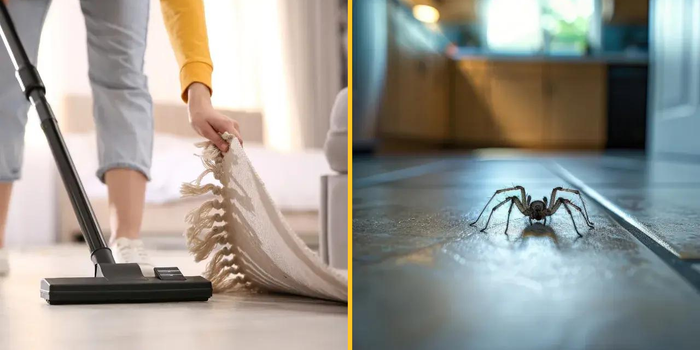
Have you ever found yourself face-to-face with a spider and reached for the vacuum as a quick solution? You’re not alone.
Many people wonder if this method truly works, or if these eight-legged intruders manage to survive the ordeal. Your curiosity about whether spiders actually die when sucked into a vacuum is a common one. Understanding what happens can help you deal with these uninvited guests more effectively.
Read on to discover the truth behind this household mystery and gain some peace of mind the next time you encounter a spider in your home.
Credit: www.hooverdirect.co.uk
Spider Behavior And Vacuum Cleaners
Understanding how spiders behave around vacuum cleaners can help you decide if this is the right way to deal with them in your home. Spiders have unique survival instincts that influence their reactions to sudden threats like the noise and suction of a vacuum. Knowing these behaviors can make your approach more effective and less stressful for both you and the spider.
How Spiders React To Vacuums
Spiders don’t simply freeze when a vacuum starts running. Many species sense vibrations and air movement, which triggers their fight-or-flight response. Often, they try to flee quickly, using their speed to escape the vacuum’s reach.
Sometimes, spiders will drop to the floor or cling tightly to surfaces to avoid being sucked in. This behavior shows they are actively trying to survive, not passively waiting to be vacuumed. Have you ever noticed a spider suddenly vanish when you turn on the vacuum? That’s their quick escape in action.
Common Myths About Spiders And Vacuums
- Myth:Spiders always die instantly when vacuumed.
- Fact:Many spiders survive the vacuum and crawl out later, sometimes even returning to the same spot.
- Myth:Vacuums are the most humane way to remove spiders.
- Fact:Vacuuming can cause injury to spiders, but it often doesn’t kill them immediately. Some people prefer capturing and releasing spiders outside to avoid harm.
- Myth:Spiders are attracted to or drawn into vacuums.
- Fact:Spiders try to avoid vacuums due to the loud noise and air disturbance. They are not attracted but rather repelled by the vacuum’s presence.
Have you ever wondered why some spiders seem to disappear mysteriously after you vacuum? It’s not magic—they’re simply using their natural instincts. Understanding this can help you choose better ways to manage spiders in your space.
What Happens Inside A Vacuum
Ever wondered what really happens when a spider gets sucked up by your vacuum cleaner? It’s more than just a quick disappearance. The vacuum creates a harsh environment that can be deadly or sometimes surprisingly survivable for spiders. Understanding this can change how you deal with these eight-legged intruders in your home.
Vacuum Suction And Spider Survival
The force of vacuum suction pulls spiders into the hose and bag or container. This suction can be strong enough to cause physical damage, like broken legs or crushed bodies. However, some spiders can survive if the suction isn’t too intense or if they are caught in a part of the vacuum where airflow is weaker.
Survival often depends on the spider’s size and species. Smaller spiders might get trapped in dust or debris and avoid direct harm. Have you ever noticed a spider still moving after you emptied your vacuum? That’s a clear sign suction alone doesn’t guarantee death.
Impact Of Vacuum Design On Spiders
Not all vacuums are created equal when it comes to spider survival. Bagless models with hard containers often trap spiders alive, while bagged vacuums might crush them inside the bag. The design of the vacuum’s airflow path also matters—tight bends and filters can slow down debris, giving spiders a chance to cling on.
Some vacuums include strong filters or cyclonic action that can increase the chance of killing spiders quickly. If your goal is to remove spiders without them surviving, consider how your vacuum’s design affects airflow and containment. Have you thought about whether your vacuum is helping spiders survive instead of eliminating them?
Scientific Studies On Spiders And Vacuums
Scientific studies on spiders and vacuums reveal surprising insights about spider survival in extreme conditions. Researchers have conducted various experiments to see how spiders react when sucked into a vacuum cleaner. Understanding these results can help you decide how effective vacuuming really is for pest control.
Experiments On Spider Survival Rates
Scientists have tested different spider species by placing them inside vacuum chambers or using household vacuums. Some spiders survived the initial suction but died shortly after due to injury or stress. Others did not survive the vacuum process at all.
One study showed that smaller spiders tend to survive better than larger ones. The force inside a vacuum varies, and this influences survival rates significantly. These experiments suggest that vacuums might not guarantee immediate spider death but can effectively remove them from your home.
Factors Influencing Spider Mortality
The outcome depends on several key factors:
- Vacuum power:Higher suction strength increases the chances of spider mortality.
- Spider size:Larger spiders are more vulnerable to fatal injuries in the vacuum.
- Vacuum duration:Longer exposure means greater risk of death.
- Spider species:Some species are tougher and can survive more trauma.
Have you ever wondered if a quick vacuum session really kills the spider or just relocates it? These factors highlight why vacuuming can be part of your pest control strategy but may not be foolproof. Knowing this can help you adjust your approach for better results.
Alternatives To Vacuuming Spiders
Vacuuming spiders often leads to their death, which many find uncomfortable. There are kinder ways to handle these eight-legged visitors. These alternatives keep spiders safe while removing them from your space.
Humane Removal Techniques
Use a glass jar and a stiff piece of paper to trap the spider. Gently slide the paper under the jar to lift the spider without harm. Take it outside and release it far from your home.
Another way is to use a spider catcher tool. These tools have soft bristles or traps to hold the spider safely. They allow you to catch and release spiders without touching them.
Try guiding spiders onto a piece of paper and carrying them out. This method works well for smaller spiders and is quick to do.
Preventing Spider Infestations
Keep your home clean to reduce spider hiding spots. Vacuum corners, baseboards, and under furniture regularly. Remove webs and egg sacs as soon as you see them.
Seal cracks and gaps around windows and doors. This stops spiders from entering your home. Use weather stripping or caulk for best results.
Reduce outdoor lighting or use yellow bulbs. Bright lights attract insects, which in turn attract spiders. Keeping insects away lowers spider visits.
Store firewood and debris away from your house. These places often serve as spider homes and breeding grounds.
Safety Tips When Using Vacuums Around Spiders
Using a vacuum around spiders requires care. Vacuums can harm spiders and sometimes cause mess. Taking safety steps protects you, your family, and your home. It also helps handle spiders without causing them harm. Below are some important tips to follow.
Protecting Yourself And Your Home
- Wear gloves to avoid spider bites.
- Keep vacuum bags or canisters sealed tightly.
- Empty the vacuum outside to prevent spider escape.
- Check for spider webs around vents and corners before vacuuming.
- Use a vacuum with strong suction to capture spiders quickly.
- Clean the vacuum filter regularly to maintain power.
Handling Spiders Without Harm
- Use a glass and paper to trap spiders gently.
- Release spiders outside away from your home.
- Consider using a spider catcher tool for safe removal.
- Avoid crushing spiders to prevent mess and stains.
- Keep calm to handle spiders carefully and avoid panic.
- Teach children safe ways to deal with spiders.

Credit: www.gbnews.com

Credit: geekvacuums.com
Frequently Asked Questions
Do Spiders Die Instantly In A Vacuum Cleaner?
Spiders may not die instantly in a vacuum. The suction can injure or kill some, but others survive the process. Survival depends on vacuum power and spider size.
Can Spiders Survive Being Sucked Into A Vacuum?
Yes, some spiders can survive being sucked into a vacuum. They may endure the suction and remain alive inside the vacuum bag or container.
How Can I Safely Remove Spiders Without Killing Them?
Use a jar and paper to trap and release spiders outdoors. Avoid vacuuming if you want to keep them alive and unharmed.
Does Vacuuming Affect Spider Behavior In Your Home?
Vacuuming may disturb spiders, causing them to hide or relocate. It does not eliminate spider presence but helps control their numbers temporarily.
Conclusion
Vacuuming spiders often harms or kills them quickly. Their fragile bodies cannot handle strong suction. Some spiders might survive but usually not for long. Using a vacuum may not be the best way to remove spiders. Consider safer ways to handle spiders without causing harm.
Understanding their behavior helps reduce fear and avoid unnecessary killing. Spiders play an important role in controlling insects at home. Treat them gently when possible. Safe removal keeps both you and the spider safe.