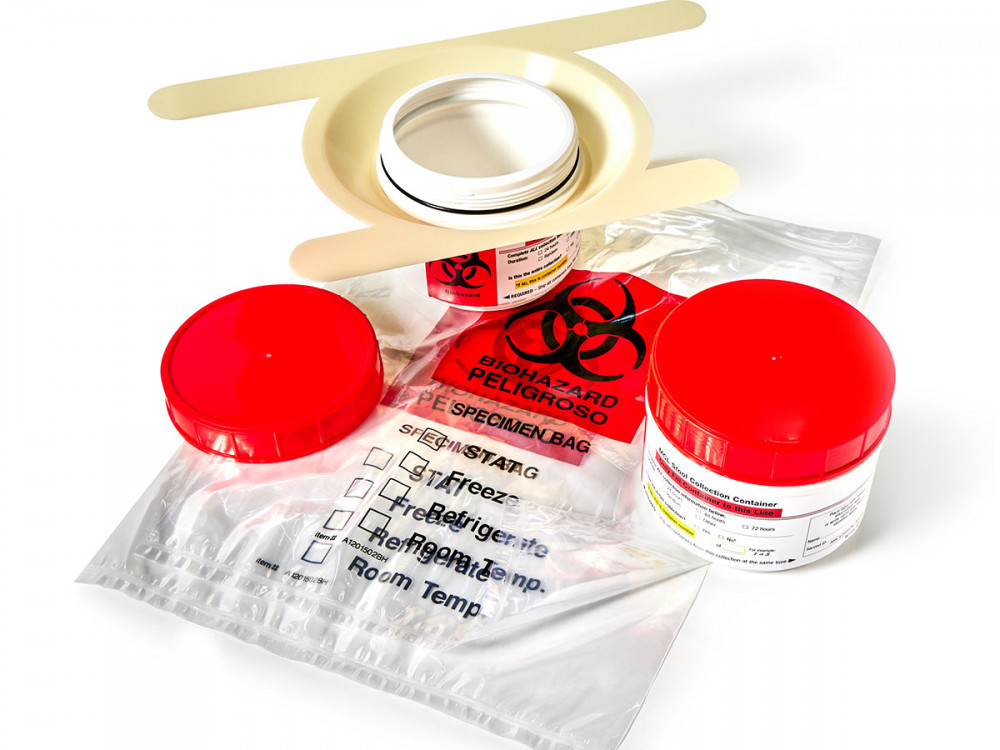
Have you ever been handed a small container at the doctor’s office and wondered what to do with it next? If you’re asked to collect a stool sample, you’re not alone in wondering about its storage.
Does it really need to be refrigerated, or can you leave it on the counter until your next appointment? These questions might seem trivial, but handling your sample correctly is crucial for accurate results. We unravel the mystery around stool sample storage and tell you exactly what to do to ensure your results are spot-on.
Stick with us to discover the essential steps that will ease your mind and help you avoid common pitfalls.
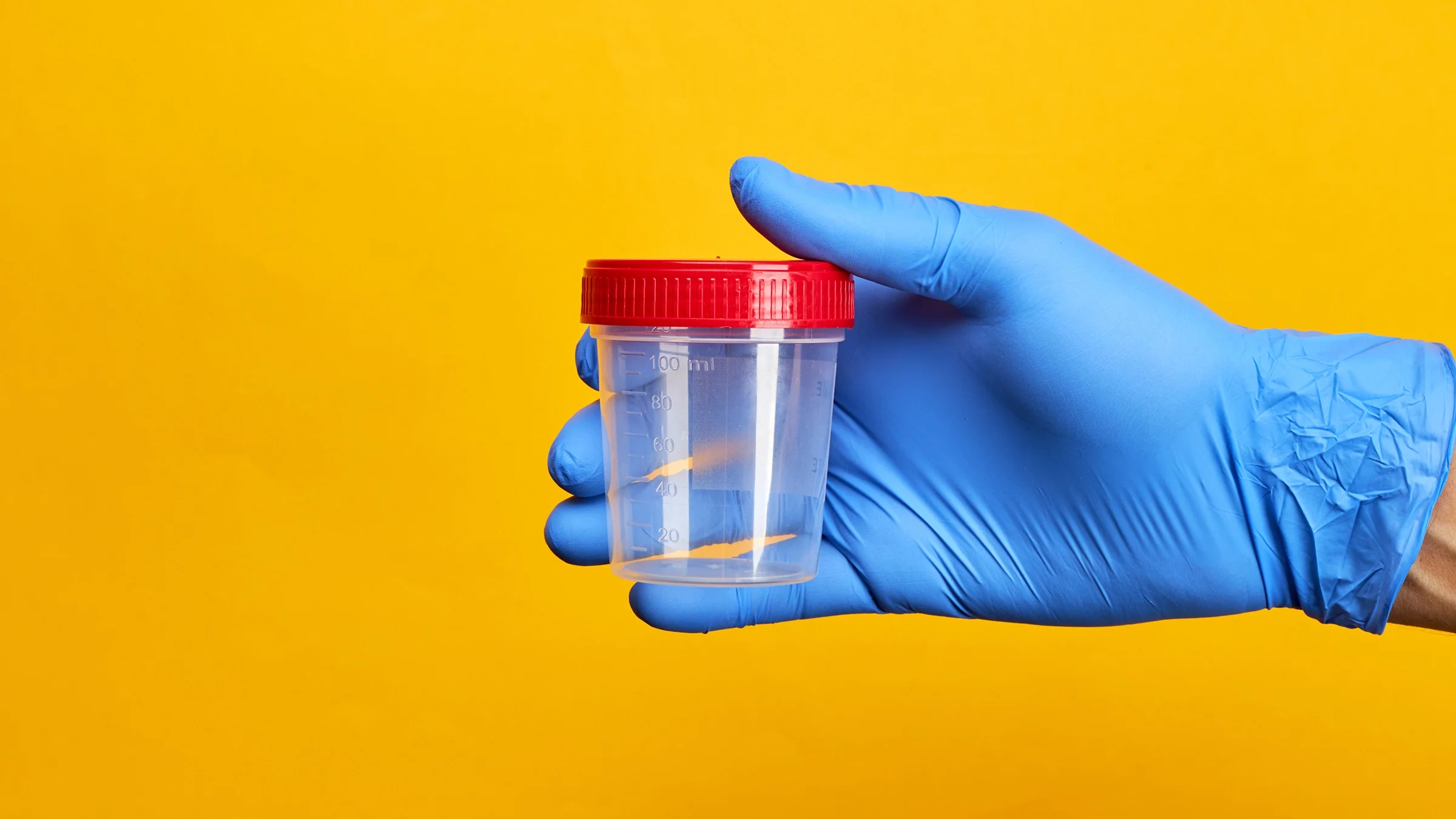
Credit: www.goodrx.com
Why Stool Sample Storage Matters
Proper storage of stool samples is crucial for accurate test results. If you mishandle the sample, it can change the bacteria or substances inside, leading to misleading outcomes. Understanding why storage matters helps you avoid mistakes that could affect your diagnosis.
Preserving Sample Integrity
Stool samples contain live bacteria, parasites, and other biological markers that labs analyze. If the sample isn’t stored correctly, these elements can degrade or multiply, distorting test findings. Imagine a sample left at room temperature for hours—harmful bacteria might grow, or some indicators might break down, giving false results.
Impact On Diagnosis And Treatment
Incorrect storage can delay diagnosis or lead to wrong treatment plans. You might spend extra time and money repeating tests. Have you ever thought how a simple error like not refrigerating a sample could influence your doctor’s decisions?
Guidelines For Safe Storage
- Store the sample in a clean, airtight container to avoid contamination.
- Keep it refrigerated if instructed, usually between 2°C and 8°C.
- Deliver the sample to the lab as soon as possible, ideally within 24 hours.
Following these steps can save you from the hassle of retesting and ensure your healthcare provider gets reliable information. How confident are you that your next stool sample will be stored properly?
When To Refrigerate Stool Samples
Knowing when to refrigerate stool samples is important for accurate test results. Different tests require specific storage conditions. Proper storage helps preserve the sample’s quality. It prevents bacteria from growing or dying before analysis.
Refrigeration slows down changes in the sample. It keeps bacteria and other elements stable. This ensures doctors get clear and reliable information.
Samples For Bacterial Culture Tests
Bacterial culture tests need fresh stool samples. Refrigerate these samples if there is a delay before delivery. Keep them cool to stop bacteria from multiplying too much. This helps lab results stay accurate and clear.
Samples For Parasite Or Worm Tests
Parasite tests often require refrigeration. Parasites can change or die quickly at room temperature. Cooling the sample preserves their shape and activity. This helps lab technicians identify them correctly.
Samples For Chemical Or Blood Tests
Some tests check for blood or chemicals in stool. These samples may or may not need refrigeration. Follow the instructions given by your healthcare provider. Proper storage keeps test results trustworthy.
When Immediate Delivery Is Possible
If you can deliver the stool sample quickly, refrigeration might not be needed. Samples tested within a few hours stay stable at room temperature. Fast delivery helps avoid extra steps in storage.
Situations That Don’t Require Refrigeration
Not every stool sample needs to be refrigerated. Knowing when refrigeration is unnecessary can save you time and help you handle samples correctly. This is especially useful if you are collecting a sample at home or in a clinic with limited refrigeration options.
Samples Tested Immediately
If your stool sample is going to be tested right away—usually within an hour—refrigeration isn’t necessary. Labs often prefer fresh samples to get the most accurate results. Keeping the sample at room temperature for a short time won’t affect the test outcomes.
Tests That Don’t Require Live Organisms
Certain tests look for substances like blood, fat, or chemical markers instead of live bacteria or parasites. These samples can stay at room temperature because the elements being tested are stable. For instance, a fecal occult blood test typically doesn’t require refrigeration.
Use Of Preservative Containers
Sometimes, stool samples come in containers with preservatives. These chemicals keep the sample stable and prevent bacterial growth. If your sample is collected in such a container, refrigeration is usually not needed.
Short Transport Time To Lab
If you can deliver the sample to the lab within a few hours, refrigeration might be unnecessary. Quick transport keeps the sample fresh enough for accurate testing. This is practical if you live close to the testing facility or have a reliable courier service.
Have you ever wondered why some samples spoil quickly while others stay fine? It often depends on what the test requires and how soon the sample reaches the lab. Understanding this can help you avoid mistakes that might lead to retesting.
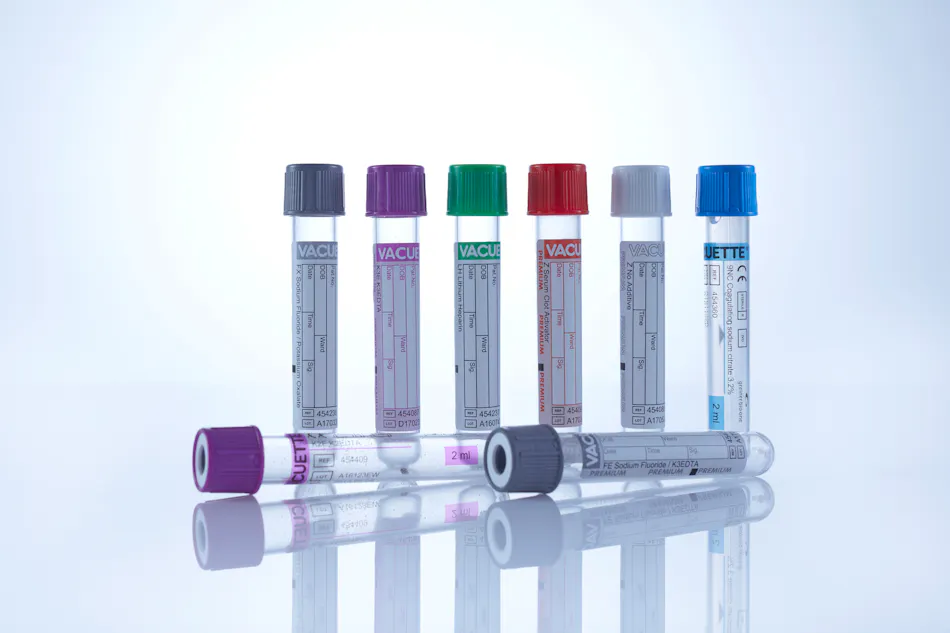
Credit: www.mlo-online.com
How Refrigeration Affects Test Results
Refrigeration plays a key role in preserving stool samples for accurate lab tests. Without proper cooling, the sample can change quickly. This impacts the reliability of test results.
Stool contains bacteria and other substances that can multiply or break down at room temperature. Refrigerating the sample slows this process. It keeps the sample closer to its original state.
Preserving Bacterial Balance
Some tests check for harmful or helpful bacteria in stool. Bacteria multiply fast if the sample is warm. This can cause false results. Cooling the sample slows bacterial growth and keeps the balance steady.
Preventing Breakdown Of Substances
Certain chemicals and cells in stool break down quickly. Enzymes and other elements can degrade at room temperature. Refrigeration helps keep these substances intact. This ensures tests detect the right compounds.
Reducing Contamination Risks
Warm conditions can encourage unwanted bacteria to grow. This changes the sample’s makeup. Refrigeration lowers the chance of contamination. It helps labs analyze the correct sample contents.
Impact On Test Timing
Tests must be done within a certain time after collection. Cooling extends this window. It allows more time for safe transport and analysis. This helps get accurate results even if the sample is delayed.
Best Practices For Collecting Stool Samples
Collecting a stool sample might seem straightforward, but doing it correctly makes a big difference in getting accurate test results. You want to avoid mistakes that could lead to contamination or spoilage. Paying attention to simple details can save you from repeating the process or facing delays in diagnosis.
Proper Collection Techniques
Use a clean, dry container designed for stool samples. Avoid using toilet water or toilet paper directly in the sample. Instead, catch the stool in a plastic wrap or a clean container placed in the toilet bowl to prevent contamination.
Try to collect the sample fresh and avoid touching it with your hands. If you accidentally do, wash your hands thoroughly before continuing. Collect the amount recommended by your healthcare provider, usually about the size of a walnut.
Have you ever wondered why some samples have to be collected at home and others at the clinic? It often depends on how quickly the sample needs to be analyzed.
Avoiding Contamination
Contamination can ruin your stool sample and lead to incorrect results. Don’t let urine, water, or toilet paper mix with your sample. These substances can interfere with testing and make it hard for labs to detect infections or other issues.
Seal the container tightly after collection to prevent leaks. Label it clearly with your name, date, and time of collection. This simple step helps prevent mix-ups in the lab and ensures your results are accurate.
Think about how small contamination can affect outcomes—would you want your test to reflect someone else’s sample or be thrown out? Taking care to avoid contamination helps you and your healthcare provider get reliable information quickly.
Transporting Stool Samples Safely
Transporting stool samples safely is essential for accurate test results. Samples can change if not handled correctly. Proper transport preserves the sample’s quality and helps avoid contamination.
Use a clean, leak-proof container to collect the stool. The container must be tightly sealed to prevent spills and odors. Label the container clearly with the patient’s name and date of collection.
Keep the sample away from direct sunlight and heat. A cool, shaded place is ideal during transport. Avoid exposure to extreme temperatures, which can affect test accuracy.
Use Of Insulated Containers
Insulated containers help maintain a stable temperature. They protect the sample from heat and cold changes. Use ice packs if the sample needs to stay cool but avoid direct contact with the stool container.
Timing Of Transport
Transport the stool sample as soon as possible. Delays can lead to sample degradation. Most labs prefer samples within two hours of collection.
Following Lab Instructions
Always follow specific lab instructions for sample transport. Some tests require refrigeration, others do not. Check packaging or contact the lab for guidance.
Common Mistakes To Avoid
Storing stool samples correctly is key for accurate test results. Many people make simple mistakes that can ruin the sample. Avoiding these errors helps ensure the lab can analyze the sample properly. Here are common mistakes to avoid when handling stool samples.
Not Refrigerating When Required
Some stool samples need refrigeration to stay fresh. Leaving them at room temperature can cause bacteria to grow. This changes the sample’s makeup and can lead to wrong results. Always check the instructions about refrigeration.
Using The Wrong Container
Using containers not meant for stool samples can cause leaks or contamination. Only use the container provided by the healthcare provider. It is designed to keep the sample safe and uncontaminated.
Delaying Sample Delivery
Taking too long to deliver the sample to the lab can harm its quality. Bacteria and enzymes can break down the sample over time. Try to deliver the sample as soon as possible after collection.
Touching The Inside Of The Container
Touching the inside of the container or lid can introduce germs. These germs can affect the test results. Handle the container carefully by the outside only.
Collecting Urine Or Water In The Sample
Mixing stool with urine or water can dilute the sample. This makes it hard for the lab to analyze. Collect the stool separately and avoid contact with any liquids.

Credit: www.mayocliniclabs.com
Frequently Asked Questions
Do Stool Samples Need Refrigeration Before Testing?
Yes, most stool samples require refrigeration to preserve bacteria and prevent spoilage. Refrigerating keeps the sample stable for accurate test results.
How Long Can Stool Samples Stay Unrefrigerated?
Stool samples should not remain unrefrigerated for more than two hours. Beyond that, bacteria can multiply and affect test accuracy.
What If I Forget To Refrigerate The Stool Sample?
If unrefrigerated, notify your healthcare provider immediately. They may ask for a new sample to ensure reliable results.
Can Stool Samples Be Frozen Instead Of Refrigerated?
Freezing stool samples is generally not recommended unless specified. Freezing can damage cells and affect laboratory analysis.
Conclusion
Stool samples often need quick care to stay accurate. Keeping them cool can slow bacteria growth and keep results true. Always follow your healthcare provider’s advice on storage. Not refrigerating samples might change test results. Proper handling helps doctors find the right treatment fast.
Remember, clean containers and timely delivery matter too. Taking these steps ensures your health tests work well. Simple actions make a big difference in health checks.