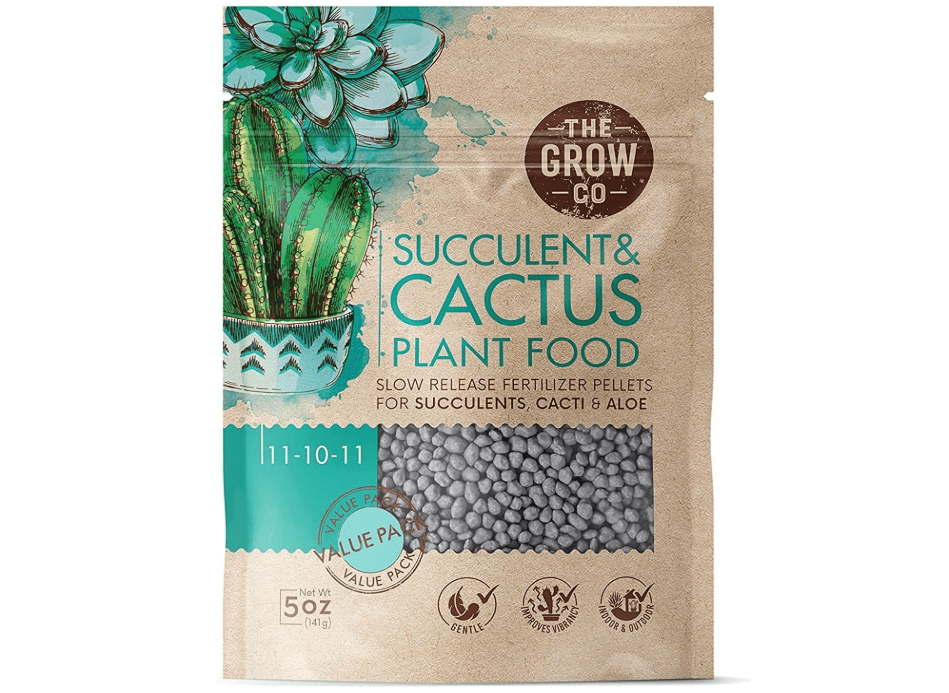
Are you wondering if your succulents really need plant food to thrive? You might think these hardy plants can survive on little care, but feeding them the right way can make a big difference.
Imagine your succulents growing fuller, healthier, and more vibrant just by giving them the nutrients they crave. You’ll discover exactly when and how to feed your succulents, so you can help them reach their full potential without any guesswork. Keep reading to unlock the secrets that will make your plants flourish like never before.
Why Succulents Need Nutrients
Succulents store water in their leaves and stems. They need nutrients to grow strong and stay healthy.
Even if they use little water, succulents still rely on nutrients from soil and plant food.
Role Of Nutrients In Succulent Health
Nutrients help succulents build tissues and fight diseases. They keep plants green and growing well.
- Nitrogen supports leaf and stem growth.
- Phosphorus helps roots develop.
- Potassium improves water retention and stress resistance.
- Calcium strengthens cell walls.
- Magnesium aids photosynthesis.
- Trace minerals support overall plant functions.
Signs Of Nutrient Deficiency
Succulents show clear signs when they lack nutrients. These signs help you know when to feed them.
| Deficiency | Symptoms |
| Nitrogen | Yellowing leaves and slow growth |
| Phosphorus | Dark or purple leaves, weak roots |
| Potassium | Leaf edges turn brown, weak stems |
| Calcium | Deformed new growth, brown spots |
| Magnesium | Yellowing between leaf veins |

Credit: treecarezone.com
Types Of Plant Food For Succulents
Succulents are hardy plants that thrive with minimal care. They still benefit from plant food to grow healthy and strong.
Different types of fertilizers can provide necessary nutrients. Let’s explore the options for feeding succulents.
Organic Fertilizers
Organic fertilizers come from natural sources. They are gentle and improve soil quality over time.
Common organic options include compost, worm castings, and fish emulsion. These provide nutrients without chemicals.
- Compost enriches soil with nutrients
- Worm castings improve soil structure
- Fish emulsion boosts plant growth
Synthetic Fertilizers
Synthetic fertilizers are man-made. They deliver nutrients quickly to plants. These are often available in liquid or granular forms.
They provide a balanced mix of nitrogen, phosphorus, and potassium. Use them carefully to avoid over-fertilizing.
- Liquid forms are easy to apply
- Granular types release nutrients slowly
- Check labels for correct ratios
Slow-release Options
Slow-release fertilizers provide nutrients over time. They are convenient and reduce the need for frequent feeding.
These fertilizers come in pellet or capsule form. They gradually release nutrients as they break down in the soil.
- Easy to use, just mix with soil
- Lasts for several months
- Reduces risk of nutrient burn
How To Choose The Right Fertilizer
Succulents need the right fertilizer to grow healthy and strong. Choosing the right plant food helps them get the nutrients they need.
Not all fertilizers work well for succulents. Knowing what to look for makes feeding your plants easier.
Npk Ratios Explained
NPK stands for nitrogen, phosphorus, and potassium. These three numbers show the nutrient amounts in fertilizer.
Nitrogen helps leaves grow. Phosphorus supports roots and flowers. Potassium keeps the plant healthy overall.
- Look for low nitrogen to avoid leggy succulents
- Phosphorus helps strong root systems
- Potassium improves resistance to disease
Considering Succulent Species
Different succulents need different nutrients. Some need more phosphorus for blooming, others less nitrogen.
Research your succulent type to pick fertilizer that matches its needs. This helps prevent overfeeding or nutrient loss.
- Cacti often need low nitrogen and moderate phosphorus
- Flowering succulents benefit from higher phosphorus
- Leafy succulents may need balanced nutrients
Soil And Environmental Factors
Soil quality affects how plants absorb fertilizer. Sandy soil drains fast and may need more feeding.
Light and temperature also change nutrient needs. Succulents in bright light may use more nutrients.
- Use well-draining soil to avoid fertilizer buildup
- Feed less in low light or cool temperatures
- Adjust fertilizer based on soil type and plant health

Credit: treecarezone.com
When And How To Feed Succulents
Succulents are low-maintenance plants that need nutrients to grow strong. Feeding them at the right time helps keep them healthy. Giving plant food too often can harm succulents.
Knowing when and how to feed succulents ensures they get the right care. Use gentle feeding methods to avoid damage and promote growth.
Best Feeding Schedule
Feed succulents during their active growing season. Most succulents grow in spring and summer. Avoid feeding in winter when plants rest.
- Feed once a month in spring and summer
- Use a diluted fertilizer to avoid burning roots
- Skip feeding in fall and winter
Proper Application Techniques
Apply fertilizer carefully to avoid harming your succulent. Use water-soluble food diluted to half strength. Pour it around the base of the plant, not on the leaves.
| Method | How to Apply | Notes |
| Liquid Fertilizer | Dilute to half strength and water soil | Best for quick nutrient absorption |
| Slow-Release Fertilizer | Mix granules into soil surface | Feeds plants over several months |
| Foliar Feeding | Spray diluted fertilizer on leaves | Use sparingly to avoid leaf burn |
Avoiding Overfeeding
Too much fertilizer can damage succulents. Signs of overfeeding include yellow leaves and weak stems. Feed sparingly and watch your plants closely.
- Do not feed more than once a month
- Always dilute fertilizer to reduce strength
- Stop feeding if leaves turn yellow or brown
- Flush soil with water to remove excess fertilizer
Alternative Nutrient Sources
Succulents do not need much plant food. They grow well with natural nutrient sources.
Using alternative nutrient sources helps keep succulents healthy without strong fertilizers.
Compost And Mulch
Compost adds organic matter and nutrients to the soil. It improves soil texture and water retention.
Mulch helps keep soil moist and cool. It also breaks down slowly, adding nutrients over time.
- Use well-rotted compost around succulents
- Apply thin mulch layers to avoid excess moisture
- Choose organic mulch like bark or straw
Homemade Fertilizer Recipes
Homemade fertilizers use simple ingredients to feed succulents gently. They avoid chemical overload.
Try these easy recipes to nourish your plants safely.
- Banana peel tea: Soak peels in water for 2 days, then water plants
- Eggshell powder: Dry and crush eggshells, then sprinkle on soil
- Used coffee grounds: Mix a small amount into the soil for nitrogen
Common Feeding Mistakes To Avoid
Succulents need food, but feeding them wrong can harm their growth. Knowing what to avoid helps keep them healthy.
This guide covers common feeding mistakes and how to prevent them for your succulents.
Overfertilizing Risks
Giving too much fertilizer can burn succulent roots. It causes leaf drop and weak growth. Succulents need less food than other plants.
- Use fertilizer at half the recommended strength.
- Feed only during active growth in spring and summer.
- Water the plant before applying fertilizer.
- Stop feeding in fall and winter.
Using The Wrong Fertilizer
Succulents need a balanced fertilizer with low nitrogen. Too much nitrogen causes soft, weak leaves. High phosphorus and potassium help roots and flowers.
| Fertilizer Type | Effect on Succulents |
| High Nitrogen | Causes soft leaves and fast growth |
| Balanced (Low Nitrogen) | Supports healthy, strong plants |
| High Phosphorus and Potassium | Improves roots and blooms |
Ignoring Seasonal Needs
Succulents grow slowly or stop in winter. Feeding them then wastes fertilizer and may harm the plant. Feed only in growing seasons to support health.
- Feed in spring and summer only.
- Skip feeding in fall and winter.
- Adjust feeding frequency based on plant growth.
Boosting Succulent Growth Naturally
Succulents are easy to grow and need little care. Giving them the right food helps them grow strong and healthy.
Plant food is not always needed, but good care helps succulents thrive. Here are ways to boost growth naturally.
Optimal Light Conditions
Succulents need bright light to grow well. Too little light makes them weak and stretched out.
Place succulents near windows with plenty of sunlight. Morning sun is best because it is gentle.
- Use south or east-facing windows
- Avoid direct afternoon sun in hot climates
- Use grow lights if natural light is low
Proper Watering Practices
Succulents store water in their leaves. They need less water than other plants.
Water succulents only when the soil is dry. Too much water causes root rot and harms the plant.
- Check soil moisture before watering
- Water deeply but infrequently
- Use pots with drainage holes
Maintaining Suitable Soil
Succulents need soil that drains water quickly. Heavy soil keeps water too long and can hurt roots.
Use soil mixed with sand or perlite. This helps air reach the roots and prevents water buildup.
- Choose cactus or succulent potting mix
- Add sand or perlite to improve drainage
- Repot every 1-2 years to refresh soil
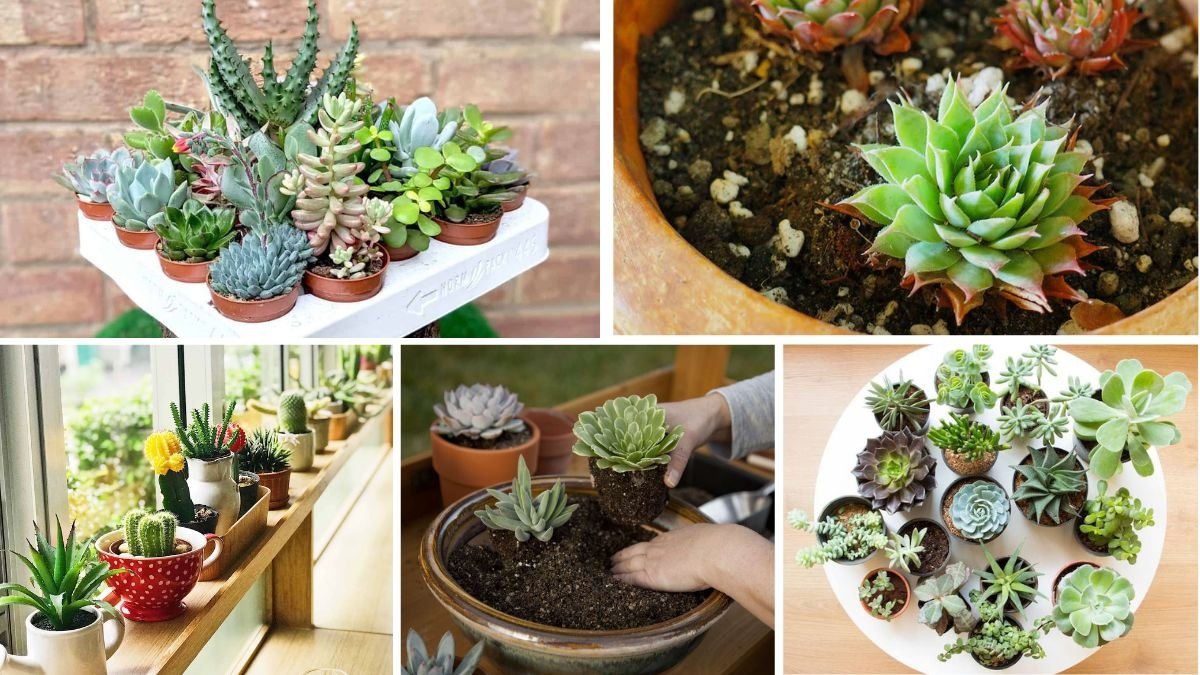
Credit: yadavindragardens.com
Frequently Asked Questions
Do Succulents Require Special Plant Food?
Succulents benefit from plant food but need a balanced, diluted fertilizer. Use low-nitrogen fertilizers to avoid overfeeding. Feeding 2-3 times during the growing season promotes healthy growth.
How Often Should I Feed Succulents?
Feed succulents every 4-6 weeks during spring and summer. Avoid fertilizing in winter when growth slows. Overfeeding can harm succulents, so less is more.
What Type Of Fertilizer Is Best For Succulents?
Choose a balanced, water-soluble fertilizer with low nitrogen. A 10-10-10 or 20-20-20 formula diluted to half strength works well. Organic fertilizers also support succulent health effectively.
Can Succulents Survive Without Plant Food?
Yes, succulents can survive without fertilizer but may grow slower. Nutrients from soil provide basic needs. Fertilizing enhances growth and appearance but isn’t mandatory.
Conclusion
Succulents do benefit from plant food but only sometimes. They need less fertilizer than many other plants. Feeding them during growth seasons helps keep them healthy. Overfeeding can harm these hardy plants. Use a balanced, diluted fertilizer for best results.
Watch your succulents for signs of need. Healthy leaves and steady growth show good care. Remember, water and light are just as important. Simple care goes a long way with succulents. Keep it easy and enjoy your green friends.