Have you noticed strange webs hanging from your trees and wondered if those pesky tent caterpillars could be harming your green friends? You’re not alone.
Many people worry about whether these insects can actually kill trees or just cause harmless damage. Understanding what tent caterpillars do to your trees is key to protecting your yard and keeping your trees healthy. Keep reading to discover the truth about tent caterpillars and learn how to safeguard your trees before it’s too late.
Tent Caterpillar Behavior
Tent caterpillars are interesting insects that people often find in their gardens. These caterpillars can have both positive and negative effects on trees.
Understanding their behavior helps us know how they impact the environment. Let’s explore their life cycle, feeding patterns, and nest building habits.
Life Cycle And Habits
Tent caterpillars go through several stages in their life. They start as eggs and hatch into caterpillars in the spring.
As they grow, they molt several times. After that, they become moths and lay eggs for the next generation.
- Eggs hatch in spring
- Caterpillars grow and molt
- Transform into moths
- Lay eggs for new cycle
Feeding Patterns
Tent caterpillars feed on the leaves of trees. They prefer certain types of trees, such as cherry and apple trees.
Feeding can cause significant leaf loss. This can weaken the tree if it happens repeatedly over several years.
- Feed on tree leaves
- Prefer cherry and apple trees
- Leaf loss can weaken trees
Nest Building
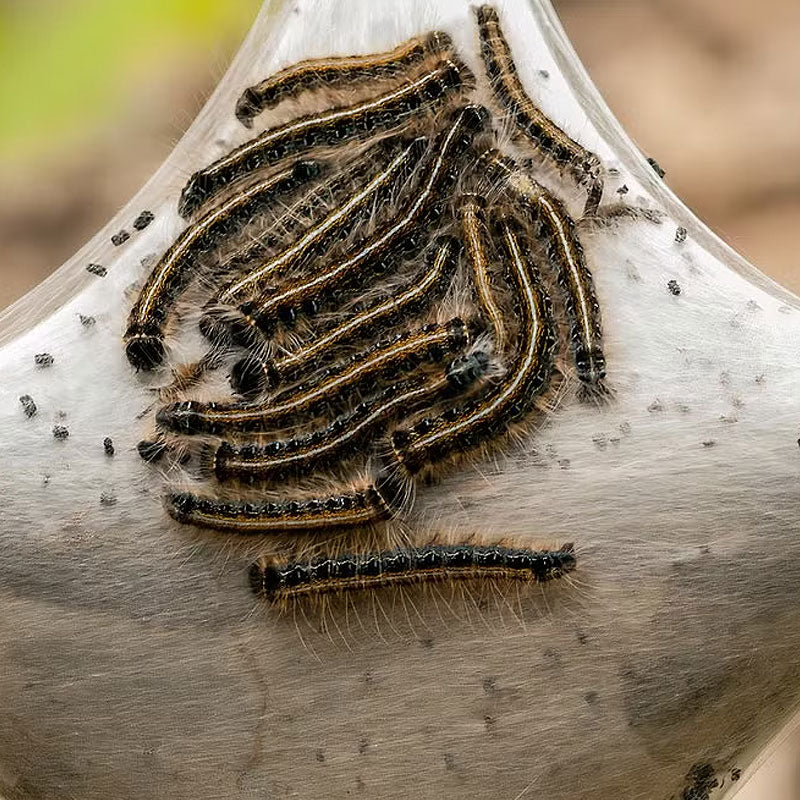
Tent caterpillars create silk nests in the branches of trees. These nests are used for protection and are often found in groups.
The nests are easy to spot because they look like large webs. They help caterpillars stay safe from predators and harsh weather.
- Build silk nests in tree branches
- Nests look like large webs
- Provide protection from predators

Credit: www.pubs.ext.vt.edu
Impact On Trees
Tent caterpillars feed on tree leaves in large groups. Their feeding can change how a tree grows and survives. Understanding the effects helps protect trees from damage.
These caterpillars mostly target deciduous trees. Their presence can cause visible changes in the tree’s health and appearance.
Defoliation Effects
Tent caterpillars eat many leaves quickly. This causes defoliation or leaf loss on the tree. Without enough leaves, the tree cannot make enough food.
- Leaves turn brown and fall off early.
- Tree loses its green color.
- Growth slows down due to less energy.
- Branches may weaken from stress.
Tree Recovery Process
Trees can often recover after caterpillar attacks. They grow new leaves to replace the lost ones. This process needs water, sunlight, and nutrients.
Recovery speed depends on tree type and health. Young and strong trees bounce back faster. Trees with less stress recover slowly or weakly.
Long-term Damage Risks
Repeated defoliation can weaken trees over years. This makes them more prone to diseases and pests. It also reduces their growth and fruit production.
| Risk | Description |
|---|---|
| Weakened Structure | Branches become brittle and may break easily. |
| Reduced Growth | Tree height and width growth slow down significantly. |
| Increased Pest Attacks | Stress makes trees vulnerable to other insects and fungi. |
| Lower Fruit Yield | Fruit trees produce fewer and smaller fruits. |
Signs Of Infestation
Tent caterpillars can harm trees by feeding on their leaves. Early signs help stop damage. Look closely at your trees to catch infestations early.
Knowing what to watch for can save your trees. Here are key signs to identify tent caterpillar problems.
Visible Damage
Tent caterpillars eat leaves, causing trees to lose foliage. Affected trees look bare and stressed. New leaves may grow slowly or not at all.
- Leaves appear chewed or ragged
- Branches look thin and weak
- Tree canopy looks sparse or patchy
- Early leaf drop in spring or summer
Identifying Nests
Tent caterpillars build silk tents in tree branches. These nests protect the caterpillars from predators and weather.
| Nest Feature | Description |
|---|---|
| Location | Forks of tree branches |
| Appearance | White or gray silk webbing |
| Size | Varies from small to large clusters |
| Presence | Often visible early in spring |
Timing Of Outbreaks
Tent caterpillar outbreaks happen in spring. Caterpillars hatch and feed before trees fully leaf out.
- Caterpillars hatch in early spring
- They build nests within days
- Feeding lasts for several weeks
- Moths emerge in early summer
- Cycle repeats yearly if not controlled
Natural Controls
Tent caterpillars can damage trees, but they rarely kill them. Nature has many ways to keep caterpillar numbers low.
Understanding natural controls helps protect trees without using chemicals. Predators and environmental factors play big roles.
Predators And Parasites
Birds and insects eat tent caterpillars. Parasites also attack them, reducing their population naturally.
- Birds like cuckoos and orioles feed on caterpillars.
- Wasps lay eggs inside caterpillars, killing them.
- Predatory beetles and ants eat young caterpillars.
- Spiders trap caterpillars in their webs.
Environmental Factors
Weather and natural events affect caterpillar survival. Cold winters and heavy rain reduce their numbers.
| Environmental Factor | Effect on Tent Caterpillars |
| Cold Winter | Kills eggs and young larvae |
| Heavy Rain | Washes away caterpillars from trees |
| Dry Conditions | Limits food quality and caterpillar growth |
| Strong Winds | Disrupts webs and caterpillar groups |
Prevention Techniques
Tent caterpillars can damage trees by eating leaves. Preventing them helps keep trees healthy.
Use simple methods to stop tent caterpillars before they harm your trees.
Tree Health Maintenance
Strong trees resist pests better. Take good care of your trees to keep them healthy.
Water trees during dry times and add mulch to keep soil moist. Prune dead branches to improve growth.
- Water trees regularly, especially in dry weather
- Add mulch around the base to keep moisture
- Prune dead or weak branches in early spring
- Fertilize trees if soil lacks nutrients
Physical Barriers
Physical barriers stop tent caterpillars from reaching tree leaves. Use simple tools to protect trees.
Wrap tree trunks with sticky bands or cloth to block caterpillars from climbing up.
- Wrap sticky tape around tree trunks
- Use burlap or cloth bands as a barrier
- Remove and destroy any tents found early
- Check trees often for signs of caterpillars
Credit: urbanagcouncil.com
Treatment Options
Tent caterpillars can harm trees by eating the leaves. Treating infestations early helps protect trees.
There are different ways to control tent caterpillars, including removing them by hand, using natural predators, or applying chemicals.
Manual Removal
Manual removal means taking out the caterpillars or their tents by hand. This is best for small infestations.
- Wear gloves to protect your hands.
- Use a stick or a tool to pull down the tents.
- Destroy the tents by placing them in soapy water.
- Repeat removal every few days to catch new tents.
Biological Controls
Biological controls use natural enemies of tent caterpillars to reduce their numbers.
| Biological Control | How it Works |
| Birds | Eat caterpillars and larvae |
| Parasitic Wasps | Lay eggs inside caterpillars |
| Bacillus thuringiensis (Bt) | Natural bacteria that kills caterpillars when eaten |
Chemical Treatments
Chemical treatments involve using pesticides to kill tent caterpillars. Use these carefully to avoid harm to other animals.
- Apply insecticides when tents first appear.
- Follow label instructions for safe use.
- Choose products that target caterpillars but are safe for beneficial insects.
- Repeat treatment if caterpillars return.
Protecting Different Tree Species
Tent caterpillars can cause damage to many trees. They eat leaves and weaken the trees over time.
Some tree species are more at risk than others. Knowing which trees are vulnerable helps protect them better.
Vulnerable Species
Fruit trees like cherry and apple are very vulnerable to tent caterpillars. The caterpillars eat many leaves fast.
Other trees that often suffer include wild cherry, crabapple, and hawthorn. They lose leaves and grow weak.
- Cherry trees
- Apple trees
- Wild cherry
- Crabapple
- Hawthorn
Resistant Varieties
Some trees are less affected by tent caterpillars. Oaks and maples usually resist caterpillar damage well.
These trees lose fewer leaves and stay healthy. Planting resistant species helps reduce tree loss.
- Oak trees
- Maple trees
- Pine trees
- Birch trees

Credit: www.reddit.com
Frequently Asked Questions
Do Tent Caterpillars Kill Trees Permanently?
Tent caterpillars rarely kill trees permanently. They defoliate trees temporarily, which stresses but usually doesn’t kill healthy trees. Trees often recover by producing new leaves within weeks.
How Do Tent Caterpillars Affect Tree Health?
Tent caterpillars eat leaves, reducing photosynthesis and weakening trees. Repeated defoliation can stress trees, making them vulnerable to diseases and other pests.
Can Tent Caterpillars Cause Tree Death?
In rare cases, severe or repeated infestations combined with other stress factors can kill weakened trees. Healthy trees typically survive and recover after tent caterpillar attacks.
What Trees Are Most Affected By Tent Caterpillars?
Tent caterpillars prefer fruit trees like cherry and apple. They also target wild cherry, maple, and other hardwood trees, causing significant leaf damage.
Conclusion
Tent caterpillars can stress trees but rarely kill them. Trees usually recover after caterpillar damage. Healthy trees grow new leaves quickly in spring. Watch your trees during caterpillar season. Removing nests helps reduce caterpillar numbers. Use natural methods to protect your trees.
Keep trees well-watered and healthy all year. Strong trees resist pests better than weak ones. Remember, caterpillars are part of nature’s cycle. Care and attention keep your trees safe and growing.