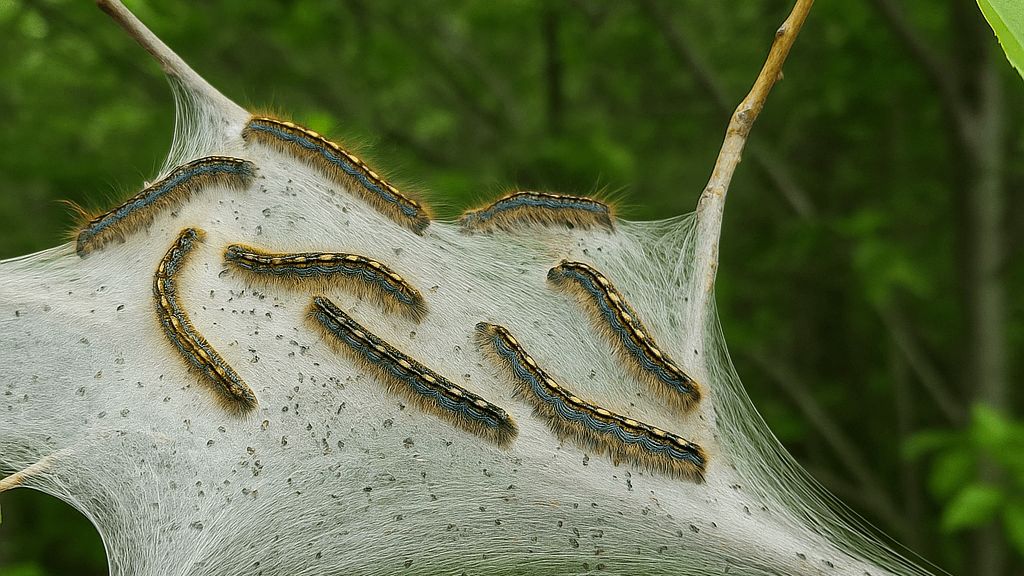
Have you ever spotted those fuzzy, colorful caterpillars crawling on trees and wondered, “Do tent caterpillars sting?” It’s a common question because when you see their hairy bodies, it’s natural to worry about getting hurt. You want to know if touching them could cause pain or an allergic reaction.
You’ll discover the truth about tent caterpillars and their ability—or inability—to sting. By the end, you’ll feel confident about what to do if you come across these little creatures in your yard or on a hike. Keep reading to learn the facts that can protect you and your family.

Credit: extension.msstate.edu
Tent Caterpillar Basics
Tent caterpillars are insects that live in groups and build silk tents. People often find them on trees in spring.
Many wonder if tent caterpillars sting. They do not have stingers like bees or wasps. Their hairs can cause mild skin irritation for some people.
Appearance And Habitat
Tent caterpillars are hairy and have bright colors. They usually have blue, black, and white stripes on their bodies.
They live in forests, orchards, and gardens. They build silk tents in tree branches to protect themselves from predators and weather.
- Hairy bodies with blue and black stripes
- Build silk tents in trees
- Found in forests and near fruit trees
Life Cycle
The life cycle of tent caterpillars has four main stages: egg, larva, pupa, and adult moth.
Eggs hatch in early spring. Larvae live in groups and build tents. After growing, they become pupae and then adult moths that lay eggs to start again.
- Eggs laid on tree branches
- Larvae hatch and make silk tents
- Pupae form inside cocoons
- Adult moths emerge and reproduce

Credit: ca.news.yahoo.com
Caterpillar Defense Mechanisms
Caterpillars use many ways to protect themselves from predators. They have special features and behaviors to stay safe.
Tent caterpillars are common insects. People often wonder if they can sting or cause harm.
Common Myths About Stinging
Many people think all caterpillars sting. This is not true for tent caterpillars. They do not have stingers like bees or wasps.
Some believe touching tent caterpillars can cause pain. While they do not sting, their hairs may irritate skin for some people.
- Tent caterpillars do not have stingers.
- They cannot inject venom.
- Skin irritation is caused by tiny hairs, not stings.
How Tent Caterpillars Protect Themselves
Tent caterpillars use silk tents as their main defense. These tents keep them safe from birds and other predators.
They also have tiny hairs on their bodies. These hairs can make them hard to eat and may irritate predators.
- Live in large groups inside silk tents.
- Use tents to hide from enemies.
- Have hairs that can bother predators.
- Move together to look bigger and scare threats.
Do Tent Caterpillars Sting?
Tent caterpillars are common in many places. Some people worry if they sting like other caterpillars.
Knowing if they sting helps you avoid discomfort and keep safe around them.
Physical Structure Of Tent Caterpillars
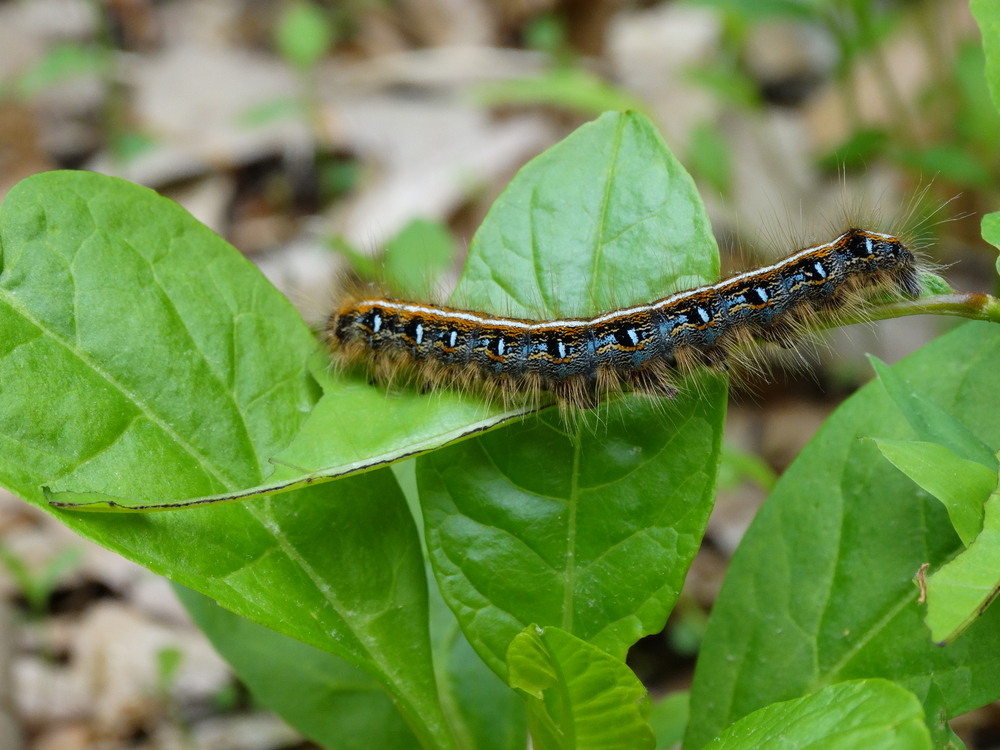
Tent caterpillars have smooth bodies. They usually have colorful patterns and hairs.
The hairs look like they might sting, but they are harmless. Tent caterpillars do not have stinging parts.
Comparison With Stinging Caterpillars
Some caterpillars have real stinging parts. These can cause pain or skin reactions.
Stinging caterpillars often have spines or venom. Tent caterpillars lack these features, making them safe.
- Stinging caterpillars have spines or barbs.
- Tent caterpillars have soft hairs.
- Stinging types can cause allergic reactions.
- Tent caterpillars do not cause these reactions.
Credit: www.brodybrotherspestcontrol.com
Effects Of Tent Caterpillar Contact
Tent caterpillars do not sting like bees or wasps. Their hairs can cause skin problems after touching them. Some people may feel itching or redness.
Knowing the effects helps to avoid discomfort. It is important to learn about skin reactions and allergic responses.
Skin Reactions And Irritations
The hairs of tent caterpillars can irritate the skin. This happens when the tiny hairs break off and stick to your skin. It can cause itching and redness.
Some common skin reactions include rashes, bumps, or swelling. The irritation may last for a few hours or days, depending on the person.
- Itching and redness
- Small bumps or rash
- Swelling in some areas
- Discomfort that lasts a short time
Allergic Responses
Some people have allergic reactions to tent caterpillar hairs. Their immune system reacts strongly, causing more serious symptoms.
Allergic responses can include swelling, hives, or breathing problems. If these occur, medical help should be sought immediately.
- Swelling of the face or lips
- Hives or large red welts
- Difficulty breathing or wheezing
- Dizziness or feeling faint
Safe Handling And Prevention
Tent caterpillars are common in many areas during spring. Many people wonder if these caterpillars sting.
Tent caterpillars do not sting, but their hairs can cause skin irritation. It is important to handle them safely and prevent contact.
Tips To Avoid Contact
Avoid touching tent caterpillars with bare hands. Their tiny hairs can irritate your skin or eyes.
- Wear gloves and long sleeves when near caterpillars
- Do not crush or poke the caterpillars
- Keep children and pets away from caterpillar tents
- Remove caterpillar tents carefully using tools
- Wash your hands after handling anything near the caterpillars
What To Do If Contact Occurs
If you touch a tent caterpillar and feel irritation, act quickly. Wash the affected skin with soap and water.
You can use a cold compress to reduce itching or swelling. Avoid scratching the area to prevent infection.
- Wash skin gently with soap and water
- Apply a cold pack to reduce swelling
- Use over-the-counter anti-itch cream if needed
- Contact a doctor if rash or swelling worsens
Ecological Role Of Tent Caterpillars
Tent caterpillars are common insects found in many forests and gardens. They build silk tents in tree branches to live and grow.
People often wonder if tent caterpillars sting. They do not sting, but their hairs can sometimes cause mild irritation.
Impact On Trees And Plants
Tent caterpillars eat leaves from trees and plants. This can cause trees to lose many leaves at once.
While heavy feeding can stress trees, most trees recover quickly after the caterpillars finish eating.
- Can slow tree growth if defoliation is severe
- Usually does not kill healthy trees
- May help prune weak or old branches
Role In The Food Chain
Tent caterpillars are an important food source for many animals. Birds, small mammals, and insects eat them.
Their presence helps support a healthy and balanced ecosystem by feeding many species at different levels.
- Food for birds like cuckoos and orioles
- Feed predators such as wasps and beetles
- Help control plant growth by leaf consumption
Frequently Asked Questions
Do Tent Caterpillars Sting Humans?
No, tent caterpillars do not sting humans. They are harmless and do not have stingers or venom. However, their hairs can sometimes cause mild skin irritation in sensitive individuals.
Can Tent Caterpillars Cause Allergic Reactions?
Yes, some people may experience mild allergic reactions from tent caterpillar hairs. These reactions usually include itching or redness. Severe allergies are rare but possible.
How To Safely Remove Tent Caterpillars?
Wear gloves and long sleeves to avoid skin irritation. Use a stick or broom to gently remove caterpillars and destroy their nests. Avoid direct contact with bare skin.
Are Tent Caterpillars Harmful To Trees?
Tent caterpillars feed on tree leaves, which can cause defoliation. Healthy trees usually recover quickly, but severe infestations may weaken trees over time.
Conclusion
Tent caterpillars do not sting like bees or wasps. Their hairs can cause mild skin irritation in some people. Most encounters with them are harmless. You can enjoy nature without fear of being stung. Just avoid touching their nests or bodies directly.
Knowing this helps you stay calm and safe outdoors. Keep your garden healthy to prevent large caterpillar groups. Simple care protects your plants and peace of mind. Nature’s little creatures usually mean no harm. Stay aware, but don’t worry too much.