
Have you ever spotted those fuzzy, striped caterpillars crawling on trees and wondered what they become? You might be curious if tent caterpillars turn into butterflies or something else entirely.
Understanding this can change how you see these little creatures in your garden or backyard. Keep reading to discover the surprising truth about tent caterpillars and their transformation. You’ll be amazed at what you learn next!

Credit: plantwiseplusknowledgebank.org
Tent Caterpillar Basics
Tent caterpillars are insects found in many forests and gardens. They build silk tents in tree branches to live in.
People often ask if tent caterpillars turn into butterflies. They actually turn into moths, not butterflies.
Lifecycle Stages
Tent caterpillars have four main stages in their life. These stages are egg, larva, pupa, and adult moth.
The eggs hatch in spring into larvae, which are the caterpillars. They grow and make tents to live in.
- Eggs: Laid on tree branches in late fall
- Larva: Caterpillars that build silk tents and eat leaves
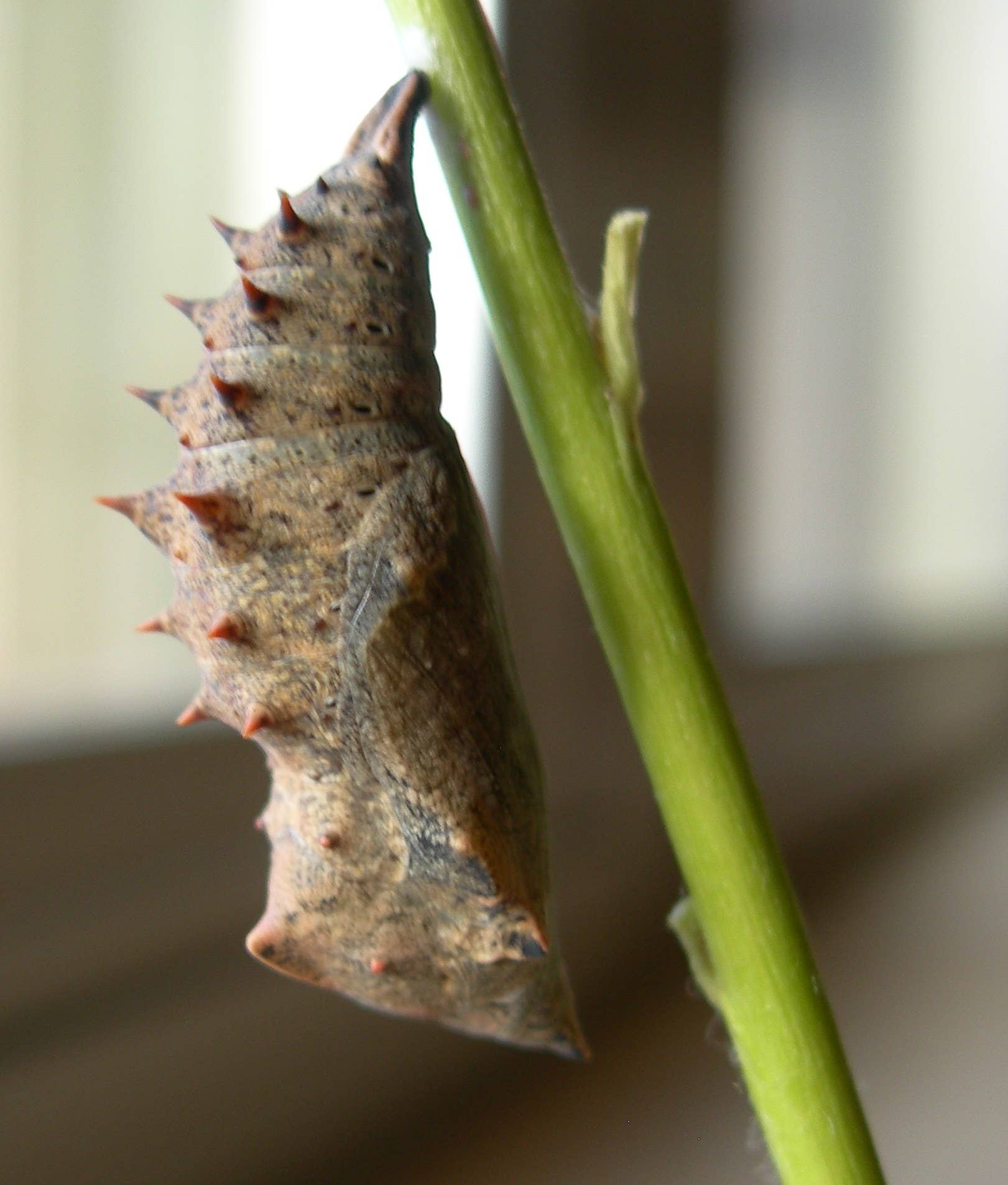
- Pupa: Stage inside a cocoon where the caterpillar changes
- Adult: Moth that emerges to lay eggs and start the cycle
Physical Characteristics
Tent caterpillars have hairy bodies with bright stripes. Their colors help them blend into tree bark.
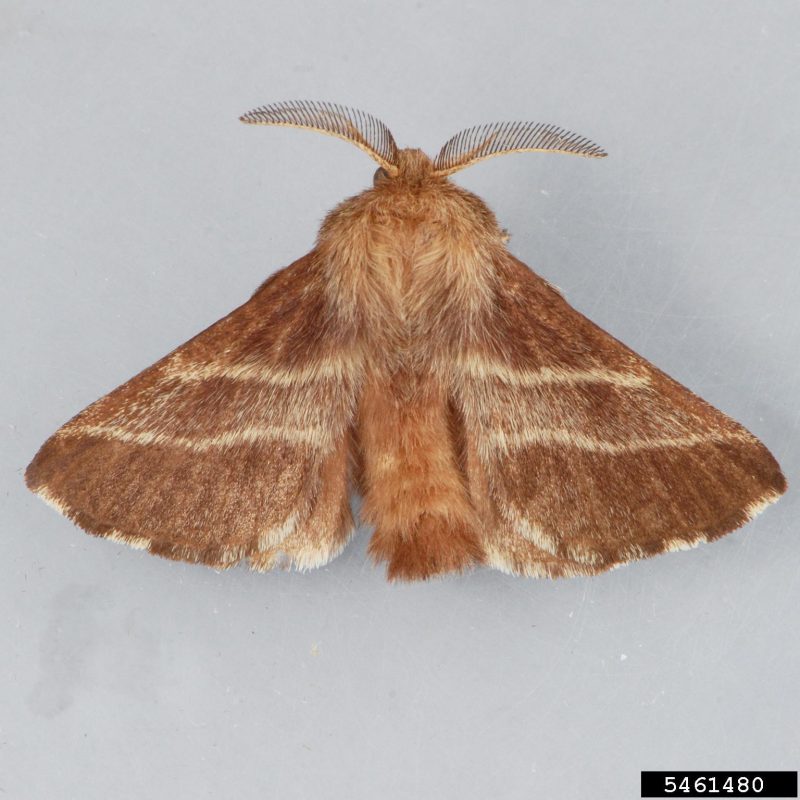
Adult moths have brown wings with patterns that help them hide at night.
- Caterpillars: Hairy, with blue, white, and black stripes
- Silk tents: White and strong, built in tree forks
- Adult moths: Brown wings with white or cream lines
Credit: owlcation.com
Moth Or Butterfly?
Tent caterpillars are often seen in trees during spring. People wonder if they turn into butterflies or moths. Let’s explore their transformation.
Tent caterpillars do not become butterflies. They transform into moths. Understanding the differences helps in identifying them correctly.
Classification Differences
Butterflies and moths belong to the order Lepidoptera. They have different subcategories. Tent caterpillars turn into moths, not butterflies.
Butterflies are part of the family Papilionoidea. Tent caterpillars are in the family Lasiocampidae. This shows clear classification differences.
- Butterflies: Papilionoidea family
- Moths: Lasiocampidae family
- Tent caterpillars: Lasiocampidae
Appearance Comparisons
Butterflies and moths look different. These differences are visible in their wings and bodies. Recognizing these features helps in identification.
Butterflies have bright, colorful wings. Moths, like those from tent caterpillars, have dull and furry wings. Their antennas also vary.
- Butterflies: Bright and colorful wings
- Moths: Dull and furry wings
- Antennas: Butterflies have clubbed antennas, moths have feathery ones
Metamorphosis Process
Tent caterpillars undergo a special change called metamorphosis. This process turns them from caterpillars into adult insects.
Many people wonder if tent caterpillars become butterflies. They actually become moths instead of butterflies.
From Caterpillar To Pupa
After eating leaves and growing, the caterpillar stops moving. It finds a safe spot to start the next stage.
The caterpillar then forms a hard shell called a pupa or chrysalis. Inside, the caterpillar changes its body.
- The caterpillar sheds its skin one last time
- The pupa protects the insect as it changes
- Body parts like wings and legs form inside
Emergence Of Adult Insect
After days or weeks, the adult insect breaks out of the pupa. This adult is not a butterfly but a moth.
The moth dries its wings and gets ready to fly. It will then find a mate to start the life cycle again.
- Adult moths have wings and can fly
- They do not eat leaves like caterpillars
- Their main goal is to reproduce
Credit: www.pubs.ext.vt.edu
Common Misconceptions
Many people wonder if tent caterpillars turn into butterflies. This question comes from confusing caterpillars with other insects. Tent caterpillars actually become moths, not butterflies.
This confusion is common because both butterflies and moths start as caterpillars. Learning the difference can help clear up these common mistakes.
Why Confusion Happens
People often mix up butterflies and moths because they look similar as adults. Both have wings and colorful patterns. Their caterpillars can also look alike to those who do not study insects closely.
Also, the word “caterpillar” is used for both butterfly and moth larvae. This causes people to think all caterpillars become butterflies.
- Both start as caterpillars
- Adults have wings and patterns
- The word “caterpillar” is for both larvae
- Many do not know moths and butterflies differ
Clarifying The Facts
Tent caterpillars turn into moths, not butterflies. Moths usually fly at night and have different wing shapes. Butterflies fly during the day and rest with wings closed.
Identifying tent caterpillars means knowing their life cycle. They spin silk tents in trees and later become moths that lay eggs for the next generation.
- Tent caterpillars become moths
- Moths fly mostly at night
- Butterflies fly during the day
- Tent caterpillars build silk tents
- Moths lay eggs after they mature
Ecological Role
Tent caterpillars are insects found on many trees. They look like small worms covered in hair.
These caterpillars do not turn into butterflies. They become moths after their larva stage.
Impact On Trees
Tent caterpillars eat leaves on trees. They can make many holes in the leaves.
This leaf-eating can slow tree growth. Trees may lose many leaves if caterpillars appear in large groups.
- They eat mostly cherry, apple, and oak trees.
- Heavy feeding can weaken trees for a short time.
- Trees usually grow new leaves after caterpillars leave.
Role In The Food Chain
Tent caterpillars serve as food for many animals. Birds and small mammals eat them often.
They help support wildlife by providing energy to these animals.
- Birds like blue jays and cuckoos eat the caterpillars.
- Wasps and other insects prey on their eggs and larvae.
- Small mammals also find tent caterpillars easy to catch.
Controlling Tent Caterpillars
Tent caterpillars are common pests that can damage trees and shrubs. They build silk tents in branches and feed on leaves.
Controlling them early helps protect your plants and reduce defoliation. This guide shows natural ways to manage these insects.
Natural Predators
Many birds and insects eat tent caterpillars. These natural predators help keep their numbers low.
- Birds such as cuckoos and orioles feed on caterpillars.
- Wasps and parasitic flies lay eggs inside the caterpillars.
- Predatory beetles and ants attack eggs and young larvae.
- Spiders catch caterpillars in their webs.
Effective Management Techniques
Use these methods to control tent caterpillars safely and effectively in your garden.
- Remove and destroy tents by hand in early spring.
- Prune infested branches to reduce caterpillar habitat.
- Apply insecticidal soap or neem oil to affected trees.
- Encourage birds and beneficial insects by planting native flowers.
- Keep trees healthy with proper watering and fertilizing.
| Technique | How It Helps |
| Hand Removal | Reduces caterpillar population directly |
| Pruning | Removes egg masses and tents |
| Insecticidal Soap | Kills young caterpillars on contact |
| Encouraging Predators | Maintains natural control |
| Tree Care | Increases tree resistance to damage |
Frequently Asked Questions
Do Tent Caterpillars Become Butterflies Or Moths?
Tent caterpillars transform into moths, not butterflies. They belong to the moth family called Lasiocampidae. Their adult form is a hairy, brown moth, distinct from butterflies.
How Long Is The Tent Caterpillar Lifecycle?
The lifecycle of a tent caterpillar lasts about one year. It includes egg, larva (caterpillar), pupa, and adult moth stages. The larva stage is known for building silk tents in trees.
What Do Tent Caterpillars Eat During Their Larval Stage?
Tent caterpillars mainly feed on leaves of deciduous trees like cherry, apple, and oak. They consume large amounts of foliage, which can sometimes cause visible tree damage.
Are Tent Caterpillars Harmful To Trees Or Humans?
Tent caterpillars can defoliate trees but rarely kill them. They pose no direct harm to humans but can be a nuisance when present in large numbers.
Conclusion
Tent caterpillars do not turn into butterflies. They become moths instead. Both insects start as caterpillars but follow different paths. Moths and butterflies belong to the same insect group. Still, their adult forms look and act differently. Knowing this helps us understand nature better.
It also clears up common confusion. Next time you see a tent caterpillar, remember its true future. Nature’s changes are fascinating and worth watching closely.