Have you noticed strange webs or clusters of caterpillars on your trees and wondered, “Do tent worms kill trees?” It’s natural to worry when you see your once-healthy tree covered in these creepy critters. You might be asking if they pose a real threat or if your tree can bounce back.
Understanding the truth about tent worms can help you protect your green space before any serious damage happens. Keep reading, and you’ll discover what tent worms really do to trees—and what you can do to keep your yard safe and thriving.
Credit: globalnews.ca
Tent Worms Basics
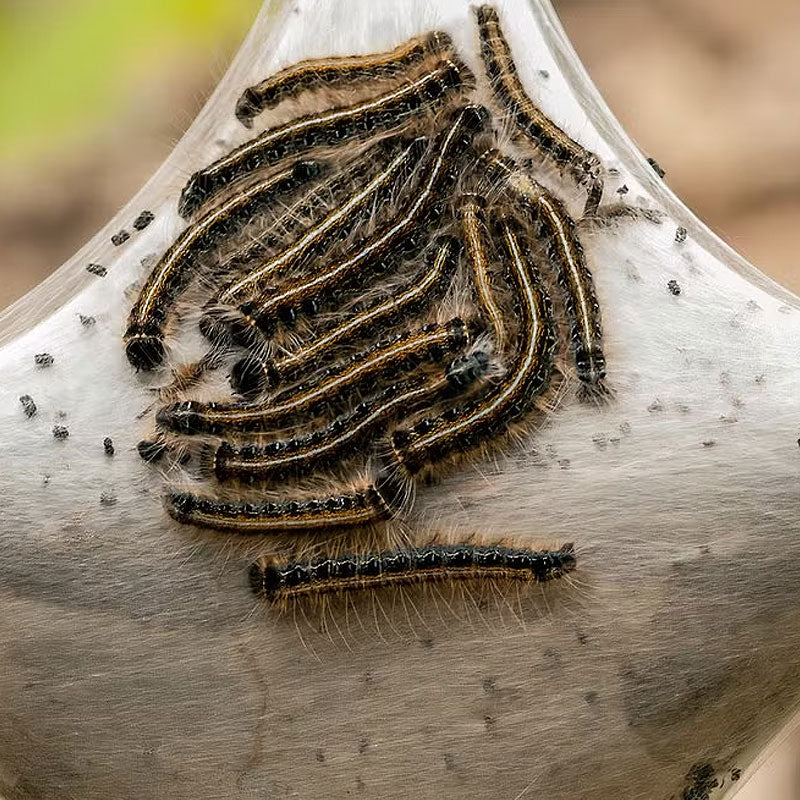
Tent worms are a type of caterpillar that live in groups. They make large silk tents in trees. These tents protect them from birds and weather.
People often worry if tent worms kill trees. Understanding their habits helps to know their effects on trees.
Identifying Tent Worms
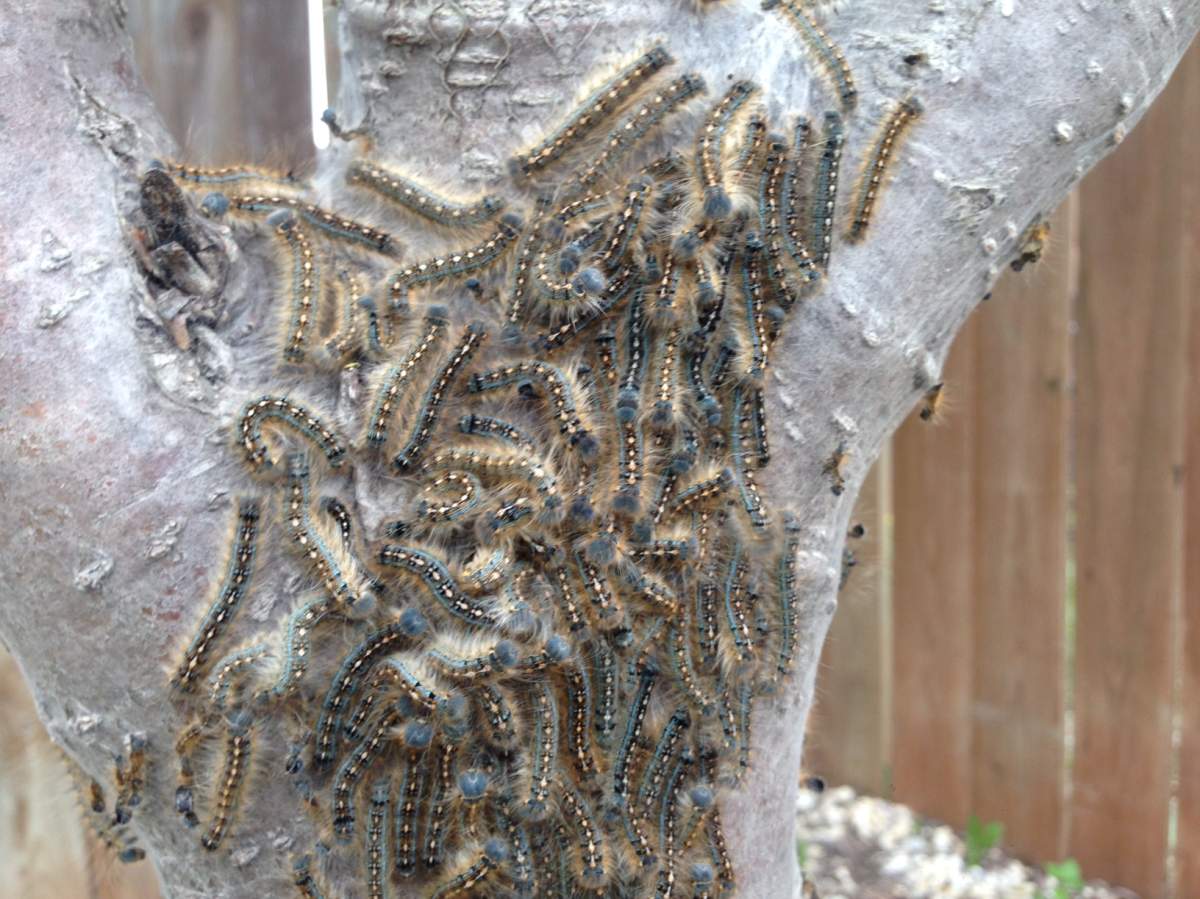
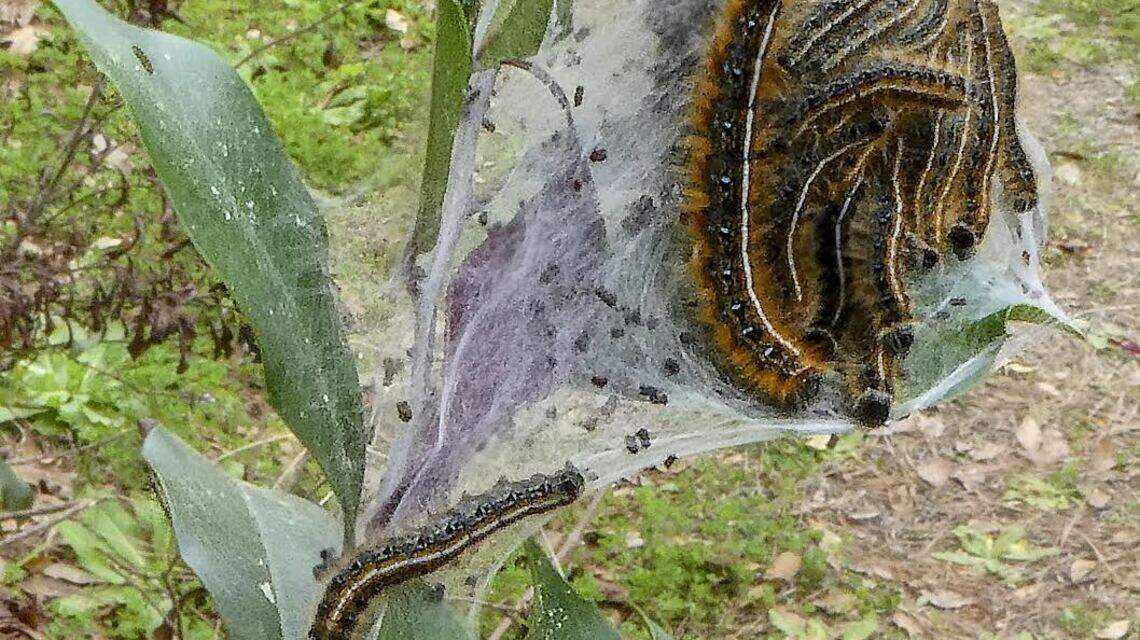
Tent worms build web-like tents on tree branches. Their bodies are usually brown or gray with stripes. They feed on leaves inside the tents.
- Silk tents are visible on tree branches
- Caterpillars have striped, fuzzy bodies
- They eat leaves, leaving skeletonized patches
- Found mostly in late spring and summer
Life Cycle And Behavior
Tent worms go through four stages: egg, larva, pupa, and adult moth. They stay inside tents while feeding and growing. The group moves together to new leaves.
| Stage | Description | Duration |
| Egg | Laid on tree branches in late summer | Weeks |
| Larva (Caterpillar) | Feeds on leaves inside tents | Several weeks |
| Pupa | Forms cocoon near tree bark | Days to weeks |
| Adult Moth | Emerges to mate and lay eggs | Short lifespan |
Effects On Trees
Tent worms are caterpillars that can cause significant damage to trees. Their feeding habits can impact tree health and growth.
Understanding how these pests feed and the common damage they cause can help in managing their effects on trees.
How Tent Worms Feed
Tent worms create silk tents in the branches of trees. They gather in these tents during the day and feed on leaves at night.
- They strip leaves from the branches.
- Their feeding can defoliate trees quickly.
- They prefer broadleaf trees, like oak and maple.
Common Tree Damage
The damage from tent worms can weaken trees. This makes them more vulnerable to diseases and pests.
| Tree Type | Common Damage |
| Oak | Leaf defoliation |
| Maple | Weakened branches |
| Cherry | Stunted growth |
Do Tent Worms Kill Trees?
Tent worms are caterpillars that build silk tents in tree branches. They feed on the leaves of trees during their larval stage.
Many people worry if these worms can kill their trees. The answer depends on how much damage they cause and the tree’s overall health.
Short-term Vs Long-term Impact
Tent worms eat leaves, which can make trees look bare. This leaf loss happens quickly during the worm season.
In the short term, most healthy trees recover their leaves by the next growing season. The tree uses stored energy to grow new leaves.
Long-term damage is rare unless the tree is weak. Repeated defoliation over many years can stress the tree and slow its growth.
Factors Influencing Tree Health
Some trees cope better with tent worm feeding than others. Factors like age, species, and environment affect tree health.
Stress from drought, disease, or poor soil makes trees weaker. These trees may suffer more from leaf loss caused by tent worms.
- Young trees have less energy to recover
- Some tree species are more resistant to damage
- Drought-stressed trees recover more slowly
- Trees with good soil and water bounce back faster
- Repeated infestations increase tree stress
Managing Tent Worm Infestations
Tent worms can damage trees by eating leaves. Managing them helps keep trees healthy. You can use natural, chemical, or preventive methods.
Early action is important to stop tent worm growth. Choose the right method for your tree and situation.
Natural Predators And Controls
Many birds and insects eat tent worms. These natural predators help control the population. Encourage them to visit your trees.
Some common natural controls include parasitic wasps and predatory beetles. They reduce tent worms without chemicals.
- Birds like chickadees and warblers feed on larvae
- Parasitic wasps lay eggs inside tent worms
- Lady beetles and lacewings prey on young caterpillars
- Handpicking tents early removes many worms
Chemical Treatment Options
Chemical sprays can kill tent worms quickly. Use insecticides labeled for caterpillars on trees. Follow instructions carefully.
Timing sprays when larvae are small works best. Avoid spraying during bloom to protect pollinators.
- Use Bacillus thuringiensis (Bt) for safe, target-specific control
- Apply pyrethroid insecticides for fast knockdown
- Wear protective gear when spraying chemicals
- Repeat treatments may be needed every 7 to 10 days
Preventive Measures
Prevent tent worms by keeping trees strong and healthy. Proper watering and pruning reduce stress and damage.
Remove egg masses and tents before larvae hatch. Clean fallen leaves and debris to lower chances of infestation.
- Inspect trees regularly during spring and summer
- Prune branches with tents early in the season
- Keep trees well-watered and fertilized
- Clear fallen leaves and twigs to remove eggs
Protecting Your Trees
Tent worms can be a threat to your trees if not managed well. They feed on leaves and can weaken the tree over time. Protecting your trees starts with good care and early detection.
Knowing how to care for trees and spotting signs of tent worms early helps keep trees healthy. This guide shares easy tips and warning signs to watch for.
Regular Tree Care Tips
Healthy trees resist pests like tent worms better. Follow these simple care tips to support your trees:
- Water trees deeply once a week during dry periods.
- Mulch around the base to keep roots cool and moist.
- Prune dead or weak branches to improve air flow.
- Fertilize in early spring with balanced nutrients.
- Check trees regularly for any damage or pests.
Signs To Watch For
Tent worms leave clear signs on trees. Look for these to catch infestations early:
| Sign | What It Means |
| Webbed nests on branches | Tent worms live and feed inside these nests |
| Leaf damage or holes | Worms eat leaves, reducing tree health |
| Yellowing or wilting leaves | Tree stress from loss of foliage |
| Small caterpillars visible | Active feeding stage of tent worms |

Credit: london.ca
Credit: www.islandpacket.com
Frequently Asked Questions
Do Tent Worms Kill Trees Completely?
Tent worms rarely kill trees completely. They defoliate branches, stressing trees but healthy trees usually recover in time without lasting damage.
How Do Tent Worms Affect Tree Health?
Tent worms eat leaves, reducing photosynthesis. This weakens trees and makes them vulnerable to disease and environmental stress if infestations are severe.
When Is The Best Time To Control Tent Worms?
Early spring, before larvae fully develop, is the best time to control tent worms. Early action limits tree damage and spreads.
Can Tent Worms Infest All Tree Types?
Tent worms prefer hardwood trees but can infest many species. Oaks, maples, and fruit trees are common hosts for tent worms.
Conclusion
Tent worms rarely kill healthy trees. They can cause some leaf loss and stress. Trees often recover after a season of feeding. Keeping trees strong with water and care helps them fight pests. Watch for heavy infestations to protect your plants.
Early action can reduce damage and keep trees safe. Trees usually survive tent worms without lasting harm. Stay alert and act when needed for healthy trees.