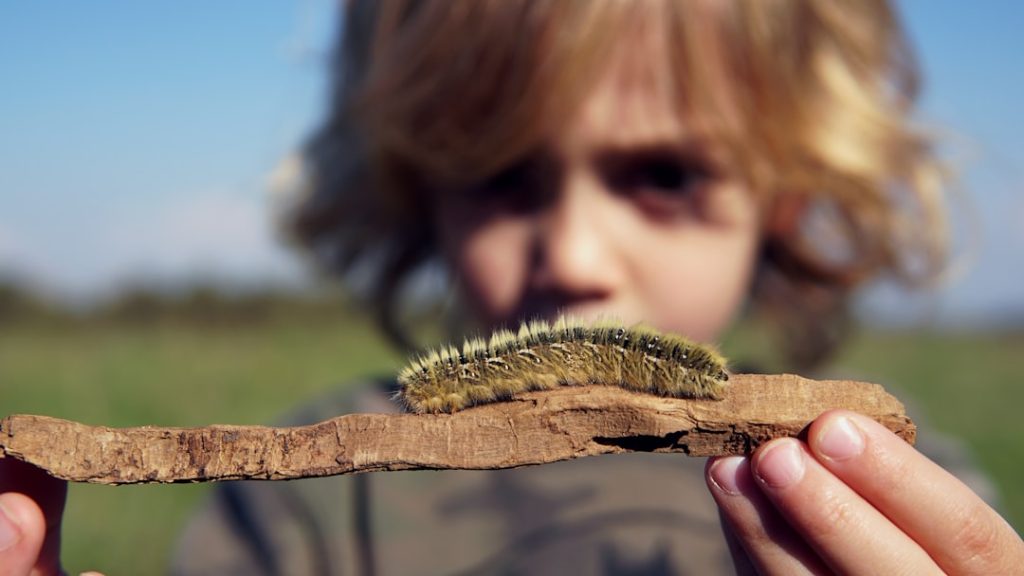
Have you ever spotted those curious tent worms clinging to trees and wondered if they turn into butterflies? It’s a question that sparks a lot of curiosity.
You might be surprised by the answer and what these little creatures really become. If you want to know the truth about tent worms and their transformation, keep reading. This guide will clear up the mystery and help you understand what’s happening right outside your window.
Tent Worms Basics
Tent worms are caterpillars that live in groups. They make silk tents on trees and shrubs.
People often wonder if tent worms turn into butterflies. This depends on the type of tent worm.
What Are Tent Worms
Tent worms are caterpillars that build web-like nests. These nests protect them from birds and weather.
They feed on leaves inside the tent. The name comes from the tent shape of their silk webs.
Common Species
There are many species of tent worms worldwide. Some are more common in certain regions.
- Eastern Tent Caterpillar – found in North America
- Forest Tent Caterpillar – also in North America
- Western Tent Caterpillar – lives in the western US and Canada
- Fall Webworm – common in many parts of the US
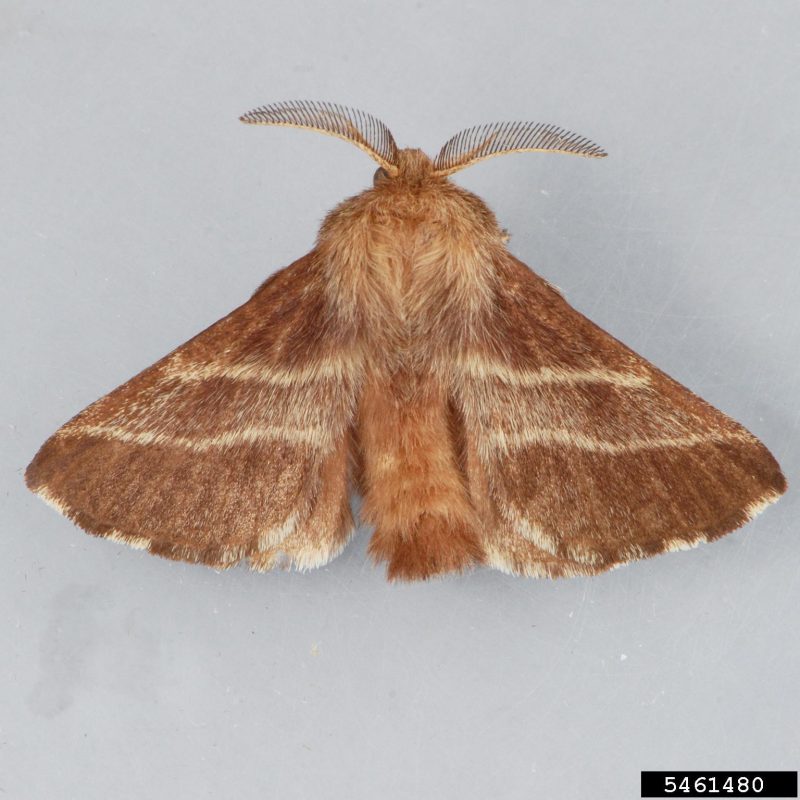
Credit: www.pubs.ext.vt.edu
Life Cycle Of Tent Worms
Tent worms go through four main stages in their life cycle. They start as eggs, then become larvae, pupate, and finally turn into adults.
This process helps them grow and change until they are ready to reproduce and start the cycle again.
Egg Stage
Tent worms begin life as tiny eggs. The female moth lays many eggs on tree branches or leaves.
The eggs are small and round. They stay safe in the tent-like web the larvae will later build.
Larval Stage
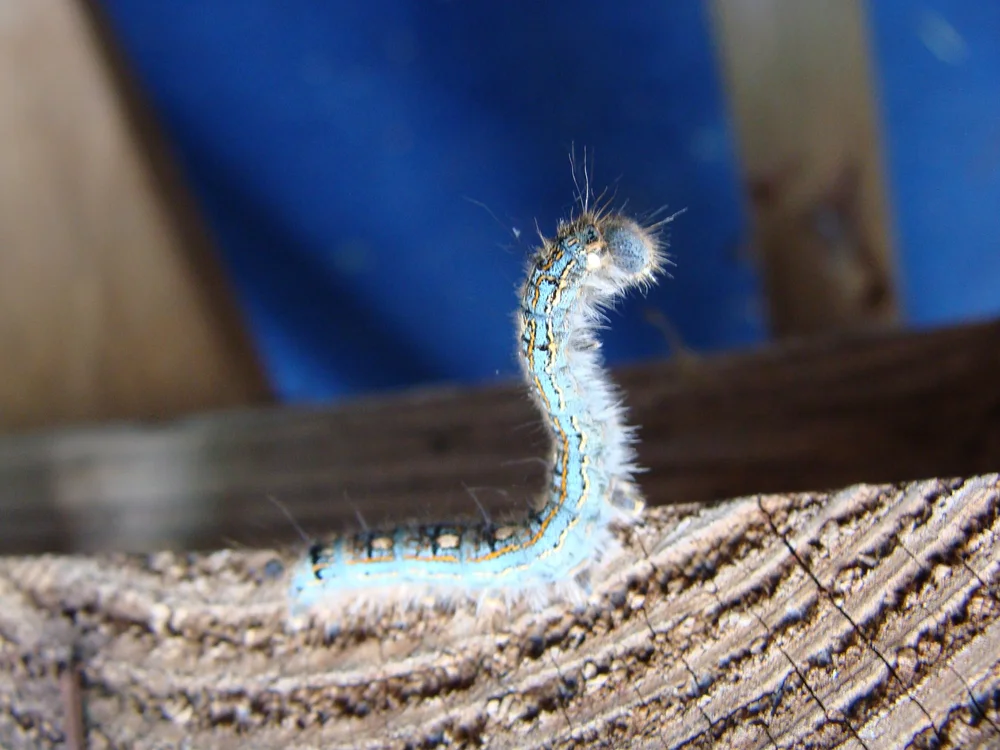
After hatching, the larvae are small caterpillars. They live together in a silk tent they build on trees.
The larvae eat leaves and grow bigger. This stage lasts several weeks as they molt several times.
- Live in large groups inside silk tents
- Feed on tree leaves
- Molting happens multiple times
- Cause defoliation in some trees
Pupal Stage
When the larvae are fully grown, they spin cocoons. Inside these cocoons, they change into pupae.
The pupal stage is a resting phase. The insect transforms its body to prepare for adulthood.
Adult Stage
After the pupal stage, the adult moth emerges. These moths do not turn into butterflies.
The adult tent moths mate and lay eggs. This starts the life cycle again with a new generation.
Butterfly Life Cycle
Butterflies grow through four main stages. Each stage looks very different.
We will explore the changes from egg to butterfly. This helps us understand their life better.
Egg To Caterpillar
Butterfly life begins as a tiny egg. The mother butterfly lays eggs on leaves.
After days, the egg hatches into a caterpillar. This stage is also called a larva.
- The caterpillar eats leaves to grow fast.
- It sheds its skin several times.
- The caterpillar stores energy for the next stage.
Caterpillar To Chrysalis
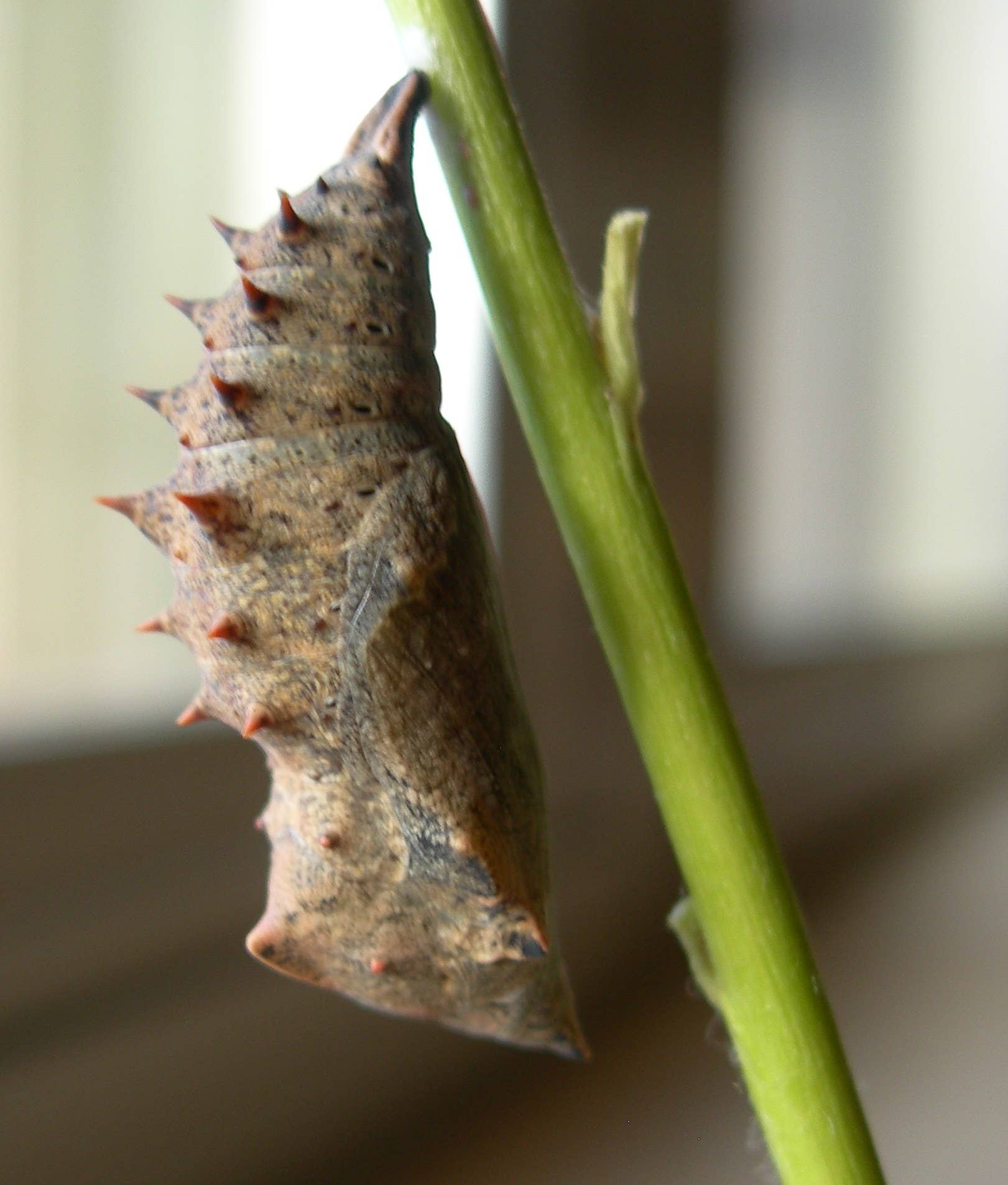
When the caterpillar is ready, it finds a safe spot. It attaches itself and forms a chrysalis.
Inside the chrysalis, the caterpillar changes. This process is called metamorphosis.
| Stage | What Happens |
| Caterpillar | Eats and grows |
| Chrysalis | Transforms inside |
Chrysalis To Butterfly
The butterfly breaks out of the chrysalis. At first, its wings are soft and wet.
The butterfly waits for its wings to dry. Then it flies away to find food and mates.
- Butterflies drink nectar from flowers.
- They help plants by spreading pollen.
- Butterflies live only a few weeks as adults.
Comparing Tent Worms And Butterflies
Tent worms and butterflies are very different insects. Many people wonder if tent worms turn into butterflies.
Tent worms are caterpillars that build silk tents in trees. Butterflies come from caterpillars but not from tent worms.
Metamorphosis Differences
Tent worms go through metamorphosis, but they do not become butterflies. They turn into moths instead.
Butterflies and moths both start as caterpillars. The main difference is their adult form and life cycle.
- Tent worms become moths after pupating in cocoons.
- Butterfly caterpillars form chrysalises and become butterflies.
- Moths are usually active at night; butterflies are active during the day.
Appearance And Behavior
Tent worms look like hairy caterpillars with long bodies. They live in groups inside silk tents on trees.
Butterflies have bright, colorful wings and are often seen flying during the day. They do not live in groups like tent worms.
- Tent worms build silk tents for protection and feed on leaves.
- Butterflies drink nectar from flowers using a long proboscis.
- Moths usually have dull colors; butterflies have bright colors.
Common Misconceptions
Many people wonder if tent worms turn into butterflies. This question comes from seeing caterpillars and butterflies in nature. It is easy to confuse them because they both go through changes.
This article looks at the common reasons people mix up tent worms with butterflies. It also explains what really happens with tent worms.
Why People Confuse Tent Worms With Butterflies
People often think tent worms become butterflies because both start as caterpillars. Tent worms build large silk tents on trees, which draws attention. This makes people watch them closely and guess their future form.
- Tent worms look like caterpillars, which are butterfly larvae.
- They spin silk tents, similar to the cocoons some butterflies make.
- Both tent worms and butterflies have wings at some stage.
- People see caterpillars and butterflies in the same places, like gardens and forests.
- Some think all caterpillars become butterflies, but this is not true.
Clarifying The Truth
Tent worms do not turn into butterflies. Instead, they become moths. Moths and butterflies both belong to the insect order Lepidoptera, but they are different groups.
| Insect Type | Larva Name | Adult Form |
| Tent Worm | Caterpillar | Moth |
| Butterfly | Caterpillar | Butterfly |
Tent worms build tents to protect their groups from predators. Their moths usually fly at night. Butterflies are active during the day and do not make tents.
- Tent worm moths have thicker bodies and feathery antennae.
- Butterflies have slender bodies and club-shaped antennae.
- Tent worm caterpillars stay in groups inside tents.
- Butterfly caterpillars are mostly alone on plants.
Ecological Role Of Tent Worms
Tent worms are caterpillars that live in groups inside silk tents. They do not turn into butterflies but become moths. These insects play important roles in nature.
Understanding their role helps us see how they affect trees, plants, and other animals in the ecosystem.
Impact On Trees And Plants
Tent worms feed on leaves of many trees and plants. Their eating can cause damage but also affects plant growth and health.
Large groups of tent worms can defoliate trees, which means they eat most or all leaves. This slows down photosynthesis and weakens trees.
- Helps remove old or weak leaves
- Can slow tree growth if feeding is heavy
- May cause stress to some plants
- Leaves damaged by tent worms can grow back stronger
Role In The Food Chain
Tent worms serve as food for many animals. Birds, wasps, and small mammals eat them. This helps keep their numbers balanced.
By being prey, tent worms support other wildlife and contribute to a healthy ecosystem.
- Food source for birds and insects
- Supports predators in forests and gardens
- Helps recycle nutrients when they die
- Important link between plants and animals
Managing Tent Worm Populations
Tent worms can damage trees and plants. Managing their numbers helps protect your garden.
These worms do not turn into butterflies. They become moths after their caterpillar stage.
Natural Predators
Many birds and insects eat tent worms. These natural predators keep their numbers low.
Encouraging these animals in your garden helps control tent worm populations safely.
- Birds like chickadees and warblers feed on tent worms
- Parasitic wasps lay eggs inside the worms
- Predatory beetles also eat tent worm larvae
Control Methods
Removing tents by hand helps reduce the number of worms. Do this early in the season.
Insecticides can work but use them carefully to avoid harming other insects.
- Prune and destroy tent webs on trees
- Use sticky bands on tree trunks to stop larvae
- Apply natural insecticides like neem oil if needed
Credit: blog.globaloutdoors.com
Credit: owlcation.com
Frequently Asked Questions
Do Tent Worms Transform Into Butterflies?
No, tent worms do not become butterflies. They transform into moths, specifically tent caterpillar moths, after their larval stage.
What Insect Do Tent Worms Turn Into?
Tent worms turn into tent caterpillar moths, not butterflies. These moths are nocturnal and have distinct wing patterns.
How Long Is The Tent Worm Lifecycle?
The tent worm lifecycle lasts several weeks to months, including egg, larva, pupa, and adult moth stages.
Are Tent Worms Harmful To Trees?
Yes, tent worms can defoliate trees by feeding on leaves, but they rarely cause long-term damage.
Conclusion
Tent worms do not turn into butterflies. They become moths instead. Both butterflies and moths start as caterpillars. But their adult forms differ. Tent worms build silk tents on trees. These tents protect their groups. Watching their life cycle helps understand nature better.
Knowing this fact clears common confusion. Nature’s changes are fascinating and unique. Keep exploring to learn more about insects. Simple questions lead to great discoveries.