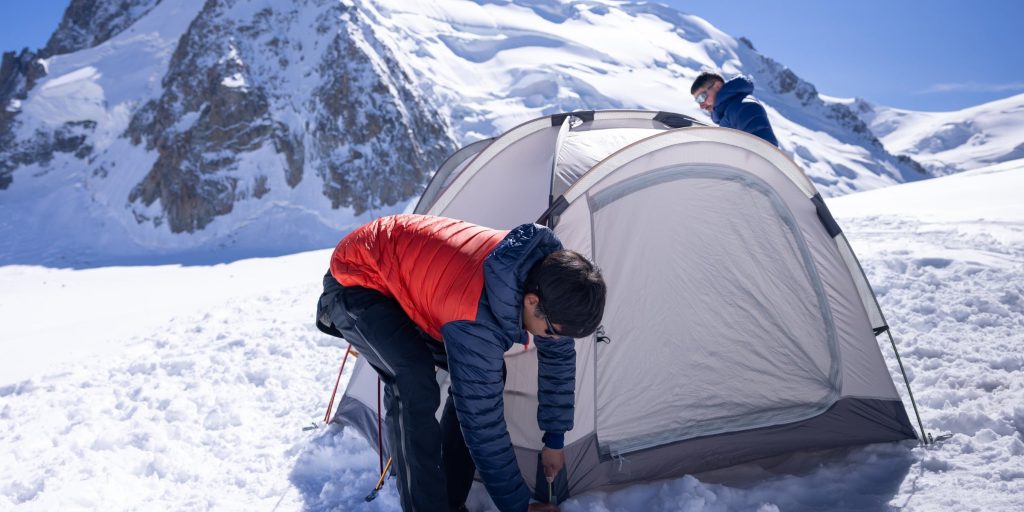
Are you planning a camping trip and wondering if your tent will keep you warm through the chilly nights? You might be surprised by how much a tent can affect your comfort and body temperature.
Staying warm isn’t just about piling on layers; your shelter plays a huge role too. You’ll discover exactly how tents work to trap heat, what makes some tents warmer than others, and simple tips to stay cozy no matter the weather.
Keep reading—your next night under the stars could be much warmer than you expect.
How Tents Affect Warmth
Tents can help keep you warm by blocking cold air and trapping heat. The materials and design play a big role in how well they do this.
Understanding how tents retain heat can help you choose the right one for cold weather camping.
Materials That Retain Heat
Some tent materials hold heat better than others. Thick fabrics and insulated layers keep warmth inside the tent. Nylon and polyester with coatings help block cold air.
- Polyester fabrics with waterproof coatings
- Double-wall tents with an inner insulating layer
- Canvas tents that are thicker and trap heat
- Insulated tents with special thermal linings
Designs That Block Wind
Wind makes tents colder by removing trapped heat. Good designs block wind and stop heat loss. Shape and structure are important.
| Design Feature | How It Helps |
| Dome shape | Reduces wind resistance and keeps heat in |
| Low profile | Less surface area for wind to hit |
| Strong poles | Keep tent stable in strong winds |
| Sealed seams | Prevent cold air from entering |
Ventilation And Temperature Control
Proper ventilation stops moisture buildup inside the tent. Moist air feels colder and can make you wet. Vents let fresh air in and keep the temperature steady.
Key points for ventilation:
- Use tents with adjustable vents near the top and bottom.
- Open vents slightly to reduce condensation.
- Close vents if it gets very cold and wind is low.
Choosing The Right Tent
Tents can help keep you warm if you pick the right one. Not all tents protect well from cold weather.
Choosing a tent depends on where and when you will camp. The right tent blocks wind and keeps heat inside.
Seasonal Tent Types
There are tents made for different seasons. Some tents work best in summer, others in winter.
Summer tents are light and let air flow. Winter tents are stronger and keep cold out.
- 3-season tents: good for spring, summer, and fall
- 4-season tents: designed for winter and strong weather
- Convertible tents: change depending on the weather
Size And Insulation Factors
Choose a tent size that fits you and your gear. Smaller tents keep heat better than big ones.
Insulation helps keep the warmth inside. Look for tents with thick fabric and a good floor.
- Tight fit tents hold body heat well
- Double-wall tents add an insulation layer
- Floor material should block cold ground
Weather Resistance Features
Strong tents resist wind, rain, and snow. Weather resistance keeps you dry and warm.
Look for tents with good waterproof coatings and sturdy poles. Sealed seams stop cold air.
- Waterproof rainfly protects from rain and snow
- Strong frame holds up in wind
- Sealed seams prevent drafts
Camp Setup For Warmth
Camping in cold weather can be challenging. A proper camp setup helps keep you warm. Let’s explore how to create a cozy shelter.
Ensuring warmth involves careful planning. The right techniques can make a big difference.
Selecting A Shelter Location
Choosing the right location is crucial. Look for natural protection from the wind. Avoid low spots where cold air settles.
Pick a spot near trees or rocks. These can act as natural barriers. They block the wind and help retain heat.
Ground Insulation Techniques
Insulating the ground keeps you warm. Use a thick sleeping pad or several layers. This prevents heat loss from the ground.
Place dry leaves or pine needles under your tent. These materials add extra insulation. They help trap heat and keep you comfortable.
Using Tarps And Windbreaks
Tarps can be very helpful. Use them to create an additional layer over your tent. This traps more heat inside.
Set up windbreaks with tarps or natural barriers. Block the wind from entering your shelter. This reduces heat loss and keeps you warm.
- Use a tarp as a rainfly for extra warmth
- Hang a tarp vertically as a windbreak
- Arrange rocks or logs to shield from wind

Credit: www.reddit.com
Warm Gear Inside The Tent
Tents help block wind and rain, but they do not create heat. You need warm gear inside the tent to stay cozy. Good gear keeps your body heat from escaping.
Using the right items inside your tent makes a big difference in staying warm. Warm gear helps you enjoy camping in cold weather.
Sleeping Bags And Pads
Sleeping bags trap your body heat and keep cold air out. Choose a sleeping bag made for cold temperatures. It should fit you well to reduce heat loss.
Sleeping pads add insulation between you and the cold ground. They stop cold from coming up through the tent floor. Use a thick pad for better warmth.
- Pick a sleeping bag rated for the lowest temperature you expect
- Use a sleeping pad with good insulation (high R-value)
- Consider an extra blanket or liner inside the bag for added warmth
Clothing Layers
Wear several thin layers of clothing inside the tent. Layers trap warm air close to your body. Start with a moisture-wicking base layer to keep sweat off your skin.
Add an insulating middle layer like fleece or wool. Finish with a warm outer layer if needed. Avoid cotton because it holds moisture and feels cold.
- Base layer: polyester or wool to stay dry
- Middle layer: fleece or wool for warmth
- Outer layer: down jacket or insulated vest if very cold
- Wear warm socks and a hat inside the tent
Heat Packs And Warmers
Heat packs create extra warmth inside your tent. They come in small packets that get warm when exposed to air. Place them near your hands or feet for comfort.
Reusable warmers can be heated and used many times. Use them safely and follow instructions. Heat packs help on very cold nights when extra warmth is needed.
- Use disposable or reusable heat packs
- Put heat packs inside gloves or socks
- Keep heat packs away from direct skin contact to avoid burns
Common Mistakes That Cause Cold
Tents can keep you warm if you use them correctly. Many people feel cold because of simple mistakes. These errors stop tents from working well.
Understanding these common mistakes helps you stay warm and enjoy your time outside. Let’s look at what often goes wrong.
Poor Ventilation Choices
Ventilation in tents controls air flow and moisture. Poor choices can make the inside cold or damp. Too little fresh air causes condensation that cools you down.
- Closing vents completely traps moisture and cold air.
- Opening too many vents lets cold wind inside.
- Not using mesh panels reduces air flow and causes dampness.
- Blocking vents with gear stops fresh air from entering.
Ignoring Ground Cold
Cold from the ground travels through your tent floor. Many people forget to protect themselves from this cold source. Sleeping directly on cold ground lowers body heat fast.
| Ground Cold Protection | Why It Matters |
|---|---|
| Sleeping pads | Blocks cold from the ground |
| Insulating layers | Traps warm air under you |
| Choosing dry spots | Prevents extra cold and moisture |
Overpacking Or Underpacking
Packing too much or too little gear can make you cold in a tent. Overpacking can block heat circulation. Underpacking leaves you without warm clothes or bedding.
- Bring layers of clothing to adjust heat.
- Use a sleeping bag rated for the temperature.
- Pack only what you need to keep space and warmth.
- Keep dry clothes for sleeping to avoid chills.
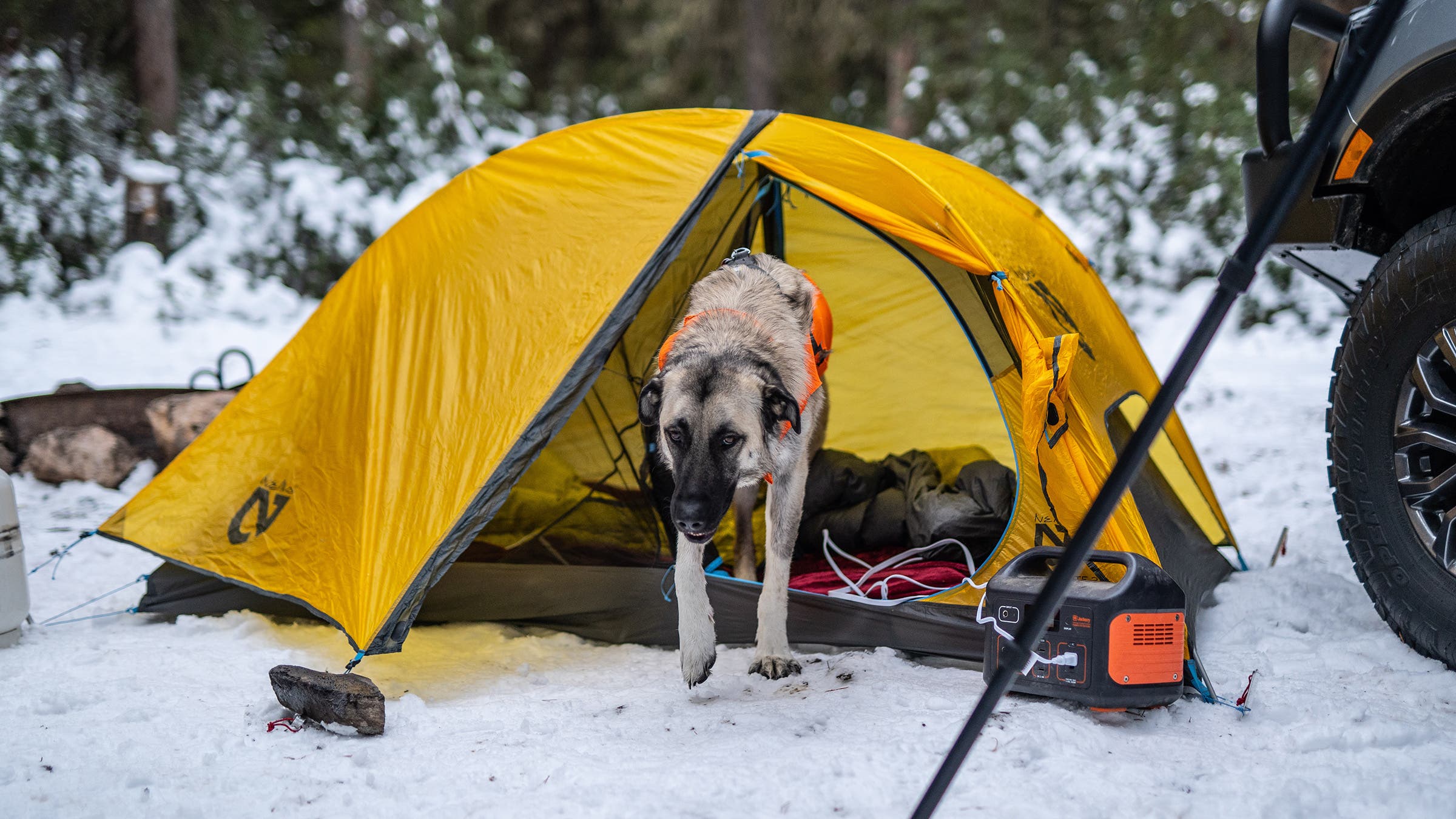
Credit: www.outsideonline.com
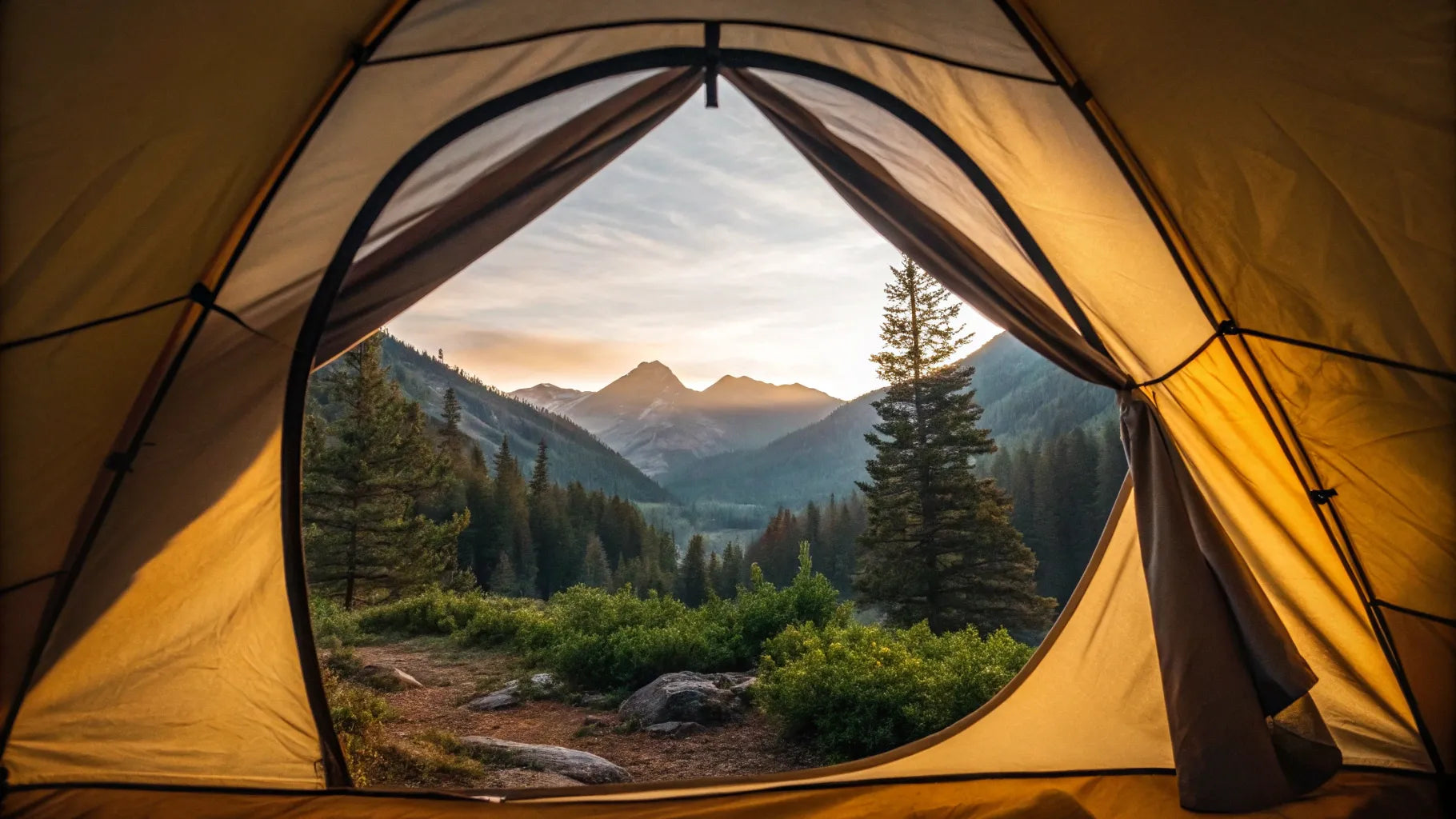
Credit: www.battlbox.com
Frequently Asked Questions
Do Tents Provide Insulation Against Cold Weather?
Yes, tents offer basic insulation by blocking wind and retaining body heat. However, additional gear like sleeping bags is essential for warmth.
How Do Tents Trap Heat To Keep You Warm?
Tents trap heat by preventing wind and reducing heat loss. The fabric and design create a small warm space inside.
Can A Tent Keep You Warm In Freezing Temperatures?
A tent alone won’t keep you warm in freezing conditions. Use a four-season tent, insulated sleeping bags, and thermal layers for safety.
What Tent Features Help Maintain Warmth Indoors?
Features like double walls, tight seams, and insulated fabrics improve heat retention. Ventilation control also prevents moisture buildup, enhancing warmth.
Conclusion
Tents can help keep you warm by blocking wind and trapping body heat. Choosing the right tent and sleeping gear matters a lot. Thin or poorly made tents let cold air in easily. Adding a good sleeping bag and ground pad makes a big difference.
Always prepare for weather changes to stay comfortable. Camping in cold weather needs careful planning. Stay safe, warm, and enjoy your outdoor adventure.