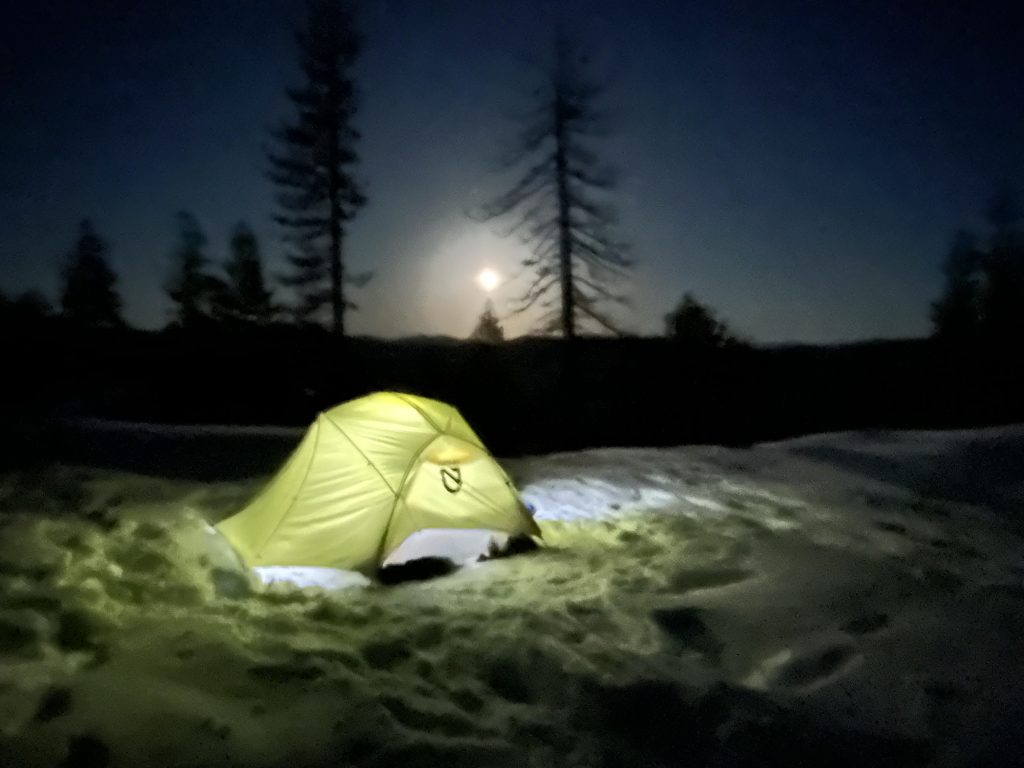
Are you planning a camping trip and wondering if your tent will keep you warm at night? Staying cozy outdoors can be a challenge, especially when temperatures drop.
You want to make sure your tent isn’t just a shelter but a reliable barrier against the cold. You’ll discover how tents actually work to trap heat, what factors affect their warmth, and simple tips to stay comfortable no matter where you camp.
Keep reading, because the secret to a warm night under the stars might be easier than you think.
Credit: alpkit.com
How Tents Affect Warmth
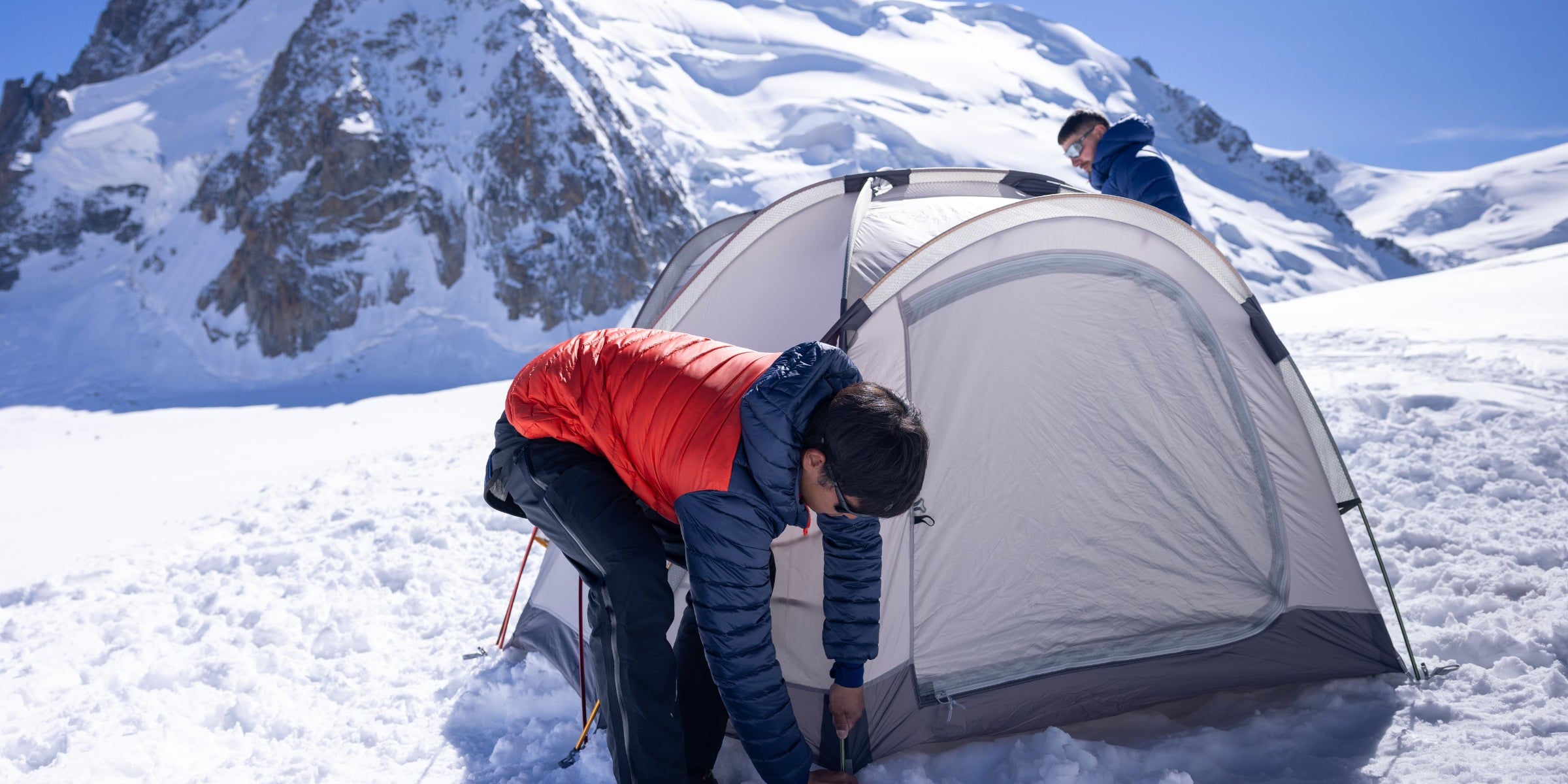
Tents can help keep you warm in cold weather. They block wind and trap some heat inside. The materials and design of a tent play big roles in how warm it stays.
Understanding how tents manage warmth helps you pick the right one for your needs. Let’s look at how materials, design, and ventilation affect heat retention.
Materials And Insulation
Tent fabrics and insulation control heat loss. Thick, tightly woven materials keep cold air out better than thin fabrics. Some tents use special coatings to reflect heat back inside.
- Polyester and nylon fabrics block wind and water well.
- Double-wall tents add insulation with an inner layer and rainfly.
- Foam or reflective liners improve heat retention.
- Mesh panels reduce warmth but help with airflow.
Tent Design And Heat Retention
Tent shape and size affect how heat stays inside. Smaller tents keep heat better because less air needs warming. Dome and tunnel shapes reduce drafts and cold spots.
| Design Feature | Effect on Warmth |
| Small size | Traps heat with less air volume |
| Low profile | Blocks wind better |
| Double-wall | Improves insulation and reduces moisture |
| Minimal mesh | Limits heat loss through ventilation |
Ventilation And Temperature Control
Good ventilation helps prevent dampness but can cool the tent. You can control temperature by adjusting vents and openings. Closing vents traps heat, opening them lets fresh air in.
- Open vents slightly to reduce moisture build-up
- Use rainfly vents to keep air flowing without cold drafts
- Keep doors closed at night to trap heat
- Adjust ventilation as the temperature changes
Credit: www.battlbox.com
Choosing The Right Tent
Choosing a tent affects how warm you stay outdoors. Different tents suit different weather and needs.
Knowing what to look for helps you pick a tent that keeps you comfortable and safe.
Seasonal Ratings Explained
Tents have seasonal ratings to show what weather they handle. These ratings help match tents to your trip.
- 3-season tents:Good for spring, summer, and fall. They keep rain and light wind out.
- 4-season tents:Built for harsh winter. They block snow and strong wind well.
- Convertible tents:Can switch between 3-season and 4-season modes for flexibility.
Size And Space Considerations
Pick a tent size that fits all people and gear. Extra space means better comfort and warmth.
| Number of People | Recommended Tent Size | Reason |
| 1 | 1-person or 2-person | Extra space for gear and movement |
| 2 | 2-person or 3-person | Room for sleeping bags and supplies |
| 3 or more | 3-person or larger | Comfort and ventilation |
Weather Resistance Features
Look for features that block wind, rain, and cold. These help keep your tent warm and dry.
- Strong poles to resist wind
- Waterproof rainfly for rain protection
- Sealed seams to stop leaks
- Good ventilation to reduce moisture buildup
- Insulating floor to block ground cold
Additional Gear For Warmth
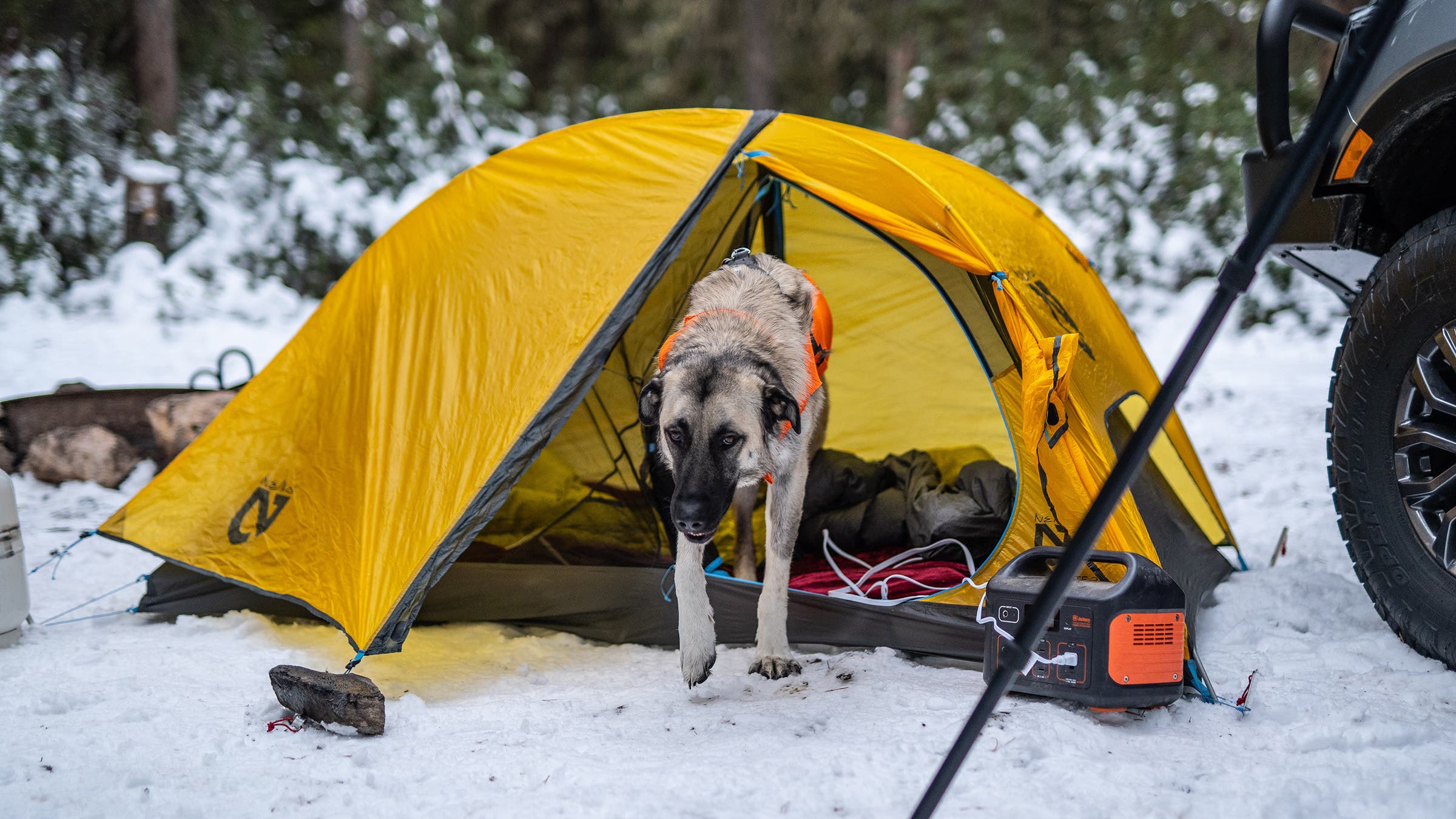
Tents can protect you from wind and rain, but they do not always keep you warm. Using extra gear helps keep your body heat inside.
Adding the right items makes camping in cold weather safer and more comfortable. Here are some useful gear options to stay warm.
Sleeping Bags And Pads
Sleeping bags are made to trap your body heat and block cold air. Choose a sleeping bag rated for the temperature you expect.
Sleeping pads create a barrier between you and the cold ground. They also add comfort and insulation during sleep.
- Use a sleeping bag with good insulation
- Pick a sleeping pad with foam or air layers
- Layer pads for extra warmth on cold nights
Thermal Blankets And Liners
Thermal blankets reflect your body heat back to you. They are lightweight and easy to carry in your backpack.
Sleeping bag liners add an extra layer of warmth inside your sleeping bag. Some liners also keep your bag clean.
- Use thermal blankets to cover yourself inside the tent
- Add liners to increase sleeping bag warmth by several degrees
- Choose liners made from silk or fleece for comfort
Portable Heaters And Heat Packs
Portable heaters can provide extra warmth inside larger tents. Always use them safely to avoid fire or carbon monoxide risks.
Heat packs are small and easy to use. You can put them in your pockets or sleeping bag to warm your hands and feet.
- Use portable heaters only with good ventilation
- Keep heat packs close to your body for best effect
- Choose reusable heat packs to save money
Setting Up For Warmth
Keeping warm in a tent depends on how you set up your campsite. Small choices can make a big difference in staying cozy.
This guide covers selecting your campsite, orienting your tent, and insulating the ground for better warmth.
Selecting The Best Campsite
Choose a spot that helps keep your tent warm by avoiding cold or wet areas. Look for natural shelters.
- Pick a flat area to avoid cold air pooling.
- Avoid low spots where water can collect.
- Find a spot near trees or bushes to block wind.
- Check the ground for dryness and firmness.
Tent Orientation And Wind Protection
Point your tent’s smallest side toward the wind. This lowers wind pressure and heat loss inside.
Use natural windbreaks like bushes or rocks. If needed, build a simple wind barrier with tarps or branches on the wind side.
| Wind Direction | Best Tent Orientation | Protection Tip |
|---|---|---|
| North | Face tent south | Use trees on north side |
| East | Face tent west | Set up near rocks |
| West | Face tent east | Build tarp shield |
| South | Face tent north | Use bushes as windbreak |
Ground Insulation Techniques
Cold ground steals body heat. Use layers to add insulation under your sleeping area.
- Lay a ground tarp to block moisture.
- Place foam pads or closed-cell mats on top.
- Add blankets or emergency space blankets for extra warmth.
- Use natural materials like pine needles or dry leaves under the pad.
Clothing Tips For Cozy Camping
Camping in a tent can be cold at night. Your clothes help keep you warm inside the tent. Picking the right clothes is very important.
Good clothing keeps your body heat in and stops cold air from reaching you. This guide shares simple tips to stay warm while camping.
Layering Strategies
Wearing layers traps warm air close to your body. You can add or remove layers to stay comfortable.
Start with a tight base layer that moves sweat away. Add a warm middle layer for insulation. Finish with a wind and water-resistant outer layer.
- Base layer: thin and moisture-wicking
- Middle layer: fleece or wool for warmth
- Outer layer: protects from wind and rain
Material Choices
Choose clothing made from warm, breathable materials. Wool and fleece keep you warm even when damp. Avoid cotton because it holds moisture.
Synthetic fabrics dry quickly and work well as base layers. Wool layers add extra warmth. A good jacket should block wind and rain.
- Wool: warm and moisture resistant
- Fleece: lightweight and insulating
- Polyester or nylon: dries fast
- Cotton: avoid, stays wet and cold
Keeping Dry And Warm
Wet clothes make you cold fast. Keep your clothes dry by wearing waterproof gear outside. Change out of wet clothes quickly.
Wear waterproof boots and rain jackets. Use hats and gloves to stop heat loss. Dry your clothes near a campfire or inside your tent if safe.
- Use waterproof outerwear
- Carry extra dry socks and gloves
- Change wet clothes as soon as possible
- Cover your head with a warm hat
Credit: www.outsideonline.com
Common Mistakes To Avoid
Keeping warm in a tent is important for a good camping trip. Many campers make simple mistakes that cause cold nights. Avoiding these errors helps you stay comfortable and safe.
This guide covers three common mistakes to avoid when camping in cold weather. Learn how to prevent poor ventilation, ignoring weather forecasts, and packing errors.
Poor Ventilation Risks
Many campers think closing the tent fully keeps them warm. But poor ventilation traps moisture inside. This can make the air cold and damp.
- Condensation builds up on tent walls and gear.
- Damp clothes and sleeping bags lose heat quickly.
- Breathing in moist air feels colder and harder.
- Mold and mildew can grow in wet tents.
Keep vents open or crack a window to let fresh air in. This reduces moisture and keeps the tent warmer over time.
Ignoring Weather Forecasts
Not checking the weather before camping can lead to surprise cold or storms. Weather changes fast in the outdoors. Being unprepared risks your warmth and safety.
| Weather Factor | Risk If Ignored | How to Prepare |
| Temperature Drop | Sleep cold, risk hypothermia | Bring extra warm layers |
| Rain or Snow | Wet gear, cold inside tent | Use waterproof tent and covers |
| Wind | Chill factor lowers tent warmth | Set tent in sheltered spot |
Overpacking Or Underpacking Gear
Packing too much or too little gear can cause cold problems. Carrying heavy gear tires you out. Carrying too little leaves you without needed warmth.
- Overpacking adds weight and slows you down.
- Underpacking means missing layers or sleeping bags.
- Both affect how well you stay warm at night.
- Choose gear that fits the weather and your needs.
Frequently Asked Questions
Do Tents Provide Sufficient Warmth In Cold Weather?
Tents offer basic shelter but limited warmth by themselves. Insulation, sleeping bags, and heat sources are essential for cold conditions. Properly designed tents reduce wind chill and retain some heat, but additional gear is crucial for staying warm.
How Does Tent Material Affect Warmth Retention?
Tent materials like nylon or polyester impact warmth by blocking wind and moisture. Double-wall tents with an inner mesh and outer rainfly trap heat better. Material breathability also prevents condensation, improving comfort and warmth inside the tent.
Can Tents Trap Body Heat Effectively?
Tents can trap some body heat, especially small, well-sealed models. However, ventilation is necessary to prevent moisture buildup. Using insulated sleeping pads and warm clothing enhances heat retention, making tents more effective at keeping occupants warm.
Does Tent Size Influence Warmth Inside?
Smaller tents retain heat better by reducing air volume and heat loss. Larger tents lose warmth faster due to increased air space. Choosing a tent size that fits occupants snugly helps maintain warmth in cold weather.
Conclusion
Tents can provide warmth, but not always enough. Choosing the right tent is crucial. Consider materials and insulation. Layer up inside for extra heat. A sleeping bag helps too. Proper ventilation prevents condensation. It keeps you dry and warmer. A tent’s location matters as well.
Avoid windy or exposed areas. Cold weather camping needs preparation. Staying warm involves multiple strategies. Tents play a part, but not the only role. Always pack wisely and plan ahead. Comfort depends on how well you prepare. Safe camping ensures better warmth and enjoyment.
Remember these tips for a cozy camping experience.