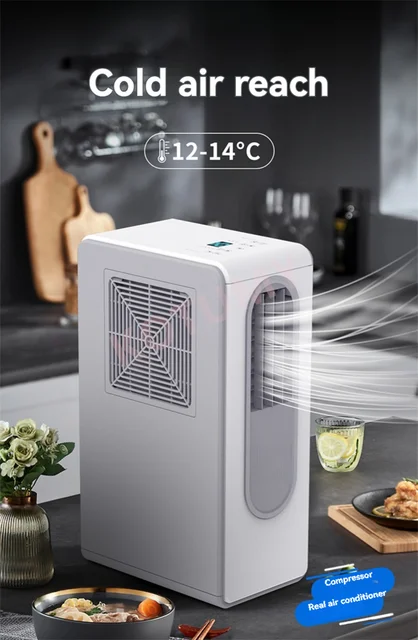
Are you tired of dealing with bulky air conditioners and complicated installation? You might be wondering if there’s a simpler way to stay cool without the hassle of an exhaust hose.
Imagine having a portable air conditioner that cools your space without needing to vent hot air outside. Sounds too good to be true? Keep reading, because we’re about to explore if such a device exists and what options you have to beat the heat without the usual setup headaches.
Your comfort could be easier to achieve than you think.
Types Of Portable Air Conditioners
Standard portable unitsneed an exhaust hoseto push hot air outside. They cool a room by removing heat and moisture. These units are easy to move but require a window or door for the exhaust. Without proper venting, they won’t cool effectively.
Exhaust-free modelsdo not use a hose. Instead, they use water or other cooling methods inside. They are quieter and more flexible but usually cool less powerfully. These are good for small spaces or when venting is not possible.
Evaporative coolerswork by adding moisture to the air. They use water to cool down the room. These coolers are energy-efficient and do not need an exhaust hose. Best for dry climates, they also improve air humidity.
How Portable Acs Without Exhaust Work
Portable air conditioners without exhaust use a special way to cool air. They work by circulating air through water or iceinside the unit. This process cools the air before it comes out. These units do not need a hose to push hot air outside.
Cooling happens as the warm air passes over cool surfacesinside the machine. The air loses heat and feels cooler. This method is called evaporative coolingor air cooling.
| Limitations | Efficiency |
|---|---|
| Works best in dry places | Less powerful than regular ACs |
| Cannot lower room temperature much | Uses less energy |
| Needs water or ice refills | Good for small spaces |
Benefits Of Exhaust-free Portable Acs
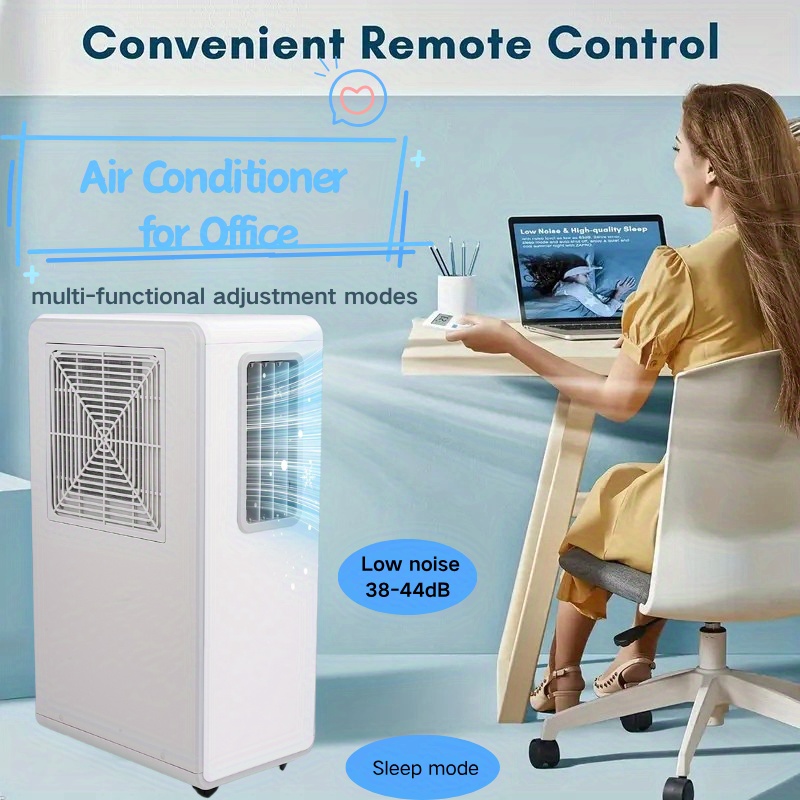
Exhaust-free portable air conditionersare very easy to install. They do not need a window or vent. You just place them in the room. This saves time and effort.
They offer great mobility and flexibility. You can move them from room to room. No need to worry about setting up vents. Perfect for renters or people who change rooms often.
| Energy Consumption | Explanation |
|---|---|
| Lower Energy Use | Without an exhaust fan, these units use less power. |
| Efficient Cooling | They cool small spaces well without wasting energy. |
| Cost Savings | Reduced energy use means lower electricity bills. |
Credit: www.temu.com
Drawbacks To Consider
Portable air conditioners without exhaust have limited cooling power. They usually cool small spaces only. Rooms may feel warmer than expected.
These units often cause humidity problems. Moisture builds up inside the room. This can make the air feel sticky or damp. Mold and mildew might grow over time.
Noise levelscan be higher. Without an exhaust system, the machine works harder and louder. This can disturb sleep or work.
Comparing Exhaust-free Acs With Traditional Models
Portable air conditioners without exhaust hoses are rare and often less effective. Traditional models need an exhaust to remove hot air, making them more efficient at cooling rooms. Choosing between them depends on your space and cooling needs.
Performance Differences
Exhaust-free portable air conditionerscool rooms without a vent hose. They use water or ice to cool air. This method can be less effective in very hot places. Traditional portable ACs use an exhaust hose to push hot air outside. This makes them better at cooling large rooms quickly.
Cost Comparison
| Type | Initial Cost | Energy Use |
|---|---|---|
| Exhaust-Free AC | Usually cheaper | Uses less energy |
| Traditional AC | Often more expensive | Consumes more power |
Maintenance Needs
- Exhaust-free modelsneed regular water refills.
- Filters must be cleaned often for good air quality.
- Traditional units require hose cleaning and filter changes.
- Both types need basic upkeep to work well.
Best Use Cases For Exhaust-free Portable Acs
Portable air conditioners without exhaustare ideal for places where venting is hard or not allowed. They work well in small spaceslike tiny apartments or offices. Such ACs cool the air without needing a window or wall vent.
They offer temporary cooling solutionsfor events, camping, or short stays. Easy to move and set up, they provide cool air quickly. No need to worry about installing ducts or holes.
Good for areas with venting restrictions, like rented homes or rooms where modifications are forbidden. These ACs avoid damage to walls or windows. Perfect for places with strict rules or historic buildings.
Top Brands And Models To Consider
Some brands offer portable air conditioners without exhaust hoses, using water or ice for cooling. Models like Evapolar and Zero Breeze provide compact, hose-free options for small spaces. These units work best for personal cooling rather than large rooms.
Popular Exhaust-free Units
Some portable air conditioners work without an exhaust hose. These units use water evaporation to cool rooms. Brands like Evapolarand Honeywelloffer small, compact models. They are best for small rooms or personal spaces. These units do not remove hot air but cool by adding moisture. Ideal for dry climates. Easy to move and use anywhere.
Customer Reviews And Ratings
Users like exhaust-free units for their quiet operationand portability. Many say these work well in small spaces. Some mention limited cooling power for larger rooms. Customers appreciate the simple setupwithout needing windows. Ratings often range from 3 to 4 stars. Good choice for budget-friendlycooling. Not the best for very hot days.

Credit: www.cnet.com
Tips For Choosing The Right Portable Ac
Measure the room sizebefore choosing a portable AC. Small rooms need less power. Big rooms require more cooling power. A unit too small will not cool well. Too big wastes energy.
Check the energy efficiency rating. Look for models with a high Energy Efficiency Ratio (EER). Higher EER means lower electricity bills. It helps save money and is better for the environment.
Consider noise levels. Quiet models make it easy to work or sleep. Look for units labeled as low noiseor silent. Also, check portability features. Wheels and handles make moving easier. Smaller, lighter units are better for carrying.

Credit: www.amazon.com
Frequently Asked Questions
Do Portable Air Conditioners Need Exhaust Hoses?
Yes, most portable air conditioners require exhaust hoses. They vent hot air outside, improving cooling efficiency. Without exhaust, the unit recirculates warm air, reducing effectiveness and increasing room temperature.
Are There Portable Acs Without Exhaust Hoses?
Some portable ACs claim to work without exhaust hoses. These are evaporative coolers or air coolers. They add moisture and cool air but don’t lower room temperature like traditional ACs.
How Effective Are Exhaust-free Portable Air Conditioners?
Exhaust-free models cool by adding moisture, not removing heat. They work best in dry climates but struggle in humid areas. They are less effective than units with exhaust hoses for true cooling.
Can I Use A Portable Ac Without An Exhaust Hose?
Using a portable AC without an exhaust hose is not recommended. It causes heat buildup inside, reducing cooling performance. Proper venting through an exhaust hose is essential for optimal cooling.
Conclusion
Portable air conditioners without exhaust are rare. Most need a vent to work. Some use evaporative cooling as an alternative. These work best in dry climates. They cool air by adding moisture. This method can be effective and energy-efficient. But, it’s not for everyone.
Consider your climate and needs. Think about room size and humidity. Research options carefully. Find what fits your space. Choosing wisely ensures comfort. Always balance convenience with efficiency.