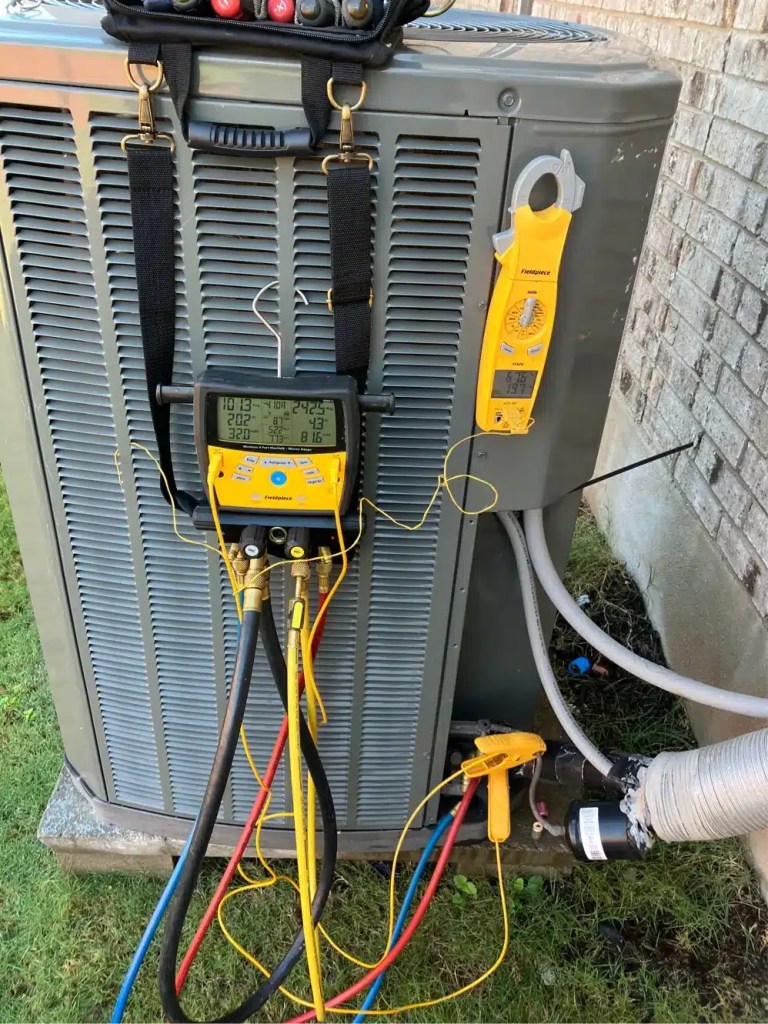
Are you curious about what’s inside your air conditioner? You might have heard the word “Freon” and wondered if it’s still used today.
Understanding what powers your cooling system can help you make smarter choices for your home and the environment. Keep reading to find out if Freon is still a part of your air conditioner and what that means for you.
Freon And Its Role In Air Conditioning
Freonis a type of refrigerant once widely used in air conditioners. It helps cool the air by moving heat from inside a room to outside. The chemical works in a cycle inside the AC system.
In the AC, Freon absorbs heatfrom indoor air. It changes from a liquid to a gas as it takes heat. Then, the gas moves outside where it releases heat and turns back to liquid.
This cycle repeats to keep the room cool. Freon’s roleis crucial because it carries heat away efficiently. Newer systems use different refrigerants due to environmental rules.

Credit: atlasacrepair.com
Environmental Impact Of Freon
Freonis known for harming the ozone layer. This layer protects Earth from the sun’s harmful rays. Chemicals in Freon cause the ozone to thin, leading to more UV rays reaching us. This can cause skin cancer and harm animals and plants.
Freon also has a high global warming potential (GWP). It traps heat in the atmosphere more than carbon dioxide. This increases Earth’s temperature and affects weather patterns. Because of this, many countries have banned or limited Freon’s use.
| Impact | Description |
|---|---|
| Ozone Depletion | Freon breaks down ozone, causing harmful UV rays to reach Earth. |
| Global Warming Potential | Freon traps heat much more than carbon dioxide, warming the planet. |
Regulations Affecting Freon Use
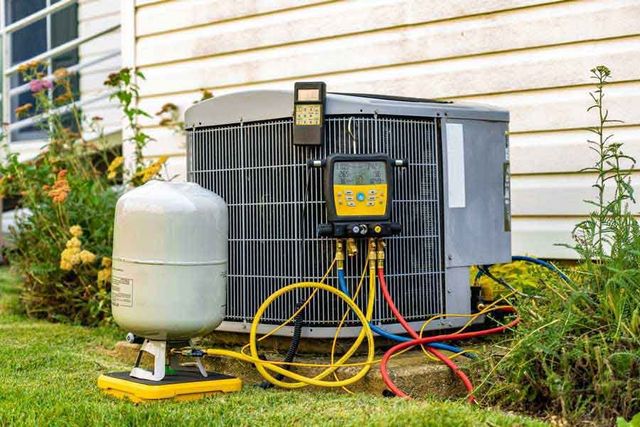
The Montreal Protocolis an international agreement to protect the ozone layer. It limits the use of chemicals like Freonthat harm the environment. Countries agreed to reduce and stop using these harmful gases.
Many types of Freon have been phased outin recent years. This means they are no longer made or used in new air conditioners. Some older systems still use Freon but must be handled carefully.
| Year | Action | Details |
|---|---|---|
| 1987 | Montreal Protocol Signed | Agreement to phase out ozone-depleting substances |
| 1996 | Phase-out of CFCs | Freon types like R-12 stopped in new equipment |
| 2010 | HCFC Phase-out Begins | Restrictions on Freon types like R-22 increased |
| 2020 | HCFC Phase-out Deadline | Most production and import of R-22 banned |
Credit: www.iecomfortac.com
Modern Alternatives To Freon
Many air conditioners now use eco-friendly refrigerantsinstead of Freon. These new refrigerants cause less harm to the environment. They help reduce the greenhouse effectand protect the ozone layer.
Some common alternatives include R-410A and R-32. These gases have a lower global warming potential. They are also more energy efficient, which saves money on electricity bills.
- Safer for the environment
- Better cooling performance
- Less damage to the ozone layer
- Helps reduce energy use
Current Use Of Freon In Air Conditioners
Freon is a brand name for a group of chemicals called chlorofluorocarbons (CFCs). Older air conditioners often use Freon as a refrigerant. It cools the air by moving heat from inside to outside the house.
Newer AC units use environmentally safer refrigerantslike R-410A. These do not harm the ozone layer as Freon does. Many countries have banned or limited Freon in new equipment.
| Type of AC Unit | Refrigerant Used | Service Availability |
|---|---|---|
| Older Units | Freon (R-22) | Limited; Freon is harder to find and expensive |
| Newer Units | R-410A or other modern refrigerants | Widely available; easier and cheaper to service |
Repair shops still service older units but with caution. Freon supplies are shrinking due to regulations. New AC units are better for the environment and easier to maintain.

Credit: r10heatandair.com
Choosing The Right Refrigerant For Your Ac
Choosing the right refrigerant for your air conditioner depends on costand efficiency. Some refrigerants are cheaper but less efficient. Others cost more but save energy. This balance affects your monthly bills and the environment.
Older AC units often use Freon(R-22), which is being phased out due to environmental rules. Newer systems use refrigerants like R-410Aor R-32. These are more energy-efficient and safer for the ozone layer.
Think about:
- How much the refrigerant costs now and in the future.
- Energy savings and how it affects your bills.
- Environmental impact and legal rules.
- Compatibility with your AC system.
Frequently Asked Questions
Do Modern Air Conditioners Still Use Freon?
Most modern air conditioners no longer use Freon. Freon, or R-22, has been phased out due to environmental harm. New units use eco-friendly refrigerants like R-410A, which are safer for the ozone layer and more energy-efficient.
Why Was Freon Banned In Air Conditioners?
Freon was banned because it damages the ozone layer. Its chemical makeup releases harmful chlorine atoms when leaked. This environmental impact led to global regulations limiting its production and use in cooling systems.
What Refrigerants Replaced Freon In Ac Units?
R-410A and R-32 are common Freon replacements. These refrigerants are more efficient and environmentally friendly. They do not deplete the ozone layer and help improve air conditioner performance.
Can I Still Service An Ac With Freon?
Yes, servicing Freon-based ACs is possible but costly. Since Freon is phased out, it’s harder to find and expensive. Many recommend upgrading to newer systems for better efficiency and availability.
Conclusion
Freon use in air conditioners is now limited. New rules favor safer, eco-friendly refrigerants. Many older systems still contain Freon but need careful handling. Switching to modern refrigerants helps protect the environment. Understanding this change keeps your AC running smoothly.
Stay informed about updates in air conditioner technology. This knowledge saves energy and reduces pollution. It’s a small step for a cleaner future.