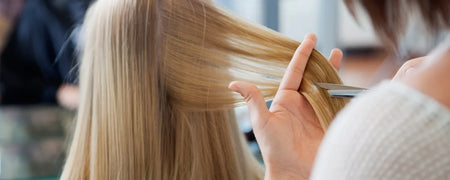
Are you wondering if thinning shears might be harming your hair? You’re not alone.
Many people worry that these popular tools could cause damage instead of helping their hairstyle. The truth is, thinning shears can either improve your hair’s look or leave it weaker—depending on how they’re used. Keep reading to discover what you need to know to protect your hair and get the best results every time you reach for those scissors.
Your hair deserves the right care, and understanding thinning shears is the first step.
How Thinning Shears Work
Thinning shears help reduce hair thickness without cutting all hair strands. They have a unique design that blends hair smoothly.
These shears are useful for styling and shaping hair by removing bulk. They create a softer look than regular scissors.
Design And Function
Thinning shears look like scissors but have teeth on one or both blades. These teeth cut only some hair strands at once.
- The teeth help remove sections of hair evenly.
- This reduces hair volume without changing the overall length.
- They create texture and blend layers smoothly.
- The shears can be used on wet or dry hair.
Difference From Regular Scissors
| Feature | Thinning Shears | Regular Scissors |
| Blade Design | One or both blades have teeth | Both blades are smooth |
| Cut Type | Partial hair strands cut | All hair strands cut |
| Purpose | Reduce bulk and texture hair | Cut hair length precisely |
| Use | Blending and thinning hair | Shaping and trimming hair |

Credit: www.reddit.com
Common Myths About Thinning Shears
Thinning shears are a popular tool used by hairstylists. They help reduce hair bulk without changing the overall style.
Many people have questions about how thinning shears affect hair health. Let’s explore some common myths.
Myth: They Cause Hair Breakage
Some believe thinning shears break hair strands. This is not true if used correctly.
Thinning shears cut hair strands evenly and gently. They do not pull or snap hair like rough brushing might.
Myth: They Make Hair Thinner Over Time
People worry that thinning shears cause hair to become thin permanently. This is false.
Thinning shears only remove some hair strands during a haircut. Hair grows back normally after.
Myth: They Damage Hair Cuticles
Many think thinning shears harm the hair cuticle layer. This is a myth.
Thinning shears make clean cuts and do not tear the hair cuticle. Proper use keeps hair healthy.
Scientific Facts On Hair Health
Thinning shears are popular tools for hairstylists. They are used to reduce hair volume and create texture.
Understanding their impact on hair health is essential. Let’s explore scientific insights on how thinning shears affect hair.
Impact On Hair Structure
Thinning shears have teeth that cut some hairs while leaving others intact. This can make hair appear thinner and more layered.
- Thinning shears can cause split ends if not used correctly.
- Overuse may lead to weakened hair strands.
- Improper technique might cause uneven hair texture.
Safe Usage Guidelines
Using thinning shears safely can help maintain healthy hair. Follow these guidelines for best results.
| Tip | Benefit |
| Use on dry hair | Better visibility and control |
| Limit frequency | Reduces risk of damage |
| Consult a professional | Ensures proper technique |

Credit: theradome.com
Expert Tips For Using Thinning Shears
Thinning shears are a useful tool for reducing hair thickness. They help create texture and blend layers smoothly.
Using them correctly is important to avoid damage and keep hair healthy. Learn how to pick the right shears and use proper techniques.
Choosing The Right Shears
Pick thinning shears with sharp blades to cut cleanly. Dull shears can pull and damage hair strands.
Choose shears that feel comfortable in your hand. This helps you control the cutting better.
- Look for quality steel blades
- Choose the right blade teeth count (usually 15-30 teeth)
- Pick ergonomic handles for comfort
Proper Techniques
Use thinning shears on dry hair for better control. Cut small sections to avoid over-thinning.
Open and close the shears gently. Avoid cutting too close to the scalp to prevent damage.
- Work slowly and check hair frequently
- Use a comb to separate sections
- Cut hair at an angle for natural blending
When To Avoid Thinning Shears
Avoid thinning shears on very fine or damaged hair. They can make hair look thinner and weaker.
Do not use thinning shears on curly hair if you want to keep the curl shape. It may cause frizz and uneven texture.
- Fine or brittle hair
- Very short haircuts
- Curly hair needing volume
Alternatives To Thinning Shears
Thinning shears can sometimes damage hair if used incorrectly. There are other ways to add texture without risking harm. These methods help keep hair healthy and stylish.
Two popular alternatives are texturizing razors and the point cutting method. Both techniques create natural movement and volume in hair.
Texturizing Razors
Texturizing razors use a sharp blade to remove bulk and add layers. They give a soft, feathered look. This method works well on thick or coarse hair.
- Use gentle strokes to avoid over-thinning.
- Work on dry hair for better control.
- Focus on the ends to create natural texture.
- Avoid razoring very fine or damaged hair.
Point Cutting Method
Point cutting uses scissors to cut into the hair ends at an angle. This softens blunt edges and adds movement. It is a safe way to thin hair gradually.
| Technique | Benefit |
| Cutting at an angle | Creates softer edges |
| Short, quick snips | Adds volume without bulk |
| Working in small sections | Controls the amount of hair removed |

Credit: www.jpscissors.com
Maintaining Healthy Hair After Thinning
Thinning shears can help shape hair but may cause damage if not used well. Taking care of your hair after thinning is important. Good routines keep hair strong and healthy.
Learn ways to care for your hair and the best products to use. This will protect your hair and help it grow well.
Hair Care Routines
Keep your hair clean but avoid harsh washing. Use gentle shampoos and conditioners. Do not brush hair roughly after thinning.
- Wash hair 2-3 times a week with mild shampoo
- Use conditioner to soften and protect hair
- Pat hair dry with a towel, do not rub
- Use a wide-tooth comb to detangle hair
- Avoid heat styling tools or use low heat
Recommended Products
Choose products that add moisture and strength. Avoid heavy products that weigh hair down. Natural oils and light serums work well.
| Product Type | Benefits |
| Moisturizing Shampoo | Keeps hair hydrated without stripping oils |
| Light Conditioner | Softens hair and prevents breakage |
| Argan Oil | Adds shine and repairs damage |
| Leave-in Serum | Protects hair from heat and dryness |
Frequently Asked Questions
Do Thinning Shears Cause Hair Breakage?
Thinning shears, when used properly, do not cause hair breakage. They selectively remove bulk, reducing hair thickness gently. Incorrect use or excessive thinning can cause damage, so professional handling is important to keep hair healthy and intact.
How Often Should Thinning Shears Be Used?
Thinning shears should be used sparingly, ideally every few weeks. Overuse can lead to uneven texture or damage. Use them only to remove bulk or blend layers for a natural, healthy look without stressing the hair.
Can Thinning Shears Damage Fine Hair?
Thinning shears can damage fine hair if overused or improperly handled. They may cause split ends or excessive thinning. It’s best to consult a stylist for fine hair to ensure safe and effective use, preserving hair strength and volume.
Are Thinning Shears Safe For Damaged Hair?
Thinning shears can be safe for damaged hair if used gently by professionals. They help reduce bulk without harsh cutting. However, excessive use can worsen damage, so careful application and proper hair care are essential for maintaining health.
Conclusion
Thinning shears do not harm hair when used carefully. They help remove bulk and create texture. Using them too often or wrongly can cause split ends. Choose a skilled stylist for best results. Regular hair care keeps strands healthy and strong.
Thinning shears are a useful tool, not a danger. Keep your hair trimmed and well-moisturized. This way, your hair stays shiny and smooth.