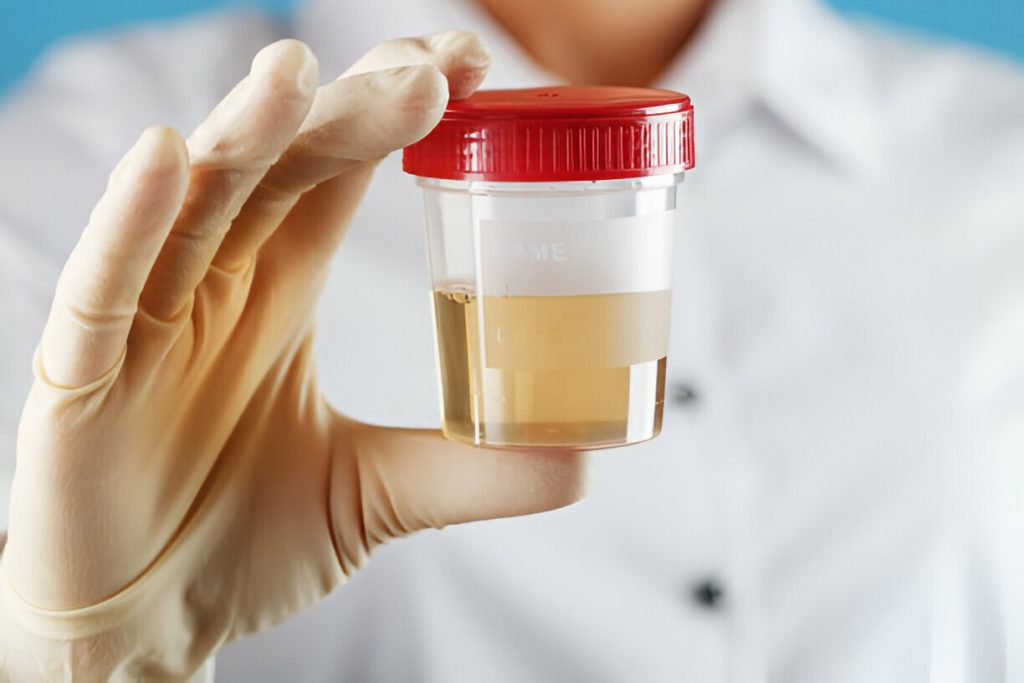
Have you ever found yourself puzzled about how to handle a urine specimen properly? You’re not alone.
Whether it’s for a routine check-up, a medical condition, or a research project, knowing whether to refrigerate a urine sample can be confusing. This seemingly simple task can impact the accuracy of test results, which can be crucial for your health or the health of someone you care about.
But worry not, because we’re about to unravel this mystery for you. Get ready to discover essential tips and insights that will ensure you handle urine specimens correctly, preserving their integrity and ensuring reliable results. Let’s dive in and clear up any confusion you may have!
Why Refrigeration Matters
Refrigerating urine specimens is more than just a recommendation—it plays a key role in keeping the sample reliable for testing. Without proper storage, the sample’s composition can change, leading to inaccurate results. Understanding why refrigeration matters helps you handle specimens correctly and avoid common pitfalls.
Impact On Sample Quality
Urine contains delicate substances that can break down quickly at room temperature. This breakdown can alter the chemical balance and affect test outcomes. For example, glucose and protein levels might appear lower than they actually are if the sample isn’t chilled.
Think about how fresh food spoils faster when left out. Urine samples behave similarly, losing their original state. By refrigerating, you slow down chemical changes and keep the sample as close to the original as possible.
Preventing Bacterial Growth
Bacteria multiply rapidly in urine if it stays warm. This growth can cloud the sample and produce misleading results. You don’t want a test to suggest an infection that wasn’t really there.
Keeping urine cold acts like a pause button for bacteria. It halts their growth and protects the sample’s integrity. Have you ever noticed how milk stays fresh longer in the fridge? Urine samples need that same careful treatment.
When To Refrigerate Urine Samples
Knowing when to refrigerate urine samples is crucial to getting accurate test results. Urine can change quickly after collection, so handling it properly matters. Let’s look at key moments when refrigeration becomes necessary to preserve the sample’s integrity.
Timeframe Before Testing
Urine samples should ideally be tested within 1 to 2 hours after collection. If testing is delayed beyond this, bacteria can multiply, and chemical changes may occur.
Refrigeration slows down these changes, keeping the sample stable. If you can’t deliver the sample to the lab quickly, place it in the fridge to avoid inaccurate results.
Have you ever wondered why a sample left at room temperature sometimes gives unexpected results? That’s often because it wasn’t refrigerated in time.
Types Of Tests Requiring Refrigeration
Not all urine tests need refrigeration, but some definitely do to ensure accuracy. Tests for bacterial culture, glucose, and some hormones require the sample to be kept cold.
- Bacterial Cultures:Refrigeration prevents overgrowth or death of bacteria.
- Glucose Testing:Helps stop glucose from breaking down before analysis.
- Pregnancy Hormone Tests:Maintains hormone stability in the sample.
If your doctor orders a test like this, ask if you need to refrigerate the urine after collection. It’s a simple step that can save you from repeating tests or getting false results.
Proper Storage Techniques
Proper storage techniques for urine specimens are crucial to maintain the accuracy of test results. If specimens are not stored correctly, bacterial growth or chemical changes can alter the sample, leading to misleading outcomes. Understanding the right conditions helps you preserve the integrity of the specimen from collection to analysis.
Ideal Temperature Range
Urine specimens should typically be stored at temperatures between 2°C and 8°C (36°F to 46°F). This cold environment slows down bacterial growth and chemical changes in the sample.
If refrigeration isn’t possible immediately, the sample should be tested within two hours of collection to avoid degradation. Have you ever waited too long to refrigerate a specimen and noticed unusual test results? That delay could be the reason.
Using Clean Containers
Always collect urine in a clean, sterile container to prevent contamination. Using a container with a secure lid reduces the risk of spills and exposure to air, which can affect the sample’s quality.
Make sure containers are labeled clearly with the patient’s information. This simple step avoids mix-ups and ensures accurate identification during testing. You might think a quick rinse is enough, but only sterile containers guarantee reliable results.
Credit: jdos.nicholsinstitute.com
Consequences Of Improper Storage
Failing to store urine specimens properly can cause serious problems that affect the reliability of your test results. You might think leaving a sample out at room temperature is harmless, but it can quickly lead to issues that could mislead your healthcare provider. Understanding these consequences helps you see why refrigeration is often necessary.
Sample Degradation
Urine samples left unrefrigerated break down over time. Bacteria multiply rapidly, changing the chemical makeup of the sample. This degradation can cause cloudiness, foul odors, or color changes that weren’t present at collection.
These changes don’t just affect appearance—they alter the substances in the urine. For example, glucose levels can decrease, and cells may disintegrate. Have you ever noticed a smell or color difference in a sample left out too long? That’s a clear sign of degradation.
Inaccurate Test Results
Improper storage can skew the data labs rely on. Tests for infections, kidney function, or drug screening depend on stable samples. If a specimen isn’t kept cold, bacteria growth or chemical changes can produce false positives or negatives.
This means your doctor might receive incorrect information, leading to wrong diagnoses or unnecessary treatments. Think about how much trust you place in these tests—would you want decisions made on faulty data? Keeping your urine specimen refrigerated helps maintain accuracy and protects your health decisions.
Transporting Urine Specimens
Transporting urine specimens correctly is crucial to ensure accurate test results. The way you handle these samples during transit can directly affect their quality. Small mistakes in temperature control or timing can lead to unreliable lab outcomes.
Maintaining Temperature During Transit
Urine specimens often need to be kept cool, but not frozen, to preserve their chemical and cellular components. Using a cooler with ice packs is a simple and effective way to maintain the right temperature.
Have you ever noticed how quickly a sample warms up if left in a warm car? That’s why it’s important to monitor the storage conditions closely. Labeling the transport container with temperature requirements can help prevent mishandling by others involved in the process.
Handling Delays
Delays in transporting urine samples can happen for many reasons, such as traffic or lab backlog. These delays can compromise the specimen’s integrity if the sample isn’t refrigerated or kept cool.
If you expect a delay, consider immediate refrigeration at the collection site. This simple step can extend the sample’s viability significantly and keep your test results accurate.
What backup plans do you have in place if your specimen cannot reach the lab on time? Thinking ahead about delays can save you from repeated tests and extra costs.
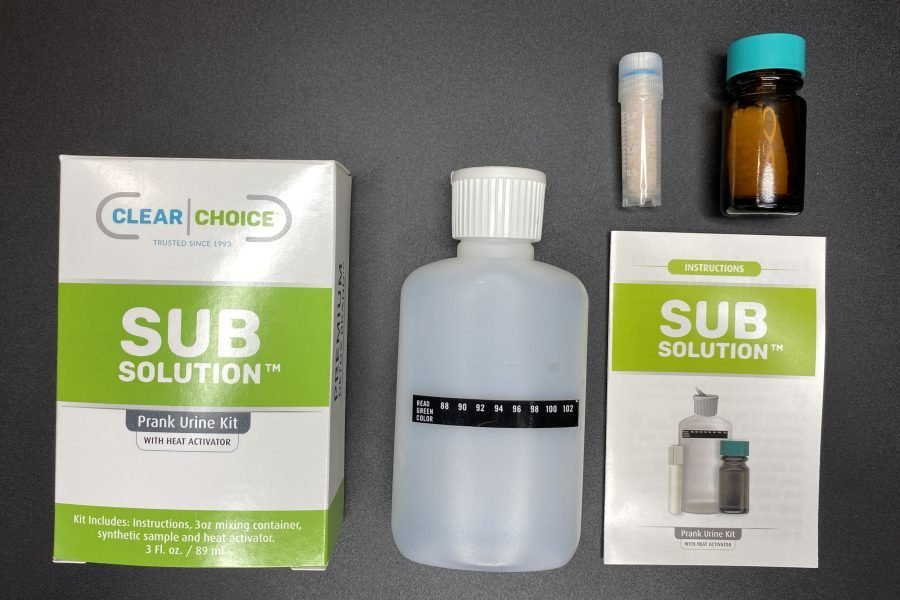
Credit: drgarycohen.com
Special Cases And Exceptions
Not all urine specimens are treated the same when it comes to refrigeration. Some special cases require extra care to ensure accurate test results. Understanding these exceptions helps you handle your samples correctly and avoid invalid tests.
24-hour Urine Collection
This type of collection involves gathering all urine you produce over an entire day. Because the sample spans many hours, it must be kept cool to prevent bacteria growth and chemical changes.
Refrigeration or using a special cooler with ice packs is essential during the collection period. Failing to keep the urine cold can lead to misleading results, especially for tests measuring substances like protein or hormones.
Have you ever had to collect urine for a 24-hour test? Remember how critical it was to store it properly. Your attention to this detail directly affects how well your doctor can assess your health.
Home Collection Guidelines
Collecting urine at home comes with its own challenges, especially regarding storage. Many tests require you to refrigerate your specimen immediately after collection until you can deliver it to the lab.
Labs often provide clear instructions, like:
- Use a clean, sterile container.
- Refrigerate the sample within 30 minutes of collection.
- Keep the container sealed to avoid contamination.
- Transport the specimen to the lab as soon as possible, ideally within 24 hours.
If you’re unsure about the storage requirements, ask your healthcare provider. Proper handling at home can prevent sample rejection and save you from retesting.
Credit: drgarycohen.com
Frequently Asked Questions
Do Urine Specimens Require Refrigeration Immediately?
Yes, most urine specimens need refrigeration within two hours. This slows bacterial growth and preserves sample integrity for accurate testing.
How Long Can Urine Samples Stay Unrefrigerated?
Urine samples should not stay unrefrigerated for more than two hours. Prolonged room temperature storage risks contamination and invalid test results.
What Temperature Is Ideal For Storing Urine Specimens?
Urine specimens are best stored at 2-8°C (36-46°F). This range helps maintain sample stability until laboratory analysis.
Can Unrefrigerated Urine Affect Test Results?
Yes, unrefrigerated urine can cause bacterial overgrowth and chemical changes, leading to inaccurate or invalid test outcomes.
Conclusion
Proper storage of urine specimens helps keep test results accurate. Cooling samples slows down bacteria growth and chemical changes. Most urine tests require refrigeration within two hours after collection. Without refrigeration, samples can become unreliable and cause wrong diagnoses. Always follow your healthcare provider’s instructions about storing urine.
Taking care of specimens ensures better health decisions. Simple steps make a big difference in test accuracy. Remember, proper handling saves time and avoids repeated tests.