Are you wondering if your wall oven needs to be vented? It’s a question many homeowners face when installing or upgrading their kitchen appliances.
Proper venting can affect your cooking experience, safety, and even your kitchen’s air quality. You’ll discover exactly why venting matters, when it’s necessary, and how it impacts your home. By the end, you’ll feel confident about making the right choice for your wall oven and your kitchen.
Keep reading to find out what every homeowner should know!
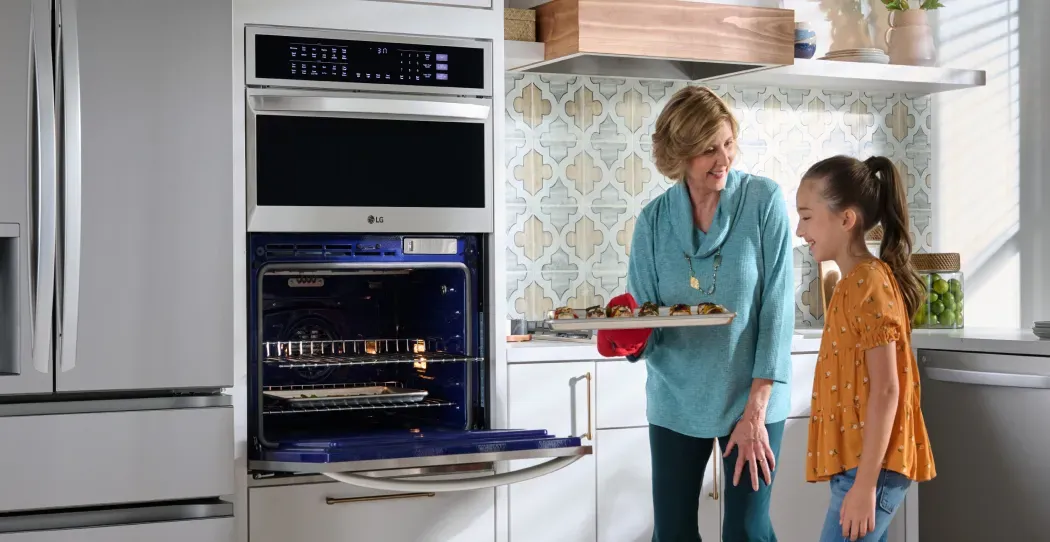
Credit: www.woodcocks.us
Wall Oven Venting Basics
Wall ovens are popular kitchen appliances that fit into cabinetry. They cook food using electric or gas heat.
Proper venting helps keep your kitchen safe and your oven working well. It moves hot air and steam away from the oven.
How Wall Ovens Generate Heat
Wall ovens create heat through electric coils or gas burners. The heat cooks the food inside the oven cavity.
The heat also warms the oven walls and surrounding air. This heat needs to move out to avoid damage and keep the oven cool.
Common Venting Methods
Most wall ovens have built-in vents that release hot air into the kitchen. These vents keep heat from building up inside the oven space.
Some ovens use vent ducts to move hot air outside the home. This helps reduce kitchen heat and moisture.
- Recirculating vents blow air back into the kitchen after filtering
- Direct venting sends hot air outside through ductwork
- Cool touch technology reduces the need for strong venting
Safety Risks Without Proper Venting
Wall ovens generate heat and fumes during cooking. Without venting, these can build up inside your home. This buildup creates several safety concerns.
Proper venting helps remove excess heat and harmful gases. Ignoring venting needs can lead to serious problems.
Heat Buildup Concerns
Heat from a wall oven can rise and get trapped inside cabinets or walls. This can damage kitchen materials and appliances. It also makes the kitchen uncomfortable and unsafe.
- Overheated cabinets may warp or discolor
- Nearby appliances could break down faster
- Excess heat raises room temperature
- Increased risk of burns when touching hot surfaces
Potential Fire Hazards
Without venting, heat and grease can accumulate. This buildup can cause fires in extreme cases. Proper ventilation lowers this risk by removing dangerous elements.
| Risk Factor | Effect |
| Grease buildup | Fuel for fires |
| Excess heat | Damage to kitchen structures |
| Poor airflow | Fire spread acceleration |
Indoor Air Quality Issues
Wall ovens release gases like carbon monoxide and smoke. Without venting, these gases stay indoors. This causes poor air quality and health risks.
Common indoor air quality problems caused by no venting:
- Headaches and dizziness
- Respiratory irritation
- Allergic reactions
- Long-term lung damage
Manufacturer Recommendations
Wall ovens are popular kitchen appliances. Many people ask if they need to be vented. Manufacturers give clear advice on this topic.
Following the manufacturer’s guidelines ensures safe use and good oven performance. It also protects your home from heat and moisture problems.
Installation Guidelines
Manufacturers provide detailed installation instructions. These include whether venting is required for the wall oven model.
Most wall ovens need space around them for air flow. Some models have built-in fans that help with ventilation.
- Follow spacing rules to avoid overheating
- Use proper electrical connections as stated
- Check if the oven needs external venting or recirculating vents
- Install according to local building codes and manufacturer instructions
Warranty And Venting Requirements
Many manufacturers include venting rules in their warranties. Ignoring these rules can void the warranty.
Proper venting helps prevent damage from heat or moisture. This keeps your oven working well and protects your home.
- Check the warranty for venting instructions
- Follow venting requirements to keep warranty valid
- Use recommended venting materials and methods
- Contact the manufacturer if unsure about venting needs
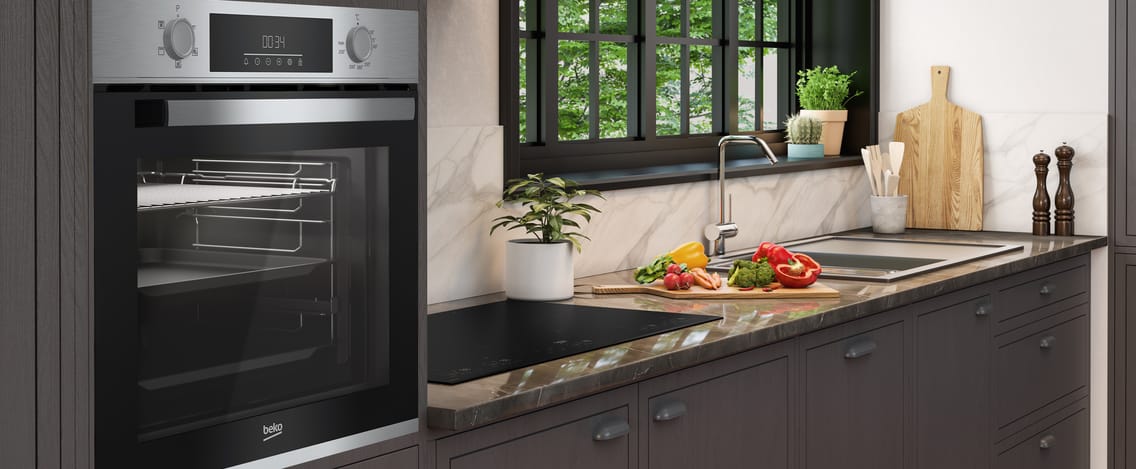
Credit: www.beko.co.uk
Types Of Venting Systems
Wall ovens can produce heat and moisture during cooking. Proper venting helps remove these byproducts. There are two main types of venting systems used for wall ovens.
Understanding these venting options can help you choose the right setup for your kitchen. Each system has its own way of handling air and odors.
Ducted Venting Options
Ducted venting uses a pipe or duct to send air outside your home. This method removes heat, smoke, and moisture effectively.
- Wall or roof vents carry air outdoors.
- Requires installation of ducts behind the oven.
- Helps keep kitchen air fresh and dry.
- Needs proper sealing to avoid leaks.
Ductless Venting Alternatives
Ductless venting does not send air outside. It filters the air and recirculates it back into the kitchen.
| Type | Description | Pros | Cons |
| Charcoal Filters | Filter odors from air | Easy to install, no ducts needed | Needs frequent filter changes |
| Grease Filters | Trap grease particles | Protects oven and kitchen surfaces | Less effective at removing moisture |
Installation Best Practices
Installing a wall oven correctly ensures it works safely and lasts long. Proper ventilation and spacing are key. This guide covers important tips for installation.
Choosing between professional help and doing it yourself affects the installation quality. Read on to learn best practices for both.
Proper Clearance And Spacing
Wall ovens need enough space around them for heat to escape. This prevents overheating and damage. Check your oven’s manual for exact clearance needs.
- Leave at least 2 inches of space on all sides
- Keep the oven away from combustible materials
- Ensure ventilation openings are not blocked
- Do not install the oven inside a closed cabinet without vents
- Maintain space above the oven for heat to rise
Professional Vs. Diy Installation
Professional installers know local codes and safety rules. They use the right tools to vent and connect the oven. This reduces risks of fire or carbon monoxide leaks.
| Installation Type | Pros | Cons |
| Professional | Safe, follows codes, warranty support | Higher cost |
| DIY | Lower cost, flexible timing | Risk of mistakes, may void warranty |
Maintenance And Inspection
Wall ovens are convenient for cooking, but they need proper care. Regular maintenance helps them work well and last longer.
Inspections ensure your oven is safe and efficient. Checking for venting issues is important for performance.
Regular Cleaning Tips
Cleaning your wall oven regularly prevents buildup. Dirt and grease can affect how it works.
- Wipe the interior with a damp cloth after use
- Use mild soap to clean tough stains
- Check and clean the oven door seal
Signs Of Venting Problems
Venting problems can cause your oven to overheat. Watch for signs to fix them early.
- Strange smells during cooking
- Longer cooking times than usual
- Excessive heat around the oven
Energy Efficiency Considerations
Wall ovens are a popular choice in many homes. Their energy efficiency is important. Understanding how venting affects energy use is key.
Energy-saving wall ovens can reduce utility bills. Choosing the right model can make a big difference.
Impact Of Venting On Energy Use
Venting can affect how much energy a wall oven uses. Proper venting helps maintain the right temperature.
Without proper venting, ovens may use more power. This can increase energy bills over time.
- Proper venting helps the oven work efficiently
- Reduces the need for extra cooling
- Prevents heat buildup around the oven
Choosing Energy-saving Wall Ovens
When picking a wall oven, consider energy-saving features. Look for models that offer efficient cooking options.
Energy-efficient ovens can save money on power bills. They often have better insulation and advanced controls.
| Feature | Benefit |
| Self-cleaning | Reduces energy waste |
| Convection cooking | Speeds up cooking time |
| Smart controls | Optimizes energy use |

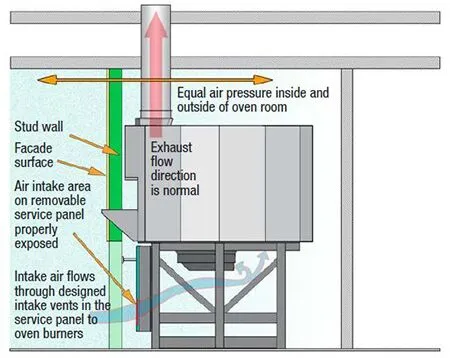
Credit: woodstone-corp.com
Frequently Asked Questions
Do Wall Ovens Require A Ventilation System?
Wall ovens typically do not need external ventilation. They are designed to vent internally. However, proper kitchen ventilation is recommended to manage heat and odors effectively.
How Does Venting Affect Wall Oven Performance?
Venting helps dissipate heat and moisture. Proper airflow prevents overheating and maintains oven efficiency. It also protects surrounding cabinetry from heat damage.
Can Lack Of Venting Cause Safety Issues?
Poor venting can lead to heat buildup. Excess heat may damage walls or cabinets. It can also increase fire risk or trigger smoke alarms.
What Type Of Venting Is Best For Wall Ovens?
Recirculating vents or downdraft systems are common. These options help remove heat without external ductwork. Choose a venting method that suits your kitchen layout.
Conclusion
Wall ovens usually need proper venting to work safely and well. Venting helps remove heat, smoke, and odors from your kitchen. This keeps your cooking area clean and comfortable. Some models have built-in vents, but many require external venting. Check the oven’s manual for specific venting rules.
Proper installation makes your oven last longer and keeps your home safe. Remember, good ventilation improves air quality and cooking results. Choose the right vent option for your wall oven and enjoy better kitchen air every day.