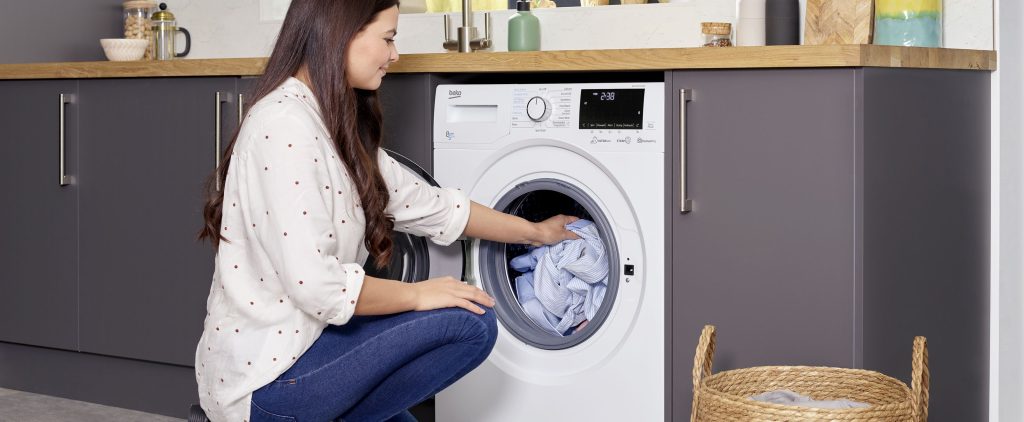
Are you thinking about saving space and time with a washer dryer combo? You might be wondering, “Do washer dryers work as well as separate machines?” It’s a common question, especially when you want clean, dry clothes without the hassle.
You’ll discover the real performance of washer dryers, their pros and cons, and whether they are the right fit for your daily laundry needs. Keep reading to find out if this all-in-one solution can truly make your life easier.
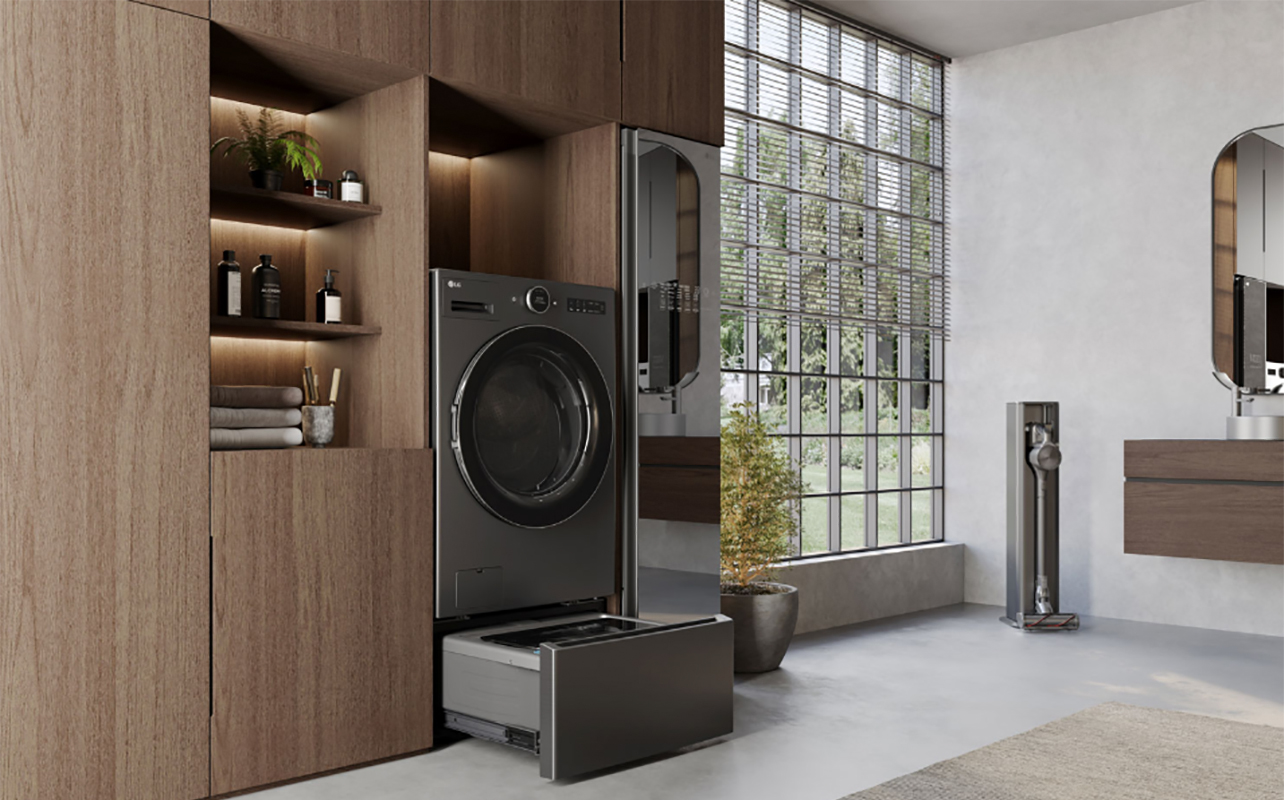
Credit: blog.bestbuy.ca
How Washer Dryers Operate
Washer dryers combine two functions in one machine. They wash clothes and dry them without moving the load.
Understanding how these machines work helps users choose the right model and use it efficiently.
Basic Mechanism
Washer dryers use a drum that fills with water to wash clothes. The drum spins to clean and rinse the laundry.
After washing, the machine drains water and switches to drying mode. It uses heat and air circulation to dry clothes.
- The drum fills with water and detergent.
- It agitates clothes to remove dirt.
- The machine drains the dirty water.
- It rinses clothes with clean water.
- The drum spins fast to remove excess water.
- Heating elements dry the clothes using warm air.
Types Of Washer Dryers
There are mainly two types of washer dryers: vented and condenser. Each type works differently to dry clothes.
| Type | Drying Method | Installation Needs |
| Vented | Pushes hot air outside via a vent | Requires an external vent |
| Condenser | Condenses moisture into water tank | No external vent needed |
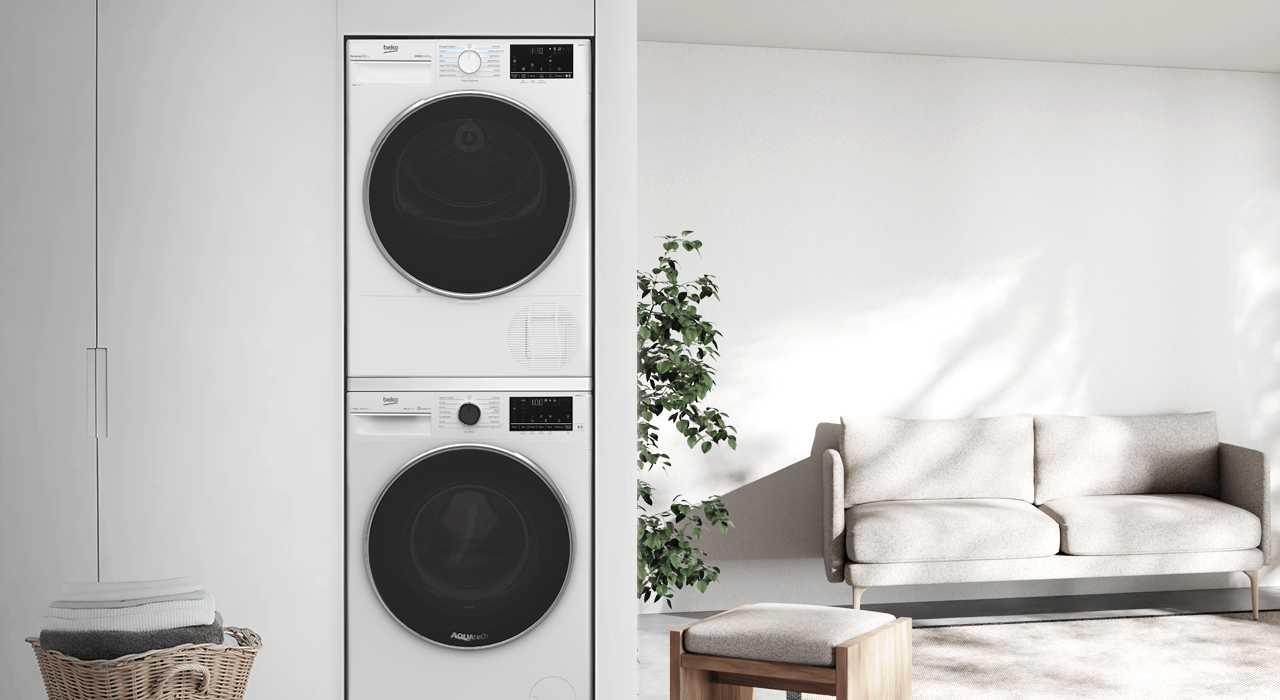
Credit: www.beko.co.uk
Efficiency Compared To Separate Units
Washer dryers combine washing and drying in one machine. People wonder if they use energy and water well.
This article looks at how washer dryers compare to separate washers and dryers. It covers energy, water, and time.
Energy Consumption
Washer dryers often use less energy than two machines. They share parts and avoid extra heating steps.
- One motor powers both wash and dry cycles
- Less heat loss since clothes stay in one drum
- Some models have energy-saving sensors
- Separate units may use more electricity overall
Water Usage
Water use varies between washer dryers and separate washers. Washer dryers may recycle water during cycles.
| Type | Water Usage per Cycle (Liters) |
| Washer Dryer | 50-70 |
| Separate Washer | 40-60 |
| Separate Dryer | 0 |
Cycle Duration
Washer dryer cycles take longer than washing or drying alone. The two steps run one after the other.
- Washing usually takes 30 to 45 minutes
- Drying adds 45 to 90 minutes
- Total cycle time is often 90 to 135 minutes
- Separate units let you do wash and dry separately
Benefits Of Washer Dryers
Washer dryers combine two functions in one machine. They wash and dry clothes without moving them.
This feature offers many advantages for homes with limited space and busy schedules.
Space Saving
Washer dryers take less space than separate machines. They fit well in small apartments.
- Use one appliance instead of two
- Free up room for other household items
- Ideal for homes without laundry rooms
Convenience And Time-saving
These machines save time by washing and drying clothes in one cycle. You do not need to switch loads.
| Task | Without Washer Dryer | With Washer Dryer |
| Washing clothes | Load washer | Load washer dryer |
| Drying clothes | Move clothes to dryer | Automatic drying after wash |
| Total time | Longer | Shorter |
Cost-effectiveness
Using one machine can save money on buying and maintaining appliances. It also reduces water and electricity use.
- Lower purchase price than two separate machines
- Less energy used for drying
- Reduced water consumption
- Fewer repairs and less maintenance
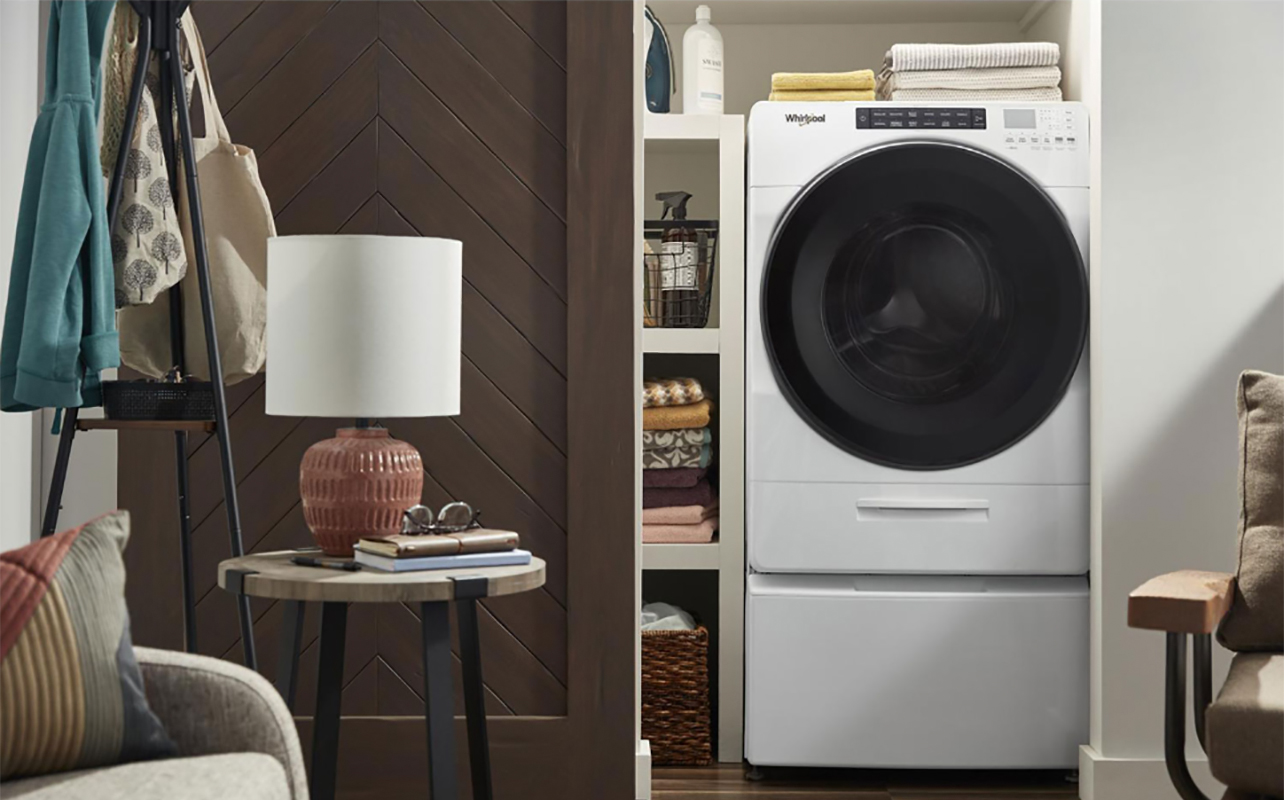
Credit: blog.bestbuy.ca
Limitations And Drawbacks
Washer dryers combine two machines in one. They save space but have some limits.
Knowing their drawbacks helps you decide if they fit your needs.
Capacity Constraints
Washer dryers usually have smaller capacity than separate machines. This means you can wash less clothes at once.
Drying capacity is often less than washing capacity. You may need to dry clothes in smaller loads.
- Smaller loads mean more wash cycles
- Longer total washing and drying time
- Not ideal for large families or heavy laundry
Drying Performance
Drying in washer dryers is usually slower than in separate dryers. They use less power and smaller drums.
Some models may leave clothes damp or wrinkled. You might need extra drying time or air drying after.
- Longer drying cycles
- Less effective on heavy fabrics
- More creases in clothes
Maintenance Challenges
Washer dryers have more complex parts than separate machines. This can cause more maintenance needs.
Cleaning filters and vents regularly is important to avoid problems. Repairs can be costly and take time.
- Frequent cleaning of lint filters
- Possible buildup in drying system
- Higher repair costs for combined units
Choosing The Right Washer Dryer
Washer dryers save space and time. They combine washing and drying in one machine. Choosing the right one can be tricky.
Think about the features you need, the brands you trust, and your budget. This guide will help you make a smart choice.
Key Features To Consider
Look for energy efficiency. Machines with high efficiency use less water and electricity. Check the capacity to match your laundry needs.
Noise level is important too. Quieter machines are better for small spaces. Some models offer special cycles for delicate clothes.
- Energy efficiency rating
- Load capacity
- Noise level
- Special wash cycles
Brand And Model Recommendations
Many brands offer reliable washer dryers. Some popular choices include LG, Samsung, and Bosch. Each brand has models with unique features.
Check online reviews to see user experiences. Choose a model with good ratings for performance and durability.
| Brand | Model | Features |
| LG | WM3488HW | Compact, Quiet |
| Samsung | WD90J6A00AW | EcoBubble, Energy Efficient |
| Bosch | WVG3047SGB | SpeedPerfect, AllergyPlus |
Budget Factors
Washer dryers come in different price ranges. Set a budget before you shop. Cheaper models may lack some features, but they can still be effective.
Consider long-term savings. Energy-efficient machines may cost more upfront, but they save money on bills over time.
- Set a budget range
- Compare initial cost and long-term savings
- Balance between price and features
Tips For Maximizing Efficiency
Washer dryers combine two tasks in one machine. They save space and time. To get the best results, use them efficiently.
Small changes in how you use your washer dryer can save energy and water. These tips will help you make the most of your appliance.
Optimal Load Sizes
Do not overload your washer dryer. Clothes need space to move for proper cleaning and drying. Too small loads waste water and energy.
Check the manual for the right load size. Use full loads but avoid packing the drum tightly.
- Fill the drum about three-quarters full
- Leave room for clothes to tumble freely
- Separate heavy and light fabrics
Proper Detergent Use
Use the correct detergent type and amount for your washer dryer. Too much detergent causes build-up and poor rinsing.
Choose detergents made for high-efficiency machines if your model requires it. Follow package instructions carefully.
- Measure detergent with a scoop or cup
- Avoid using too much detergent
- Use liquid detergent for quick dissolving
Routine Maintenance
Clean your washer dryer regularly to keep it working well. Remove lint and check filters often. This helps avoid breakdowns.
Run a cleaning cycle with a washer cleaner every month. Wipe seals and doors to stop mold and smells.
- Clean lint filter after every drying cycle
- Inspect and clean detergent drawer monthly
- Run a hot water cleaning cycle once a month
Common Myths About Washer Dryers
Many people wonder if washer dryers really work well. There are many ideas about them that are not true.
This article clears up some common myths about washer dryers. It helps you understand how they really work.
Myth 1: Washer Dryers Take Too Long To Dry Clothes
Some think washer dryers need hours to dry clothes. While drying takes longer than a separate dryer, it usually finishes in under two hours.
Newer models have faster drying cycles and use sensors to stop when clothes are dry. This saves time and energy.
Myth 2: Washer Dryers Damage Clothes
People worry washer dryers harm fabrics. Most washer dryers use gentle drying methods. They are safe for most clothes if you follow care labels.
Using the right settings helps protect delicate fabrics. Avoid overloading the machine to prevent damage.
Myth 3: Washer Dryers Use Too Much Water And Energy
Some believe washer dryers waste water and electricity. Modern washer dryers are designed to be efficient. They use less water than washing and drying separately.
Energy use depends on the model and settings. Choosing energy-saving modes can reduce electricity use.
Myth 4: Washer Dryers Have Small Capacity
People think washer dryers hold less laundry. Many models offer similar capacity to standalone washers or dryers.
Check the machine’s specifications before buying. Some washer dryers handle large loads well.
Myth 5: Washer Dryers Are Difficult To Use
Some users feel washer dryers are complex. Most machines have simple controls and clear instructions.
Many models offer automatic programs that choose the best wash and dry settings for you.
Future Trends In Washer Dryer Technology
Washer dryers are evolving with new technologies. These changes make laundry easier and more efficient.
New features focus on smart technology and eco-friendly designs. Let’s explore what’s coming next in washer dryer innovations.
Smart Features
Smart features in washer dryers include connectivity and automation. These advancements help you manage laundry from your phone.
- Remote control through smartphone apps
- Automatic load sensing to adjust water and energy use
- AI technology for custom wash cycles
Eco-friendly Innovations
Eco-friendly washer dryers reduce energy and water consumption. They support a sustainable lifestyle while saving resources.
| Feature | Benefit |
| Energy-efficient motors | Lower electricity bills |
| Water recycling systems | Less water usage |
| Biodegradable detergent use | Reduced environmental impact |
These innovations in washer dryers show a shift towards smart and sustainable solutions. They promise to make laundry tasks easier and more eco-friendly.
Frequently Asked Questions
Do Washer Dryers Clean Clothes Effectively?
Yes, washer dryers clean clothes effectively by combining washing and drying cycles. They use advanced technology to remove dirt and moisture, ensuring clean and dry clothes in one machine.
How Long Does A Washer Dryer Cycle Take?
A washer dryer cycle typically takes 1. 5 to 3 hours, depending on load size and settings. Drying takes longer than washing, so expect extended total cycle times.
Are Washer Dryers Energy Efficient?
Washer dryers can be energy efficient but usually consume more power than separate units. Choosing models with energy-saving features helps reduce electricity use and utility bills.
Can Washer Dryers Handle Large Laundry Loads?
Washer dryers handle moderate loads well but may struggle with very large or bulky items. For heavy laundry, separate machines might be more efficient.
Conclusion
Washer dryers offer a simple way to wash and dry clothes in one machine. They save space and can be handy for small homes. While they may take longer to dry, they still get the job done well. Energy use can be higher, so consider this before buying.
Overall, they fit well for those with limited space or time. Think about your needs and space to decide if a washer dryer works for you. They provide convenience but have some trade-offs to keep in mind.