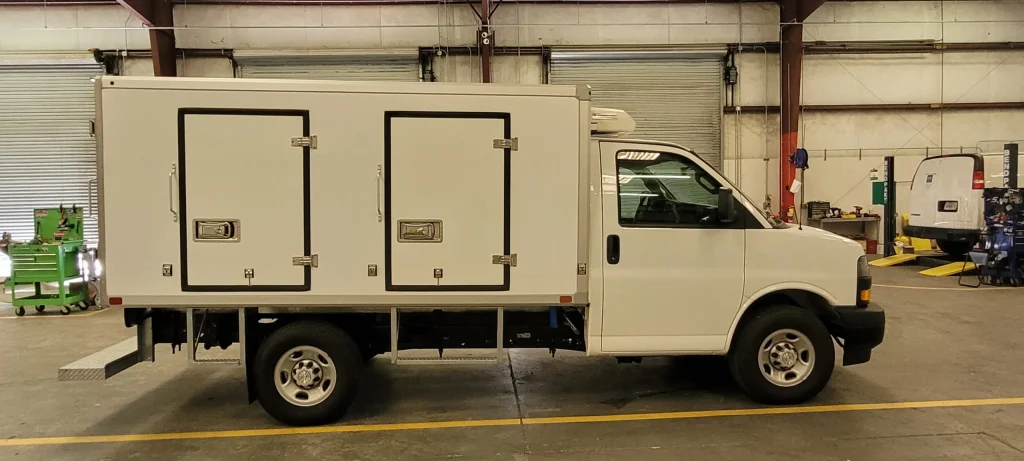
Imagine you’re cruising down the highway in a Western Express truck, miles away from your last pit stop, and hunger strikes. You reach for something refreshing, only to wonder, “Do Western Express trucks have refrigerators?”
This question might seem trivial, but for truck drivers like you who spend long hours on the road, it can make a world of difference. Having a fridge on board could change your entire trucking experience, making it more comfortable, efficient, and cost-effective.
Dive deeper into this article to uncover the truth about Western Express trucks and their amenities. Discover how something as simple as a refrigerator can transform your long-haul journeys.

Credit: emeraldtransportationsolutions.com
Western Express Truck Features
Western Express trucks come equipped with features designed for comfort and efficiency. These trucks support drivers during long hauls. Every feature focuses on making life on the road easier and safer. Understanding these features helps explain whether these trucks have refrigerators.
Cabin Amenities
The cabin of a Western Express truck offers a range of useful amenities. Drivers find storage spaces for personal items and tools. Climate control systems keep the cabin comfortable in all weather. Sound insulation reduces outside noise, allowing better rest and focus. The dashboard includes modern controls and easy-to-read displays. USB ports and power outlets help keep devices charged during trips.
Sleeping Quarters
The sleeping area in Western Express trucks is designed for rest and privacy. A bed with a comfortable mattress is standard. Curtains or partitions provide separation from the driving area. Some trucks include small reading lights and storage compartments. These spaces allow drivers to rest properly between shifts. Refrigerators are sometimes part of the sleeping quarters, depending on the truck model.
Refrigerators In Trucks
Refrigerators in trucks are more than just a convenience—they are a vital feature for many drivers on the road. Whether you’re hauling food, medicine, or simply want fresh snacks and drinks during long hauls, having a reliable fridge makes a noticeable difference. It’s interesting to see how different trucks, including Western Express models, integrate these cooling units to meet daily needs.
Common Types Used
Trucks usually come equipped with one of these common refrigerator types:
- Absorption refrigerators:These run quietly and can use propane or electricity, making them flexible for various power sources.
- Compressor refrigerators:Similar to household fridges, they use a compressor mechanism and are highly efficient but require a stable power supply.
- Thermoelectric coolers:Compact and lightweight, these are often used for smaller storage needs but may not maintain very low temperatures.
Western Express trucks often have compressor refrigerators installed because they balance efficiency and power use well, especially on long routes.
Purpose And Benefits
Why do drivers opt for refrigerators in their trucks? It’s simple—food safety and comfort. Keeping perishable items fresh reduces daily expenses on roadside meals and improves overall health by allowing better meal choices.
Imagine stopping at a rest area and having a cold drink or a homemade sandwich ready—that’s a small comfort that can boost your energy and mood. Plus, refrigerated trucks can carry sensitive cargo like pharmaceuticals or flowers, opening new business opportunities.
Have you ever thought about how much time and money you could save by having a fridge in your truck? It’s a practical investment that pays off in many ways on the road.
Western Express Refrigerator Availability
If you’re wondering whether Western Express trucks come equipped with refrigerators, it’s a key factor for many drivers who spend long hours on the road. Having a refrigerator onboard can make a huge difference in comfort, allowing you to store fresh food and drinks easily. Let’s look at what Western Express offers in terms of refrigerator availability.
Standard Equipment
Most Western Express trucks do not come with a refrigerator as part of the standard setup. The base models focus on the essentials to keep costs down and provide reliable performance. However, the sleeper cabs usually have space designed to fit a small refrigerator if you choose to add one later.
Think about your daily routine—would having a built-in fridge save you time and money on food stops? Many drivers find that even a small fridge makes a big impact on their lifestyle and health.
Optional Upgrades
Western Express offers refrigerator options as part of their optional upgrades. You can request a factory-installed unit when ordering your truck, which ensures it fits perfectly and connects seamlessly with the truck’s electrical system. These upgrades vary, with some refrigerators designed for compact use and others offering more space for longer hauls.
- Compact refrigerators for basic cooling needs
- Larger models suitable for extended trips
- Energy-efficient options to reduce power consumption
Adding a refrigerator through these options can be a smart investment. It reduces your reliance on roadside food and vending machines. Have you ever considered how much time you spend searching for food on the road? A fridge could be the solution to reclaiming some of those hours.
Driver Experiences
Truck drivers share real insights about having refrigerators in Western Express trucks. Their stories reveal practical benefits and daily realities. Understanding these experiences helps see how refrigerators fit into life on the road.
Daily Use
Drivers use refrigerators to store fresh food and drinks during long trips. This saves money by reducing stops for fast food. Many keep sandwiches, fruits, and water chilled for easy access.
Some drivers mention using refrigerators to keep medication cool. This adds convenience and safety. Others say the fridge helps during hot weather, keeping items fresh and safe to eat.
Impact On Comfort
Having a refrigerator improves comfort inside the truck cabin. Drivers feel less stressed about food options. They enjoy homemade meals instead of relying on truck stops.
The fridge also helps maintain a routine, making trips feel less tiring. Drivers mention feeling more relaxed and focused. This small appliance creates a better work environment on the road.
Comparing Competitors
Comparing Western Express trucks to other brands shows clear differences in features. Understanding what competitors offer helps drivers choose the best option. Refrigeration and cabin comfort stand out as key factors for long hauls.
Refrigeration Options
Western Express trucks often come with built-in refrigerators or space for aftermarket units. Many competitors also offer similar or upgraded options. Some trucks include:
- Compact refrigerators integrated into the cabin
- Portable fridge-freezer units for flexibility
- Electric-powered cooling systems for efficiency
Competitors sometimes provide larger refrigerators or dual compartments. This suits drivers who need to store more food or medicines. The power source and size vary between brands, affecting usability on long trips.
Cabin Comfort Features
Comfort in the cabin impacts driver rest and productivity. Western Express and competitors focus on ergonomic seats and climate control systems. Key features include:
- Adjustable seating with lumbar support
- Efficient heating and air conditioning
- Sound insulation to reduce road noise
- Spacious sleeping areas with storage
Some competitors offer advanced tech like touchscreen controls or enhanced lighting. These features improve the overall driving experience and comfort during stops.
Credit: www.ebay.com
Maintenance And Care
Maintaining a refrigerator in a Western Express truck ensures it works efficiently and lasts longer. Regular care prevents breakdowns and keeps your food fresh. Simple steps help avoid costly repairs and downtime during trips.
Refrigerator Upkeep
Clean the refrigerator interior and exterior often. Use mild soap and water to wipe surfaces. Check door seals for cracks or dirt that cause leaks. Replace worn seals to keep cold air inside.
Keep the cooling vents clear of dust and debris. This helps the refrigerator run smoothly. Defrost the unit if ice builds up to maintain cooling power. Check electrical connections for loose or damaged wires.
Troubleshooting Tips
If the refrigerator stops cooling, first check the power source. Make sure the truck’s battery or power supply is working. Inspect the fuse and replace it if blown. Listen for unusual noises, which may signal a mechanical issue.
Test the thermostat settings to ensure they are correct. Reset the refrigerator by turning it off and on after a few minutes. If problems continue, consult the user manual or a professional mechanic.

Credit: www.freightwaves.com
Frequently Asked Questions
Do Western Express Trucks Come With Built-in Refrigerators?
Western Express trucks typically do not have built-in refrigerators. However, refrigerated trailers or portable cooling units can be attached for temperature-sensitive cargo.
How Do Western Express Trucks Keep Cargo Cool?
They use refrigerated trailers equipped with cooling systems. These trailers maintain optimal temperatures for perishable goods during transit.
Can Drivers Control Refrigeration In Western Express Trucks?
Yes, drivers can monitor and adjust trailer refrigeration settings. This ensures cargo stays within required temperature ranges throughout delivery.
Are Refrigerated Trucks More Expensive To Rent From Western Express?
Refrigerated trucks usually cost more due to specialized cooling equipment. Pricing varies based on rental duration and specific refrigeration needs.
Conclusion
Western Express trucks often include refrigerators for driver convenience. These coolers keep food fresh during long trips. Drivers save time and money by storing meals onboard. Refrigerators help maintain healthy eating habits on the road. Not every truck model has this feature, so check before renting or buying.
Overall, refrigerators add comfort and practicality to trucking life. This small feature makes a big difference for many drivers.