Have you ever wondered if wild sheep need to be sheared like the ones on farms? It’s a surprising question that might not have crossed your mind before.
You might think all sheep grow heavy wool that must be cut regularly. But wild sheep live in nature without human help, so how do they handle their thick coats? Understanding this can change the way you see these animals and the world around them.
Keep reading to discover the truth about wild sheep and their wool—and why it matters to you.
Credit: learningenglish.voanews.com
Wild Sheep Fur Growth
Wild sheep grow fur that changes with the seasons. Their fur helps protect them from cold and heat.
Understanding their fur growth explains why wild sheep do not need shearing like domestic sheep.
Seasonal Changes In Fur
Wild sheep grow thick fur during cold months. This thick coat keeps them warm in winter. In summer, they shed most of this fur. The shedding helps them stay cool.
- Winter: thick, dense fur grows
- Spring: fur starts to shed
- Summer: thin fur remains
- Fall: fur begins to thicken again
Differences From Domestic Sheep
Domestic sheep have fur that keeps growing without natural shedding. This is why farmers shear them. Wild sheep’s fur stops growing and sheds naturally. This means wild sheep do not need shearing.
| Feature | Wild Sheep | Domestic Sheep |
| Fur Growth | Seasonal, stops growing | Continuous growth |
| Shedding | Natural shedding each year | Rare shedding, sheared by humans |
| Fur Thickness | Thick in winter, thin in summer | Consistently thick until sheared |
Natural Wool Shedding
Wild sheep grow thick wool to stay warm in cold weather. They do not need to be sheared like farm sheep.
Instead, wild sheep naturally shed their wool when the seasons change. This helps them keep cool in summer.
How Wild Sheep Lose Wool
Wild sheep lose their wool by a natural process called shedding. Their wool loosens and falls off on its own.
The wool comes off in patches or clumps. This usually happens in spring when the weather warms up.
- New wool grows under the old coat
- The old wool weakens and breaks apart
- Shedding helps prevent overheating
- It keeps their coat fresh and healthy
Role Of Environment In Shedding
The environment plays a big role in how wild sheep shed their wool. Temperature and daylight affect the process.
Warmer weather and longer days signal sheep to start shedding. Cold weather slows down shedding.
- Spring warmth triggers wool to loosen
- Sunlight affects their natural cycle
- Dry conditions help wool fall off easily
- Rain or dampness can slow shedding
Adaptations To Climate
Wild sheep have unique adaptations that help them survive in various climates. These adaptations are crucial for their insulation and temperature control.
These adaptations ensure they thrive in harsh environments, where other animals might struggle.
Insulation And Temperature Control
Wild sheep have a thick wool coat that provides insulation against cold temperatures. This wool traps air, keeping the body warm during freezing conditions.
- Their wool grows thicker in winter.
- It naturally sheds in warmer months.
- Wool fibers repel water, keeping them dry.
Survival Strategies In Harsh Conditions
In harsh climates, wild sheep have strategies to conserve energy and maintain warmth. They tend to stay in groups for added warmth and protection.
| Strategy | Benefit |
| Huddling | Conserves body heat |
| Migrating | Finds food and milder climates |
| Grazing efficiently | Maximizes energy intake |

Credit: www.outdoorhappens.com
Shearing In Domestic Sheep
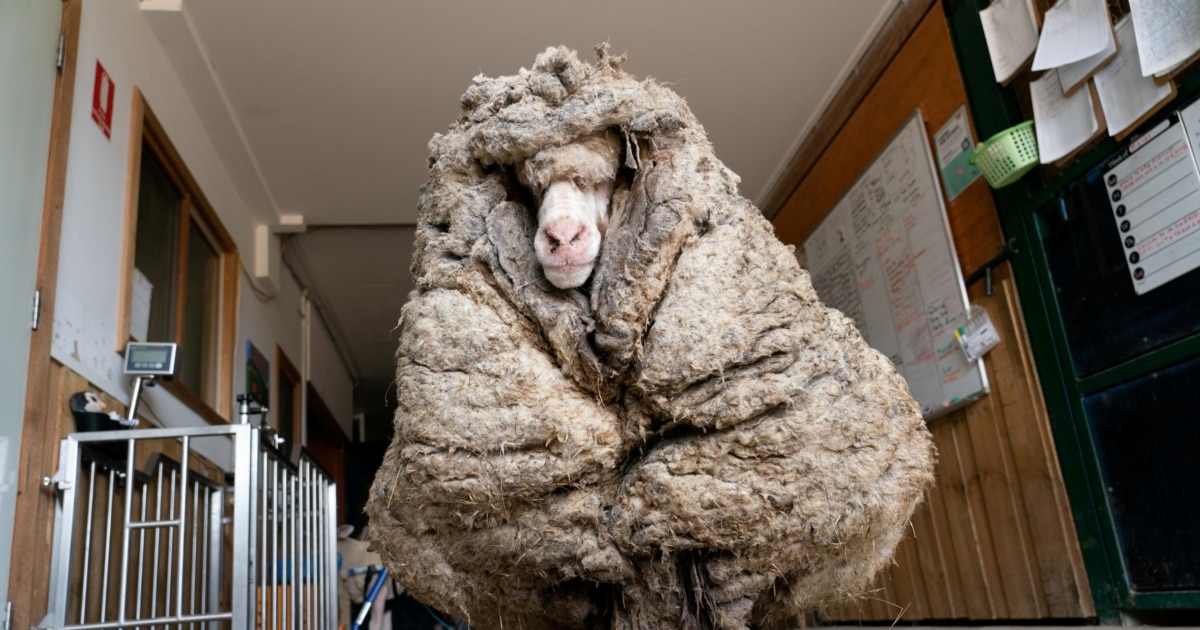
Domestic sheep grow thick wool that covers their bodies. This wool keeps growing all year long.
Shearing means cutting off this wool. Farmers shear sheep to keep them healthy and comfortable.
Reasons For Shearing Pets
Pet sheep also need shearing to avoid problems. Too much wool can cause overheating in warm weather.
Shearing helps pets move easily and stay clean. It also stops wool from getting dirty or tangled.
- Prevents overheating in summer
- Keeps the sheep clean
- Allows easy movement
- Reduces risk of wool matting
Impact On Sheep Health
Shearing is important for sheep health. Thick wool can hide skin problems or parasites.
Removing wool helps farmers check for injuries or infections. It also stops wool from trapping moisture.
- Prevents skin diseases
- Allows easy inspection for injuries
- Reduces parasite risks
- Helps keep the sheep dry
When Shearing Is Unnecessary
Wild sheep have thick wool coats that protect them in nature. They usually do not need shearing like farm sheep.
Understanding when shearing is unnecessary helps protect wild sheep and their natural way of life.
Wild Sheep’s Natural Maintenance
Wild sheep naturally manage their wool by rubbing against rocks and trees. This helps remove some loose wool without human help.
Their wool grows and falls off in cycles. This natural shedding means they do not need regular shearing like domestic sheep.
Risks Of Unneeded Shearing
Shearing wild sheep can cause stress and injury. It may also expose them to cold weather and predators.
- Stress from being caught or handled
- Risk of cuts or wounds during shearing
- Loss of natural insulation from wool
- Greater danger from cold or predators
Credit: www.abc.net.au
Interesting Wild Sheep Facts
Wild sheep live in many parts of the world. They have unique habits and traits. People often wonder if wild sheep need shearing like farm sheep.
This article explores wild sheep behavior and their wool. It helps understand their needs and how their wool differs from domestic sheep.
Behavioral Traits
Wild sheep are strong and smart animals. They live in groups called herds. These herds protect them from predators. Wild sheep climb rocky mountains to stay safe and find food.
- They use their horns to fight for mates and territory.
- Wild sheep mark trails with their scent to find their way.
- They are active during the day and rest at night.
- Wild sheep have sharp eyesight to spot danger.
Wool Quality And Usage
Wild sheep have wool, but it is different from farm sheep wool. Their wool is thicker and helps protect them from cold weather. Most wild sheep shed their wool naturally. They do not need to be sheared like domestic sheep.
| Type of Wool | Wild Sheep | Domestic Sheep |
| Texture | Coarse and thick | Soft and fine |
| Shearing Need | Rarely, sheds naturally | Regular shearing needed |
| Use | Protection in wild | Clothing and textiles |
| Growth Pattern | Seasonal growth and loss | Continuous growth |
Frequently Asked Questions
Do Wild Sheep Naturally Shed Their Wool?
Wild sheep naturally shed their wool annually. Their fleece loosens and falls off in warm seasons. This prevents the need for human shearing in the wild.
Why Don’t Wild Sheep Need Shearing Like Domestic Sheep?
Wild sheep shed wool naturally, unlike domestic sheep bred for heavy fleece. Domestic sheep rely on humans to shear them to avoid health issues caused by excess wool.
How Does Wool Benefit Wild Sheep In Nature?
Wool insulates wild sheep from cold and heat. It protects them from harsh weather and predators. Natural shedding keeps their coat healthy and manageable.
Can Wild Sheep Suffer From Wool Overgrowth?
Wild sheep rarely suffer wool overgrowth due to natural shedding. Their environment and behavior help maintain fleece health without human intervention.
Conclusion
Wild sheep grow thick wool naturally to protect themselves. They do not need humans to shear them. Their wool sheds or wears off as seasons change. This helps them stay cool in summer and warm in winter. Wild sheep live well without extra care.
Understanding their natural process shows how animals adapt. Nature takes care of them in its own way. Watching wild sheep helps us appreciate their strength and balance. No shearing means they live freely and healthily in the wild.