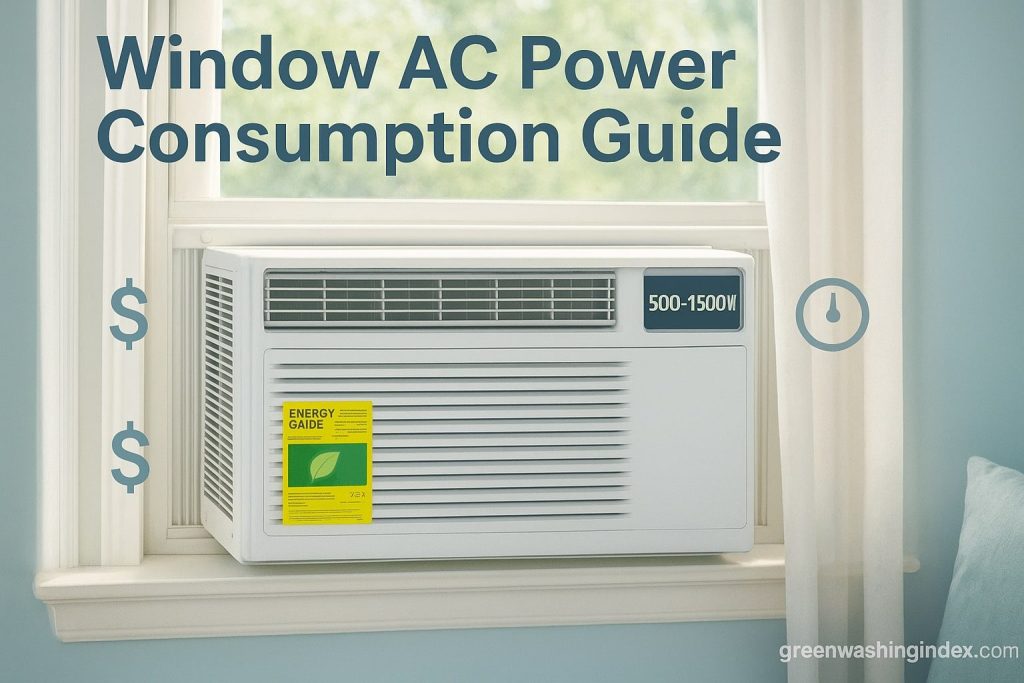
Are you tired of high electricity bills during the hot months? You might be wondering if a window air conditioner can actually help you save money.
It’s a question many homeowners ask before making a purchase. The good news is, understanding how these units work and their cost-effectiveness could put more cash back in your pocket. Keep reading to discover if a window air conditioner is the smart, budget-friendly cooling solution you’ve been looking for.

Credit: www.forbes.com
How Window Acs Work
Window air conditioners cool a room by removing heat from inside and sending it outside. They use a simple process to make your space comfortable.
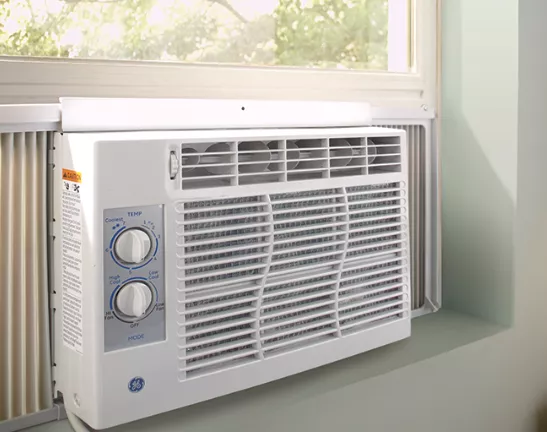
These units sit in a window or a hole in the wall. Part of the unit stays inside, and part stays outside to release heat.
Cooling Process
The AC uses a refrigerant that absorbs heat from indoor air. It changes from liquid to gas as it absorbs heat.
The warm gas moves to the outside part of the unit, where it cools down and turns back into liquid. This cycle repeats to keep your room cool.
Air Circulation
A fan inside the unit pulls warm air from the room. The air passes over cold coils filled with refrigerant, which cools the air.
The cool air blows back into the room, while another fan pushes the heat outside. This keeps the room temperature low.
Energy Use
Window ACs use electricity to run the compressor and fans. They are designed to cool small areas efficiently.
Because they cool only one room, they often use less energy than central air systems for the same space.
- Compressor pumps refrigerant through coils
- Fans move air inside and outside
- Heat moves from indoor air to outside air
- Room stays cool and comfortable
Initial Costs Compared To Other Acs
Window air conditioners are a popular choice for cooling small spaces. Their initial cost is an important factor to consider before buying.
This section compares the upfront price of window AC units with other types of air conditioners.
Cost Of Window Air Conditioners
Window AC units usually cost less than other types. They are compact and easy to install. This makes them affordable for many people.
Split Air Conditioners
Split ACs have two parts: an indoor and an outdoor unit. They cost more than window ACs because of their design and installation needs.
Central Air Conditioning Systems
Central AC systems cool entire homes. They have the highest initial cost. Installation involves ducts and complex setup.
Cost Comparison Table
| Type of Air Conditioner | Average Initial Cost (USD) |
| Window AC | $150 – $500 |
| Split AC | $700 – $2,000 |
| Central AC | $3,000 – $7,000 |
Installation Expenses
- Window ACs need little or no professional help.
- Split ACs require professional installation.
- Central ACs need ductwork and expert setup.
Installation adds to the total upfront cost. Window units often save money here.
Energy Efficiency And Usage
Window air conditioners can help save money on cooling costs. Their efficiency depends on how you use them and their energy ratings.
Understanding the right size, energy ratings, and usage habits can improve savings and comfort.
Btu Ratings And Room Size
BTU stands for British Thermal Unit. It shows how much cooling power an air conditioner has.
Choosing the right BTU for your room size helps the unit work efficiently. A unit too small will run constantly. A unit too big wastes energy and money.
- Small rooms (100-300 sq ft) need 5,000 to 6,000 BTU
- Medium rooms (300-500 sq ft) need 7,000 to 8,000 BTU
- Large rooms (500-800 sq ft) need 9,000 to 12,000 BTU
Energy Star Ratings
Energy Star rated air conditioners use less electricity. They meet strict energy efficiency guidelines.
Choosing an Energy Star unit can lower your electric bills. These units save energy while keeping rooms cool.
- Look for the Energy Star label on the unit
- Energy Star models use about 10% less energy
- They often have better parts and controls for saving power
Usage Patterns Impact
How you use your window air conditioner affects energy costs. Running it only when needed can save money.
Setting the temperature higher when you are away or sleeping reduces energy use. Keeping doors and windows closed helps too.
- Turn off the unit when not in the room
- Use a timer or smart plug to control running times
- Close curtains to block sunlight and reduce cooling needs
- Clean or replace filters regularly for better airflow

Credit: www.popularmechanics.com
Installation And Maintenance Expenses
Window air conditioners can save money on cooling costs. But installation and maintenance expenses affect total savings. Knowing these costs helps decide if a unit is affordable.
Proper installation and regular upkeep keep the air conditioner working well. This lowers repair bills and extends the unit’s life.
Diy Installation Benefits
Installing a window air conditioner yourself saves money on labor fees. You only pay for the unit and supplies. This lowers the upfront cost.
DIY installation gives control over timing. You can set up the unit right away. This avoids delays from waiting for a technician.
- Save on professional installation fees
- Buy needed tools and materials once
- Install at your own pace and time
- Learn how the unit works
Regular Maintenance Tips
Clean the air filter every month during use. This keeps air flowing and improves efficiency. A dirty filter makes the unit work harder.
Check the seals around the air conditioner. Fix cracks or gaps to stop cool air from escaping. This reduces energy waste.
- Clean or replace the air filter monthly
- Inspect and fix window seals
- Clear debris around the unit
- Store the unit properly in winter
Common Repair Costs
Repairs can vary from small fixes to big parts replacement. Simple repairs cost less but can add up over time. Knowing repair costs helps budget better.
| Repair Type | Estimated Cost |
|---|---|
| Thermostat replacement | $50 – $150 |
| Compressor repair or replacement | $200 – $600 |
| Fan motor replacement | $100 – $300 |
| Leak repair and recharge | $100 – $250 |
Electricity Bills And Savings
Window air conditioners can affect your electricity bills. Understanding how they use energy helps you save money. Small changes in use can lower your monthly costs.
In this guide, we look at monthly costs, compare window units with central AC, and share tips to reduce electricity use.
Estimating Monthly Costs
To estimate monthly costs, know the AC’s power use and your local electricity rate. Window units usually use less power than central AC.
| Type of AC | Power Use (Watts) | Hours Used per Day | Electricity Rate ($/kWh) | Estimated Monthly Cost ($) |
| Window Unit | 1,000 | 8 | 0.12 | 29 |
| Central AC | 3,500 | 8 | 0.12 | 102 |
Comparing Central Ac And Window Units
Central AC cools the whole house but uses more electricity. Window units cool one room and use less power. Your choice affects your bill size.
- Window units cost less to run if you only need one room cooled.
- Central AC is better for cooling many rooms at once.
- Window units let you cool only the rooms you use.
- Central AC can raise bills if run all day.
Tips To Reduce Electricity Use
Saving money on electricity means using your AC smartly. Small habits can lower use and costs.
- Set the thermostat to a higher temperature when you are away.
- Use fans to help circulate air and cool faster.
- Close curtains or blinds during the hottest parts of the day.
- Clean or replace AC filters regularly for better efficiency.
- Turn off the AC when a room is not in use.
When Window Acs Are Most Cost-effective
Window air conditioners use less energy than central systems. They cool only one room at a time. This can save money on your electricity bill.
Choosing the right use for a window AC helps lower costs. Some situations make window ACs more cost-efficient than others.
Small Spaces And Apartments
Window AC units work well in small rooms and apartments. They cool a limited area quickly without using much power. This saves money compared to cooling a whole house.
In places where installing central air is hard, window ACs are a smart choice. They fit in most windows and require little setup.
Seasonal Use Cases
Window ACs are best for cooling only during hot months. You can remove them or cover windows in colder seasons. This avoids heating costs linked to central systems.
Using window ACs only when needed cuts electricity use. They let you cool rooms selectively instead of the whole home.
Supplemental Cooling Options
Window ACs help as extra cooling in large homes. Use them in rooms that get very warm. This lowers the load on the main system and reduces costs.
They work well with fans or ceiling units. This combination cools efficiently without running central AC all day.
Alternative Cooling Solutions
Window air conditioners can help cool a room but may use a lot of energy. Many people look for other ways to stay cool and save money. This article talks about some popular alternative cooling solutions.
These options can reduce electricity bills and keep you comfortable. They work well in different spaces and climates. Let’s explore some alternatives to window air conditioners.
Portable Ac Units
Portable air conditioners are easy to move from room to room. They cool small spaces and do not need permanent installation. These units use less energy than central AC systems.
They work best in rooms where you spend most time. Portable ACs need a vent to remove hot air outside. This setup can be simple with a window kit.
- Good for renters or small apartments
- Can cool specific rooms only
- Require venting to the outside
- Use moderate energy compared to window units
Evaporative Coolers
Evaporative coolers use water to cool the air. They work well in dry and hot climates. These coolers use less electricity than air conditioners.
Air passes through wet pads, which lowers the temperature. They add moisture to the air, so they are not good for humid places. Evaporative coolers are affordable and easy to maintain.
- Best in dry climates
- Low energy use
- Adds humidity to the air
- Needs water supply
Fans And Ventilation
Fans use much less electricity than air conditioners. They help move air around and create a cooling effect on the skin. Fans work best with open windows or vents.
Good ventilation reduces indoor heat and improves air quality. Ceiling fans, box fans, and exhaust fans all help in different ways. Combining fans with natural airflow can save energy.
- Use ceiling fans to cool rooms
- Place box fans near windows for airflow
- Exhaust fans remove hot air from kitchens and bathrooms
- Best used with open windows for fresh air
Credit: www.premium-electric.ca
Maximizing Savings With Window Acs
Window air conditioners can help reduce cooling costs. Using them wisely saves energy and money.
Simple changes and smart use improve their efficiency. This guide shows how to get the most savings.
Smart Thermostat Integration
Smart thermostats control window ACs to keep rooms comfortable. They adjust temperature automatically.
Using a smart thermostat avoids cooling empty rooms. It lowers electricity use and cuts bills.
- Set schedules for cooling times
- Use sensors to detect room occupancy
- Control AC remotely via smartphone
Proper Sealing And Insulation
Seal gaps around the window AC unit to stop air leaks. This keeps cool air inside and hot air out.
Good insulation helps the AC work less. It lowers energy use and improves comfort.
- Use weatherstripping around the unit
- Fill gaps with foam or caulk
- Install window insulation film in winter
Energy-saving Settings
Set your window AC to energy-saving modes. These modes reduce power without losing comfort.
Using timers and fan settings helps save energy. Avoid very low temperatures that waste power.
- Use “eco” or “energy saver” mode
- Set timers to turn AC off when not needed
- Use fan mode to circulate air without cooling
Frequently Asked Questions
How Do Window Air Conditioners Save Energy?
Window air conditioners save energy by cooling specific areas, reducing the need to cool the entire home. They are also more energy-efficient than central systems for smaller spaces, using less electricity. Their compact size and targeted cooling help minimize energy consumption, making them an economical choice for many households.
Are Window Ac Units Cost-effective?
Yes, window AC units are cost-effective for cooling small spaces. They have lower upfront costs and reduced installation expenses. Their targeted cooling helps save on energy bills, especially when compared to central air systems. For individual rooms or small apartments, they provide an affordable and efficient cooling solution.
Do Window Air Conditioners Use Less Electricity?
Window air conditioners use less electricity than central systems when cooling small areas. They are designed to efficiently cool specific spaces, which reduces overall energy consumption. This targeted approach, combined with energy-saving settings, allows for lower electricity usage, making them an economical choice for many homeowners.
Is A Window Ac Cheaper Than Central Air?
A window AC is typically cheaper than central air for small spaces. It has a lower purchase price and installation cost. Operating a window unit for a single room or small area is more economical. This makes it an ideal option for budget-conscious homeowners seeking efficient cooling solutions.
Conclusion
Window air conditioners can help save money on cooling bills. They use less energy than central systems in small spaces. Easy to install and control, they cool only one room. This means lower electricity use and lower costs. Choosing the right size matters for best savings.
Regular cleaning keeps them running efficiently. For those on a budget, window units offer a simple, affordable cooling option. Small steps like these make a difference in your energy costs. Worth considering for cool comfort without high bills.