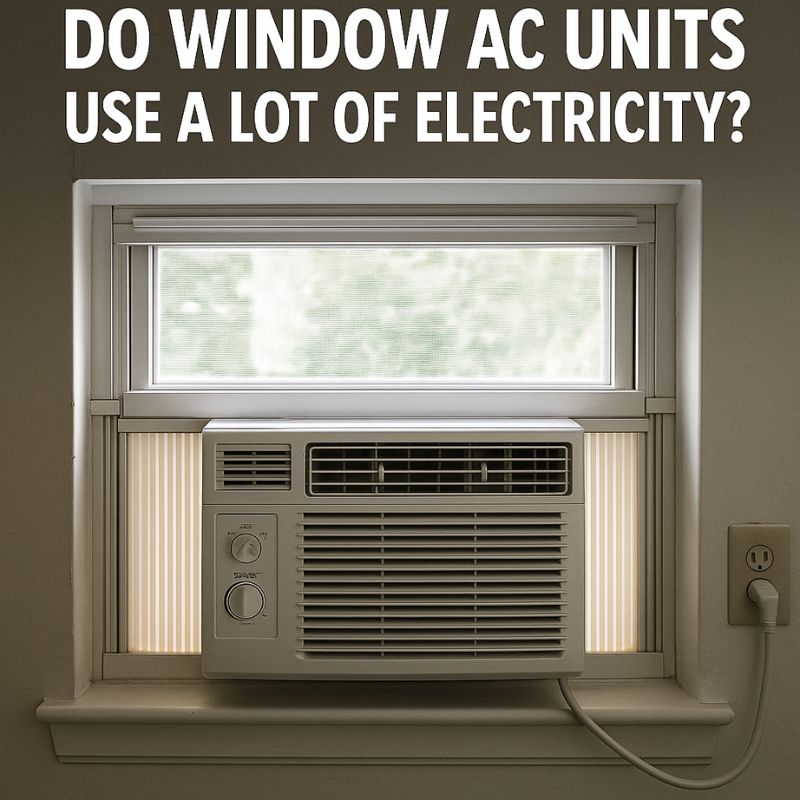
Are you worried about your electricity bill rising because of your window air conditioner? You’re not alone.
Many people wonder if these units use a lot of power and what it means for their monthly expenses. Understanding how much electricity your window air conditioner actually consumes can help you make smart choices for your comfort and budget.
Keep reading, and you’ll discover the truth behind their energy use—and simple tips to keep your costs under control.
Credit: northnjhvac.com
How Window Acs Consume Power
Window air conditioners cool rooms by using electricity to run their motors and fans. They pull warm air from inside and push cool air back in. This process uses power constantly while the unit is on.
Understanding how much electricity these units use helps you manage your energy bills and choose the right size for your room.
Energy Use Basics
Window ACs use electric power mainly for two parts: the compressor and the fan. The compressor cools the refrigerant, and the fan circulates air through the room.
- The compressor is the biggest power consumer.
- The fan uses less electricity than the compressor.
- The unit cycles on and off to keep the room cool.
- Energy use depends on how long the AC runs.
Factors Affecting Consumption
Several things change how much electricity a window AC uses. These factors can make a big difference in your power bill.
- Room size: Larger rooms need bigger units that use more power.
- Temperature setting: Lower temperatures make the AC work harder.
- Unit efficiency: Newer models use less electricity.
- Insulation: Well-insulated rooms keep cool air longer.
- Outside temperature: Hotter days increase power use.
Typical Wattage Range
Window AC units come in various sizes with different power needs. The table below shows common wattage ranges by unit size.
| Unit Size (BTU) | Power Use (Watts) | Approximate Room Size |
| 5,000 | 400 – 600 | Up to 150 sq ft |
| 8,000 | 700 – 900 | 150 – 350 sq ft |
| 10,000 | 900 – 1,200 | 350 – 450 sq ft |
| 12,000 | 1,000 – 1,400 | 450 – 550 sq ft |

Credit: www.forbes.com
Comparing Window Acs To Other Cooling Options
Window air conditioners are a popular way to cool rooms. They are easy to install and cost less upfront. It is important to see how much electricity they use compared to other cooling options.
This guide looks at how window ACs compare to central air systems, portable AC units, fans, and evaporative coolers. You will learn about their electricity use and efficiency.
Versus Central Air Systems
Central air systems cool whole buildings or large homes. They use ducts to spread cool air. These systems use more electricity because they cool many rooms at once.
Window ACs only cool one room. This means they use less electricity if you only need to cool one space. Central air is better for cooling multiple rooms evenly.
- Central air uses more power for whole-house cooling
- Window ACs use less energy for single rooms
- Central air has higher installation and maintenance costs
- Window ACs are cheaper and easier to install
Versus Portable Ac Units
Portable AC units can move from room to room. They use a hose to vent hot air outside. Portable units often use about the same electricity as window ACs.
Window ACs usually cool better because they seal the window well. Portable ACs can lose cool air around the hose. This can make them less efficient and use more electricity.
- Portable ACs are flexible but less efficient
- Window ACs cool rooms more evenly
- Both use similar electricity levels for the same room size
- Window ACs have fewer air leaks and save energy
Versus Fans And Evaporative Coolers
Fans use much less electricity than window ACs. They do not cool air but move it around. Evaporative coolers use water to cool air and use less power than ACs.
Window ACs lower room temperature more than fans or evaporative coolers. They use more electricity but provide stronger cooling. Fans and coolers work best in dry, hot climates.
- Fans use the least electricity but only move air
- Evaporative coolers use low power and add moisture
- Window ACs use more electricity but cool better
- Choose cooling based on climate and power use needs
Energy Efficiency Ratings To Check
Window air conditioners use electricity to cool your room. Checking their energy efficiency can help you save power. It also lowers your electricity bills.
Energy efficiency ratings show how well an air conditioner uses electricity. These ratings help you pick a model that uses less energy.
Seer And Eer Explained
SEER stands for Seasonal Energy Efficiency Ratio. It measures how much cooling a unit gives in a whole cooling season. The higher the SEER, the better the efficiency.
EER means Energy Efficiency Ratio. It shows efficiency at a specific temperature. EER helps compare units under the same conditions.
- Higher SEER means less electricity used over a season
- Higher EER means better performance in hot weather
- Both ratings help find energy-saving models
Energy Star Certification
Energy Star is a label for energy-efficient appliances. Window air conditioners with this label meet strict energy rules. They use less electricity than standard models.
Choosing Energy Star certified units means you get reliable savings. These units help protect the environment by using less power.
- Meets government energy efficiency standards
- Uses 10-15% less energy than regular models
- Reduces greenhouse gas emissions
Impact On Electricity Bills
Window air conditioners with high efficiency ratings use less electricity. This lowers your monthly power bills. The savings add up during hot months.
Using an efficient unit means you pay less while staying cool. It is smart to check energy ratings before buying.
- Higher efficiency equals lower electricity use
- Can save hundreds of dollars yearly
- Good ratings reduce environmental impact
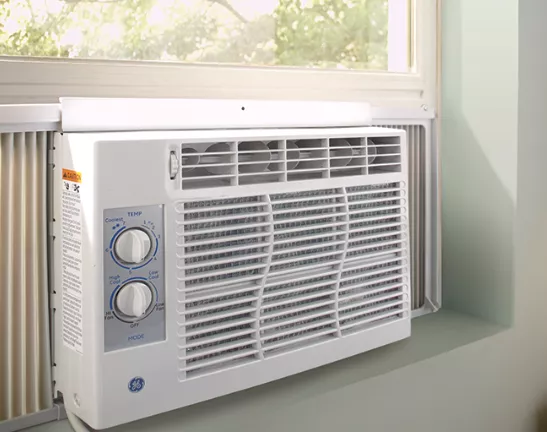
Credit: www.premium-electric.ca
Tips To Reduce Electricity Use
Window air conditioners can use a lot of electricity if not managed well. Small changes can lower energy use. This saves money and helps the environment.
Here are some simple tips to reduce electricity use while keeping your home cool and comfortable.
Proper Installation Practices
Correct installation is key to saving electricity. A poorly installed unit works harder and uses more power. Make sure the air conditioner fits tightly in the window. This stops warm air from entering and cool air from escaping.
Check for gaps or leaks around the unit. Use weatherstripping or foam to seal any openings. Also, place the unit where it gets some shade. This helps it cool better without extra energy.
- Fit the unit snugly in the window
- Seal gaps with weatherstripping
- Place the unit in shaded areas
- Avoid direct sunlight on the air conditioner
Effective Thermostat Settings
Setting the thermostat right can save a lot of energy. Keep the temperature at a comfortable level, usually around 78°F (25°C). Lowering it too much uses more electricity without feeling much cooler.
Use a timer or programmable thermostat if your unit has one. This lets you cool the room only when needed. Turn off the air conditioner when no one is home to avoid wasting power.
- Set temperature near 78°F (25°C)
- Use timers or programmable settings
- Turn off when rooms are empty
- Adjust settings based on outside heat
Regular Maintenance Benefits
Keeping your window air conditioner clean and maintained lowers electricity use. Dirty filters block airflow. This makes the unit work harder and use more power.
Clean or replace filters monthly during heavy use. Check the coils and remove dust or debris. Make sure the drain is clear to avoid water build-up. Well-maintained units last longer and save energy.
- Clean or replace filters every month
- Remove dust from coils
- Clear the drain for water flow
- Schedule professional check-ups yearly
When Window Acs Could Use More Power
Window air conditioners are common for cooling rooms. They usually use moderate electricity. But some situations make them use more power than usual.
Understanding these situations helps you save energy and lower your electricity bills.
Older Models Vs Newer Models
Older window AC models often use more electricity than newer ones. They have less efficient compressors and fans. New models use better technology to cool with less power.
Older units may also lack energy-saving features like programmable timers or eco modes. This makes them run longer and use more energy.
Improper Sizing Issues
Using a window AC that is too small for the room makes it work harder. It runs longer to cool the space. This increases electricity use.
A unit that is too large cools quickly but cycles on and off more often. This can also waste power and wear out the machine faster.
- Small AC in large room = longer run time, more power
- Large AC in small room = frequent cycling, wasted energy
Running Ac In Extreme Heat
Window ACs use more electricity when outside temperatures are very high. They work harder to lower indoor temperatures. This increases energy consumption.
In extreme heat, the AC compressor runs almost continuously. This keeps electricity use higher than normal.
Smart Usage For Lower Costs
Window air conditioners can use a lot of electricity if not used wisely. Smart usage helps lower energy bills while keeping you cool. Simple habits and tools make a big difference.
Using timers, adding cooling methods, and improving home insulation reduce how much power your air conditioner uses. These steps help save money and energy.
Using Timers And Programmable Controls
Timers and programmable controls let you run your air conditioner only when needed. This avoids wasting electricity by cooling empty rooms or running all day.
- Set the timer to turn on before you arrive home.
- Use programmable controls to keep a steady, comfortable temperature.
- Turn off the unit during cooler night hours.
- Adjust settings based on daily weather changes.
Complementary Cooling Methods
Using other cooling methods with your air conditioner lowers its workload. This means less electricity use and lower costs.
| Method | How It Helps |
| Fans | Move air to feel cooler without using much power |
| Shade | Block sunlight to reduce heat entering the room |
| Ventilation | Allow fresh air to cool the house naturally |
| Closing Curtains | Keep heat out during hot hours |
Sealing And Insulation Importance
Good sealing and insulation keep cool air inside and hot air outside. This helps the air conditioner work less and use less electricity.
- Seal gaps around windows and doors to stop air leaks.
- Use weatherstripping to block outside heat.
- Insulate walls and ceilings to keep a stable indoor temperature.
- Check and repair any broken seals regularly.
Frequently Asked Questions
Do Window Air Conditioners Consume More Electricity Than Central Units?
Window air conditioners generally use less electricity than central units. They cool smaller spaces directly, reducing energy waste. However, efficiency depends on unit size and usage habits.
How Much Electricity Does A Typical Window Ac Use?
A typical window AC uses between 500 to 1500 watts per hour. Energy consumption varies by cooling capacity and model efficiency.
Can Using A Window Ac Increase My Electricity Bill Significantly?
Yes, extended use of window ACs can increase electricity bills. Efficient models and proper settings help minimize energy costs.
Are Window Air Conditioners Energy-efficient For Small Rooms?
Window ACs are energy-efficient for small rooms. They cool targeted areas quickly, saving electricity compared to larger systems.
Conclusion
Window air conditioners can be energy-efficient. Choose models with a high EER. Regular maintenance helps reduce electricity use. Clean filters improve airflow and efficiency. Use a timer to control operating hours. These tips help manage energy costs. Awareness of usage patterns is key.
Understand your cooling needs. Adjust settings for optimal performance. Balance comfort and energy consumption. Keep rooms well-insulated to maintain cool air. Consider shade or curtains to block sunlight. With informed choices, you can enjoy cool comfort. Stay energy-smart and save on bills.
Simple changes make a big difference.