Are you wondering if your window unit air conditioner needs Freon to keep your room cool? You’re not alone.
Many people don’t know how these units work or what keeps them running smoothly. Understanding whether your AC uses Freon and when it might need a refill can save you money and prevent unexpected breakdowns. Keep reading to learn the simple facts about Freon and your window air conditioner, so you can stay comfortable without any surprises.
Credit: blog.totalhomesupply.com
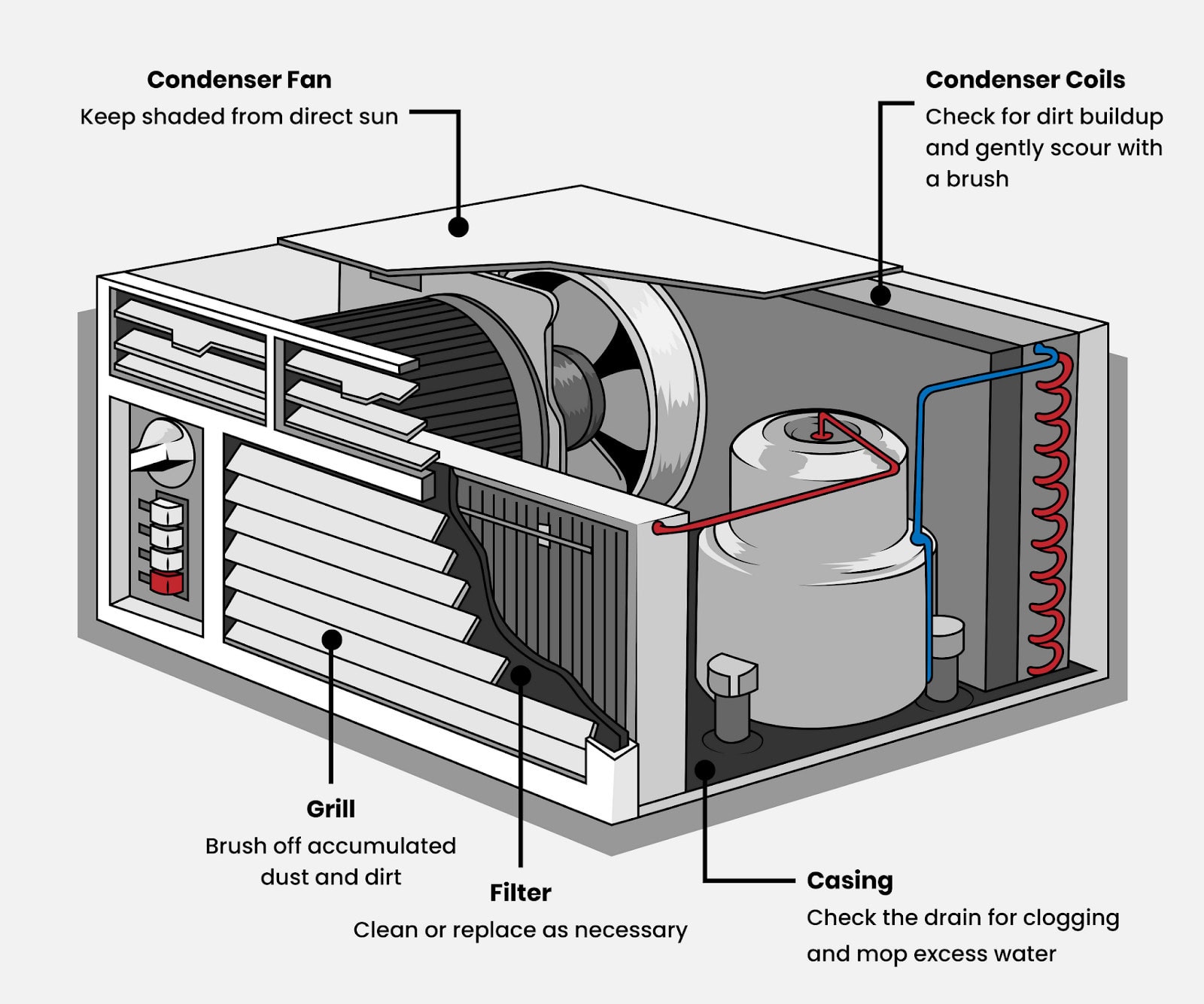
How Window Acs Work
Window air conditioners cool rooms by removing heat and moisture. They use a special process to take warm air inside and release it outside.
This process depends on several parts working together. Understanding how they work helps explain why Freon is important.
Cooling Cycle Basics
The cooling cycle moves heat from indoors to outdoors. It has four main steps:
- The compressor squeezes the refrigerant gas, raising its pressure and temperature.
- The hot gas moves through coils where it cools and becomes a liquid.
- The liquid refrigerant passes through an expansion valve, lowering its pressure and temperature.
- The cold refrigerant absorbs heat from the room air, turning back into gas.
This cycle repeats, keeping the room cool by moving heat outside.
Role Of Refrigerants
Refrigerants are special fluids that absorb and release heat quickly. They make the cooling cycle possible.
| Property | Why It Matters |
| Low Boiling Point | Evaporates easily to absorb heat. |
| Non-Toxic | Safe for indoor use. |
| Non-Flammable | Reduces fire risk. |
| Stable | Works well over many cycles without breaking down. |
Freon is a common refrigerant type used in window ACs. It allows the unit to cool air efficiently.
Freon And Its Alternatives
Window unit air conditioners use refrigerants to cool the air. Freon is a common refrigerant once used widely. New alternatives now replace Freon in many units.
This article explains what Freon is, the common refrigerants in window units, and environmental concerns linked to these chemicals.
What Is Freon?
Freon is a brand name for chemicals called chlorofluorocarbons (CFCs) or hydrochlorofluorocarbons (HCFCs). These chemicals help cool air in air conditioners.
Freon was popular because it is non-flammable and stable. It transfers heat from inside to outside the unit.
Common Refrigerants In Window Units
Many window units today use refrigerants other than Freon. These newer chemicals are safer for the environment.
- R-22: An older refrigerant, being phased out due to environmental harm.
- R-410A: A popular alternative that does not harm the ozone layer.
- R-32: A newer refrigerant with lower global warming potential.
Environmental Concerns
Freon and some older refrigerants damage the ozone layer. This layer protects Earth from harmful UV rays.
New refrigerants reduce ozone harm but may still affect global warming. Proper use and disposal are important.
- Freon (CFCs/HCFCs) harms the ozone layer and is banned in many countries.
- R-410A does not damage ozone but can contribute to global warming.
- R-32 has a lower impact on global warming but is mildly flammable.
Do Window Units Use Freon?
Window air conditioners cool your room using a refrigerant. Freon is a common refrigerant in older units. Newer models may use other refrigerants.
Understanding if your window unit uses Freon helps with maintenance and repair. It also tells you what kind of service it needs.
Factory Filling Process
Window units get filled with refrigerant at the factory. This process happens before the unit leaves the assembly line.
The refrigerant is sealed inside the cooling system. This keeps the unit ready to cool right away after installation.
Signs Of Refrigerant Issues
Low refrigerant can stop your window unit from cooling properly. It might also cause the unit to freeze up or make strange noises.
- Warm air coming from the unit
- Ice forming on the coils
- Unit runs longer than usual
- Hissing or bubbling sounds
- Higher electricity bills
Credit: airchillac.com
Refilling And Maintenance
Window unit air conditioners need regular care to work well. Refilling Freon is part of keeping them cold. Proper maintenance helps your AC last longer.
This guide explains if you can add Freon yourself, when to call a pro, and tips to avoid problems.
Can You Add Freon Yourself?
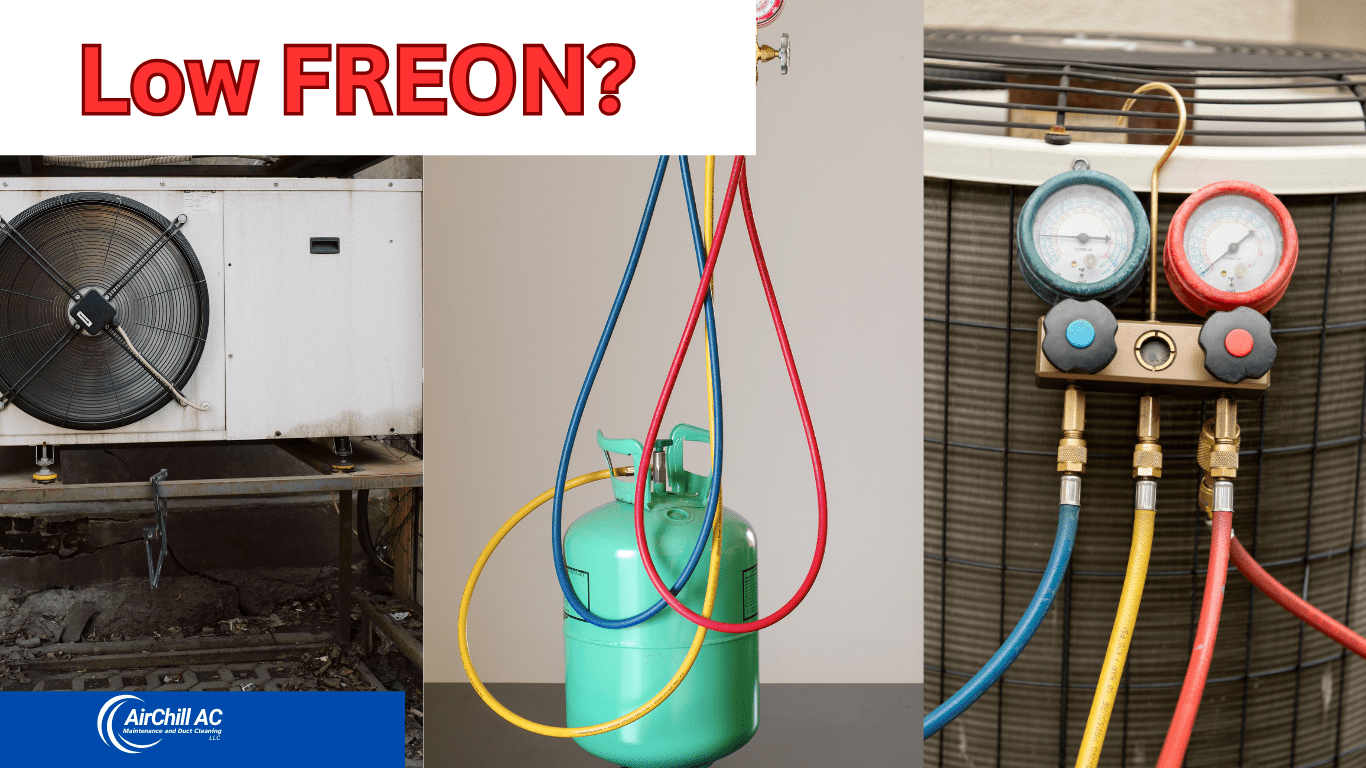
Adding Freon to a window AC is not easy or safe for most people. The system must be leak-free before refilling. Incorrect handling can harm the unit and environment.
Freon is a chemical that needs special tools to handle. Using the wrong type or amount can damage the AC or cause it to stop working.
- You need a gauge set to check pressure levels.
- Only add Freon if there is a confirmed leak repair.
- Wear protective gear to avoid skin and eye contact.
- Follow local laws about refrigerant handling.
When To Call A Professional
Call a professional if your AC is low on Freon or not cooling well. Experts find leaks and fix them safely. They use the right Freon type and amount.
| Problem | Why Call a Pro |
| Low cooling | Check and refill Freon properly |
| Strange noises | Inspect internal parts safely |
| Leaks or frost | Find and fix leaks quickly |
| Unusual smells | Identify electrical or mold issues |
Preventive Care Tips
Good care helps avoid Freon problems. Follow these easy steps to keep your window AC in top shape.
- Clean or replace filters every month.
- Keep the unit free from dust and debris.
- Check for unusual sounds or smells regularly.
- Ensure the unit is properly sealed in the window.
- Schedule yearly professional checkups.
Troubleshooting Cooling Problems
Window unit air conditioners use Freon to cool the air. If your AC is not cooling well, it may need a Freon check. Troubleshooting helps find the cause and fix the problem.
We will look at common issues like low cooling, leaks, and strange noises. These signs can tell if your AC needs maintenance or Freon refill.
Low Cooling Performance
Low cooling means the unit is not making the room cold enough. This often happens if there is not enough Freon inside the system. Freon helps absorb heat and cool the air.
Other causes include dirty filters or blocked vents. Check the filters and clean them regularly. If cleaning does not help, the Freon level may be low.
- Check air filter for dirt and dust
- Inspect vents for blockages
- Look for ice buildup on the coils
- Consider a Freon recharge if cooling stays low
Leaks And Their Impact
Freon leaks reduce the cooling power of the AC unit. Leaks can happen in pipes or coils. If Freon escapes, the system cannot cool the air well.
Leaks also cause the compressor to work harder, which can damage the unit. A leak needs to be found and repaired to fix cooling issues.
- Look for oily spots on pipes or coils
- Listen for hissing sounds near the unit
- Check for frost or ice on the cooling coils
- Call a professional to fix leaks and refill Freon
Noise And Other Symptoms
Strange noises can mean a problem with the Freon or other parts. Banging, hissing, or rattling sounds are warning signs. These noises may come from low Freon pressure or leaks.
Other symptoms include warm air blowing or the unit turning off suddenly. These signs need quick attention to avoid bigger damage.
- Hissing sounds may indicate a Freon leak
- Rattling could mean loose parts or debris
- Warm air means poor cooling or low Freon
- Frequent shutting off shows system stress
Credit: www.angi.com
Frequently Asked Questions
Do Window Unit Air Conditioners Use Freon?
Yes, most window air conditioners use Freon or similar refrigerants. Freon helps transfer heat, cooling the air inside your room efficiently.
How Often Should Freon Be Refilled In Window Units?
Freon rarely needs refilling unless there is a leak. If cooling weakens, a professional should check and recharge the refrigerant.
Can I Add Freon To My Window Air Conditioner Myself?
Adding Freon requires special tools and knowledge. It’s safest to hire a certified technician to avoid damage or leaks.
Why Is My Window Ac Not Cooling Despite Having Freon?
Poor cooling could indicate a Freon leak or compressor issue. A technician should inspect the unit to diagnose and fix the problem.
Conclusion
Understanding window unit air conditioners is important for efficient use. They need Freon for cooling. Without it, they won’t work properly. Regular checks ensure they perform well. Always consult professionals for refilling Freon. This keeps your unit safe and efficient.
Proper care extends its life. It also saves energy and money. Remember, a well-maintained unit cools your space effectively. So, take action today. Your comfort depends on it. Ensure your window unit is in top shape. Enjoy a cool, refreshing home environment.