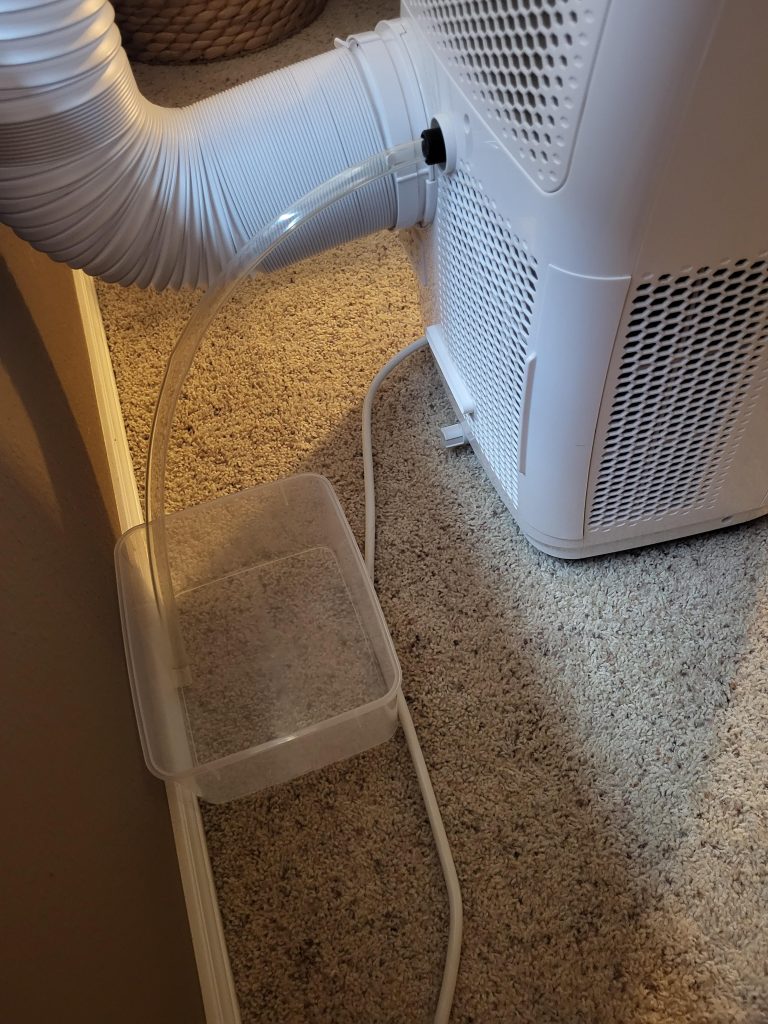
Are you wondering if you have to drain your portable air conditioner? It’s a common question that can save you from unexpected messes and keep your unit running smoothly.
Understanding when and how to drain your portable AC could mean the difference between cool, comfortable air and unwanted water leaks. Keep reading to discover simple tips that will help you avoid problems and get the most out of your air conditioner this season.

Credit: northnjhvac.com
Why Portable Acs Need Draining
Portable air conditioners cool air by removing heat and moisture. This process creates condensation, which collects inside the unit. The moisture must be drained to keep the AC working well.
Condensation forms as warm air meets the cold cooling coils. Water droplets gather and drip into a tank or tray inside the AC. If not drained, this water can overflow or cause problems.
Not draining the portable AC leads to:
- Water leaksaround the unit, causing damage.
- Bad smellsfrom stagnant water.
- Reduced coolingbecause the water blocks airflow.
- Possible mold growth, which is unhealthy.
- Shorter AC lifespandue to internal damage.

Credit: www.youtube.com
Types Of Drainage Systems
Portable air conditioners use different ways to handle water from the air. Some models need manual draining. You must empty a small tank inside the unit. This tank collects water that the air conditioner removes from the air. When it gets full, the unit will stop cooling until you drain it.
Self-evaporative modelsuse a special system to handle water. They evaporate most of the water automatically. This means less or no need to drain the tank. These models save time and are easy to use. But some water may still collect in very humid places. A small drain might be needed sometimes.
When To Drain Your Unit
Portable air conditioners collect water during use. This water builds up inside the unit’s tank. Signs of water accumulationinclude water leaks or the unit stopping unexpectedly. A full tank can cause the unit to shut down to prevent damage.
Some units have a drain plug or hose connection. Draining the water helps the unit work better and last longer. The recommended drainage frequencydepends on how often the unit runs and humidity levels.
- Drain water after every 8-12 hours of use in high humidity.
- Check the water tank regularly for fullness.
- Drain less often in dry weather or with short run times.
- Empty the tank before storing the unit for a long time.
Step-by-step Draining Process
Unplug the portable air conditioner to ensure safety. Find a flat surface near a drain or outside. Remove any covers blocking the water tank. Check the user manual for specific instructions about your model.
Locate the water tank or reservoir carefully. Pull it out slowly to avoid spilling water. Carry the tank to a sink or drain. Empty all the water completely. Wipe the tank dry with a clean cloth before reinserting it.
- Clean the water tank regularly to prevent mold and odor.
- Use mild soap and warm water for cleaning.
- Rinse the tank thoroughly after washing.
- Dry the tank completely before placing it back.
- Check and clean the air filter to improve air flow.
Maintenance Tips To Reduce Draining
Proper installation helps your portable air conditioner work well. Place it on a flat, stable surface near a window. Make sure the exhaust hose is straight and not bent. This lets hot air leave easily and stops extra water from building up inside.
Cleaning the filter often keeps air flowing well. A dirty filter can block air and make the unit work harder. Remove the filter and wash it with warm water. Let it dry fully before putting it back. This helps the air conditioner cool better and lowers water drainage.
Troubleshooting Drainage Issues
Portable air conditionersoften need to drain water that collects inside. Common problems include the unit not draining properly or leaking water.
- Water buildup:The drain pan might be full or clogged.
- Drain hose issues:Hose could be blocked or bent.
- Improper setup:Unit may not be level, causing water to spill.
Signs that show professional help is needed:
- Water leaks despite clearing the drain.
- Drain pump making strange noises or not working.
- Repeated drainage problems after cleaning and adjustments.
- Electrical issues or error codes on the display.

Credit: www.youtube.com
Frequently Asked Questions
Do Portable Air Conditioners Need Draining?
Yes, many portable air conditioners need regular draining. They remove moisture from the air, which collects as water. Some models have self-evaporation features, reducing the need for frequent draining. Always check your unit’s manual for specific instructions on draining and maintenance to ensure optimal performance.
How Often To Drain A Portable Ac?
Draining frequency depends on humidity and usage. In high humidity, you might need to drain daily. In drier conditions, weekly or less is sufficient. Always consult your unit’s manual to understand its specific requirements and ensure efficient operation.
What Happens If I Don’t Drain My Ac?
Not draining your portable AC can lead to water overflow, damaging the unit or your space. It might also reduce the cooling efficiency and cause unpleasant odors. Regular maintenance ensures optimal performance and prolongs the lifespan of your air conditioner.
Can I Use A Hose For Draining?
Yes, many portable air conditioners allow hose attachment for continuous draining. This is ideal if you have a nearby drain. Ensure the hose is securely attached and positioned correctly to prevent leaks or water damage.
Conclusion
Draining a portable air conditioner helps it work better and last longer. Water buildup can cause problems if you don’t drain it. Some models need regular draining, while others have a self-evaporation feature. Check your unit’s instructions to know the best way.
Taking care of your air conditioner makes your room cooler and air fresher. Small steps like this save time and money. Keep your portable AC dry and enjoy cool air all day. Simple care goes a long way.