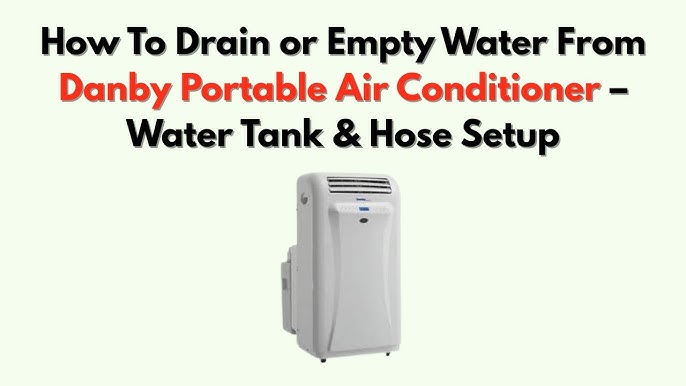
Are you wondering if you have to drain your portable air conditioner? It’s a common question that many people overlook until water starts pooling around their unit.
Knowing when and how to drain your portable AC can save you from unexpected messes and keep your device running smoothly. You’ll discover simple tips to handle draining like a pro, avoid damage, and extend the life of your air conditioner.
Keep reading to learn exactly what you need to do to stay cool without the hassle.
Why Drain Portable Acs
Portable air conditioners cool your room by removing heat and moisture from the air. This moisture turns into water inside the unit. Draining this water is important to keep the AC working well.
If you do not drain the water, it can cause problems. The AC might stop cooling properly or get damaged over time. Knowing why and how to drain your portable AC helps you avoid these issues.
How Condensation Forms
When warm air hits the cold parts inside the AC, water drops form. This is called condensation. The AC pulls moisture from the air to cool the room.
The water collects inside the AC in a tank or tray. This is normal and shows the AC is working to remove humidity from your space.
Impact Of Water Buildup
When water builds up inside the AC, it can overflow if not drained. This may cause leaks and damage your floors or walls.
Excess water can also make the AC less efficient. It may stop cooling well or cause mold and bad smells inside the unit.
- Water overflow can damage your home
- Too much water lowers cooling power
- Mold growth can affect air quality
- Regular draining helps the AC last longer

Credit: northnjhvac.com
When To Drain
Portable air conditioners collect moisture from the air during cooling. This water builds up inside the unit. Draining this water is important to keep the unit working well.
Knowing when to drain your portable air conditioner helps avoid leaks and damage. It also keeps the air fresh and dry.
Signs Your Unit Needs Draining
Watch for these signs to know when to drain your portable air conditioner:
- Water pooling around the unit or on the floor
- The unit stops cooling effectively
- Increased noise from the unit due to water buildup
- Indicator light or alert on the unit signaling a full water tank
- Unpleasant or musty smells coming from the unit
Frequency Of Draining
The frequency to drain depends on how much moisture the unit collects. This varies by usage and humidity levels.
| Condition | Drain Frequency |
| High humidity | Every 1-2 days |
| Moderate humidity | Every 3-5 days |
| Low humidity | Once a week or less |
| Continuous use | Daily or as needed |
Draining Methods
Portable air conditioners collect water as they cool the air. This water must be drained to keep the unit working well. There are different ways to drain the water from these units.
Choosing the right draining method depends on your model and how often you use the air conditioner. Below are common ways to drain the water.
Manual Drainage Steps
Manual drainage means you empty the water tank yourself. This is common for portable units without automatic drain options.
Follow these steps to drain water manually:
- Turn off the air conditioner and unplug it.
- Locate the water collection tank or drain plug.
- Place a shallow pan or towel under the drain area.
- Remove the drain plug or open the tank carefully.
- Let the water flow out completely.
- Replace the plug or close the tank securely.
- Plug in and turn on the unit again.
Using The Drain Hose
Some portable air conditioners have a drain hose. This hose lets water flow out continuously or when needed.
To use the drain hose:
- Attach the hose to the drain outlet on the unit.
- Place the other end in a bucket or near a floor drain.
- Make sure the hose slopes downward for easy water flow.
- Check the hose often to avoid clogs or leaks.
Self-evaporative Systems
Some modern portable air conditioners have self-evaporative systems. These systems evaporate the water inside the unit.
This means you usually do not need to drain water manually. The unit uses heat to turn water into vapor and release it.
- Works best in dry, warm conditions.
- May still need occasional drainage in humid areas.
- Check the manual for your model’s specific advice.

Credit: www.youtube.com
Preventing Excess Water
Portable air conditioners often collect water inside during use. Managing this water is important to keep the unit working well.
Proper placement and regular maintenance help prevent excess water buildup in your portable air conditioner.
Proper Placement Tips
Where you place your portable air conditioner affects how much water it collects. Place it on a flat surface to avoid leaks.
- Keep the unit away from direct sunlight to reduce condensation.
- Ensure the exhaust hose is straight and not blocked.
- Avoid placing the unit near humid areas like bathrooms.
- Use a drip tray if your model supports it to catch extra water.
Maintenance Practices
Routine care helps control water build-up and extends the life of your air conditioner.
| Maintenance Task | Frequency |
| Empty the water tank | When full or weekly |
| Clean air filters | Every two weeks |
| Check exhaust hose | Monthly |
| Inspect drip tray | Monthly |
Common Drainage Issues
Portable air conditioners need proper drainage to work well. Drainage problems can cause water buildup and damage. Knowing common issues helps you keep your unit running smoothly.
Two main drainage problems are clogged drainage and leaks or spills. Each can affect your air conditioner’s performance and safety.
Clogged Drainage Problems
Clogged drains stop water from flowing out of the unit. This can cause water to collect inside, damaging parts or making the room wet. Dirt, dust, and mold often block the drainage hose or tray.
- Check and clean the drainage hose regularly.
- Clear the drainage tray of dirt and debris.
- Use a soft brush or cloth to remove mold buildup.
- Replace damaged or cracked drainage parts.
Leaks And Spills
Leaks happen when water escapes from the drainage system. Spills can occur if you move the unit without emptying the water tank. Both cause water on floors and walls, which can lead to damage or slipping hazards.
| Cause | Effect | Solution |
| Loose drainage hose | Water leaks near unit | Secure hose connection |
| Full water tank | Water spills when moving | Empty tank before moving |
| Cracked drainage parts | Continuous leaks | Replace damaged parts |

Credit: www.reddit.com
Safety And Care
Portable air conditioners need regular care to work well. Draining water is part of this care. It helps keep the unit safe and clean.
Not draining water can cause damage or make the air conditioner stop working. Let’s learn how to handle this safely.
Handling Water Disposal
Portable air conditioners collect water from the air. This water must be drained to avoid spills and mold. Always turn off the unit before draining.
Use the drain plug or hose to remove water. Dispose of the water in a safe place, like a floor drain or outside. Do not pour water where it can cause damage.
- Turn off and unplug the air conditioner first
- Use a container to catch the water
- Empty water in a safe drain or outside
- Clean the drain area regularly
Protecting Your Ac Unit
Draining water helps protect the air conditioner from damage. Standing water can cause rust and mold inside the unit. It also lowers the air quality.
Keep the unit dry and clean for longer life. Check the water tank or drip tray often. Clean the filters and vents to keep air flowing well.
- Drain water regularly to prevent buildup
- Keep the unit on a flat surface
- Clean filters every few weeks
- Check for leaks or cracks
- Store the unit properly in winter
Frequently Asked Questions
Do Portable Air Conditioners Need Draining?
Yes, some portable air conditioners require draining. They collect moisture as they cool the air. Most have a self-evaporating system, but in humid conditions, manual draining might be necessary. Always check the model’s manual for specific instructions on maintenance and draining needs.
How Often To Drain Portable Ac Units?
The frequency of draining depends on humidity levels and unit type. In high humidity, you might need to drain daily. Self-evaporating models need less frequent draining. Refer to your unit’s manual for specific guidelines tailored to your device.
What Happens If You Don’t Drain It?
Failure to drain your portable AC can lead to overflow and potential water damage. It can also impact the unit’s cooling efficiency. Regular maintenance helps ensure optimal performance and prolongs the life of the air conditioner.
Can I Use A Hose For Draining?
Yes, many portable air conditioners come with a drain hose option. Attach the hose to the drain port for continuous drainage. This method is convenient for avoiding manual draining, especially in areas with high humidity.
Conclusion
Draining a portable air conditioner depends on the model and use. Some units remove water automatically. Others need manual draining to avoid leaks and damage. Check your machine’s instructions to know the right steps. Regular draining keeps the air conditioner working well.
It also helps prevent mold and bad smells. Taking care of your unit saves money in the long run. Simple maintenance makes hot days cooler and more comfortable. Remember, a little care goes a long way.