Are you wondering if you really need a range hood in your kitchen? You might think it’s just an extra appliance, but what if it could make your cooking safer, cleaner, and more enjoyable?
Whether you’re planning a kitchen upgrade or just curious, understanding the role of a range hood can change how you cook and breathe in your home. Keep reading to discover why a range hood might be more important than you realize—and how it can improve your kitchen experience.
Why Range Hoods Matter
Range hoods play a key role in kitchens. They help keep your cooking space safe and clean. Without a range hood, smoke and smells can fill your home. They also help reduce heat and moisture. This makes your kitchen more comfortable and healthier.
Air Quality Benefits
Cooking releases smoke, grease, and tiny particles. These can harm your lungs and eyes. A range hood pulls out these pollutants. It brings fresh air inside. This lowers the risk of breathing problems. It also helps keep your walls and ceilings clean.
Heat And Moisture Control
Cooking creates heat and steam. This can make your kitchen hot and damp. Too much moisture can cause mold and damage. Range hoods remove this extra heat and steam. They help keep your kitchen dry and cool. This protects your home and makes cooking easier.
Odor Removal
Strong smells from cooking can linger for hours. This can be unpleasant for you and your guests. Range hoods suck up these odors quickly. They stop smells from spreading to other rooms. This keeps your home smelling fresh and clean after meals.

Credit: prolinerangehoods.com
Types Of Range Hoods
Choosing the right range hood can make a huge difference in your kitchen’s comfort and air quality. Each type serves a unique purpose and fits different kitchen layouts and cooking habits. Understanding these options helps you pick what truly suits your space and needs.
Under-cabinet Hoods
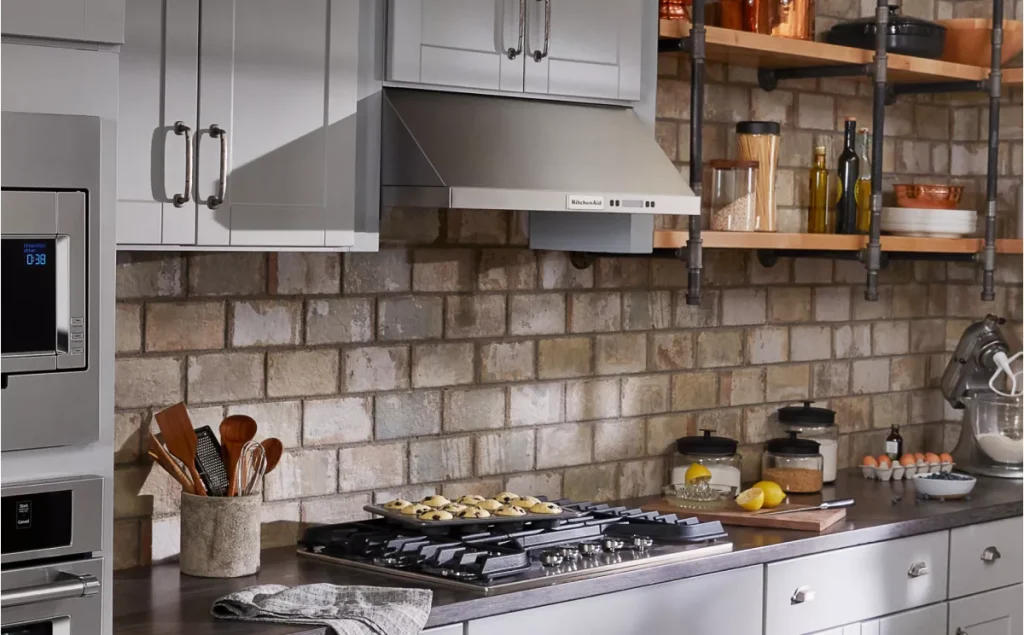
Under-cabinet hoods fit neatly beneath your kitchen cabinets, making them a popular choice for many homes. They save space and provide direct ventilation above your stove. If you have limited space but want effective smoke and odor removal, this type might be the perfect fit.
Wall-mounted Hoods
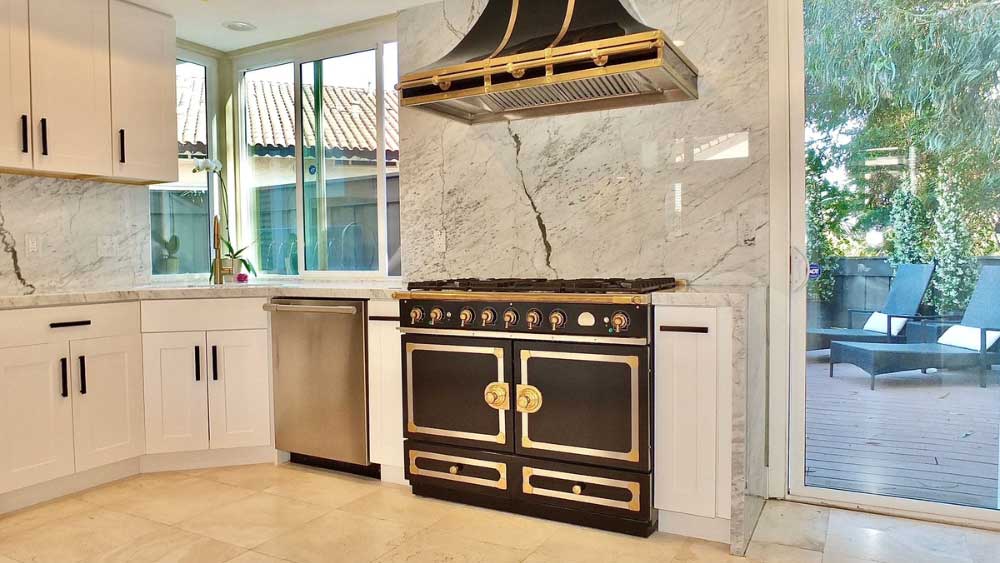
Wall-mounted hoods attach directly to the wall above your cooking area. They often become a focal point in your kitchen design with their bold and stylish appearance. Have you considered how a statement hood could add both function and flair to your cooking space?
Island Hoods
Island hoods hang from the ceiling over a kitchen island, offering ventilation where cabinets aren’t available. These are essential if your stove sits in the middle of the room. They give you maximum airflow without sacrificing open space or style.
Downdraft Hoods
Downdraft hoods rise from the countertop and pull smoke and steam downwards. They are ideal if you want a sleek look without overhead equipment. If you’re tight on space or prefer minimalist design, this type keeps your kitchen looking clean while handling ventilation.
Do You Need One?
Wondering if you really need a range hood in your kitchen? The answer depends on several factors that affect both safety and comfort. Let’s break down what you should consider before deciding if a range hood is right for your home.
Local Building Codes
Check your local building codes first. Some areas require range hoods by law, especially if you have a gas stove.
These rules are in place to ensure proper ventilation and reduce risks from smoke or gas buildup. Ignoring these codes can lead to fines or trouble when you sell your home.
Cooking Habits
How often and what you cook matters a lot. If you fry, grill, or cook with strong spices regularly, a range hood helps keep your kitchen air clean.
It removes smoke, odors, and grease that stick to surfaces, making cleaning easier. On the other hand, if you mostly boil or microwave food, you might get by without one.
Kitchen Size And Layout
Small kitchens with limited airflow can quickly get smoky or smelly without proper ventilation.
In larger kitchens or open floor plans, air may circulate better, but a range hood still helps control odors and moisture. Think about where your stove is positioned and how air moves in your space before deciding.
Credit: blog.yaleappliance.com
Ventilation Options
Choosing the right ventilation option improves kitchen air quality. Cooking releases smoke, steam, and odors. Ventilation removes these, keeping your kitchen fresh and safe. Various systems fit different kitchen layouts and needs. Understanding the types helps make a smart choice.
Ducted Systems
Ducted range hoods vent air outside the home. They use pipes to carry smoke and odors out. This system is very effective at removing heat and moisture. It keeps your kitchen air clean and dry. Installation needs a wall or roof vent. Ducted systems may cost more to install but work well.
Ductless Systems
Ductless range hoods filter air and recirculate it inside. They use charcoal or carbon filters to trap odors. These systems are easier to install with no venting needed. They suit kitchens without access to an outside wall. Filters must be replaced regularly to work well. Ductless hoods are less powerful than ducted ones.
Hybrid Models
Hybrid hoods combine ducted and ductless features. They can vent outside or filter and recirculate air. These models offer flexibility for different kitchen setups. You can switch modes depending on your needs. Hybrid systems provide good ventilation with more options. They may cost more but adapt to many homes.
Installation Considerations
Installing a range hood involves more than just picking a stylish model. You need to think about how and where it fits into your kitchen setup, the power it needs, and how it sounds while working. These details can make a big difference in how well your range hood performs and how happy you are with it.
Placement And Height
The right placement of your range hood affects both its effectiveness and safety. It should be centered over your cooktop to catch smoke and steam efficiently. Too high, and it won’t capture everything; too low, and it could get in your way or be a fire hazard.
A good rule is to install the hood 24 to 30 inches above the cooking surface. This distance provides enough clearance while maximizing ventilation. Think about your cooking style and kitchen layout—do you often use tall pots or a grill that produces lots of smoke?
Electrical Requirements
Range hoods need a dedicated power source, often requiring a 120-volt outlet. Check your kitchen’s electrical setup to see if you have a nearby outlet or if wiring work is needed. Hiring a professional electrician can save you headaches and ensure everything meets local safety codes.
Consider the hood’s power rating too. More powerful models may need special wiring or higher amperage circuits. Have you checked the product specifications before buying? This step can prevent costly adjustments later.
Noise Levels
Noise can be a deal-breaker for many. Some range hoods roar like a jet engine, while others whisper quietly. Look for the sone rating—a measure of sound intensity—when choosing your model.
If your kitchen is open to living spaces, a quieter hood might be worth the extra cost. Would you rather have a loud but powerful fan or a quieter unit that requires longer run times? Your choice here affects how often and when you’ll use your range hood.
Maintenance Tips
Keeping your range hood in top shape is essential for effective kitchen ventilation. Regular maintenance not only improves performance but also extends the life of your appliance. Here are some practical tips to help you care for your range hood.
Cleaning Filters
Filters trap grease and particles, so cleaning them regularly is a must. Most filters can be removed and soaked in warm, soapy water. If you notice stubborn grease buildup, try using a degreaser or baking soda paste for better results.
How often should you clean your filters? Aim for every 1 to 3 months, depending on how frequently you cook. Neglecting this can reduce airflow and cause unpleasant odors in your kitchen.
Replacing Parts
Some parts of your range hood wear out over time, like fan belts, lights, or filters. Keep an eye out for signs like dim lights, rattling noises, or reduced suction power. These are clear indicators that parts might need replacement.
Do you keep spare parts handy? Having replacements ready can save you time and hassle. Always use manufacturer-approved parts to ensure safety and compatibility.
Routine Inspections
Performing regular checks can help you spot problems before they become serious. Inspect the vent ducts for blockages or damage. Make sure the fan blades are clean and spin freely.
Ask yourself: Have you noticed any unusual sounds or smells recently? These could be warning signs that maintenance is overdue. A quick inspection every few months keeps your range hood working efficiently.
Alternatives To Range Hoods
If you’re wondering whether a range hood is absolutely necessary, it helps to know there are effective alternatives. Not every kitchen setup allows for traditional range hood installation, but you can still manage cooking odors, smoke, and moisture. Let’s look at some practical options that keep your kitchen air fresh without a bulky hood above your stove.
Air Purifiers
Air purifiers can clear the air of smoke, grease, and odors after cooking. Choose one with a HEPA filter combined with an activated carbon filter for the best results. I once used a purifier during a weekend of frying fish indoors, and it noticeably reduced the lingering smell within hours.
Keep in mind that air purifiers work best as a complement, not a replacement, to ventilation. Position the purifier close to your cooking area for maximum impact. This setup helps trap airborne particles and improves overall air quality.
Improved Ventilation Fans
Upgrading your kitchen’s ventilation fan can make a huge difference. Look for a fan with a higher cubic feet per minute (CFM) rating to move air more efficiently. I swapped out a basic fan for a powerful model, and it cleared smoke faster than my old range hood ever did.
Also, ensure the fan vents to the outside, not just recirculates air. This prevents moisture and odors from lingering in your kitchen. Sometimes, just improving the existing fan can create a fresher cooking environment without major renovations.
Open Window Strategies
Opening windows while cooking is a simple but effective way to ventilate. Try to create a cross-breeze by opening windows or doors on opposite sides of your kitchen. This helps pull out smoke and steam quickly.
Think about timing too—open windows before you start cooking to let fresh air in, and keep them open a bit after you finish. I’ve found that even on colder days, a short burst of fresh air can clear the air better than any mechanical device. How could you rearrange your kitchen routine to use natural airflow more effectively?
Credit: www.kitchenaid.com
Frequently Asked Questions
Do You Really Need A Range Hood?
A range hood helps remove smoke, odors, and grease from your kitchen air. While not mandatory, it greatly improves ventilation and air quality. It also protects cabinets and walls from moisture and stains, making cooking safer and cleaner.
What Are The Benefits Of Having A Range Hood?
Range hoods reduce airborne grease, smoke, and cooking odors. They improve indoor air quality and keep your kitchen cleaner. Additionally, they prevent moisture buildup that can damage walls and cabinets. Some models also add extra lighting for better cooking visibility.
Can Cooking Without A Range Hood Cause Problems?
Yes, cooking without a range hood can lead to poor air quality. Smoke and grease particles can linger in your kitchen, causing odors and stains. Over time, this can damage walls and cabinets and may trigger respiratory issues for sensitive individuals.
Are Range Hoods Required By Building Codes?
Building codes vary by location, but many require range hoods or ventilation systems in kitchens. It’s best to check your local regulations before installation. Proper ventilation ensures safety and compliance with health standards in your home.
Conclusion
Deciding on a range hood is crucial for kitchen safety. It helps remove smoke, odors, and steam efficiently. A range hood improves air quality and keeps your kitchen clean. Consider your kitchen’s design and cooking habits. A good range hood fits your needs and space.
It enhances your cooking environment significantly. While not mandatory, its benefits are undeniable. Investing in a range hood can make a big difference. Think about your kitchen’s needs and choose wisely.