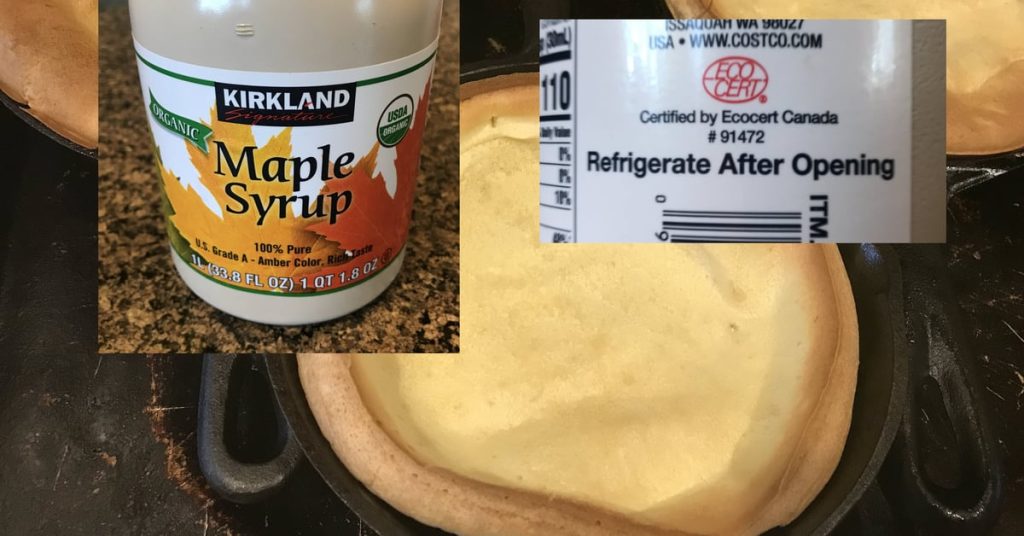
Have you ever stood in front of your fridge wondering if that bottle of syrup needs to be chilled after opening? You’re not alone.
Knowing whether to refrigerate syrup can save you from wasted food and unexpected spoilage. You’ll discover simple tips that help keep your syrup fresh and tasty for longer. Keep reading to find out exactly what you should do with your syrup once the seal is broken.
Shelf Life Of Syrup
The shelf life of syrup depends on storage and packaging. Knowing how long syrup lasts helps reduce waste and keep it safe. Syrup can last a long time if stored correctly. The duration varies before and after opening. Understanding these time frames keeps syrup fresh and tasty.
Unopened Syrup Duration
Unopened syrup can last for months or even years. Most syrups have a best-by date on the label. This date gives an idea of quality, not safety. Store unopened syrup in a cool, dark place. Avoid heat and sunlight to keep it fresh. Proper storage helps maintain flavor and texture.
Opened Syrup Duration
Opened syrup does not last as long as unopened. Exposure to air can cause changes in taste and quality. Refrigerating syrup after opening extends its shelf life. Most opened syrups stay good for six months in the fridge. Check for signs of spoilage like mold or off smell. Discard syrup if it looks or smells strange.
Types Of Syrup
Syrups come in various types, each with unique ingredients and storage needs. Knowing what kind of syrup you have helps you decide if refrigeration is necessary after opening. Let’s look at some common syrup types and how they behave once exposed to air.
Maple Syrup
Pure maple syrup is made from the sap of maple trees. It contains natural sugars and water, which can ferment if left unrefrigerated. I once left a bottle out for weeks, and it developed mold — a clear sign that refrigeration is key for maple syrup.
Keeping maple syrup in the fridge slows down mold growth and keeps it fresh longer. If you prefer it at room temperature, use it quickly after opening. Have you ever noticed an off smell or taste in your maple syrup? That’s your cue to chill it next time.
Corn Syrup
Corn syrup is mostly glucose syrup, with a thick, sticky texture. It’s often used in baking and candy-making due to its ability to prevent crystallization. Corn syrup usually doesn’t need refrigeration because its high sugar content naturally preserves it.
However, if you live in a hot or humid climate, refrigerating corn syrup can help maintain its texture and flavor. It’s a good habit to check the label, as some brands may recommend refrigeration. Do you find your corn syrup gets too thick or grainy at room temperature?
Flavored Syrups
Flavored syrups, like vanilla, caramel, or fruit varieties, often contain added preservatives and artificial ingredients. Their shelf life and storage instructions can vary widely depending on the brand. Many flavored syrups recommend refrigeration after opening to keep the flavors vibrant and prevent spoilage.
Since these syrups are used to enhance drinks and desserts, fresh taste is important. If you’ve ever noticed a dull flavor or strange texture in flavored syrup, it might be time to refrigerate it. What’s your go-to flavored syrup, and how do you usually store it?
Storage Conditions
Understanding how to store syrup properly helps maintain its quality and flavor. Syrup is a popular pantry staple, used in a variety of dishes. The way you store it affects its taste and shelf life. Let’s explore whether you should refrigerate syrup after opening.
Room Temperature Storage
Many people store syrup at room temperature. This method is convenient for frequent users. Maple syrup and other types with high sugar content resist bacteria growth. A cool, dark place like a pantry works well. Ensure the lid is tightly sealed to prevent contamination. Check for any unusual odor or mold before using. Light and heat can alter syrup’s flavor, so avoid direct sunlight.
Refrigeration Benefits
Refrigerating syrup extends its shelf life. Cool temperatures slow down spoilage. It also preserves the syrup’s natural flavor longer. Refrigeration is ideal for those who use syrup less often. It can prevent the growth of any harmful microorganisms. Cold syrup can thicken, but warming it gently restores its consistency. Always store syrup in a clean container to maintain its quality.

Credit: www.reddit.com
Signs Of Spoiled Syrup
Knowing the signs of spoiled syrup is essential to avoid unpleasant tastes and potential health risks. Syrup can look fine on the surface but still be unsafe to consume. Paying close attention to specific changes can save you from wasting food or worse, consuming something harmful.
Visual Changes
One of the easiest ways to spot spoiled syrup is by checking its appearance. If you notice any unusual cloudiness or sediment at the bottom, it’s a strong indicator the syrup has gone bad.
Also, look for mold growth around the rim or inside the bottle. Mold can appear as white, green, or black fuzzy spots and is a clear sign you should toss the syrup immediately.
Smell And Taste Alterations
Syrup usually has a sweet, pleasant aroma. If your syrup smells sour, fermented, or off in any way, don’t ignore it. That strange smell often means bacteria have started to grow.
Tasting a tiny amount can also help, but only if there are no visible signs of mold. If the syrup tastes bitter or sour instead of sweet, it’s time to throw it out. Would you want to risk ruining your pancakes with off-flavors?
Health And Safety Considerations
Health and safety are key factors when handling syrup after opening. Proper storage prevents health risks and keeps syrup fresh. Understanding these aspects helps avoid problems linked to spoiled syrup.
Bacterial Growth Risks
Syrup contains sugar, which slows bacteria growth but does not stop it completely. After opening, exposure to air and moisture can introduce bacteria. Warm temperatures speed bacterial growth, increasing the risk of spoilage. Spoiled syrup may develop mold or an off smell. Consuming contaminated syrup can cause stomach upset or food poisoning.
Preventing Contamination
Keep syrup sealed tightly after each use. Avoid dipping fingers or utensils directly into the bottle. Use clean spoons or pour syrup into a separate container for serving. Store syrup in a cool, dry place or in the refrigerator if recommended. Regularly check syrup for changes in color, smell, or texture. Discard syrup if signs of spoilage appear.

Credit: www.youtube.com
Tips For Extending Syrup Freshness
Keeping your syrup fresh after opening can sometimes feel tricky, but a few simple habits can make a big difference. You want to enjoy that rich flavor without worrying about spoilage or sticky messes. Here are practical tips to help your syrup stay fresh longer and taste just as good as the day you opened it.
Proper Sealing
Always make sure the syrup bottle is tightly sealed after each use. Air exposure speeds up spoilage and can cause the syrup to crystallize or ferment. If your bottle has a screw cap, twist it firmly until it clicks or feels secure.
For glass bottles, wiping the rim clean before sealing helps create a better seal. Have you noticed syrup dripping down the sides? That sticky residue can attract bacteria and mold, so keeping the bottle clean is key to freshness.
Clean Utensils Use
Using a clean spoon or ladle every time you scoop syrup prevents contamination. Dipping a dirty utensil back into the bottle introduces bacteria and can cause the syrup to spoil faster.
Try keeping a dedicated syrup spoon in your kitchen drawer. This small habit helped me avoid off-flavors and extended the syrup’s shelf life significantly. What tools do you use to keep your kitchen hygienic?

Credit: www.southernliving.com
Frequently Asked Questions
Do You Need To Refrigerate Syrup After Opening?
Most syrups should be refrigerated after opening to maintain freshness and prevent mold growth. Check the label for specific storage instructions.
How Long Does Syrup Last Without Refrigeration?
Unrefrigerated syrup can last a few weeks but may spoil or ferment. Refrigeration extends its shelf life significantly.
Can Syrup Spoil If Not Refrigerated?
Yes, syrup can spoil without refrigeration. It may develop mold, off-flavors, or fermentation, making it unsafe to consume.
Is It Safe To Store Syrup At Room Temperature?
Storing syrup at room temperature is risky after opening. Refrigeration helps preserve quality and prevent microbial growth.
Conclusion
Syrup storage depends on its type and ingredients. Some syrups last well at room temperature. Others need refrigeration to stay fresh longer. Always check the label for specific advice. Proper storage keeps syrup tasty and safe to eat. Avoid spoilage by sealing the bottle tightly.
Remember, cooler places slow down mold and fermentation. This simple step saves money and reduces waste. Keep your syrup ready for pancakes anytime. Easy care means better flavor every time you pour.