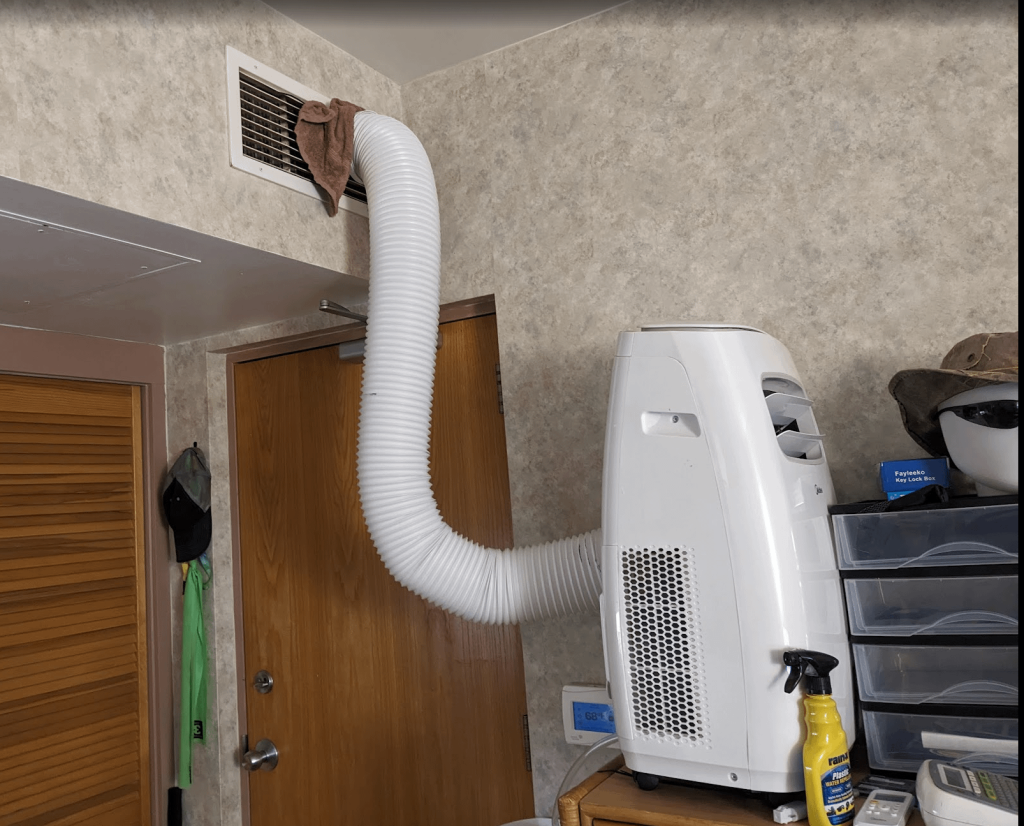
Are you wondering if you really have to vent your portable air conditioner? You’re not alone.
Many people buy these handy devices thinking they can just plug them in and enjoy cool air right away. But the truth is, venting plays a crucial role in how well your unit works—and how comfortable your room feels. If you skip this step, you might find your room staying warm or your energy bills rising.
Keep reading to discover why venting matters, how it affects your comfort, and what simple steps you can take to get the best from your portable air conditioner.

Credit: www.amazon.ca
Why Venting Matters
Ventinga portable air conditioner is essential to remove hot airfrom your room. Without venting, the heat exhauststays inside, making the room warmer instead of cooler.
This can cause your air conditioner to work harder, increasing energy use. The unit spends more power to cool the space, raising your electricity bill.
Venting also helps stop moisture build-up. Moisture can cause mold and damage walls or furniture. Proper venting removes this extra humidity, keeping your room dry and comfortable.
How Portable Ac Units Work
Portable air conditioners cool a room by moving heat from inside to outside. They work like a fridge but for air. The unit takes warm air and cools it down. This process creates hot air that needs to go somewhere.
Ventinghelps remove this hot air from the room. A hose usually directs hot air outside through a window or wall. Without venting, hot air stays inside, making the room warmer.
Some portable ACs have a single hosefor venting hot air. Others use dual hoses—one pulls air in, and the other pushes hot air out. Proper venting keeps the unit working well and the room cool.
Types Of Venting Options
Window vent kitsare common for portable air conditioners. They let hot air escape outside through a window. These kits include a panel to fit the window opening and a hose to carry the hot air out. Easy to install and remove.
Through-the-wall ventingsends hot air outside through a hole in the wall. This option is more permanent and needs some work to set up. It keeps the room cooler since the hot air leaves directly outside.
Ventless alternativesuse water to cool the air instead of venting. These units don’t need an outside vent but may add moisture to the room. Good for places where venting is hard or not allowed.

Credit: www.amazon.ca
Consequences Of Not Venting
Not venting a portable air conditioner causes several problems. First, cooling power drops. Hot air stays inside, making the room warmer.
Second, the unit uses more electricity. It works harder to cool the space. This raises energy bills.
Third, the unit can get damaged. Heat and moisture build up inside. This shortens the air conditioner’s life.
Setting Up Venting Properly
Choosing the right location for your portable air conditioner helps it work best. Place it near a window or door to vent hot air outside easily. Avoid spots with direct sunlight or close to heat sources.
Sealing and insulating the vent keeps cool air inside and hot air out. Use foam or weather stripping around the vent hose. This stops warm air from leaking back into the room.
- Check the vent hose length; keep it as short as possible.
- Secure the hose to avoid kinks or bends that block airflow.
- Keep the vent away from pets and children for safety.
- Follow the manufacturer’s instructions for proper setup.

Credit: www.cnet.com
Maintenance For Venting Systems
Regular cleaning of the exhaust hosekeeps the air conditioner working well. Dust and dirt can block airflow. Use a soft cloth or vacuum to remove buildup. Make sure the hose is dry before reinstalling it.
Check the hose and connections for leaks. Small holes or tears let hot air in, reducing cooling power. Seal leaks with tape made for air conditioners. Replace the hose if damage is severe.
Worn parts like clamps or seals need replacement. Old components can cause air leaks or hose detachment. Inspect these parts regularly and swap them out to keep the system tight and safe.
Alternatives To Traditional Venting
Evaporative coolersuse water to cool the air. They work well in dry places. These coolers do not need venting since they add moisture to the air. They are simple and use less power than traditional ACs.
Dehumidifiers with coolingreduce moisture and lower temperature slightly. They help in humid rooms but do not cool as much as ACs. These devices do not require venting.
Dual-hose portable ACshave two hoses. One pulls in air from outside, and the other pushes hot air out. This design cools more efficiently and reduces the need for complex venting setups.
Frequently Asked Questions
Do Portable Air Conditioners Need To Be Vented?
Yes, portable air conditioners need to be vented. Venting helps expel hot air outside, maintaining cooling efficiency. Without proper venting, the unit will not cool effectively, making it less energy-efficient. Venting can be done through a window, wall, or ceiling, ensuring the hot air is directed away from the living space.
Can You Run A Portable Ac Without Venting?
Running without venting reduces efficiency. A portable AC needs venting to expel hot air outside. Without venting, the unit may recycle warm air back into the room, reducing its cooling capabilities. Proper venting ensures optimal performance, energy efficiency, and a comfortable indoor environment.
What Happens If You Don’t Vent It?
Without venting, the unit recycles hot air, decreasing efficiency. The room may feel warmer, and the unit works harder, increasing energy usage. Proper venting is crucial to ensure the air conditioner cools effectively and maintains a comfortable indoor temperature. It also helps prevent overheating and prolongs the unit’s lifespan.
How Do You Vent A Portable Ac?
Venting typically involves using a window kit. The kit includes a hose that connects the unit to the window. Ensure the hose is securely attached to expel hot air outside. Some models offer alternative venting options like through a wall or drop ceiling, depending on your setup.
Conclusion
A portable air conditioner needs proper venting to work well. Venting removes hot air and keeps your room cool. Without venting, the unit may overheat or waste energy. Most models come with a vent kit for easy setup. Always place the vent hose near a window or door.
Proper venting helps the air conditioner last longer. It also makes your space more comfortable. So, do not skip venting for better cooling and efficiency. Simple steps make a big difference in your home’s comfort.