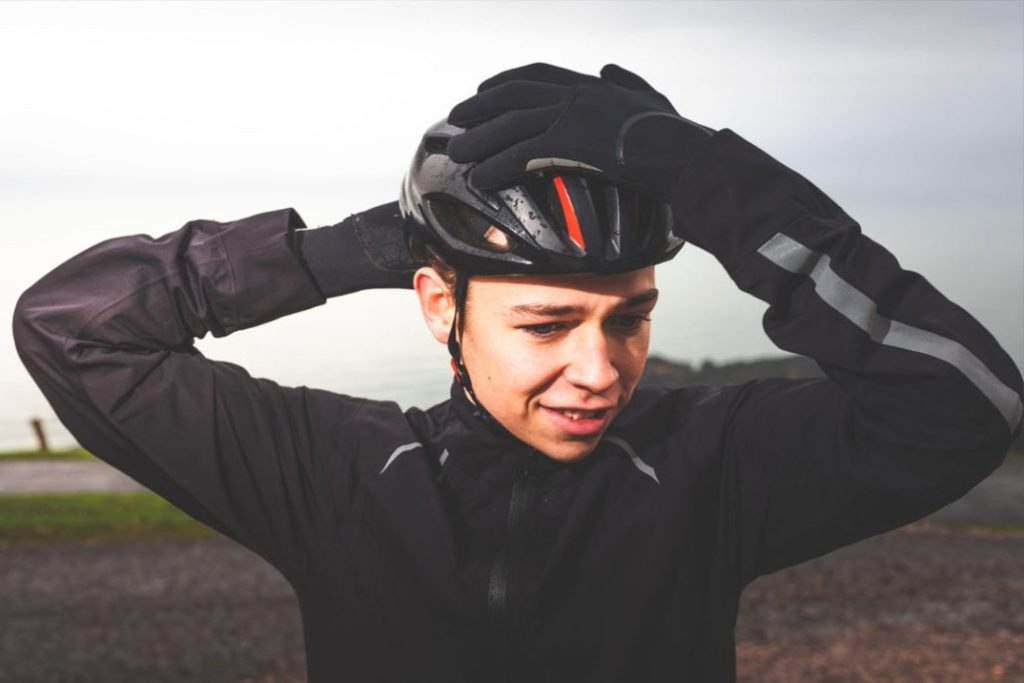
Are you wondering if you have to wear a bike helmet in California? Whether you’re a casual rider or someone who bikes every day, knowing the helmet laws can keep you safe and out of trouble.
You might think it’s just a suggestion, but the rules are clearer than you think. Keep reading to find out exactly when and why wearing a helmet is important—and what could happen if you don’t. This knowledge could save you from a ticket or, even more importantly, protect your head when you least expect it.
California Helmet Laws
Bike helmets help protect riders from head injuries. California has rules about who must wear them.
These laws focus on safety and who needs to follow them.
Who Must Wear A Helmet
In California, people under 18 must wear a helmet when riding a bike. This rule is for all riders under 18.
Adults do not have a state law requiring helmets. Local rules may vary in some areas.
- Riders under 18 years old must wear a helmet
- Adults are not required by state law to wear helmets
- Check local laws for extra helmet rules
Helmet Standards In California
Helmets must meet safety standards to be legal in California. Look for a label that shows approval.
The helmet should meet the U.S. Consumer Product Safety Commission (CPSC) standards.
- Helmets must have a CPSC safety label
- Use helmets that fit well and are in good condition
- Replace helmets after a crash or if damaged
Penalties For Not Wearing A Helmet
Riders under 18 who do not wear a helmet can face fines. Police may stop and ticket riders without helmets.
Fines are usually small but help encourage safety for young riders.
- Fines apply to riders under 18 without helmets
- Tickets help enforce helmet laws
- Wearing a helmet helps avoid penalties
Helmet Laws For Electric Bikes And Scooters
Helmet rules also apply to electric bikes and scooters. Riders under 18 must wear helmets on these vehicles.
Adults riding electric bikes or scooters may not need helmets unless local laws say so.
- Under 18 riders must wear helmets on electric bikes and scooters
- Adults should check local laws for helmet rules
- Safety is important for all riders

Credit: www.bojatlaw.com
Helmet Requirements For Minors
In California, bike helmet laws focus mainly on minors. These rules aim to keep children safe while riding.
Understanding who must wear a helmet and when helps families follow the law and protect young riders.
Who Must Wear A Helmet?
California law requires all riders under 18 years old to wear a helmet. This applies to bicycles, scooters, and skateboards.
Helmet Standards And Fit
Helmets must meet safety standards set by the U.S. Consumer Product Safety Commission. They should fit snugly and cover the forehead.
- Check for safety certification labels
- Adjust straps to fit securely
- Replace helmets after impact
Penalties For Not Wearing A Helmet
Riders under 18 caught without a helmet can face fines. Parents or guardians may also be held responsible.
| Offense | Possible Fine |
| First violation | $25 |
| Second violation | $50 |
| Additional violations | Increased fines |
Helmet Rules For Adults
In California, bike helmets are important for safety. Many riders wonder if adults must wear helmets by law. This guide explains the helmet rules for adults riding bikes.
Knowing when and where to wear a helmet helps you stay safe and follow the law. Read the details below to understand the helmet rules for adults in California.
Helmet Law For Adults
California law requires bike helmets for riders under 18 years old. Adults aged 18 and older do not have a statewide helmet requirement. This means adults can legally ride without helmets in most areas.
Local Helmet Ordinances
Some cities in California have their own helmet laws for adults. These local rules may require helmets for all riders or for certain bike paths. Check local rules before riding in new areas.
Safety Recommendations
Even if the law does not require helmets, safety experts advise adults to wear them. Helmets reduce head injuries and save lives in crashes.
- Always wear a properly fitting helmet
- Choose helmets that meet safety standards
- Replace helmets after any impact
- Wear bright or reflective gear with helmets
Exceptions And Special Cases
Some adults may need helmets in special cases. For example, people riding electric bikes over 28 mph must wear helmets by law. Also, helmet use is mandatory on school grounds and some bike programs.
| Situation | Helmet Required |
| Adult riding regular bike | No statewide law |
| Adult riding e-bike over 28 mph | Yes |
| Rider under 18 years old | Yes |
| School grounds | Yes |
| Local city ordinance | Varies |
Penalties For Non-compliance
Wearing a bike helmet in California is not just about safety. It is also the law for certain riders. If you do not follow the rules, you may face penalties. These penalties help ensure more people wear helmets and stay safe.
This section explains the penalties for not wearing a bike helmet as required by California law. It covers fines, how penalties may increase, and other possible consequences.
Fines For First-time Offenders
If you are caught riding a bike without a helmet for the first time in California, you will face a fine. The fine is usually small but still important to discourage unsafe riding.
- The fine amount is typically $25 to $50.
- Some counties may add extra fees, raising the total cost.
- You may have to attend a safety class in some cases.
Penalties For Repeat Violations
Riders who break the helmet law more than once face higher fines. Repeat offenses show a disregard for safety laws. The state takes this seriously to protect all cyclists.
| Violation | Possible Fine |
| First offense | $25 – $50 |
| Second offense | $50 – $100 |
| Third or more offenses | Up to $200 plus court fees |
Other Legal Consequences
Besides fines, not wearing a helmet may lead to other legal problems. These can affect your driving record or insurance.
- Points on your driving record in some cases
- Higher insurance premiums if involved in an accident
- Liability issues if injured while not wearing a helmet
Safety Benefits Of Wearing Helmets
Wearing a bike helmet protects your head during accidents. It reduces the risk of serious injury.
Helmets are designed to absorb impact and shield your skull. This safety gear saves lives on California roads.
Protection Against Head Injuries
Helmets lower the chance of brain injuries in crashes. They cushion the head from hard surfaces.
Increased Visibility
Bright or reflective helmets make riders easier to see. This helps prevent accidents by alerting drivers.
Legal And Safety Guidelines
California law requires helmets for riders under 18. Wearing one follows safety rules and sets a good example.
- Protects brain and skull
- Reduces risk of death
- Improves rider visibility
- Complies with state laws
- Encourages safe riding habits
Comfort And Confidence
Wearing a helmet can make riders feel safer. This confidence helps them focus on the road.
Modern helmets are light and ventilated. They fit well and do not cause discomfort.

Credit: www.penneylawyers.com
Choosing The Right Helmet
Wearing a bike helmet in California is important for safety. Choosing the right helmet helps protect your head in a crash.
A good helmet fits well, meets safety rules, and feels comfortable. Style and features also matter for your ride.
Fit And Comfort
The helmet must fit snugly but not be too tight. It should sit level on your head and cover your forehead.
Adjust the straps so the helmet does not move when you shake your head. Padding inside adds comfort and helps with fit.
- Measure your head size before buying
- Try different sizes to find the best fit
- Adjust straps to keep helmet stable
- Check for padding that feels good
Safety Standards
Look for helmets that meet safety standards. In California, helmets should pass tests by the Consumer Product Safety Commission (CPSC).
These standards mean the helmet can protect your head during a crash. Avoid helmets that do not have this certification.
- Check for CPSC label inside the helmet
- Buy helmets from trusted brands
- Replace helmets after a crash or if damaged
Style And Features
Helmets come in many styles like road, mountain, and commuter helmets. Pick one that fits your riding style.
Extra features include vents for airflow, visors for sun protection, and reflective elements for safety.
- Vents keep your head cool during rides
- Visors help block sunlight and rain
- Reflective stickers increase visibility at night
- Lightweight materials add comfort
Common Myths About Bike Helmets
Many people have wrong ideas about wearing bike helmets in California. These myths can stop riders from staying safe.
Understanding the facts helps you protect yourself better while riding a bike.
Myth 1: Only Kids Must Wear Helmets
Some think only children need helmets in California. This is not true. The law requires riders under 18 to wear helmets. Adults are not required by law but still should wear one for safety.
Wearing a helmet reduces head injury risk for all ages.
Myth 2: Helmets Are Uncomfortable And Hard To Wear
Many believe helmets are hot and heavy. Modern helmets are light and well-ventilated. They fit comfortably and come in many sizes.
Choosing the right helmet makes riding safer and more fun.
Myth 3: Helmets Do Not Really Protect You
Some riders think helmets do not help in crashes. Studies show helmets cut the chance of head injury by almost 70%. They save lives and reduce injury severity.
Always wear a helmet to protect your head during accidents.
Myth 4: You Don’t Need A Helmet For Short Rides
Many skip helmets on short trips. Most accidents happen close to home. Helmets protect you every time you ride, no matter the distance.
Wear a helmet every time you ride your bike for best safety.
Myth 5: Wearing A Helmet Is Not Cool
Some avoid helmets to look stylish or cool. Safety is more important than looks. Many athletes and bike fans wear helmets proudly.
Helmets come in many designs to match your style.
Tips For Encouraging Helmet Use
Wearing a bike helmet in California is important for safety. Encouraging more people to wear helmets can reduce head injuries.
Use simple ideas to help others see why helmets matter. This can help increase helmet use on the road and trails.
Educate About Helmet Safety
Teach people how helmets protect their heads during falls or crashes. Use clear examples and easy facts.
Show how helmets can save lives and prevent serious injuries. Use real stories or simple science.
Make Helmets Easy To Get
Offer helmets at low cost or for free in your community. This helps people who cannot afford them.
Set up helmet giveaways at schools or local bike events. This encourages more people to try wearing helmets.
Use Positive Role Models
Show pictures or videos of popular people wearing helmets. Kids and adults copy what they see.
Ask local leaders or athletes to promote helmet use. Their example can change community habits.
Create Fun Helmet Styles
Encourage helmet designs that look cool or unique. People like to wear helmets that match their style.
- Bright colors
- Fun patterns
- Stickers or decorations
Let children pick helmets with their favorite characters or colors. This helps them feel excited to wear helmets.
Reward Helmet Use
Give small rewards for wearing helmets regularly. This can be at school, clubs, or bike groups.
Rewards can be stickers, certificates, or fun badges. Positive feedback helps build good habits.
Resources For More Information
If you want to learn more about bike helmet laws in California, there are good places to check. These resources offer clear and simple information.
They help you understand who must wear a helmet and where. Use them to stay safe and follow the rules.
California Department Of Motor Vehicles (dmv)
The California DMV website has official rules about bike helmets. You can find details about who must wear helmets and safety tips.
This site also explains laws for adults and children. It is a trusted source for up-to-date information.
California Bicycle Coalition
The California Bicycle Coalition promotes safe biking in the state. Their website shares guides on helmet use and bike safety.
They offer resources for parents, riders, and communities to understand helmet laws and stay protected.
Local City And County Websites
Many cities and counties in California have their own bike helmet rules. Check your local government website for specific laws.
These sites often provide maps of bike lanes and safety programs. Local rules may add to state laws.
Safe Routes To School Programs
Safe Routes to School programs encourage kids to bike safely. They share information about helmet laws for children.
These programs offer tips for parents and schools to help kids wear helmets correctly and enjoy safe rides.

Credit: www.walkuplawoffice.com
Frequently Asked Questions
Do California Laws Require Bike Helmets For All Ages?
California law mandates bike helmets for riders under 18 years old. Adults are not legally required but wearing one is strongly recommended for safety.
What Are The Penalties For Not Wearing A Bike Helmet In California?
Riders under 18 caught without helmets may face fines. First offenses usually result in warnings or small penalties, promoting safety awareness.
Are There Exceptions To California’s Bike Helmet Law?
Yes, some exceptions exist for medical reasons or specific local ordinances. However, wearing a helmet is highly encouraged for everyone’s protection.
Does California Law Require Helmets On Electric Bikes?
Yes, riders under 18 must wear helmets on electric bikes. Adults are advised to wear helmets for added safety but are not legally required.
Conclusion
Wearing a bike helmet in California is important for safety. The law requires children under 18 to wear helmets. Adults are encouraged to protect their heads too. Helmets reduce the risk of serious injury in accidents. Choosing to wear one shows care for your well-being.
Stay safe on the road and follow local rules. A simple helmet can save your life. Always remember: safety comes first when you ride.