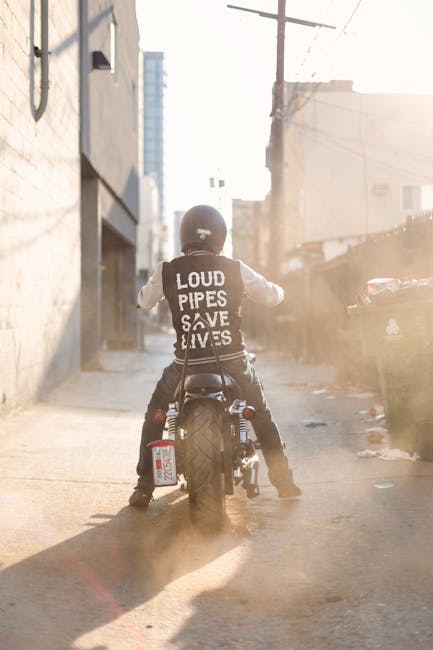
Have you ever wondered if you really need to wear a helmet every time you ride your bike? Maybe you think it’s uncomfortable, or you believe you’re a careful rider who won’t crash.
But what if that small piece of gear could save your life or prevent serious injury? This article will help you understand why wearing a helmet isn’t just a rule—it’s your best protection on the road. Keep reading to discover the facts that might change the way you ride forever.
Helmet Laws Around The World
Riding a bike can be fun and fast. But safety is very important. Wearing a helmet protects your head if you fall or crash.
Different countries have different laws about wearing helmets. Some make it a must, and some do not. Let’s look at these rules around the world.
Countries With Mandatory Helmet Rules
Many countries require all bike riders to wear helmets by law. These laws help reduce serious injuries and deaths.
- Australia: Helmet use is compulsory for all cyclists.
- United Kingdom: Helmets are recommended but not required by law.
- Japan: Helmet use is mandatory for children under 13 years.
- South Africa: All riders must wear helmets.
- Brazil: Helmet laws vary by state but are mostly mandatory.
Regions With No Helmet Requirement
Some places do not require helmets for bike riders. Riders can choose to wear one or not. This can increase risks in accidents.
These regions often focus on other safety measures like bike lanes and speed limits.
| Region | Helmet Law Status | Notes |
|---|---|---|
| Netherlands | No mandatory helmet law | Focus on safe bike paths |
| Denmark | No helmet requirement | High bike safety awareness |
| Sweden | No general helmet law | Helmet use common but voluntary |
| Germany | No helmet law for adults | Helmet required for some sports cycling |
Penalties For Not Wearing Helmets
In countries where helmets are required, not wearing one can cause fines or other penalties. These punishments aim to encourage safety.
- Australia: Fines up to $300 for not wearing a helmet.
- South Africa: Fines and possible court appearance.
- Brazil: Monetary fines and vehicle impoundment in some states.
- Japan: Parents can be fined if children do not wear helmets.
Credit: www.consumerreports.org
Safety Benefits Of Wearing Helmets
Wearing a helmet while riding a bike helps protect your head. It lowers the chance of serious injury.
Helmets make biking safer and can save lives. They are an important part of riding gear.
Protection Against Head Injuries
Helmets absorb shock during accidents. They reduce the force that hits your skull.
This protection lowers the risk of bruises, cuts, and brain injuries. It helps keep your head safe.
Reducing Fatal Accident Risks
Wearing a helmet greatly cuts the chance of dying in a crash. It is a simple way to stay alive.
Studies show that helmets reduce fatal accidents by up to 40%. This makes them a vital safety tool.
Impact On Long-term Health
Head injuries can cause long-term health problems. Helmets protect your brain from lasting damage.
Wearing a helmet helps keep your memory and thinking skills sharp over time.
Types Of Motorcycle Helmets
Wearing a helmet is important for safety on a motorcycle. Helmets come in different styles to fit riders’ needs. Each type offers unique protection and comfort.
Choosing the right helmet helps protect your head in a crash. Here are the common types of motorcycle helmets you should know about.
Full-face Helmets
Full-face helmets cover the entire head and face. They have a chin bar and a shield to protect your eyes and face from wind, dust, and debris.
This type offers the best protection but can be heavier than others. Many riders choose full-face helmets for highway riding and high speeds.
Open-face Helmets
Open-face helmets cover the top, back, and sides of your head but leave your face exposed. They do not have a chin bar.
- Provide good ventilation
- Allow better hearing and sight
- Offer less face protection
- Are lighter and less bulky
Modular Helmets
Modular helmets combine features of full-face and open-face helmets. The chin bar can flip up, turning it into an open-face helmet when needed.
| Feature | Description |
| Chin Bar | Can flip up for open-face use |
| Weight | Heavier than open-face, lighter than full-face |
| Protection | Good face and head coverage |
| Comfort | Versatile for different riding situations |
Half Helmets
Half helmets cover only the top of the head. They do not protect the face or lower back of the head.
These helmets are light and offer good airflow. They are popular for short rides or low-speed cruising.
- Very lightweight
- Minimal protection
- Good for hot weather
- Less coverage than other types
Choosing The Right Helmet
Wearing a helmet on a bike is important for safety. Picking the right helmet helps protect your head during accidents.
Not all helmets are the same. You need to consider fit, safety, and materials before buying one.
Fit And Comfort
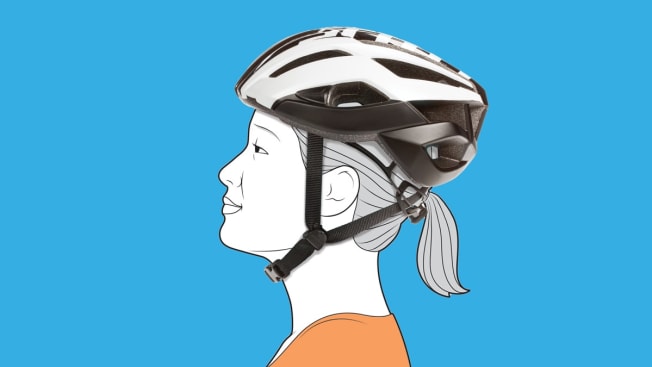
A helmet must fit your head well to protect you properly. It should feel snug but not too tight or loose.
Check for padding inside the helmet. Good padding adds comfort and helps absorb shocks during a fall.
- Measure your head size before buying
- Try the helmet on for a secure fit
- Adjust straps to keep the helmet stable
- Choose helmets with breathable padding for comfort
Safety Certifications To Look For
Helmets must meet safety standards to ensure they protect you well. Look for certification labels on the helmet.
Common safety marks include DOT, ECE, and Snell. These show the helmet passed tests for impact and durability.
- DOT: Required in the United States
- ECE: Common in Europe and many other countries
- Snell: Voluntary but strict safety testing
Materials And Durability
Helmet materials affect how well it absorbs impact and how long it lasts. Look for strong outer shells and good inner liners.
Most helmets use hard plastic or fiberglass shells. Inside, foam liners help absorb shock during crashes.
- Outer shell: ABS plastic, polycarbonate, or fiberglass
- Inner liner: Expanded polystyrene (EPS) foam
- Straps: Nylon or other strong fabrics
- Check for cracks or damage before use
Common Myths About Helmet Use
Many people have wrong ideas about wearing helmets on bikes. These myths stop some riders from using helmets. It is important to know the truth.
This article clears up common myths about helmets. It helps riders understand why helmets are important and safe.
Helmets Reduce Visibility
Some riders think helmets make it hard to see around. They worry helmets block their view or create blind spots. This is not true.
Modern helmets are designed to give a wide field of view. They do not limit your ability to see traffic or obstacles. You can turn your head freely while wearing one.
- Helmets have open face designs for clear sight.
- Visors reduce glare without blocking view.
- Proper helmet fit keeps vision clear.
- Helmets do not block side or rear vision.
Helmets Are Uncomfortable
Many riders say helmets feel heavy or hot. They believe helmets cause discomfort. This idea stops some from wearing helmets.
| Myth | Fact |
| Helmets are heavy | Modern helmets are light and well balanced |
| Helmets cause sweating | Good ventilation keeps your head cool |
| Helmets feel tight | Helmets come in many sizes for a good fit |
Choosing the right helmet size and style can solve most comfort problems. Many helmets have adjustable straps and padding.
Helmets Are Only For Beginners
Some riders think only new riders need helmets. They believe skilled riders do not need protection. This is a false idea.
All riders face risks on the road. Accidents can happen to anyone. Wearing a helmet reduces injury risk for every rider.
- Experienced riders also benefit from helmets.
- Helmets protect against head injuries.
- Helmets are required by law in many places.
- Safety should be a priority for all riders.
Helmet Maintenance Tips
Keeping your helmet in good condition is crucial for safety. Regular maintenance ensures your helmet protects you effectively.
Learn how to clean, replace, and store your helmet properly with these simple tips.
Cleaning And Care
Cleaning your helmet helps remove dirt and sweat. This keeps it smelling fresh and looking new.
- Use mild soap and warm water for cleaning.
- Avoid harsh chemicals that can damage the material.
- Let it air dry away from direct sunlight.
When To Replace A Helmet
Helmets do not last forever. Knowing when to replace them is important for your safety.
Check for visible damage or cracks.
Replace every 3-5 years, even without visible damage.
Storing Your Helmet Properly
Proper storage extends the life of your helmet. It also ensures it is ready to use when needed.
| Storage Tips | Details |
| Cool and dry place | Avoid moisture to prevent mold. |
| Away from sunlight | Sunlight can weaken materials. |
| On a flat surface | Prevents warping of the helmet shape. |
Impact Of Helmet Use On Insurance
Wearing a helmet while riding a bike can affect your insurance. Insurers look at safety gear to assess risk.
Helmet use may lower your insurance costs and affect claims after accidents.
Insurance Discounts For Helmet Wearers
Some insurance companies offer discounts to riders who wear helmets. They see helmet use as a sign of safety.
Discounts can help reduce your premium and save money over time.
- Discounts vary by insurer and location
- Proof of helmet use may be required
- Discounts reward safer riding habits
Claims And Helmet Use
Helmet use can influence how claims are handled after a bike accident. Wearing one shows you took safety precautions.
Some insurers may reduce payouts if you were not wearing a helmet during an accident.
- Helmet use can support your claim
- No helmet might lead to lower compensation
- Always document your safety gear in claims
Legal Implications In Accidents
Helmet laws differ by region. Not wearing a helmet may lead to fines or legal trouble.
Legal rules can also affect insurance claims and liability in accidents.
- Helmets may be required by law in some places
- Failure to wear a helmet can affect fault in accidents
- Legal penalties may impact insurance coverage

Credit: bayareabicyclelaw.com

Credit: www.reddit.com
Frequently Asked Questions
Do You Have To Wear A Helmet While Riding A Bike?
Yes, wearing a helmet is mandatory in most regions. It protects your head during accidents and reduces injury risk significantly. Always check local laws to ensure compliance and safety.
What Are The Legal Consequences Of Not Wearing A Helmet?
Not wearing a helmet can lead to fines, penalties, or license suspension. Laws vary by location, but many authorities enforce strict helmet rules for rider safety.
How Does A Helmet Improve Bike Rider Safety?
Helmets absorb impact and protect the skull and brain during crashes. They reduce the severity of head injuries and increase survival chances in accidents.
Are All Helmets Equally Safe For Bike Riders?
No, helmets vary in safety standards and quality. Choose helmets certified by recognized safety organizations to ensure maximum protection.
Conclusion
Wearing a helmet on a bike keeps your head safe in accidents. It can prevent serious injuries and save lives. Many places have laws that require helmets. Riding without one can lead to fines or worse. Helmets are simple, affordable, and easy to use.
They protect you and give peace of mind. Safety should always come first while biking. Choose to wear a helmet every time you ride. It’s a small step that makes a big difference. Stay safe and enjoy your ride!