Are you planning to install a dishwasher in your kitchen but feeling puzzled about whether you need a garbage disposal too? You’re not alone.
Many homeowners find themselves scratching their heads over this very question. It’s easy to get overwhelmed by the myriad of information and opinions out there. But don’t worry—you’re in the right place. We’ll break down the connection between dishwashers and garbage disposals in simple terms.
We’ll explore if you truly need one for the other and help you make a smart, informed decision. Stay with us, and let’s clear up the confusion together.

Credit: butlerplumbing.ca
Dishwasher Drainage Basics
Understanding dishwasher drainage is key to knowing if you need a garbage disposal. Drainage systems help remove dirty water safely and keep your kitchen clean. A dishwasher does not always require a garbage disposal to work well. The drainage basics explain how water leaves your dishwasher and the common ways it connects to home plumbing.
How Dishwashers Drain Water
Dishwashers use a pump to push out dirty water after washing dishes. This water flows through a drain hose connected to your home’s plumbing system. The pump creates pressure to move water up and out efficiently. A high loop or air gap often prevents dirty water from flowing back into the dishwasher. Proper drainage stops clogs and odors, keeping your dishwasher running smoothly.
Common Drainage Setups
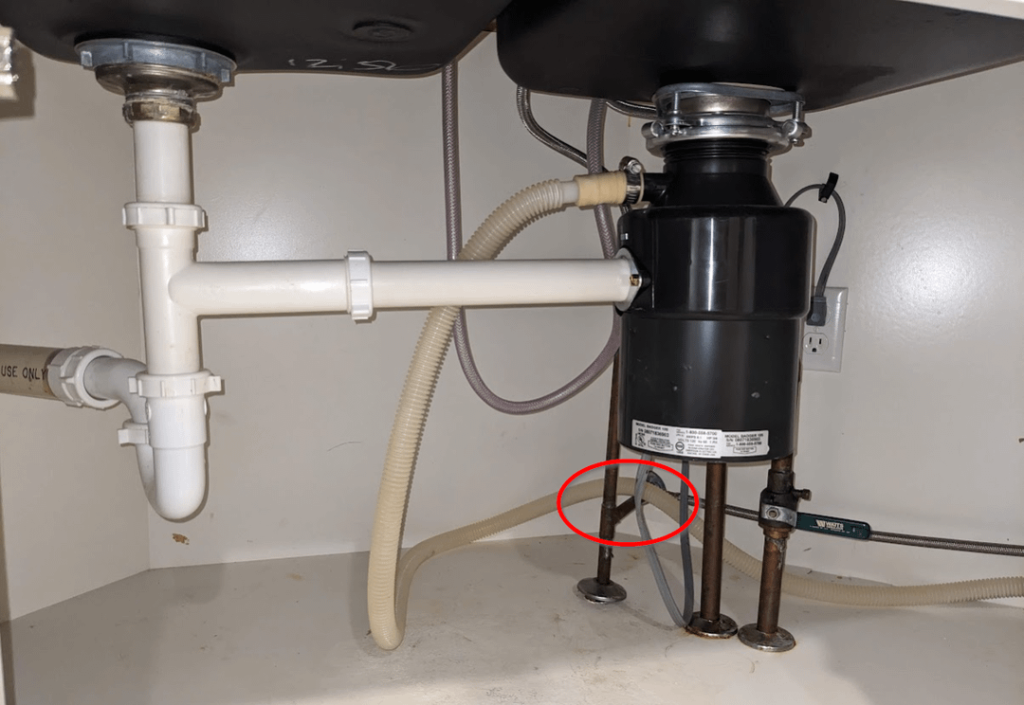
- Drain Hose to Garbage Disposal: Most common setup. The hose connects directly to the disposal inlet.
- Drain Hose to Sink Drain: Used when no disposal is installed. The hose fits into a branch tailpiece under the sink.
- Drain Hose with Air Gap: A small device mounted near the sink. It stops dirty water from flowing back.
- Drain Hose with High Loop: The hose is looped high under the sink to prevent backflow. A simple alternative to an air gap.
Each setup safely removes water without requiring a garbage disposal. Choose the setup that matches your kitchen plumbing and local codes.

Credit: www.reddit.com
Role Of Garbage Disposals
Understanding the role of garbage disposals can help you decide if you need one alongside your dishwasher. Many homeowners assume that a garbage disposal is essential for their dishwasher to function properly. But is that really the case? Let’s break down what garbage disposals do and how they connect with dishwashers.
What Garbage Disposals Do
A garbage disposal grinds up food scraps into tiny pieces so they can pass easily through your plumbing. This prevents clogs and reduces the chance of foul odors in your kitchen drain. It’s especially handy if you often rinse dishes with leftover food bits before loading them into your dishwasher.
Think about the last time you scraped plates directly into the sink. Without a disposal, those scraps might cause blockages or require frequent drain cleaning. A disposal handles this task quickly, saving you time and hassle.
Connection Between Garbage Disposals And Dishwashers
Dishwashers drain water through the same plumbing as the sink, and many models have a drain hose that connects to the garbage disposal. This setup helps flush food particles from the dishwasher into the disposal, where they get ground up before entering the pipes.
However, your dishwasher can work without a garbage disposal if your plumbing is set up correctly. Instead of connecting to a disposal, the dishwasher’s drain hose can attach directly to a dishwasher air gap or a dedicated sink drain. This means a disposal isn’t mandatory, but it often makes maintenance easier.
Have you noticed how much easier it is to keep your sink drain clear with a disposal installed? That convenience can extend to your dishwasher’s performance too, reducing the risk of backups and unpleasant smells.
Dishwasher Without Garbage Disposal
Wondering if you can run a dishwasher without a garbage disposal? The short answer is yes, you can. Many homes operate dishwashers successfully without having a garbage disposal installed under the sink.
However, this setup requires some adjustments to the drainage system to ensure everything works smoothly. Let’s look at how you can manage dishwasher drainage without a garbage disposal and what challenges you might face.
Alternatives For Drainage
Without a garbage disposal, your dishwasher needs a different way to drain wastewater effectively. Here are some options you can consider:
- Air Gap Installation:An air gap prevents dirty water from flowing back into the dishwasher. It’s a small device installed on your sink and provides a clean break between the dishwasher and the drain.
- High Loop Method:This involves routing the dishwasher drain hose up and attaching it under the countertop before connecting to the drain pipe. It helps stop backflow and is often required by plumbing codes.
- Direct Drain to Sink Drain:You can connect the dishwasher drain hose directly to the sink drain pipe if local codes allow it, but be sure to include a high loop or air gap to prevent contamination.
Choosing the right alternative depends on your kitchen setup and local plumbing rules. Have you checked what works best in your area?
Potential Issues And Solutions
Running a dishwasher without a garbage disposal can sometimes cause drainage problems. Food particles might clog the drain hose or pipes if not handled properly.
Here are some common issues and how to fix them:
| Issue | Cause | Solution |
|---|---|---|
| Slow Drainage | Clogged drain hose or pipes due to food debris | Regularly clean the dishwasher filter and run hot water down the drain |
| Water Backflow | Improper drain hose installation without high loop or air gap | Install a high loop or air gap to prevent backflow |
| Bad Odors | Trapped food particles in the drain hose | Flush the hose with a vinegar and baking soda solution |
When I switched to a dishwasher without a disposal, I noticed slow drainage at first. Installing a high loop fixed it quickly and saved me from calling a plumber. What small changes could improve your dishwasher’s performance?
Benefits Of Having A Garbage Disposal
Having a garbage disposal in your kitchen offers many useful benefits. It helps manage food waste efficiently and keeps your sink area cleaner. The device grinds leftover food into small pieces, making it easier to wash down the drain. This simple addition can improve your kitchen’s overall functionality and reduce common plumbing problems.
Improved Drainage Efficiency
A garbage disposal breaks down food waste into tiny particles. These particles flow smoothly through your pipes. This process helps water drain faster from your sink. It prevents large chunks from blocking the drain. With better drainage, your dishwasher can work more effectively. Water flows without interruption, improving cleaning performance.
Reduced Clogging Risks
Food scraps often cause sink clogs. A garbage disposal grinds these scraps into small pieces. This prevents large waste buildup in your pipes. Less buildup means fewer blockages and plumbing issues. You spend less money and time on drain repairs. Your kitchen stays cleaner and more hygienic without clogged drains.
Installation Considerations
Considering installation is key before adding a dishwasher or garbage disposal. These appliances need proper setup to work well and last long. Understanding what the installation involves helps avoid surprises and extra costs.
Plumbing Requirements
Both dishwashers and garbage disposals connect to your kitchen’s plumbing. The dishwasher needs a drain line that links to either the garbage disposal or the sink drain. This connection allows dirty water to flow out properly.
Your plumbing must have an air gap or high loop to stop dirty water from flowing back. The garbage disposal must be installed under the sink and connected to the drain pipe. It also needs a power source nearby for operation.
Cost And Convenience Factors
Installing a garbage disposal adds to the overall cost of setting up a dishwasher. The disposal unit itself costs money, plus installation fees. Plumbing work might be more complex, especially if pipes need changes.
Garbage disposals make cleaning easier by grinding food waste. This reduces the chance of clogged drains from food scraps. Without a disposal, you must scrape dishes more carefully before washing.
Maintenance Tips
Proper maintenance helps your dishwasher and garbage disposal last longer. It prevents bad smells and clogs. Small efforts keep your kitchen clean and running smoothly. Follow simple steps regularly to avoid costly repairs.
Keeping Drains Clear
Clean drains stop water from backing up into your dishwasher. Avoid pouring grease or food scraps down the drain. Use a drain strainer to catch debris. Run hot water through the drain after each use. Occasionally flush the drain with a mixture of baking soda and vinegar. This helps break down buildup and keeps pipes clear.
When To Call A Professional
Strange noises or slow draining signal trouble. Foul odors that won’t go away need expert attention. If water leaks under the sink, do not ignore it. Call a plumber to check connections and parts. Regular inspections help catch problems early. Professionals can clean and fix hard-to-reach places safely.

Credit: www.finishdishwashing.ca
Frequently Asked Questions
Do You Need A Garbage Disposal For A Dishwasher?
No, a garbage disposal is not required for a dishwasher. However, it helps break down food particles and prevents clogs. Dishwashers can drain directly into a sink drain without a disposal unit.
Can A Dishwasher Work Without A Garbage Disposal?
Yes, dishwashers can work without a garbage disposal. You just need a proper drain connection. Some plumbing setups allow the dishwasher to drain directly into the sink drain pipe.
Does A Garbage Disposal Improve Dishwasher Performance?
A garbage disposal can improve dishwasher performance by grinding food debris. This reduces clogging and helps maintain cleaner drain lines. It prevents large food particles from blocking the dishwasher drain.
What Happens If Dishwasher Drains Without A Disposal?
If a dishwasher drains without a disposal, food particles may cause clogs. Regular cleaning and using a drain strainer can prevent blockages. Proper plumbing ensures efficient drainage even without a disposal.
Conclusion
A garbage disposal is not always needed for a dishwasher. Many dishwashers work well without one. It depends on your plumbing and kitchen setup. A disposal can help break down food waste faster. Still, you can install a dishwasher without it.
Check your local codes and consult a plumber. This choice saves money and fits your needs. Choose what works best for your home and lifestyle. Clean dishes come with or without a disposal. Simple and easy!