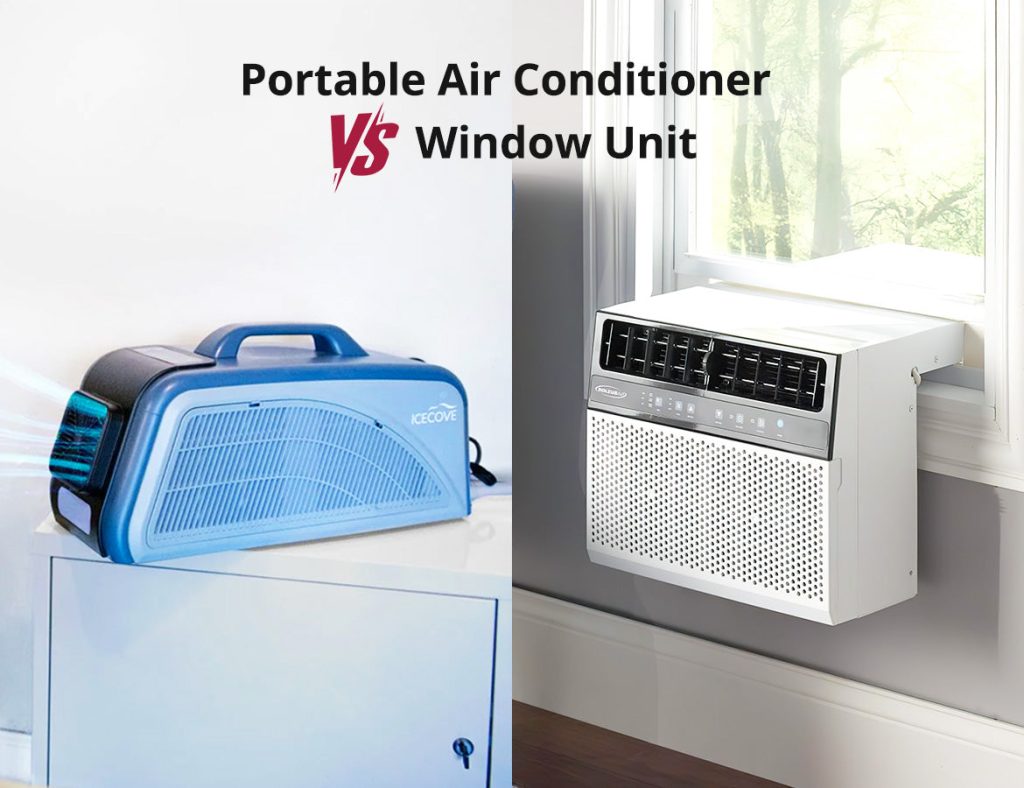
Are you thinking about getting a portable air conditioner but wondering if you need a window for it? This is a question that many people ask before making a purchase.
The answer can save you time, money, and frustration. Understanding whether your portable AC requires a window will help you set it up correctly and keep your space cool without any hassle. Keep reading to find out what you really need to know before buying or installing your portable air conditioner.

Credit: www.cnet.com
How Portable Acs Work
Portable air conditioners cool a room without being fixed in one place. They are easy to move and set up.
These devices use a system that removes heat and moisture from the air to make the space cooler.
Cooling Mechanism
Portable ACs use a refrigerant to absorb heat from the air inside the room. The warm air is pulled into the unit.
The refrigerant changes from liquid to gas as it captures the heat. This cools the air, which is then blown back into the room.
- Warm air enters the unit
- Refrigerant absorbs heat
- Air cools down
- Cool air returns to the room
Heat Exhaust Process
The heat collected by the refrigerant must leave the room. Portable ACs use a hose to vent this heat outside.
The hot air goes through an exhaust hose that connects to a window or vent. This keeps the room cool by removing heat.
- Heat moves to the refrigerant
- Refrigerant releases heat outside
- Exhaust hose carries hot air out
- Room stays cooler and comfortable
Role Of Windows In Venting
Portable air conditioners need to remove hot air from the room. Windows help by giving a place for hot air to exit. Without venting, the unit cannot cool the room well.
Most portable air conditioners use an exhaust hose that must go outside. Windows are the easiest way to send this hot air outdoors. This helps the air conditioner work properly.
Exhaust Hose Function
The exhaust hose carries hot air from the air conditioner to the outside. It stops the hot air from coming back into the room. This keeps the room cool and comfortable.
The hose is usually flexible and can bend to fit different window types. It connects to the air conditioner on one end and to a window vent on the other. Proper hose installation is important for good cooling.
Window Venting Kits
Window venting kits help fit the exhaust hose into your window. They close the window gap and stop hot air or bugs from entering. These kits often have adjustable panels to fit different window sizes.
Most kits work with sliding or sash windows. They are easy to install and remove. Using a venting kit keeps your room sealed while letting hot air escape.
- Adjustable panels fit various window sizes
- Seals window gaps to block air leaks
- Simple to install without special tools
- Keeps insects and dust outside
Alternatives To Window Venting
Portable air conditioners need venting to work well. Usually, they use a window for this. Some homes have no suitable window or limited options.
This guide shows other venting choices. These options fit different room types and building styles.
Through-the-wall Venting
This method uses a hole in the wall to vent hot air outside. It works well for rooms without good windows.
Wall venting keeps the room sealed better than window venting. It stops hot air and noise from coming in.
Sliding Door Adaptations
Sliding doors can be adapted to vent portable air conditioners. Special panels or inserts let the vent hose pass through.
- Use a sliding door vent kit to seal the gap.
- Adjust the panel size to fit your door opening.
- Keep the door closed to avoid hot air entering.
- Check the door frame for proper sealing.
Drop Ceiling Options
Drop ceilings allow venting through ceiling tiles. This works in basements or offices with suspended ceilings.
| Advantage | Consideration |
|---|---|
| Hidden venting path | Requires access above ceiling tiles |
| No window or door needed | May need professional installation |
| Good for permanent setups | Ceiling must be drop type, not fixed |
Consequences Of No Venting
Portable air conditioners need a window to vent hot air outside. Without venting, the unit cannot work properly. This causes problems in cooling your space.
Not using a vent can make your room less comfortable. It also makes the air conditioner work harder and less efficient.
Reduced Cooling Efficiency
Without venting, the portable air conditioner recycles hot air inside the room. This stops it from cooling the air well. The unit uses more energy but cools less.
The lack of venting causes the air conditioner to run longer. This wears out the machine faster and raises electricity bills.
Increased Room Temperature
Hot air from the air conditioner stays inside the room if no vent is used. This makes the room warmer instead of cooler. The unit cannot remove the heat properly.
- Heat builds up inside the room
- Air conditioner struggles to lower temperature
- Comfort level drops due to rising heat
Choosing The Right Portable Ac
Portable air conditioners cool rooms without a permanent setup. Many people wonder if these units need a window to work.
Choosing the right model depends on your space and how you want to use it. This guide helps you understand your options.
Windowless Models
Some portable ACs do not need a window for venting. These models use special technology to cool air without an exhaust hose.
They work well in places where window access is limited. But they may be less powerful and use more energy than vented units.
Dual Hose Vs Single Hose Units
Single hose units use one hose to pull air from outside and exhaust hot air out. This can lower room pressure and reduce efficiency.
Dual hose units have two hoses. One pulls air in to cool the system, and the other pushes hot air outside. They keep room pressure balanced.
- Single hose units are usually less expensive
- Dual hose units cool rooms faster
- Dual hose units keep indoor air cleaner
- Single hose units may draw warm air into the room
Installation Tips
Installing a portable air conditioner correctly helps it work better and last longer.
Two key points to focus on are sealing gaps and placing the hose properly.
Sealing Gaps
Make sure there are no open spaces around the window where the hose connects. Gaps let hot air enter the room and reduce cooling.
- Use foam sealant strips to fill gaps.
- Install weather stripping around the window frame.
- Check for cracks and seal them with caulk.
- Close curtains or blinds to add extra insulation.
Proper Hose Placement
Set the exhaust hose in a straight line without sharp bends. This helps hot air flow out smoothly.
| Tip | Reason |
| Keep hose short and straight | Improves air flow and efficiency |
| Avoid kinks or bends | Prevents hose damage and blockages |
| Position hose outlet outside | Keeps hot air from re-entering the room |
| Use window kit included with unit | Ensures proper hose fit and seal |
Maintenance For Optimal Performance
Maintaining your portable air conditioner helps it work well for longer. Regular care keeps the unit efficient and avoids problems.
Two key parts need attention: the filters and the hose connections. Clean filters and secure hoses improve cooling and air flow.
Cleaning Filters
Filters trap dust and dirt from the air. Dirty filters reduce cooling power and can cause damage. Clean them often for best results.
- Turn off and unplug the unit before cleaning.
- Remove the filter carefully from the air conditioner.
- Wash the filter with warm water and mild soap.
- Let the filter dry completely before putting it back.
- Check the filter for tears or damage and replace if needed.
Checking Hose Connections
The hose carries hot air out of the room. Loose or damaged hoses reduce cooling and can cause leaks. Check the hose often to keep it secure.
| Check Item | What to Look For | Action Needed |
| Hose Fit | Hose tightly attached to vents | Push hose firmly into place |
| Hose Condition | No cracks or holes | Replace if damaged |
| Hose Length | Not overstretched or bent sharply | Adjust length to avoid kinks |
| Vent Connection | Vent securely sealed | Use tape or seal if loose |

Credit: sunjoyshop.com

Credit: www.cnet.com
Frequently Asked Questions
Do Portable Air Conditioners Always Need Window Access?
Most portable air conditioners require window access to vent hot air outside. This prevents heat from recycling inside the room and maintains effective cooling.
Can Portable Acs Work Without A Window Vent?
Portable ACs typically need a vent to expel hot air. Without a window vent, cooling efficiency drops significantly, risking overheating and poor performance.
What Alternatives Exist If No Window Is Available?
If no window is available, consider venting through a sliding door or wall vent. Some units offer dual hose options for better airflow.
How To Install A Portable Ac Without A Traditional Window?
You can use a sliding window kit or vent through a door. Proper sealing around the vent ensures no hot air re-enters the room.
Conclusion
Portable air conditioners offer flexibility. But, understanding your needs is key. Some models require a window for venting. Others use hoses or buckets for water removal. Consider your space and cooling needs. Check if your room has a suitable window.
Evaluate the model’s venting options. This ensures optimal performance. Proper installation improves efficiency. Always follow the manufacturer’s guidelines. This keeps your unit running smoothly. With the right setup, stay cool and comfortable. Choose wisely for the best experience.