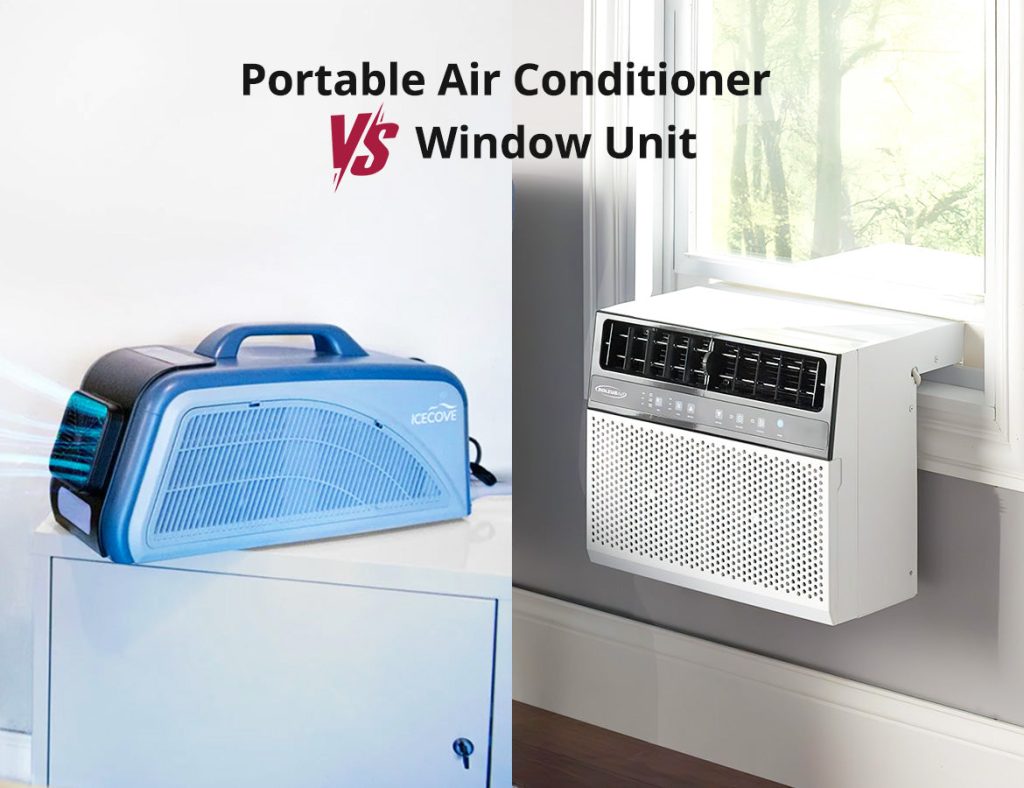
Are you thinking about getting a portable air conditioner but wonder if you need a window to make it work? This question is more important than you might realize.
The answer can affect where you place your unit, how well it cools your space, and even your energy bill. If you want to enjoy cool air without any hassle or hidden issues, keep reading. You’ll discover exactly what you need to know about windows and portable air conditioners—so you can make the best choice for your home.

Credit: www.cnet.com
How Portable Air Conditioners Work
A portable air conditioner works by taking warm air from the room. It cools this air inside the unit and pushes the cool air back out. The heat it removes must go somewhere. This heat leaves through a vent hose. The hose needs to be placed near a window or another opening.
Ventilation is very important. It helps remove hot air from the room. Without proper ventilation, the unit cannot cool well. The vent hose carries hot air outside. This keeps the room temperature lower and comfortable.
- The unit draws warm air from the room.
- It cools the air using a refrigerant system.
- Warm air is pushed outside through the vent hose.
- Proper ventilation prevents heat build-up.
Importance Of Window Venting
A window ventis crucial for portable air conditioners. It lets out the hot air from inside the room. The exhaust hoseconnects the unit to the window. This hose carries the warm air outside.
The heat removal processworks by pulling hot air from the room into the unit. The air cools down inside the machine. Then, the hot air moves through the hose to the window.
- Without a vent, heat stays inside the room.
- This makes the room hotter, not cooler.
- The vent hose must be properly sealed in the window.
- Window kits often come with the unit for easy setup.
Options Without A Window
Sliding doorscan serve as a venting option for portable air conditioners. A vent kit fits into the door’s gap, letting hot air escape outside. This method keeps the room cool without needing a window. It works well in apartments or rooms without windows.
Through-the-wall ventinginvolves cutting a hole in the wall to place the vent. This option is more permanent but effective. It allows the hot air to exit directly outside. Proper sealing around the vent prevents air leaks and keeps energy costs low.
Ventless portable AC unitsdo not need venting at all. They use water evaporation to cool the air. These units are easy to move and good for small spaces. They work best in dry climates but may not cool as much as vented units.
Choosing The Right Setup
Choosing the right setup depends on your room size. Smaller rooms need less cooling power. Larger rooms require a unit with higher BTUrating for effective cooling.
Portable air conditioners often need a window for venting hot air. Some models use a venting hosethat fits in a window or a sliding door. Without proper venting, the unit won’t cool well.
- Measure the room before buying a unit.
- Check if your window fits the venting kit.
- Use a window seal kit to keep hot air out.
- Place the unit near a window for easy venting.
Safety is key. Avoid blocking the air intake or exhaust. Keep the unit away from water sources. Use a grounded outlet to reduce electric shockrisk. Unplug before cleaning or moving the unit.
Common Mistakes To Avoid
Improper venting can cause your portable air conditioner to work poorly. The unit needs a clear path to release hot air outside. Blocking the vent or using the wrong window kit reduces cooling power.
Ignoring maintenance leads to clogged filters and dirty coils. This makes the air conditioner less efficient and shortens its life. Clean the filters often and check the unit regularly for dust.
Overlooking energy efficiency raises electricity bills. Choose a model with a good energy rating. Use the air conditioner only in rooms that need cooling. Close doors and windows to keep cool air inside.

Credit: sunjoyshop.com

Credit: www.cnet.com
Frequently Asked Questions
Do Portable Air Conditioners Always Need A Window?
Most portable air conditioners require a window for venting hot air. Without a window, exhaust hoses can’t release heat properly, reducing cooling efficiency. Some models offer alternative venting options, but windows remain the most common and effective solution for venting portable AC units.
Can Portable Ac Units Work Without Window Installation?
Portable AC units generally need venting to function well. Without a window or vent, hot air circulates inside, making cooling ineffective. Some units have special vent kits for sliding doors or walls, but a proper vent is essential for optimal performance.
What Are Alternatives To Window Venting For Portable Acs?
Besides windows, portable ACs can vent through sliding doors, ceiling panels, or wall openings. Specialized vent kits allow flexible installation. However, proper sealing around the vent is crucial to prevent warm air from entering and to maintain cooling efficiency.
How Does Window Venting Affect Portable Ac Performance?
Window venting is critical for expelling hot air outside. Proper venting ensures the portable AC cools the room efficiently. Poor or no venting causes heat buildup, reducing the AC’s cooling capacity and increasing energy consumption.
Conclusion
Portable air conditioners usually need a window for venting hot air. This vent helps the unit cool your room properly. Some models offer alternative venting options, like sliding doors or ceiling vents. Choosing the right setup depends on your space and needs.
Remember, proper venting keeps your air conditioner working well. Without it, cooling may be less effective. Check your unit’s instructions before buying or installing. A good vent makes a big difference in staying cool and comfortable.