Imagine cooking your favorite meal. The aroma fills the kitchen as you prepare each ingredient.
But as the meal comes together, so do steam, smoke, and lingering odors. You might wonder if there’s a solution to keep your kitchen fresh and inviting. That’s where a range hood comes into play. You’ve probably seen them in kitchens before, but do you really need one?
This is a question many homeowners grapple with when designing or upgrading their kitchen space. A range hood isn’t just an appliance; it’s an investment in your home’s air quality and comfort. We’ll explore the benefits of having a range hood, helping you decide if it’s a must-have for your kitchen. Whether you’re an avid chef or someone who enjoys the occasional home-cooked meal, understanding the role of a range hood might just change the way you think about your cooking space. Stick around to discover how this seemingly simple device can enhance your kitchen experience.
Credit: www.kitchenaid.com
Benefits Of A Range Hood
Installing a range hood offers more than just a stylish addition to your kitchen. It directly impacts your cooking environment, making it safer and more comfortable. Let’s break down the key benefits you’ll notice once you have one in place.
Improved Air Quality
Range hoods pull out smoke, steam, and airborne grease particles while you cook. This helps keep the air in your kitchen cleaner and healthier to breathe. If you’ve ever felt suffocated by lingering smoke after frying or grilling, a range hood can change that experience entirely.
Odor Removal
Strong food smells can hang around for hours, sometimes days. A good range hood quickly removes these odors, stopping them from settling into your walls and fabrics. Do you want your home to always smell fresh, even after making fish or spicy dishes?
Heat Reduction
Cooking generates a lot of heat, especially when using the stove for extended periods. A range hood helps pull out excess heat, keeping your kitchen cooler and more comfortable. This makes a big difference, especially in warmer months or smaller kitchens.
Enhanced Kitchen Cleanliness
Grease and moisture can build up on your cabinets, counters, and appliances, leading to stubborn stains. Range hoods trap much of this, reducing the need for constant scrubbing. Imagine spending less time cleaning and more time enjoying your meals.
Credit: www.kitchenaid.com
Types Of Range Hoods
Range hoods come in various styles to fit different kitchen layouts and needs. Choosing the right type helps keep your kitchen clean and fresh. Each hood type offers unique features and installation options. Understanding these types makes your decision easier.
Under-cabinet Hoods
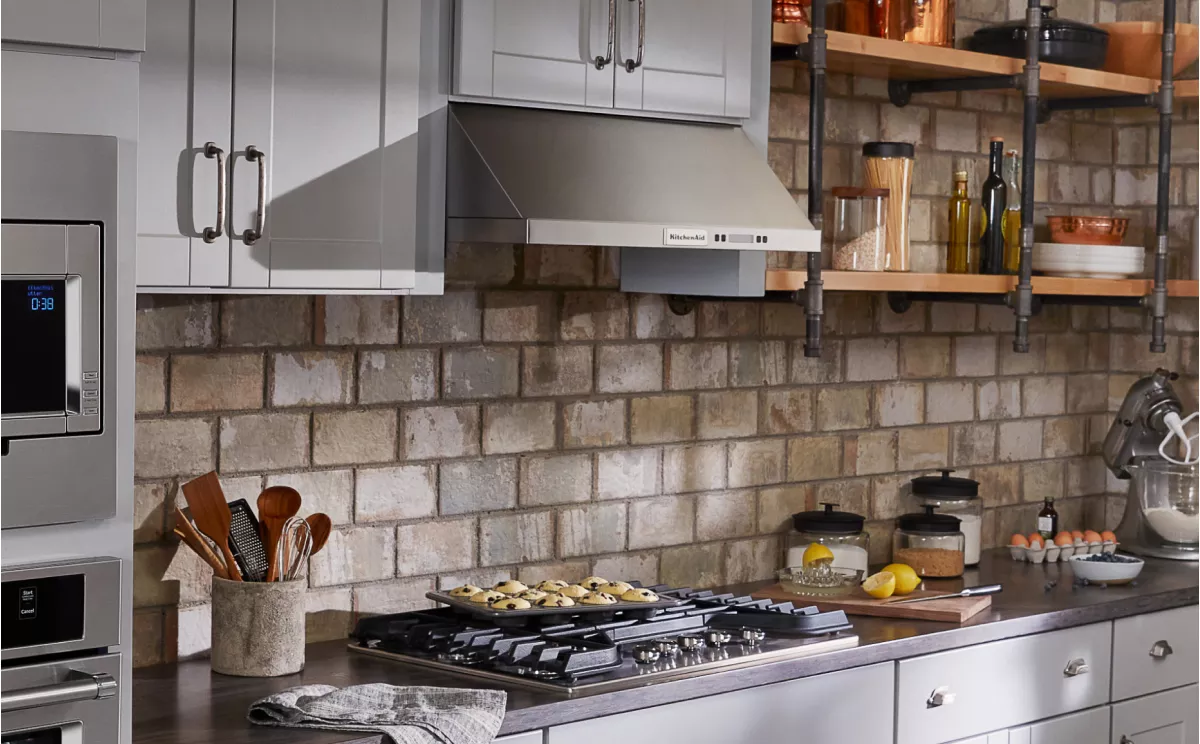
Under-cabinet hoods install beneath kitchen cabinets. They save space and fit well in small kitchens. These hoods vent smoke and odors up through the cabinet or outside. They often include built-in lights to brighten the cooking area.
Wall-mounted Hoods
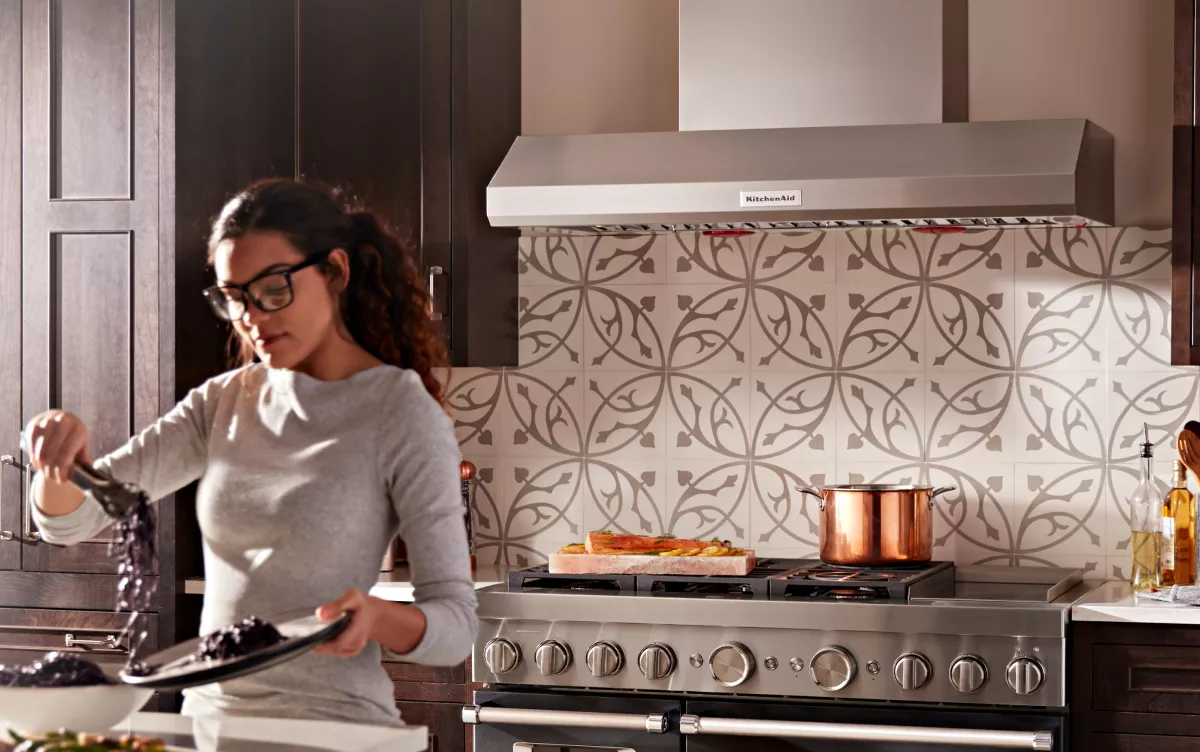
Wall-mounted hoods attach directly to the wall above the stove. They usually have a chimney to vent air outside. These hoods offer strong ventilation and a stylish look. They work best in kitchens with available wall space behind the stove.
Island Hoods
Island hoods hang from the ceiling over a cooking island. They provide ventilation in open kitchens without walls. These hoods are often larger and more powerful. They also act as a focal point in modern kitchen designs.
Downdraft Hoods
Downdraft hoods rise from the countertop beside the stove. They pull smoke and steam down through vents in the floor. These hoods are good for kitchens without overhead space. They can be hidden when not in use for a clean look.
Choosing The Right Size
Choosing the right size for your range hood is crucial to ensure it works effectively and fits your kitchen space. A hood that’s too small won’t capture all the smoke and odors, while one that’s too large may overpower your kitchen both visually and functionally. Let’s break down how to find the perfect size by focusing on your cooktop, airflow needs, and noise levels.
Measuring Your Cooktop
Start by measuring the width of your cooktop. Your range hood should be at least as wide as the cooktop, but ideally, it should extend 3 inches beyond each side. If you have a 30-inch cooktop, look for a hood that’s about 36 inches wide.
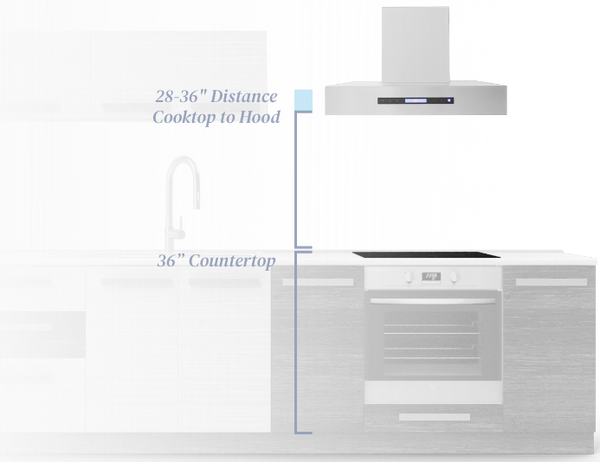
Height also matters. The hood should be installed 24 to 30 inches above the cooking surface for optimal smoke capture. Too high, and it won’t trap steam effectively; too low, and it might interfere with your cooking space.
Cfm And Airflow Needs
CFM stands for cubic feet per minute and indicates how much air your hood can move. A higher CFM means better ventilation but may come with more noise. To estimate your CFM, multiply the width of your cooktop by the depth and then by a factor based on your cooking style:
- Light cooking: 100 CFM per linear foot
- Average cooking: 150 CFM per linear foot
- Heavy cooking (grilling, frying): 200 CFM or more per linear foot
For example, a 30-inch (2.5 feet) cooktop with average cooking needs should have a hood with about 375 CFM. Does your cooking style demand more powerful airflow? If yes, prioritize higher CFM to avoid lingering odors.
Noise Level Considerations
Noise can make or break your cooking experience. Some range hoods operate at over 70 decibels, which sounds like a vacuum cleaner. Others are quieter, around 40 to 50 decibels, similar to a quiet conversation.
Consider how much noise you can tolerate while cooking. If you spend a lot of time in the kitchen or have an open-concept layout, a quieter model might be worth investing in. Check for models with multiple fan speeds so you can adjust noise and airflow as needed.
Installation Options
Choosing the right installation method for your range hood affects its performance and ease of use. Understanding the different options helps you pick what fits your kitchen best. Installation varies mainly by how the hood vents and who does the setup.
Ducted Vs. Ductless Systems
Ducted range hoods remove air from the kitchen and push it outside. They use a vent or duct system. This option clears smoke, odors, and moisture effectively. It keeps your kitchen air fresh and clean.
Ductless hoods filter air and recirculate it back into the room. They use charcoal filters to reduce smells. This type suits kitchens without external walls for venting. Filters need regular replacement to stay effective.
- Ducted: Best for powerful ventilation and moisture removal
- Ductless: Easier to install and good for smaller kitchens
Professional Vs. Diy Installation
Professional installation ensures your range hood works safely and correctly. Experts handle electrical work and duct fitting with care. They avoid mistakes that could cause leaks or damage. This option saves time and reduces stress.
DIY installation can save money but requires skill. You must follow instructions closely and use proper tools. Mistakes may lead to poor ventilation or safety hazards. Choose DIY only if you feel confident and have some experience.
- Professional: Reliable, safe, and hassle-free
- DIY: Cost-effective but requires caution and skill
Maintenance Tips
Maintaining your range hood is key to keeping your kitchen fresh and your appliance working efficiently. Regular upkeep not only extends the life of your hood but also ensures it continues to remove smoke, odors, and grease effectively. Let’s break down some simple yet essential maintenance tasks you can do yourself.
Cleaning Filters
Filters trap grease and particles, so they get dirty quickly. Check your filters every month and clean them if you notice buildup. Most filters can be soaked in hot, soapy water or run through the dishwasher for a thorough clean.
Remember, a clogged filter reduces airflow and makes your range hood work harder. How often do you clean your filters? Setting a schedule can help avoid grease fires and keep your kitchen air clear.
Checking Ventilation
Your range hood’s vent moves air outside or recirculates it through filters. Inspect the vent path regularly for blockages or damage. Leaves, dust, and even small animals can clog external vents, reducing performance.
Try running your hood and feeling for strong airflow at the vent exit. Weak airflow means it’s time to clear the ducts or call a professional. How often do you check your kitchen’s ventilation system?
Replacing Parts
Parts like fan motors, lights, and switches wear out over time. Listen for unusual noises or flickering lights, which often signal a part needs replacement. Keeping spare bulbs and familiarizing yourself with your model’s parts can save time.
Don’t ignore strange smells or reduced suction power—they could mean a failing motor or a damaged fan blade. Would you tackle a small repair yourself or prefer professional help? Knowing your comfort level with repairs helps you act fast and keep your kitchen safe.
Cost Factors
Cost factors play a big role when deciding on a range hood. Understanding these costs helps plan your budget well. Prices vary widely based on the type and features of the hood. Choosing the right model balances upfront cost and long-term benefits.
Price Range By Type
Range hoods come in different types, each with its own price range.
- Under-cabinet models: $100 – $500
- Wall-mounted hoods: $200 – $1,000
- Island hoods: $500 – $2,000
- Downdraft systems: $400 – $1,200
Higher-end models usually offer better power and design. Basic models cover essential functions at lower prices.
Energy Efficiency Impact
Energy-efficient range hoods use less electricity. They help reduce monthly utility bills. Look for models with ENERGY STAR ratings. Efficient fans and lighting lower energy use. Spending a little more upfront can save energy costs later.
Long-term Savings
Range hoods protect your kitchen walls and ceilings. This reduces cleaning and maintenance costs over time. Good ventilation improves indoor air quality. It helps prevent mold and damage from moisture. Investing in a quality hood can save money on repairs and health issues.
Signs You Need A Range Hood
Recognizing the signs that you need a range hood can improve your kitchen’s air quality and comfort. A range hood helps remove smoke, odors, and grease from cooking areas. Without it, your kitchen can become unpleasant and unhealthy.
Persistent Cooking Odors
Strong smells that stay after cooking signal a need for a range hood. These odors can spread throughout your home. A good range hood captures and removes these smells quickly.
Excessive Smoke Or Grease
Visible smoke or grease buildup on walls and cabinets means poor ventilation. Smoke can irritate your eyes and lungs. Grease makes cleaning harder and can damage surfaces over time.
Poor Kitchen Ventilation
Stale air or feeling hot and stuffy during cooking shows poor airflow. Kitchens without proper ventilation trap heat and humidity. A range hood improves air circulation and keeps the kitchen fresh.

Credit: www.artisanwestappliance.com
Frequently Asked Questions
What Is The Main Purpose Of A Range Hood?
A range hood removes smoke, grease, and odors from your kitchen. It improves air quality and reduces cooking fumes. This helps keep your kitchen cleaner and healthier.
Do All Kitchens Need A Range Hood?
Not all kitchens require a range hood, but it is highly recommended. It is especially important if you cook frequently or use gas appliances. A range hood enhances ventilation and reduces indoor air pollution.
How Does A Range Hood Improve Kitchen Air Quality?
A range hood captures airborne particles and vents them outside or filters them. This prevents smoke, steam, and odors from spreading. It also reduces moisture buildup, lowering mold risk.
Can A Range Hood Reduce Cooking Odors Effectively?
Yes, a good range hood significantly reduces cooking odors. It traps and removes smells before they spread. This keeps your kitchen and home smelling fresh.
Conclusion
A range hood helps keep your kitchen air clean and fresh. It removes smoke, steam, and cooking smells quickly. This device also protects your walls and cabinets from grease build-up. Installing one makes cooking safer and more pleasant. Choose the right size and style for your kitchen space.
A good range hood adds value and comfort to your home. Think about your cooking habits before deciding. Clean air means a healthier kitchen for everyone.