
Are you considering upgrading your kitchen with an induction cooktop? Perhaps you’ve heard about their efficiency and speed, and you’re ready to make the switch.
But there’s one burning question on your mind: Do you need special cookware for induction cooktops? It’s a common concern, and understanding the answer can save you time, money, and potential frustration. Imagine effortlessly preparing meals with the right tools, enhancing your culinary experience.
We’ll uncover the truth about induction-compatible cookware, helping you make informed decisions for your kitchen. Keep reading to discover everything you need to know before you start cooking on induction!
How Induction Cooktops Work
Understanding how induction cooktops work can help you decide if you need special cookware. Unlike traditional stoves, induction cooktops use a unique technology to heat your pots and pans directly. This method is fast, efficient, and safe, but it does require specific types of cookware to function properly.
How Induction Creates Heat
Induction cooktops generate heat through magnetic fields instead of direct flames or electric coils. When you place a pot on the cooktop, an electric current flows through a coil beneath the surface. This current creates a magnetic field that induces heat directly in the cookware.
This means the cooktop surface stays cooler since the heat is produced inside the pot itself. Have you noticed how quickly your water boils on induction compared to gas? That’s because the energy transfer is much more direct and efficient.
The Role Of Magnetic Cookware
For induction cooking to work, your cookware must be magnetic. Materials like cast iron and some stainless steel work well because they respond to the magnetic field and heat up. Non-magnetic materials like aluminum or glass won’t heat on induction unless they have a magnetic base.
Think about your current pots and pans—do they stick to a magnet? If not, they likely won’t work on an induction cooktop. This simple test can save you the hassle of buying unnecessary cookware.
Why Cookware Material Matters
The material of your cookware affects not only whether it works on induction but also how evenly it heats. Cast iron heats evenly but can be heavy and prone to scratching. Stainless steel with an induction-compatible base offers a lighter option with good heat distribution.
Choosing the right cookware can improve your cooking experience and protect your cooktop surface. Have you ever dealt with unevenly cooked meals? The right pan can make a big difference.

Credit: www.artisanwestappliance.com
Cookware Compatibility Basics
Understanding the basics of cookware compatibility is key when using an induction cooktop. Not all pots and pans will work, and knowing why can save you time and frustration in the kitchen. Let’s break down what makes cookware suitable for induction cooking so you can shop smarter and cook better.
Magnetic Properties
Induction cooktops rely on magnetic fields to generate heat directly in the cookware. This means your pots and pans must have a magnetic base to work effectively. You can test this easily at home with a simple magnet—if it sticks firmly to the bottom of your pan, it’s likely induction-compatible.
Non-magnetic cookware will simply not heat up, no matter how high you turn the dial. This can be confusing if you’re used to traditional stoves where any pot works. Have you ever tried using a shiny stainless steel pan only to find it stays cold? That’s because many stainless steel pans lack the necessary magnetic properties.
Material Types That Work
Certain materials naturally work well with induction cooktops. Cast iron is a classic example; it’s magnetic and heats evenly. Enameled cast iron also works, giving you a colorful option without sacrificing performance.
- Magnetic stainless steel (look for labels like “induction-ready”)
- Cast iron and enameled cast iron
- Carbon steel pans
Materials that don’t work include pure aluminum, copper, and glass cookware—unless they have a magnetic layer added to the bottom. If you enjoy cooking with copper, you might want to keep it for other cooking methods or check for induction-compatible versions.
Types Of Cookware For Induction
Choosing the right cookware is key to getting the most out of your induction cooktop. Not all pots and pans will work effectively, so understanding the types that do can save you time and frustration. Let’s look at popular cookware options that perform well on induction surfaces.
Cast Iron
Cast iron is naturally magnetic, making it perfect for induction cooking. It heats evenly and retains heat for a long time, which helps with slow cooking and searing. However, cast iron can be heavy and may scratch your cooktop if not handled carefully.
If you already own cast iron, you might notice your food cooks more evenly on induction. Just remember to lift the pan rather than slide it to protect your surface.
Stainless Steel
Stainless steel cookware often works well on induction, but only if it has a magnetic base. You can test this easily with a magnet—if it sticks to the bottom, the pan is compatible. Stainless steel heats quickly and is easy to clean, making it a favorite for everyday cooking.
One tip: some stainless steel pans have an aluminum or copper core for better heat distribution. These pans still work fine on induction if the outer layer is magnetic.
Enamel-coated Cookware
Enamel-coated cookware typically has a cast iron or steel core, so it usually works on induction cooktops. The enamel coating prevents rust and adds a smooth cooking surface. This type of cookware is great if you want the durability of cast iron with easier maintenance.
Keep in mind that enamel-coated pots and pans can chip if dropped, so handle them carefully to maintain their look and performance.
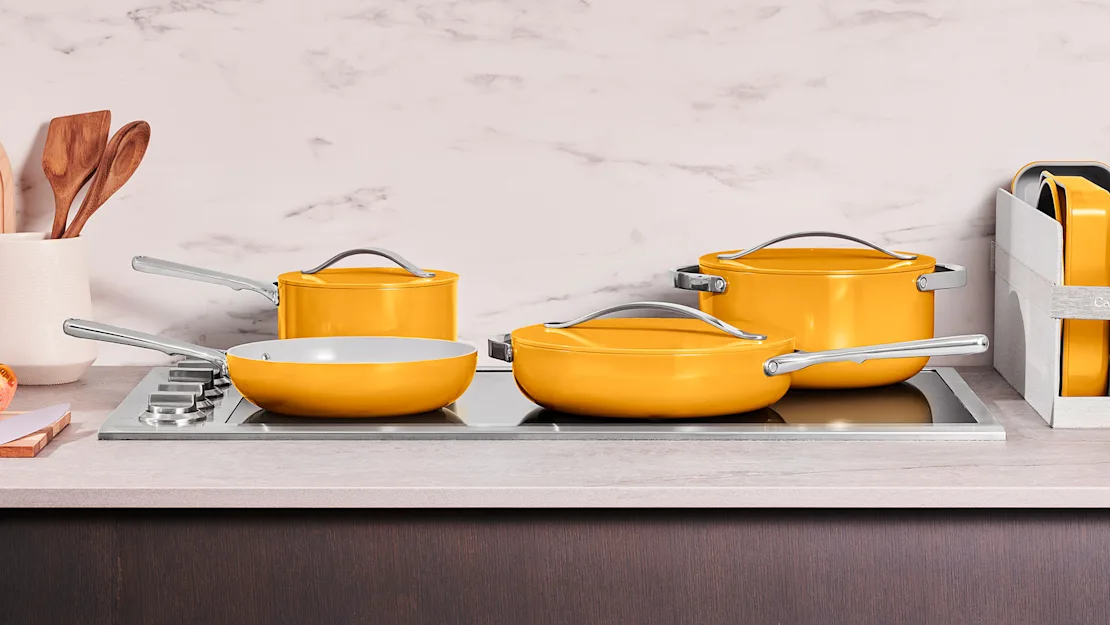
Credit: www.carawayhome.com
Cookware That Doesn’t Work
Not all cookware works with induction cooktops. These cooktops rely on magnetic fields to generate heat, so your pots and pans need to have magnetic properties. Using the wrong cookware means your stove won’t heat properly, or worse, it won’t heat at all.
Aluminum And Copper
Aluminum and copper are popular for their excellent heat conduction, but they usually don’t play well with induction cooktops. Since these metals aren’t magnetic, your induction stove won’t recognize them.
I once tried using my favorite copper saucepan on an induction cooktop, only to find it didn’t heat up at all. It was frustrating because the pan is perfect for even cooking on gas or electric stoves. To fix this, some cookware brands add a magnetic stainless steel base to aluminum or copper pans, making them compatible with induction.
Glass And Ceramic
Glass and ceramic cookware are great for baking and slow cooking, but they don’t work on induction cooktops. These materials lack the magnetic properties needed to interact with the cooktop’s magnetic field.
Have you ever tried placing a glass pot on your induction stove? It simply won’t heat. Besides, even if it did, glass and ceramic aren’t designed to withstand direct heat from induction, making them unsafe choices.
To avoid wasted time and energy, always test your cookware with a magnet before buying. If the magnet sticks firmly to the bottom, your pot or pan will work on an induction cooktop.
Testing Cookware For Induction
Testing your cookware for induction compatibility is a simple way to avoid buying new pots and pans. Not all cookware works on induction cooktops. The cooktop needs magnetic material to heat the pan efficiently.
Here are two easy ways to check if your cookware is suitable for induction.
Magnet Test
Take a small magnet from your fridge or toolbox. Hold it against the bottom of the pan. If the magnet sticks firmly, the cookware is induction-ready. If it slides off or barely sticks, the cookware will not work well on an induction cooktop.
This test works because induction heat needs magnetic materials like cast iron or certain stainless steel. Aluminum, copper, and glass usually fail this test.
Manufacturer Labels
Check the bottom or packaging of your cookware. Many brands mark their products as “induction compatible” or use a coil symbol. This label means the cookware works on induction cooktops.
Sometimes the label includes the word “ferromagnetic.” This term means the metal can be magnetized, which is crucial for induction cooking.
Benefits Of Using Induction-specific Cookware
Using cookware designed for induction cooktops offers many benefits. These pots and pans work better with the magnetic technology. They heat faster and save energy. The cooking process becomes more efficient and enjoyable.
Induction-specific cookware also lasts longer. It resists warping and damage from high heat. This durability makes it a smart choice for frequent cooking.
Faster And Even Heating
Induction cookware heats up quickly. The magnetic field directly warms the pan’s base. This reduces cooking time and avoids hot spots. Food cooks evenly, improving taste and texture.
Energy Efficiency
These pans use energy better than regular cookware. The heat goes straight to the pot or pan. Less energy is lost to the air or stovetop. This means lower electricity bills and less waste.
Better Safety
Induction cookware stays cooler on the outside. Only the base gets hot, reducing burn risks. The cooktop also turns off if no pan is detected. These features make cooking safer for everyone.
Compatibility And Durability
Cookware made for induction works well on other stove types too. It usually has a flat, magnetic base. The materials resist bending and damage. This durability keeps your cookware looking good longer.
Improved Cooking Control
Induction cookware responds quickly to temperature changes. This gives more control over cooking heat. You can simmer or boil with precision. It helps prevent overcooking or burning food.
Tips For Choosing Induction Cookware
Choosing the right cookware for your induction cooktop can make a big difference in your cooking experience. The right pots and pans not only fit your stove perfectly but also improve heat distribution and durability. Here are some tips to help you pick induction cookware that suits your needs and kitchen style.
Size And Shape Considerations
Think about the size of your induction cooktop burners and match your cookware accordingly. Using a pan that’s too small or too large can reduce heating efficiency and increase cooking time.
Also, consider the shape of the cookware. Flat-bottomed pans work best because they maintain full contact with the cooktop surface, ensuring even heat transfer. If you often cook for a family, larger pots with a wide base can save time and energy.
Weight And Handle Design
Heavy cookware often feels more durable, but it can be tiring to lift, especially when full. Choose a weight that you can handle comfortably without strain.
Handles should be sturdy and stay cool during cooking. Look for materials like stainless steel or silicone-coated handles that offer a good grip and heat resistance. Have you ever struggled with a slippery or hot handle? Avoid that frustration by testing the grip before buying.
Maintenance And Durability
Induction cookware should be easy to clean and maintain. Stainless steel pans with a polished surface often resist stains and scratches better than non-stick options.
Check whether the cookware is dishwasher safe if you prefer easy cleanup. Also, consider how often you cook and how much wear your pans will endure. Durable materials like cast iron or heavy-gauge stainless steel might be more suitable if you cook daily.
Affordable Induction Cookware Options
Finding affordable induction cookware doesn’t mean you have to sacrifice quality or performance. Many budget-friendly options work perfectly with induction cooktops, letting you enjoy the benefits without overspending. Let’s look at some great cookware choices that fit your induction stove and wallet.
Cast Iron Cookware: Durable And Budget-friendly
Cast iron pans and pots are naturally compatible with induction cooktops because of their magnetic properties. They heat evenly and retain heat well, making them ideal for slow cooking and searing. Although they require a bit of maintenance to prevent rust, their durability means they can last a lifetime.
Have you tried seasoning a cast iron skillet yourself? It can be a rewarding process that improves the pan’s non-stick quality over time.
Stainless Steel Cookware With Magnetic Base
Look for stainless steel cookware labeled as induction-compatible or with a magnetic base. These sets often come at reasonable prices and provide excellent heat distribution. You get the sleek look of stainless steel combined with the efficiency of induction cooking.
Keep in mind that not all stainless steel pans work with induction. A quick test with a magnet can save you from buying the wrong set.
Enamel-coated Cookware: Stylish And Practical
Enamel-coated cast iron cookware offers the benefits of cast iron without the need for seasoning. These pieces are colorful, easy to clean, and work well on induction cooktops due to their iron core. You can find affordable brands that give you both function and style.
Do you prefer your cookware to double as attractive serving dishes? Enamel-coated options might be perfect for your kitchen.
Non-stick Induction Cookware Sets On A Budget
Many manufacturers now offer non-stick cookware sets designed specifically for induction cooktops. These sets are affordable and make cooking and cleaning easier. Just be sure to check product details to confirm induction compatibility.
What’s your priority—easy cleanup or high heat performance? Knowing this helps you pick the right non-stick induction set for your needs.
Tips For Choosing Affordable Induction Cookware
- Check for the induction symbol or test with a magnet before purchasing.
- Read reviews to ensure durability and cooking performance.
- Consider buying individual pieces instead of full sets to save money.
- Look for sales or discounts at trusted retailers or online stores.
With so many affordable options, you don’t have to compromise on your cooking experience. Which type fits your cooking style and budget best?
Common Myths About Induction Cookware
Many people have wrong ideas about induction cookware. These myths can cause confusion and stop users from enjoying induction cooking fully.
Understanding the truth helps choose the right cookware and use induction cooktops better.
Induction Cookware Must Be Expensive
People often think induction cookware costs a lot. Yet, many affordable options work well with induction. Simple cast iron or stainless steel pots often fit the bill without high prices.
Only Special Cookware Works On Induction
Not true. Cookware must be magnetic to work on induction. Many common pots and pans already have this quality. Testing with a magnet is a quick way to check compatibility.
Glass And Aluminum Cookware Cannot Be Used
Glass and aluminum usually do not work alone on induction. But if they have a magnetic base, they can. Some manufacturers add a layer at the bottom to make them induction-friendly.
Induction Cookware Warps Easily
Some think induction cookware is less durable. Quality cookware designed for induction holds up well. Warping depends more on material and thickness than on induction use.
All Cookware Heats Evenly On Induction
Induction heats fast but cookware quality affects heat spread. Thin or uneven bottoms may cause hot spots. Choosing flat, sturdy pots helps cook food evenly on induction cooktops.

Credit: www.nuwavenow.com
Frequently Asked Questions
Do I Need Special Pots For Induction Cooktops?
Yes, induction cooktops require magnetic cookware. Cast iron and stainless steel work best. Aluminum or copper pans usually won’t work unless they have a magnetic base.
How To Check If Cookware Suits Induction Cooktops?
Use a magnet to test your cookware’s base. If the magnet sticks firmly, the cookware is compatible with induction cooktops.
Can I Use Regular Cookware On Induction Stoves?
Regular cookware without a magnetic base won’t work on induction stoves. You must use pots and pans specifically designed or compatible with induction.
Is Induction-compatible Cookware More Expensive?
Induction cookware can be pricier due to special materials. However, many affordable options are available, especially in stainless steel and cast iron.
Conclusion
Induction cooktops need cookware with magnetic bases. Not all pots and pans work well on them. Cast iron and some stainless steel are good choices. You can test your cookware with a magnet. If it sticks, the cookware will work.
Using the right pots helps cook food faster and save energy. Choose cookware that fits your cooktop size. This keeps your kitchen safe and efficient. Remember, using proper cookware makes cooking easier and more enjoyable.