When winter arrives, you might wonder if you should cover your air conditioner to protect it from the cold. You want to keep your unit safe and working well for years to come, but is covering it really the best choice?
Making the wrong decision could cause more harm than good. You’ll discover what experts say about covering your air conditioner in winter and learn simple steps to keep your system in top shape. Keep reading to find out how to protect your investment without risking damage.
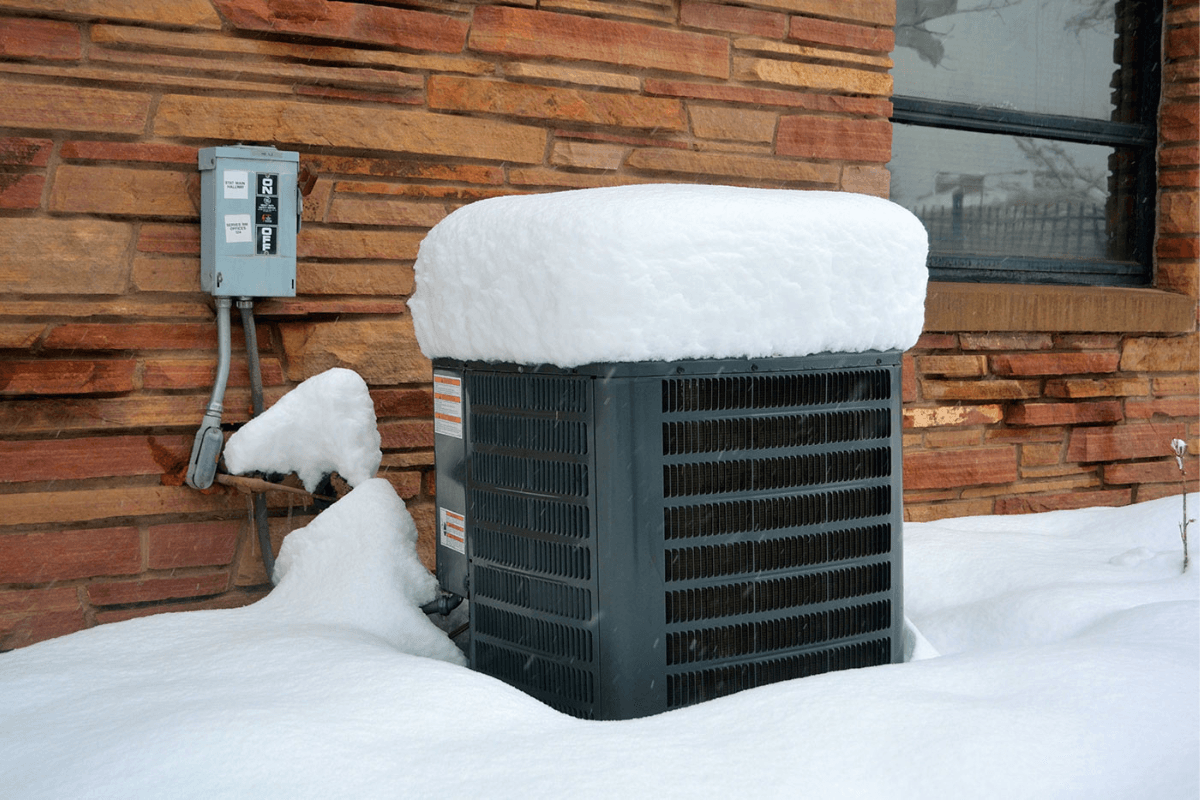
Credit: deepchill.com.au
Why Covering Ac In Winter Matters
Covering your air conditioner in winter can protect it from damage. Cold weather and debris can cause problems.
A good cover helps keep your unit safe until you need it again in spring.
Protecting From Debris And Dust
Leaves, dirt, and dust can gather inside the AC unit. This buildup can block the system and reduce its life.
A cover stops debris from entering and keeps your unit clean.
- Prevents clogs in the system
- Keeps the fan and coils clean
- Makes spring cleaning easier
Preventing Moisture Damage
Moisture from rain, snow, or ice can harm the AC unit. Water can cause rust and damage electrical parts.
A waterproof cover blocks moisture and keeps your unit dry.
- Reduces rust on metal parts
- Prevents short circuits
- Protects internal components
Avoiding Pest Infestations
Small animals and insects may try to nest inside your AC unit. They can cause damage or block airflow.
Covering the unit stops pests from entering and nesting.
- Keeps rodents out
- Stops insects from building nests
- Prevents damage to wiring and insulation
When To Cover Your Air Conditioner
Covering your air conditioner in winter depends on several factors. Not all units need protection.
This guide helps you decide when to cover your AC. It focuses on climate, AC type, and winter usage.
Climate Considerations
Cold weather and snow affect your AC differently. If your area has heavy snow or ice, covering helps.
- In mild winters, covering is usually not needed.
- Heavy snow can block airflow and cause damage.
- Freezing rain may harm exposed parts.
- Areas with little precipitation rarely require covers.
Type Of Ac Unit
Different AC units have different needs. Some handle winter weather better than others.
| AC Unit Type | Cover Needed? | Reason |
| Central Air Conditioner | Sometimes | Protects from debris and moisture |
| Heat Pump | No | Designed to run in cold weather |
| Window AC Unit | Yes | Usually removed for winter storage |
| Portable AC Unit | Yes | Stored indoors during winter |
Usage Frequency During Winter
If you use your AC in winter, covering it is often not a good idea. Covers can trap moisture.
Consider these points about AC use in winter:
- If you run the AC occasionally, leave it uncovered.
- For units turned off all winter, use a breathable cover.
- Remove heavy covers before turning the AC on again.
Best Materials For Ac Covers
Choosing the right material for your air conditioner cover is key. The cover protects your unit from winter weather and keeps it in good shape.
Some materials work better in certain climates. Understanding the differences helps you pick the best cover for your AC.
Breathable Covers Vs Plastic Sheets
Breathable covers let air pass through while keeping debris out. They reduce moisture buildup that can cause rust and mold.
Plastic sheets block air and moisture completely. They protect against rain and snow but may trap condensation inside.
- Breathable covers prevent mold growth by allowing airflow.
- Plastic sheets are cheaper but may damage the AC over time.
- Breathable materials are often made of fabric or mesh.
- Plastic covers can crack in cold weather.
Insulated Covers For Cold Climates
Insulated covers add an extra layer of protection. They keep the AC warmer and protect it from freezing temperatures.
| Material | Protection Level | Best Use |
| Foam Insulation | High | Very cold areas |
| Thick Fabric | Medium | Mild winters |
| Plastic Sheets | Low | Short-term use |
Diy Vs Commercial Covers
DIY covers let you customize size and materials. You can use old blankets or tarps to create one.
Commercial covers are made for AC units. They use durable and weather-resistant fabrics for long life.
- DIY covers are cheaper but may not fit well.
- Commercial covers offer better fit and protection.
- DIY materials include blankets, tarps, and plastic sheets.
- Commercial covers use breathable or insulated fabrics.
How To Properly Cover Your Ac
Covering your air conditioner during winter keeps it safe from cold weather. Proper covering stops damage and helps your unit last longer.
Learn the right way to clean and cover your AC. This guide shows simple steps to protect your system from winter harm.
Cleaning Before Covering
Cleaning your AC before covering stops dirt and moisture from causing problems. Dirt left on the unit can trap moisture and cause rust.
- Turn off the power to the AC unit.
- Remove leaves, dust, and debris from the outside.
- Use a soft brush or cloth to clean the fins and coils gently.
- Check and clear the drain channels to prevent water buildup.
Securing The Cover
Choose a cover made for outdoor AC units. It should fit well but not be too tight. Tight covers can block air and cause moisture buildup.
- Use a waterproof, breathable cover to keep moisture out.
- Secure the cover with straps or bungee cords to stop it from blowing away.
- Do not seal the cover completely; leave some space for airflow.
- Check the cover regularly for tears or damage.
Avoiding Traps For Moisture
Moisture can cause mold and rust inside your AC. Avoid traps where water can collect under the cover.
| Common Moisture Traps | How to Avoid |
|---|---|
| Sealed Covers | Leave ventilation gaps for air to flow. |
| Ground-Level Covers | Place cover slightly above the ground or on a platform. |
| Blocked Drainage | Clear drain holes and channels before covering. |
| Heavy Tarps | Use lightweight, breathable covers instead. |
Risks Of Not Covering Your Ac
Leaving your air conditioner uncovered during winter can cause serious damage. Cold weather, moisture, and debris can harm your unit.
This article explains the main risks of not protecting your AC in winter. Knowing these risks helps you keep your AC safe and working well.
Corrosion And Rust
Moisture from rain or snow can sit on your AC parts. This causes metal parts to rust and corrode. Rust weakens the AC and can cause leaks or breaks.
- Metal coils and fins get damaged
- Rust blocks airflow
- Corrosion shortens AC lifespan
Reduced Efficiency
When your AC is exposed to dirt and moisture, it works harder to cool your home. This reduces its efficiency and raises energy use. A covered AC stays cleaner and runs smoothly.
| Effect | Cause | Result |
|---|---|---|
| Dirty coils | Dirt and debris | Less cool air |
| Frozen parts | Moisture buildup | AC stops working |
| Blocked airflow | Rust and corrosion | Higher energy bills |
Costly Repairs
Not covering your AC can lead to expensive repairs. Water damage and rust may require part replacements. Repair costs can add up fast.
- Fixing rusted parts
- Replacing damaged coils
- Cleaning clogged drains
- Repairing electrical issues
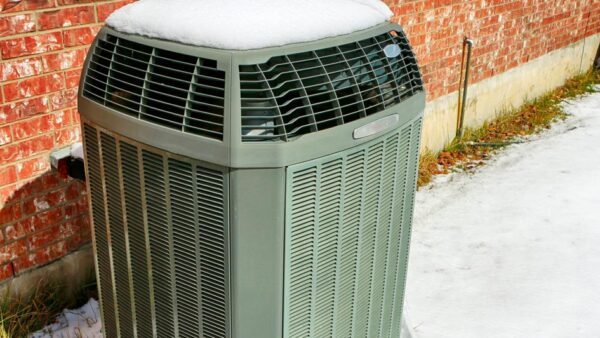
Credit: www.fireandiceva.com
When Not To Cover Your Air Conditioner
Many people wonder if they should cover their air conditioner during winter. Covering the unit can protect it from snow and debris. But in some cases, covering the air conditioner is not needed and could cause harm.
This guide explains when you should not cover your air conditioner. It helps you decide based on the type of unit, climate, and manufacturer advice.
Units Designed For Year-round Use
Some air conditioners are made to stay outside all year. These units are built to handle cold and bad weather. They have special parts that prevent damage from winter conditions.
Covering these units can trap moisture and cause rust or mold. It can also block airflow, which harms the system.
- Do not cover units labeled for year-round use.
- Keep the area around the unit clear.
- Check the unit regularly for ice or snow buildup.
Mild Winter Climates
In places with mild winters, covering the air conditioner is usually not necessary. The weather rarely gets cold enough to harm the unit. Snow and ice buildup is also uncommon.
Covering the unit in mild climates may cause moisture to stay trapped. This can lead to rust or other damage over time.
- Check local winter temperatures before deciding.
- Use a cover only if heavy debris or leaves fall on the unit.
- Ensure good ventilation if you use a cover.
Manufacturer Recommendations
Always check the air conditioner’s manual or manufacturer website. They provide specific advice for your model. Follow their instructions to keep your unit safe and working well.
Some manufacturers advise against covering the unit. Others may suggest a special cover designed for winter use.
- Read the user guide before winter arrives.
- Use only covers recommended by the manufacturer.
- Contact customer service if unsure about covering.
Alternative Winter Ac Maintenance Tips
Winter can be tough on your air conditioner. Instead of just covering it, follow some maintenance tips. These help keep the unit safe and working well.
Simple care steps in winter can prevent damage and save money on repairs. Here are key ways to protect your AC during cold months.
Regular Inspections
Check your AC unit often in winter. Look for cracks, rust, or loose parts. Catching problems early helps avoid bigger damage.
- Inspect the unit’s exterior for wear or damage
- Ensure vents and fan blades are clean and free of debris
- Check the unit’s base for cracks or instability
- Test the thermostat to make sure it works properly
Clearing Snow And Ice
Snow and ice can block your AC and cause harm. Remove build-up carefully to keep air flow steady and parts safe.
| Type of Build-Up | Recommended Action |
| Light Snow | Brush off gently with a soft broom |
| Heavy Snow | Shovel around the unit carefully, avoid hitting parts |
| Ice Formations | Do not chip away; let ice melt naturally or use warm water |
Professional Servicing
Having a pro check your AC each winter helps keep it healthy. They can spot hidden issues and clean parts deeply.
Benefits of professional servicing:
- Thorough cleaning of coils and filters
- Checking refrigerant levels and pressure
- Testing electrical connections and motors
- Adjusting settings for winter protection
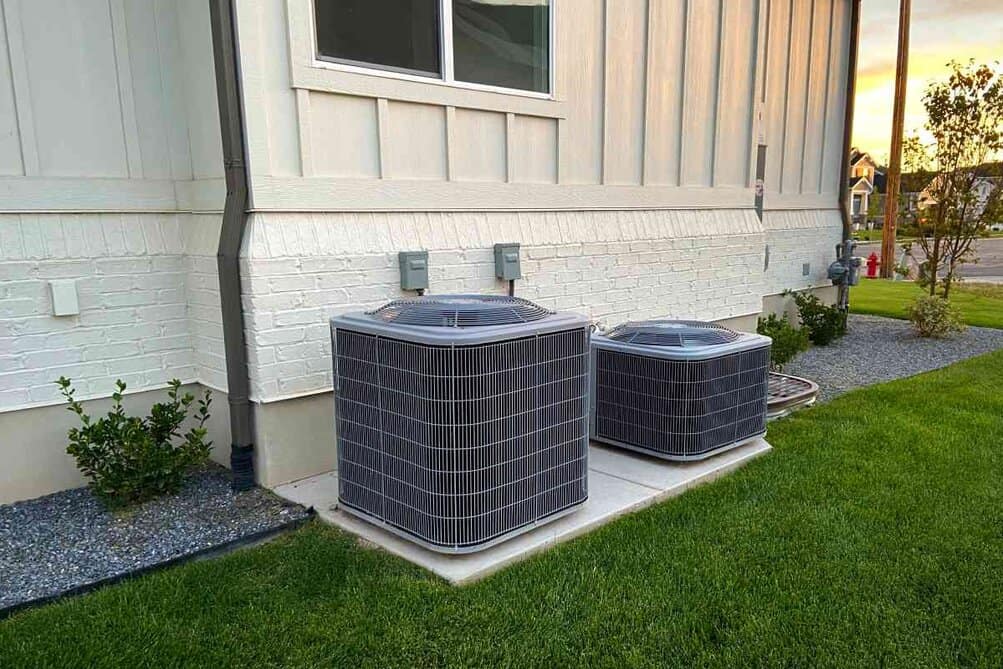
Credit: www.furnaceprices.ca
Frequently Asked Questions
Should You Cover Your Ac In Winter?
Covering your AC in winter is usually unnecessary. Modern units are designed to withstand winter conditions. However, covering can prevent debris buildup and protect from ice. Ensure proper ventilation to avoid moisture trapping, which can cause rust.
Can Covering Ac Harm The Unit?
Covering an AC improperly can cause harm. Trapping moisture can lead to rust and mold. Ensure covers are breathable and fit well. Regularly check for moisture accumulation under the cover.
What Materials Are Best For Ac Covers?
Breathable, water-resistant materials are ideal for AC covers. Look for polyester or vinyl with ventilation holes. These materials prevent moisture buildup and protect from debris. Avoid plastic covers, as they trap moisture.
Is It Necessary To Cover Ac During Snowfall?
Covering AC during heavy snowfall can be beneficial. It prevents snow accumulation and potential ice damage. Make sure the cover is breathable and securely attached to prevent moisture trapping.
Conclusion
Covering your air conditioner in winter can protect it from dirt and debris. It helps keep the unit clean and can extend its life. Yet, make sure the cover allows air to flow. Trapping moisture can cause damage and rust.
Check your unit’s manual for specific advice. A simple cover is enough; no need for heavy wraps. Taking these steps saves money and avoids repairs. Winter care matters for your air conditioner’s health. Stay prepared and keep your system ready for spring.