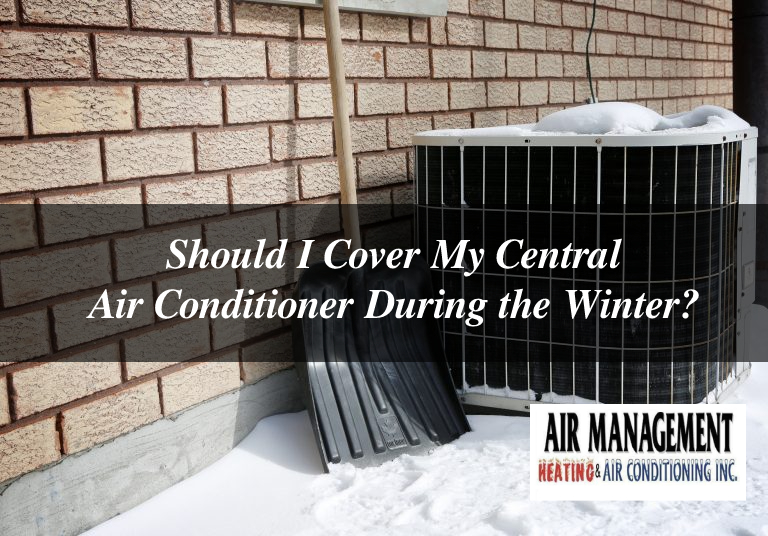
Are you wondering if you should cover your air conditioner during winter? It’s a question many homeowners ask as the cold months approach.
You want to protect your unit, save money, and avoid costly repairs. But is covering your air conditioner the right move? Keep reading to discover the surprising facts that will help you make the best choice for your home and your wallet.
Don’t miss out on simple tips that could save you time and stress next spring!

Credit: childresshvac.com
Why Covering Matters
Covering the air conditioner in winter helps keep it safe from many risks. Debrislike leaves and dirt can get inside and harm the unit. A cover stops this unwanted buildup.
Moisture from rain and snow can cause rustand damage parts. A cover keeps the unit dry and working well.
Pests like birds and insects may find the unit a nice place to hide. Covering the AC prevents these intrudersfrom causing problems.

Credit: kayplumbing.com
When To Cover Your Ac
Climate plays a big role in deciding to cover your AC. In places with heavy snow or freezing rain, covering helps protect the unit. In milder climates, covering may not be needed.
Seasonal timing matters too. Covering the AC after the last use in fall and before the first use in spring is wise. This keeps dirt and moisture out during winter.
- Look for signs like leaves or debris buildup around the unit.
- Check for ice or snow accumulation on the AC.
- If your unit faces harsh weather, covering is a good idea.
Types Of Covers
Plastic coversprotect the unit from rain, snow, and dirt. They are cheap and easy to use. But, plastic can trap moisture. This may cause rust or mold inside the air conditioner.
Fabric coversare breathable. They let air pass through and keep water out. This helps stop rust and mold. Fabric covers are soft and fit well, but they cost more than plastic ones.
| Type | Pros | Cons |
|---|---|---|
| Plastic Covers | Inexpensive, easy to use, waterproof | Can trap moisture, risk of rust and mold |
| Fabric Covers | Breathable, prevents rust, fits well | More expensive than plastic |
| Custom-Fit Options | Perfect fit, better protection | Usually the most costly |
Covering Techniques
Choose a cover made for air conditioners. It should fit well to protect from dirt and snow. Avoid using plastic sheets that trap moisture. Moisture can damage the unit.
Ensure the cover allows air flow. Good ventilation stops mold and rust. Covers with vents or breathable fabric work best.
- Secure the cover tightly with straps or cords.
- Check for loose parts that can blow away in wind.
- Remove the cover during warm days to prevent moisture build-up.
Risks Of Not Covering
Not covering the air conditioner in winter can cause corrosion. Water and snow may get inside the unit. This moisture leads to rust on metal parts.
Dust and debris can also enter, making the AC less efficient. Dirt blocks airflow and reduces cooling power. The unit may use more energy to work.
Costly repairsmight follow. Damaged parts may need replacement or fixing. This can be expensive and take time.
- Moisture causes rust and damage.
- Dirt blocks airflow and lowers efficiency.
- More energy needed, raising bills.
- Repair costs can be high.
Alternatives To Covering
Keeping your air conditioner in good shape during winter helps it last longer. Regular maintenanceincludes cleaning the unit and checking for any damage. Dirt and leaves can block airflow and cause problems.
Professional inspectionscatch issues that are hard to see. Experts can spot leaks, rust, or worn parts early. This prevents costly repairs in spring.
Applying protective coatingshelps guard metal parts from rust and weather damage. These coatings act like a shield against moisture and dirt. It keeps the unit safer without needing a full cover.
Removing The Cover In Spring
The best timeto remove the air conditioner cover is before warm weather arrives. This helps the unit breathe and prevents moisture buildup inside.
Clean the air conditioner before use to ensure good air flow and avoid bad smells. Remove dust and dirt from the filters and vents using a soft cloth or vacuum.
Check the unit carefully for any damagelike cracks, rust, or loose parts. Fix small problems early to keep the air conditioner working well all summer.
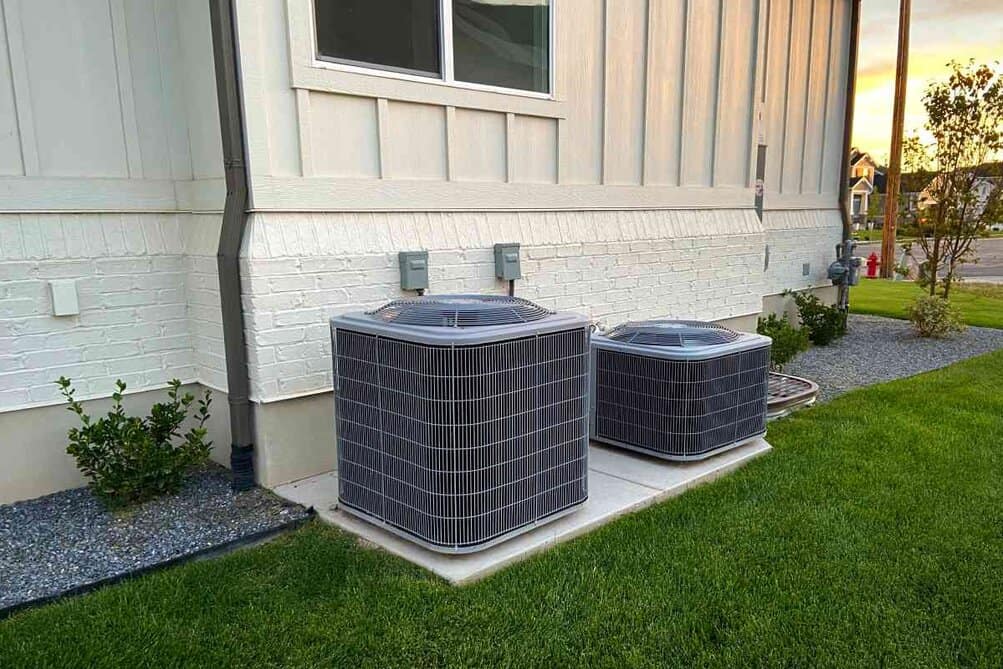
Credit: www.furnaceprices.ca
Frequently Asked Questions
Do You Need To Cover An Air Conditioner In Winter?
Covering your air conditioner in winter is optional. It protects the unit from debris and harsh weather. However, many modern AC units are built to withstand winter conditions without covers.
What Are The Benefits Of Covering An Ac Unit In Winter?
Covering your AC unit prevents dirt, leaves, and moisture buildup. It reduces the risk of rust and damage from ice or snow. This can extend the unit’s lifespan and reduce maintenance needs.
Can Covering The Ac Unit Cause Damage?
Improper covers can trap moisture and cause mold or rust inside the unit. Use breathable covers designed for air conditioners to avoid moisture buildup and ensure proper ventilation.
How Should I Cover My Air Conditioner For Winter?
Use a breathable, waterproof cover that fits snugly over the unit. Avoid plastic sheets that trap moisture. Secure the cover to prevent wind damage but allow airflow to prevent condensation.
Conclusion
Deciding whether to cover your air conditioner in winter depends on your climate. In areas with heavy snow or debris, a cover can help. It protects the unit from damage. Yet, in milder climates, a cover may not be necessary.
Moisture can get trapped under it, causing rust. Always ensure the cover is breathable. This prevents moisture buildup. Ultimately, consider your local weather conditions. Evaluate your air conditioner’s exposure to elements. Make an informed decision. Protect your investment wisely. Keep these tips in mind.
Stay proactive with winter maintenance. Your air conditioner will thank you.