Are you building a raised garden bed and wondering if you really need to line it? This simple question can make a big difference in how your garden grows and how long your bed lasts.
Whether you want to protect your plants, keep pests away, or make sure your soil stays healthy, lining your raised bed might be the key. Keep reading to discover the surprising benefits—and a few things to watch out for—so you can make the best choice for your garden’s success.

Credit: www.reddit.com
Benefits Of Lining Raised Beds
Lining a raised garden bed can improve your gardening experience. It helps keep soil in place and protects plants.
Different liners offer several benefits that make raised beds easier to maintain and more productive.
Improved Soil Retention
Lining prevents soil from washing away during heavy rain. It keeps the soil inside the bed, so plants get enough nutrients.
This helps maintain the shape and size of the raised bed over time.
Weed Prevention
Liners block weeds from growing up into the bed. This reduces the work needed to keep the garden clean.
- Stops weed roots from entering the soil
- Reduces competition for water and nutrients
- Makes weeding faster and easier
Pest Control
| Pest | Effect of Lining |
|---|---|
| Slugs and Snails | Barrier reduces entry into soil |
| Rodents | Blocks easy access to roots |
| Insects | Limits hiding spots under soil |
Lining can act as a physical barrier. It keeps many pests away from your plants and soil.

Credit: www.reddit.com
Popular Lining Materials
Lining a raised garden bed can help protect wood and soil. It also controls weeds and water drainage. Choosing the right lining material depends on your garden needs.
This guide covers three popular materials used for lining raised beds. Each one has benefits and uses to consider before you start planting.
Landscape Fabric
Landscape fabric is a breathable material. It lets water drain while blocking weeds from growing. It is easy to cut and fit inside raised beds.
Gardeners like this fabric because it reduces soil erosion. It also helps keep the soil clean by stopping roots from outside plants.
Plastic Sheeting
Plastic sheeting is a strong barrier that stops water and roots. It can protect wooden beds from moisture damage. But plastic does not let water pass through, so drainage is important.
- Use heavy-duty plastic for durability
- Make sure to add drainage holes
- Plastic can trap heat, warming the soil
- It is best for beds with poor soil underneath
Natural Barriers
Natural barriers include materials like cardboard, newspaper, or burlap. These materials break down over time and enrich the soil. They block weeds while allowing water to flow.
| Material | Benefit | Drawback |
| Cardboard | Blocks weeds, biodegradable | Needs replacement after a season |
| Newspaper | Cheap and easy to find | Can blow away if not weighted |
| Burlap | Natural look, lets water drain | May decay faster in wet areas |
When To Skip Lining
Lining a raised garden bed helps in many ways. But, there are times when you can skip it. Knowing when to skip lining saves time and resources.
Consider the material, soil, and plants before deciding. This ensures a healthy garden. Let’s look at some key factors.
Using Untreated Wood
Untreated wood is safe for your plants. It does not leak chemicals into the soil. If you choose untreated wood, you might not need a liner.
Untreated wood is not only safe but also eco-friendly. It blends well with the natural environment of your garden. Consider using cedar or redwood, as they are rot-resistant.
Good Soil Drainage
Good soil drainage keeps plants healthy. If your soil drains well, a liner may not be necessary. It prevents water from pooling and causing root rot.
- Check the soil type before planting
- Avoid clay-heavy soils for better drainage
- Mix soil with sand or gravel to improve drainage
Plant Type Considerations
Different plants have different needs. Some plants thrive without a liner. Choose plants that fit your garden conditions.
| Plant Type | Liner Needed? |
| Succulents | No |
| Root Vegetables | Yes |
| Herbs | No |
Potential Risks Of Lining
Lining a raised garden bed means adding a barrier between the soil and the bed walls. Many gardeners think it protects the wood or bed material. But lining can cause some problems that affect plant growth and bed life.
Knowing the risks helps you decide if lining is right for your garden bed. This guide covers common issues like drainage, toxicity, and costs.
Reduced Drainage
Lining can stop water from flowing out of the soil properly. Poor drainage leads to water buildup inside the bed. This keeps plant roots too wet and can cause root rot.
Good drainage helps plants get the right amount of air and water. A liner that blocks holes or prevents water flow makes the soil soggy and unhealthy.
Material Toxicity
Some liners are made from plastic or treated materials. These can release harmful chemicals into the soil over time. Toxic substances can hurt plants and soil life.
It is important to choose safe, non-toxic liners. Otherwise, your garden soil might get polluted and damage your plants’ health.
Cost And Maintenance
Lining raised beds adds extra cost for materials and labor. Some liners wear out quickly and need replacing. This increases the effort to keep your garden bed in good shape.
Regular checks and repairs of the liner may be necessary. This adds time and money to your gardening routine.
Step-by-step Lining Process
Lining a raised garden bed protects the wood and soil. It helps keep moisture in and pests out. Follow these steps to line your raised bed properly.
This guide covers preparing the bed, choosing the right material, and installing the liner. Each step is simple to follow.
Preparing The Bed
Clear the raised bed of any plants, rocks, or debris. Make sure the wood is clean and dry. Check for any sharp edges or nails that could damage the liner.
If the bed is new, sand down rough spots. This helps the liner fit smoothly and last longer. Also, measure the inside dimensions to know how much liner you need.
Choosing The Right Material
Select a liner that is safe for plants and soil. Common options include heavy-duty plastic, pond liner, or landscape fabric. Avoid materials that can release harmful chemicals.
- Plastic sheeting (thick and durable)
- Pond liner (waterproof and flexible)
- Landscape fabric (breathable and pest-resistant)
Choose a liner that fits your garden’s needs. Waterproof liners keep soil moist. Fabric liners allow water flow but block weeds.
Installing The Liner
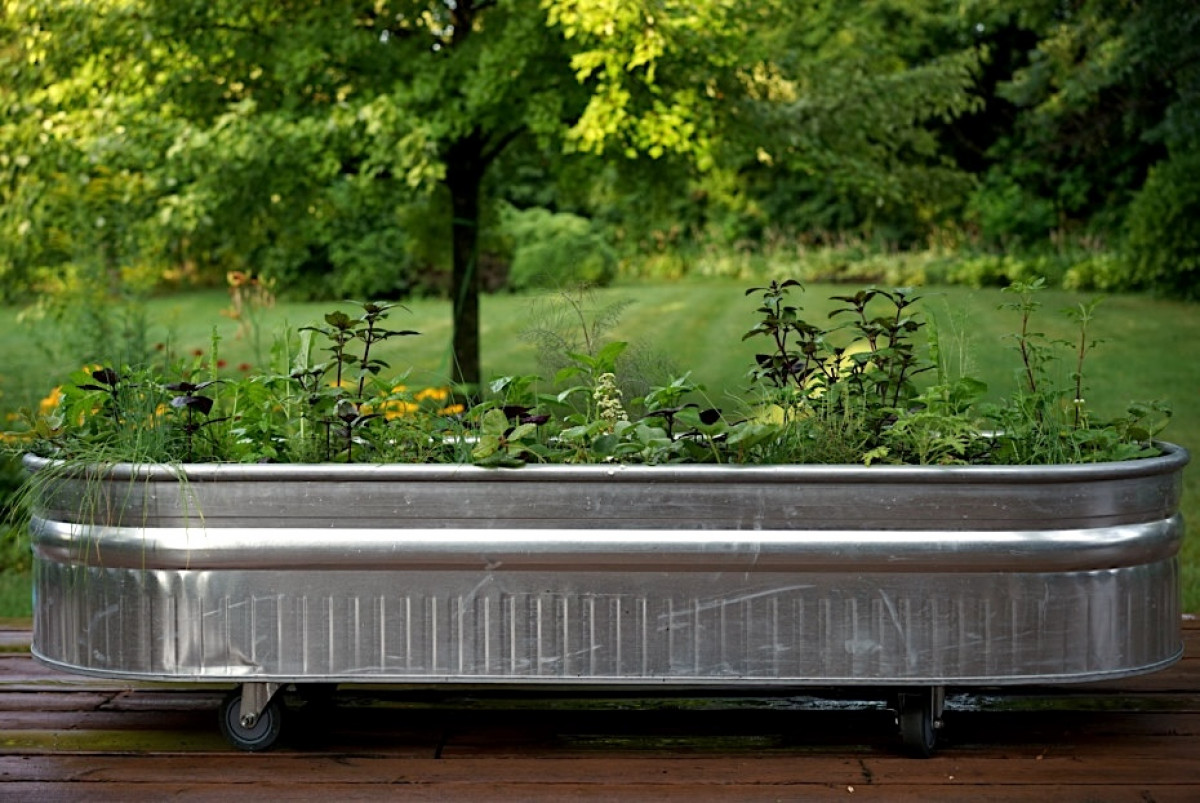
Place the liner inside the bed, pressing it into corners and sides. Leave extra material to fold over the edges. This helps prevent soil from spilling out.
Secure the liner with staples or small nails on the top edges. Cut holes or slits for drainage if the liner is not breathable. Finally, add soil and plants over the liner.
Credit: www.gardenary.com
Alternative Solutions To Lining
Raised garden beds often need protection to last longer. Lining is one way, but there are other choices. These options help keep soil healthy and wood safe.
Using different methods can save money and improve plant growth. Let’s look at some alternatives to lining raised garden beds.
Using Raised Bed Liners
Raised bed liners protect wood from moisture and soil. They stop rot and extend the bed’s life. Liners can be made from plastic, fabric, or rubber.
Choose liners that allow water to drain well. Good drainage keeps plants healthy and prevents wood damage. Make sure the liner fits tightly inside the bed.
- Plastic liners block moisture but reduce drainage
- Fabric liners allow water flow and protect wood
- Rubber liners are durable and flexible
Soil Amendments
Adding soil amendments improves soil health and structure. Better soil can reduce the need for lining. Amendments also help water drain away from wood.
Common amendments include compost, sand, and peat moss. These materials keep soil loose and well-drained. Healthy soil supports strong plant roots and protects wood.
- Compost adds nutrients and improves soil texture
- Sand increases drainage and prevents compacting
- Peat moss holds moisture but improves air flow
Regular Maintenance
Keeping your raised bed in good shape lowers damage risk. Check for wood rot or cracks often. Fix issues before they get worse.
Drain excess water to avoid wood decay. Remove dead leaves and debris from the bed. Regular care helps your garden bed last longer without lining.
- Inspect wood every few months for signs of rot
- Clear fallen leaves and plant debris regularly
- Ensure water drains well after rain or watering
Frequently Asked Questions
Do Raised Garden Beds Need A Liner?
A liner helps protect the wood from moisture and soil contact. It extends the bed’s lifespan and prevents soil leakage. However, some materials like cedar resist rot, so a liner isn’t always necessary.
What Materials Are Best For Raised Bed Liners?
Common liners include landscape fabric, plastic sheeting, and pond liners. Landscape fabric allows drainage, while plastic retains moisture. Choose based on your soil, climate, and the bed’s material to balance drainage and durability.
Can A Liner Affect Plant Growth In Raised Beds?
Yes, liners can influence drainage and root health. Properly chosen liners improve moisture retention and prevent soil erosion. Avoid impermeable liners that cause waterlogging, which can harm roots and stunt plant growth.
How Do I Install A Liner In A Raised Garden Bed?
First, clean the bed frame and remove debris. Cut the liner to fit inside the bed, covering all soil contact areas. Secure it with staples or nails, ensuring no gaps where soil can escape.
Conclusion
Lining a raised garden bed can protect wood and soil. It helps keep the soil clean and prevents weeds. Some liners stop water from draining well. Choose the right liner based on your plants’ needs. Not every garden bed needs lining.
Think about your budget and how long you want the bed to last. Garden care and soil quality matter too. Decide what works best for your garden space. Your plants will thank you for good soil and care. Simple steps can lead to a healthy garden.