
Are you wondering if you should keep your almond butter in the fridge or just leave it on the kitchen counter? It’s a simple question, but the answer can save you from spoiled spreads and wasted money.
You want your almond butter to stay fresh, tasty, and easy to spread every time you open the jar. Keep reading to discover the best way to store your almond butter and avoid common mistakes that many people make. This little tip can make a big difference for your snacks and recipes!
Shelf Stability Of Almond Butter
Almond butter can stay fresh for a long time if stored properly. Understanding its shelf stability helps prevent spoilage and waste. The type of almond butter and added ingredients affect how long it lasts.
Natural Vs. Processed Varieties
Natural almond butter contains only almonds and sometimes salt. It has no added oils or preservatives. This type can separate and become oily over time. Natural almond butter should be refrigerated after opening to keep it fresh.
Processed almond butter often includes added oils, sugars, or stabilizers. These ingredients help keep the butter smooth and extend shelf life. Processed varieties may stay stable at room temperature longer than natural ones.
Role Of Preservatives
Preservatives slow down spoilage by stopping bacteria and mold growth. Many processed almond butters include preservatives to increase shelf stability. Without preservatives, almond butter can go rancid faster.
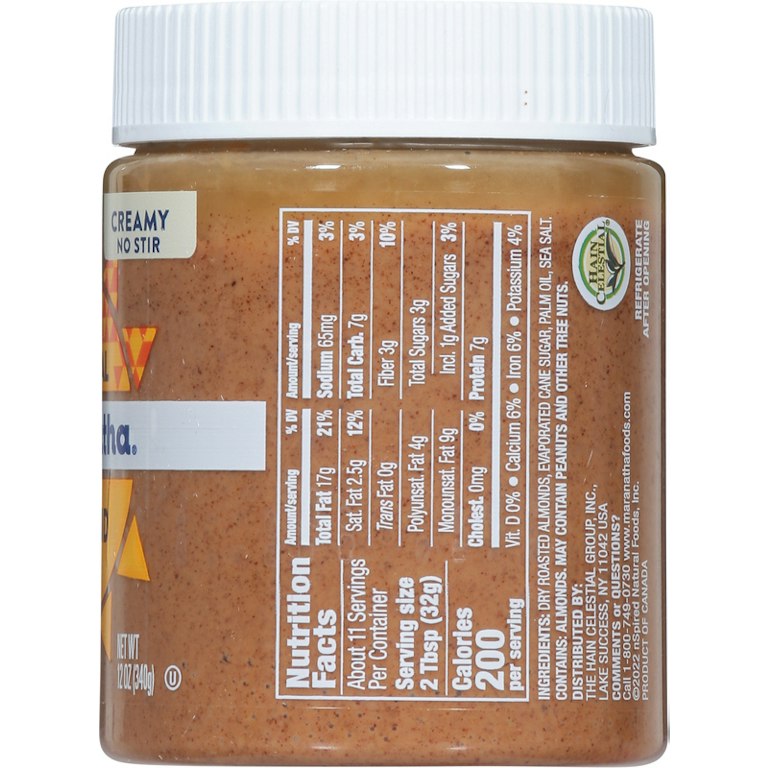
Common preservatives include vitamin E and citric acid. These help keep flavor and texture intact. Always check the label to see if preservatives are added. This information guides how to store almond butter safely.
Benefits Of Refrigerating Almond Butter
Refrigerating almond butter offers several advantages that go beyond just keeping it cold. It helps preserve its quality, so you enjoy every spoonful just as fresh as the first. Let’s look at how refrigeration benefits your almond butter in practical ways.
Extending Freshness
Keeping almond butter in the fridge slows down the natural process of spoilage. Cooler temperatures reduce the chances of bacteria and mold growth, which can spoil the product faster at room temperature.
Have you ever opened a jar only to find a strange smell or taste? Refrigeration helps you avoid that unpleasant surprise by keeping your almond butter fresh for weeks or even months longer.
Preventing Oil Separation
Oil separation is a common issue with natural almond butter. When stored at room temperature, the oil tends to rise to the top, creating a layer that needs stirring before use.
Chilling the jar helps keep the oil and almond solids mixed, making your almond butter smoother and easier to spread without constant stirring. This saves time and mess in your kitchen.
Maintaining Flavor And Texture
Refrigeration preserves the natural flavor of almond butter by slowing down oxidation, which can cause a stale or rancid taste over time. The cooler environment also helps maintain a firmer, creamier texture.
If you prefer a consistent taste and spreadability, keeping your almond butter in the fridge can make a big difference. Would you rather deal with a runny jar or a perfectly creamy one every time?
When Refrigeration Is Not Necessary
Almond butter does not always need refrigeration. Many types stay fresh at room temperature for some time. This depends on how long you plan to keep it and the environment around it.
Understanding when refrigeration is not necessary helps avoid waste and keeps the butter tasty. Some almond butters have natural oils and preservatives that extend shelf life without cold storage.
Short-term Storage Tips
- Keep the jar tightly closed after each use.
- Store almond butter away from heat sources.
- Use within a few weeks after opening for best flavor.
- Stir well before storing to mix oils evenly.
- Use a clean spoon to prevent contamination.
Ideal Pantry Conditions
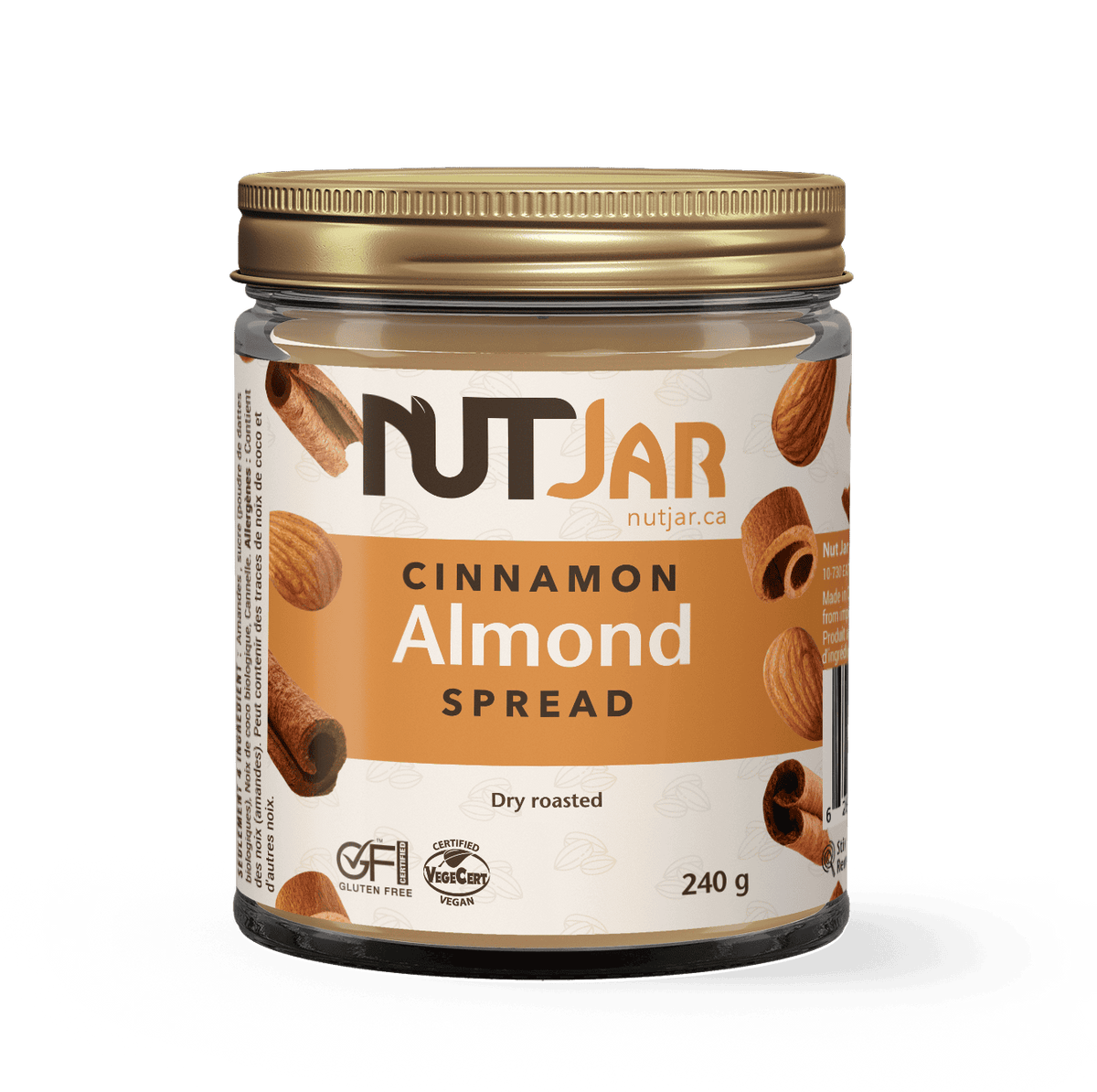
- Store almond butter in a cool, dark place.
- Maintain a consistent temperature around 70°F (21°C).
- Avoid places near stoves, ovens, or sunlight.
- Keep away from moisture and humidity.
- Choose a pantry shelf that is not frequently opened.
Credit: www.nutjar.ca
Signs Almond Butter Has Gone Bad
Almond butter is a delicious and nutritious staple for many. But how can you tell if it’s still good to eat? Recognizing the signs that almond butter has gone bad helps you avoid unpleasant flavors and potential health risks.
Changes In Smell And Taste
Fresh almond butter has a mild, nutty aroma. If you notice a sharp, sour, or rancid smell, it’s a clear warning sign that the oils have spoiled.
Tasting a small amount can also help. If the flavor is bitter, metallic, or unusually strong, it’s time to toss it out. Trust your nose and taste buds—they rarely lie when it comes to spoilage.
Texture And Appearance Indicators
Check the texture carefully. Almond butter should be smooth or slightly grainy, depending on the brand. If it becomes excessively dry, hard, or crumbly, this indicates it’s past its prime.
Look for any visible mold or discoloration on the surface or inside the jar. Dark spots, white patches, or oil separation that looks abnormal are signs to discard the jar immediately.
Have you ever opened a jar expecting creamy goodness, only to find something off? That moment reminds you why these checks matter before spreading almond butter on your toast.
Best Practices For Storing Almond Butter
Proper storage of almond butter can extend its freshness and keep its flavor just right. Knowing how to store it safely helps you avoid spoilage and keeps the texture smooth. Let’s look at some smart ways to handle your almond butter after opening the jar.
Sealing And Container Choices
Always make sure your almond butter jar is sealed tightly after each use. Airtight lids prevent air from creeping in, which can cause the oils to go rancid faster.
If you transfer almond butter to another container, choose one made of glass or BPA-free plastic with a secure lid. Glass containers don’t absorb smells or stains, keeping your almond butter tasting fresh.
Think about how often you use your almond butter. If it’s a daily staple, keeping it in the original jar might be easiest. But if you use it less often, consider smaller containers to minimize exposure each time you open it.
Avoiding Contamination
Have you ever dipped a spoon straight into the jar after tasting your toast? Avoid double-dipping to keep bacteria out. Always use a clean utensil to scoop almond butter.
Consider using a small spoon or knife each time instead of your fingers. Even small crumbs or moisture can spoil the almond butter quickly.
Also, store almond butter away from strong-smelling foods. Almond butter can absorb odors, which changes its natural flavor and freshness.
Credit: www.gianteagle.com
Credit: www.nutjar.ca
Frequently Asked Questions
Do You Need To Refrigerate Almond Butter?
Refrigeration depends on the almond butter type. Natural almond butter should be refrigerated to prevent oil separation and spoilage. Commercial almond butter with preservatives can be stored at room temperature for a few weeks safely.
How Long Does Almond Butter Last Unrefrigerated?
Unrefrigerated almond butter lasts about 1 to 3 months unopened. Once opened, it is best consumed within 2 weeks if kept at room temperature to avoid rancidity and mold growth.
Does Refrigeration Affect Almond Butter Texture?
Yes, refrigeration can thicken almond butter and make it harder to spread. Let it sit at room temperature for a few minutes before use to soften.
Can Refrigeration Prevent Almond Butter Spoilage?
Refrigeration slows down spoilage by reducing the growth of bacteria and mold. It extends shelf life and maintains freshness, especially for natural almond butter without preservatives.
Conclusion
Storing almond butter can be simple. Keep it fresh and tasty. Refrigeration helps maintain its quality longer. Natural oils may separate over time. A quick stir fixes it. Room temperature storage is fine for short-term use. Ensure the lid is tight to prevent spoilage.
Check for changes in smell or texture. This signals it’s time to toss it. Choose storage based on your needs and usage. Enjoy almond butter’s rich flavor anytime. Whether on toast or in smoothies, it’s a versatile delight. Always prioritize freshness for best taste and health benefits.