
Have you ever wondered if you should put your baked potatoes in the fridge? You might think it’s simple, but the truth can surprise you.
Keeping your baked potatoes fresh and safe to eat is important, and the way you store them makes all the difference. You’ll discover the best way to handle your baked potatoes so they stay tasty and healthy. Keep reading to find out exactly what you need to do—and avoid common mistakes that could spoil your meal.

Credit: sweetandsavorymeals.com
Baked Potato Basics
Baked potatoes are a simple, tasty dish enjoyed worldwide. They start as raw potatoes but change during baking. Understanding these changes helps keep them fresh and safe to eat.
Proper storage is key. Knowing what to do after baking ensures your potato stays delicious for longer.
How Baking Changes Potatoes
Baking alters the texture and flavor of potatoes. The heat breaks down starches into sugars. This process creates a soft inside and crispy skin.
Water evaporates during baking, making the potato drier. Bacteria and molds can grow faster on cooked potatoes. This means they spoil quicker than raw potatoes.
Common Mistakes In Storage
Many people leave baked potatoes out at room temperature too long. This can cause harmful bacteria to grow. Others wrap potatoes tightly while still warm. This traps moisture and leads to sogginess or mold.
Storing baked potatoes in the fridge without cooling them first causes condensation. This moisture speeds up spoilage. Keeping potatoes in plastic bags also traps moisture and harms texture.
Room Temperature Storage
Baked potatoes can be stored at room temperature for a short time. This method keeps the potato’s texture intact and makes it easy to eat later. Knowing when and how long to keep a baked potato out is key to food safety. Understanding the risks helps avoid stomach problems.
When To Keep Potatoes Out
Keep baked potatoes out if you plan to eat them within two hours. This is safe for freshly cooked potatoes. Avoid wrapping them in foil while still hot, as it traps moisture. Let the potato cool uncovered on a plate or rack. Once cooled, you can store it in a paper bag to keep the skin crispy.
Risks Of Leaving Baked Potatoes Unrefrigerated
Leaving baked potatoes out longer than two hours allows bacteria to grow. This can cause food poisoning. The risk increases in warm or humid rooms. Bacteria like Clostridium perfringens thrive in cooked potatoes left at room temperature. Symptoms include stomach cramps, nausea, and diarrhea. Eating potatoes stored too long without refrigeration is unsafe.
Refrigeration Benefits
Baked potatoes stay fresh longer when refrigerated properly. Cooling slows bacteria growth and preserves taste. Storing them right helps avoid waste and keeps texture firm.
Refrigerating baked potatoes can offer several benefits. It helps maintain their quality, keeping them safe and fresh for a longer time. This practice is especially helpful when you have leftovers. Let’s explore the key advantages of refrigeration.Extending Freshness
Refrigeration slows down the spoilage process. It helps preserve the texture and flavor. Without refrigeration, potatoes can become dry and unpalatable. A cool environment keeps them moist and tasty. This means you can enjoy them days after baking.Preventing Bacterial Growth
Bacteria thrive at room temperature. Refrigerating baked potatoes reduces this risk. A chilled environment makes it hard for bacteria to multiply. This ensures the potatoes remain safe for consumption. It is a simple step to protect your health.Proper Refrigeration Techniques
Proper refrigeration techniques keep baked potatoes fresh and safe to eat. Storing them correctly helps prevent bacteria growth and maintains taste. Knowing how to cool and store baked potatoes is essential for food safety and quality.
Cooling Before Refrigeration
Allow baked potatoes to cool at room temperature for no longer than two hours. Cooling too long can lead to bacteria growth. To speed cooling, place potatoes on a wire rack. Avoid wrapping potatoes while still warm; moisture can get trapped and cause spoilage.
Best Containers For Storage
Use airtight containers or resealable plastic bags to store baked potatoes. These containers prevent moisture loss and keep odors out. Avoid aluminum foil, as it can trap moisture and make potatoes soggy. Label containers with the date to track freshness easily.
Freezing Baked Potatoes
Freezing baked potatoes can be a real time-saver, especially when you have leftovers or want to prep meals ahead. But not all baked potatoes freeze well, and knowing how to freeze them properly makes a big difference in taste and texture. Let’s look at when freezing baked potatoes works best and how to do it right to keep their quality intact.
When Freezing Is A Good Option
Freezing baked potatoes is best when you plan to use them in dishes like mashed potatoes, casseroles, or soups rather than eating them plain. Whole baked potatoes tend to get watery and mealy after freezing, which can ruin their texture. If you notice leftover potatoes piling up, freezing mashed or scooped-out potatoes is a smart way to avoid waste.
Have you ever tried freezing a whole baked potato only to be disappointed by the soggy texture afterward? That’s because the starches break down differently when frozen. So, consider freezing only the parts you’ll mix into other recipes for the best results.
How To Freeze For Best Quality
- Cool Completely:Let your baked potatoes cool at room temperature before freezing. Wrapping hot potatoes traps moisture and creates ice crystals that damage texture.
- Prepare Properly:Scoop out the potato flesh and mash it with a bit of butter or milk. This step helps maintain creaminess once thawed.
- Portion and Pack:Divide mashed potatoes into meal-sized portions. Use airtight containers or heavy-duty freezer bags to keep freezer burn away.
- Label and Date:Mark your containers with the freezing date. Potatoes are best used within 3 months for optimal flavor.
- Thaw and Reheat:Thaw in the fridge overnight and reheat gently on the stove or in the microwave, stirring occasionally for even warmth.
Freezing baked potatoes doesn’t have to mean sacrificing flavor or texture. With these simple steps, you can enjoy your spuds even after weeks in the freezer. What’s your favorite way to reuse leftover potatoes?
Reheating Tips
Reheating baked potatoes can be tricky if you want to keep them tasting fresh and delicious. How you warm them up makes a big difference in texture and flavor. Let’s look at some practical tips to help you enjoy your leftover potatoes just like the first time you baked them.
Maintaining Texture And Flavor
Keeping the skin crispy while heating is key. Avoid microwaving if you want that perfect crisp; it tends to make the skin soggy. Instead, use an oven or toaster oven to warm your potato for about 15-20 minutes at 350°F (175°C).
If you prefer the microwave for speed, try wrapping the potato in a damp paper towel. This helps retain moisture inside without turning the skin mushy. Have you noticed how a little steam can bring back softness inside without losing the outer bite?
Safe Reheating Methods
- Oven/Toaster Oven:Preheat to 350°F (175°C), place the potato directly on the rack or a baking sheet, and heat for 15-20 minutes.
- Microwave:Wrap the potato in a damp paper towel and heat on high for 2-3 minutes, checking halfway through.
- Skillet:Slice the potato and warm it in a non-stick pan over medium heat, turning occasionally to avoid burning.
Each method has its perks depending on your time and texture preference. Which one fits your routine best?
Signs Of Spoiled Baked Potatoes
Knowing the signs of spoiled baked potatoes can save you from unpleasant tastes and potential health risks. Spoilage often happens faster than you expect, especially if the potato wasn’t stored properly. Watch for clear indicators that your baked potato is no longer safe to eat.
Visual Cues
Check your baked potato for any unusual spots or discoloration. Dark or green patches on the skin or flesh are red flags. Mold growth, which appears as fuzzy or powdery spots in white, black, or blue, means it’s time to toss it out.
If the potato looks shriveled or has wrinkles, it might be drying out and losing quality, though it’s not always spoiled yet. However, if you see liquid oozing from the potato, that’s a strong sign of spoilage. Have you ever noticed a baked potato with strange color changes and wondered if it’s still okay? It’s better to err on the side of caution.
Smell And Texture Changes
Smell is one of the quickest ways to detect spoilage. A fresh baked potato has a mild, earthy scent. If it smells sour, musty, or rotten, don’t eat it.
Texture changes also tell a story. A fresh baked potato feels firm but tender. If it becomes slimy or mushy, it’s a clear warning. Sometimes, the potato might feel overly dry and crumbly—this isn’t harmful but indicates poor texture and taste.
Think about the last time you bit into a baked potato that felt off—didn’t it ruin the whole meal? Trust your senses to avoid that experience again.
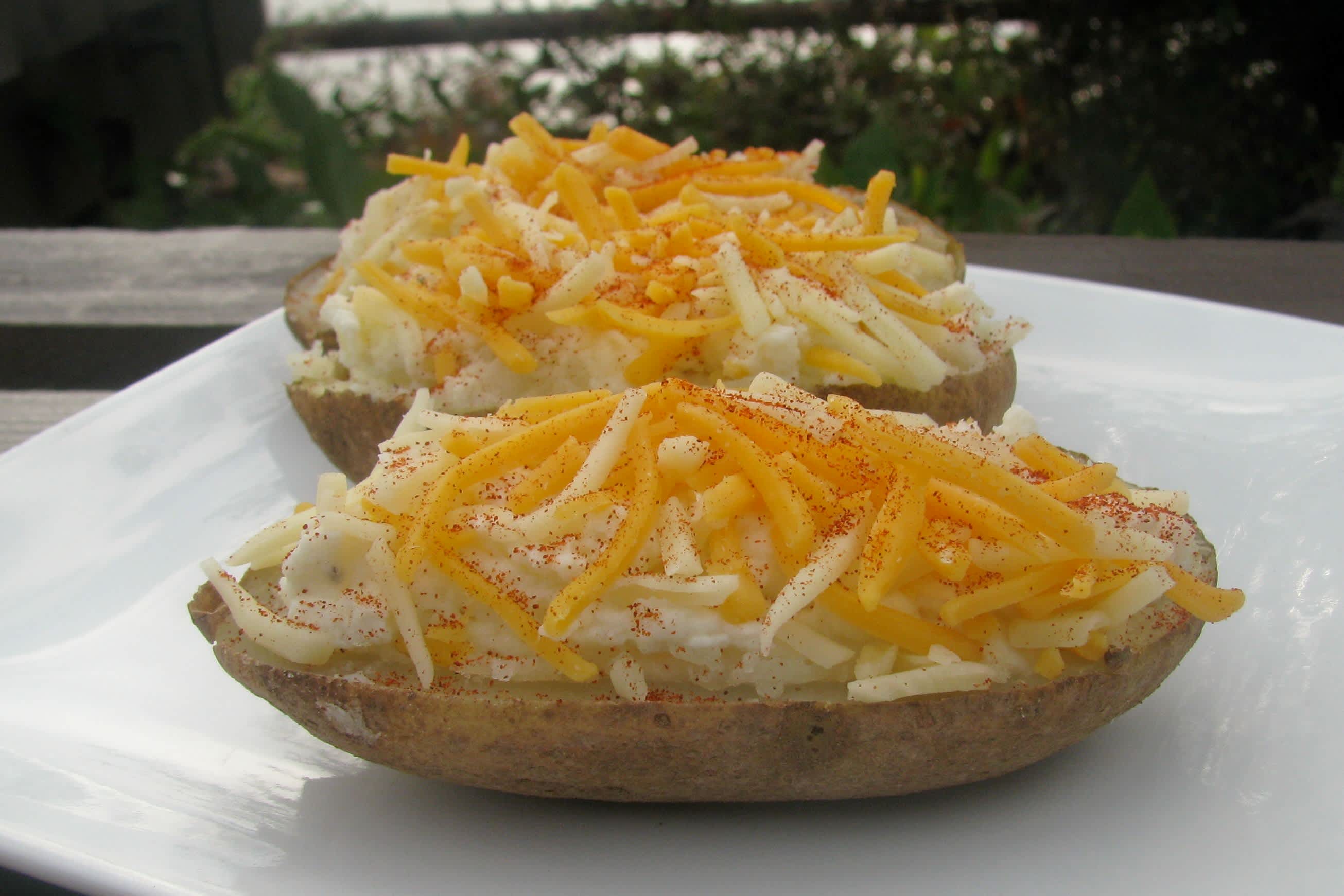
Credit: www.food.com

Credit: pipandebby.com
Frequently Asked Questions
Do Baked Potatoes Need Refrigeration After Cooking?
Yes, baked potatoes should be refrigerated within two hours after cooking. This prevents bacterial growth and keeps them fresh longer. Store in an airtight container or wrap in foil before refrigerating.
How Long Can Baked Potatoes Stay Unrefrigerated?
Baked potatoes should not stay unrefrigerated for more than two hours. Leaving them out longer risks foodborne illness due to bacteria. Prompt refrigeration is essential for safety.
Can You Freeze Baked Potatoes For Later Use?
Yes, you can freeze baked potatoes. Wrap them tightly in foil or plastic wrap, then place in a freezer bag. They last up to 3 months frozen and maintain good quality.
Is It Safe To Eat Room Temperature Baked Potatoes?
Eating baked potatoes left at room temperature over two hours is unsafe. Bacteria like Clostridium can grow, causing food poisoning. Always refrigerate leftovers promptly to avoid risks.
Conclusion
Baked potatoes taste best when stored the right way. Keep them at room temperature if eating soon. Refrigerate only if you want to save them longer. Chilling can change their texture and flavor. Always wrap leftovers well before storing. Reheat gently to keep them soft and tasty.
Simple steps help avoid waste and keep food safe. Now you know how to store baked potatoes properly. Enjoy your meals without worry or guesswork.