Have you ever stood in your kitchen, holding a carton of fresh eggs, and wondered, “Should these go in the fridge?” You’re not alone.
This simple question has puzzled many, leading to a swirl of confusion over what’s best for your eggs and ultimately, your health. You might have heard different advice from family, friends, or even seen contrasting practices around the world. But don’t worry, you’re about to uncover the truth.
We’ll dive into the science behind egg storage, bust common myths, and help you decide the best way to keep your eggs fresh and safe. Keep reading, because what you discover might just change the way you store your eggs forever.

Credit: www.youtube.com
Egg Freshness And Safety
Egg freshness plays a key role in how to store eggs safely. Fresh eggs have a natural protective coating that helps keep bacteria out. This coating can be lost if eggs are washed or handled roughly. Proper storage keeps eggs fresh longer and prevents health risks. Understanding how freshness affects storage helps keep eggs safe to eat.
How Freshness Affects Storage
Fresh eggs have a thin, natural layer called the bloom. This layer protects the inside from germs and moisture loss. If eggs are fresh and unwashed, they can stay safe at room temperature for several days.
Once eggs lose their bloom, they must be refrigerated to slow down bacteria growth. Refrigeration also keeps eggs fresh for weeks by reducing moisture loss and air exposure. Always store eggs with the pointed end down to keep the yolk centered and maintain quality.
Risks Of Improper Storage
Improper storage increases the risk of harmful bacteria like Salmonella. Leaving eggs out in warm places speeds up bacteria growth. This can cause food poisoning, with symptoms like stomach pain and fever.
Washing fresh eggs removes the protective layer, making refrigeration necessary. Storing eggs near strong-smelling foods can cause them to absorb odors. This lowers egg quality and taste.
- Risk of bacteria growth increases at room temperature after several days
- Washing eggs removes natural protection, requiring refrigeration
- Eggs can absorb odors if stored near pungent foods
Credit: nestera.co.uk
Egg Anatomy And Protection
Understanding the structure of an egg helps explain why refrigeration may or may not be necessary. Each egg has several layers that protect its contents from bacteria and spoilage. These layers work naturally to keep the egg fresh for a certain time. Knowing about these parts reveals how eggs stay safe to eat without always needing cold storage.
Natural Protective Coatings
Fresh eggs have a natural coating called the bloom or cuticle. This thin layer covers the shell and seals tiny pores. It stops bacteria and dust from entering the egg. The bloom also helps keep moisture inside, preventing the egg from drying out. Washing eggs removes this coating, making them more vulnerable to germs.
Impact On Shelf Life
The natural coating extends an egg’s shelf life at room temperature. Eggs with intact bloom can last weeks without spoiling. Once washed or refrigerated, the protective barrier weakens. Cold storage slows bacterial growth but can cause condensation, which may let bacteria in. Understanding this balance helps decide if fresh eggs need refrigeration or not.
Refrigeration Practices Worldwide
Egg refrigeration habits differ widely across the globe. These differences come from how eggs are processed and local food safety rules. Understanding these methods helps explain why some people keep eggs in the fridge and others do not.
Each region has its own way to store eggs safely and keep them fresh. These practices affect how long eggs last and their taste. Let’s explore how eggs are stored in various parts of the world.
Egg Storage In The Us
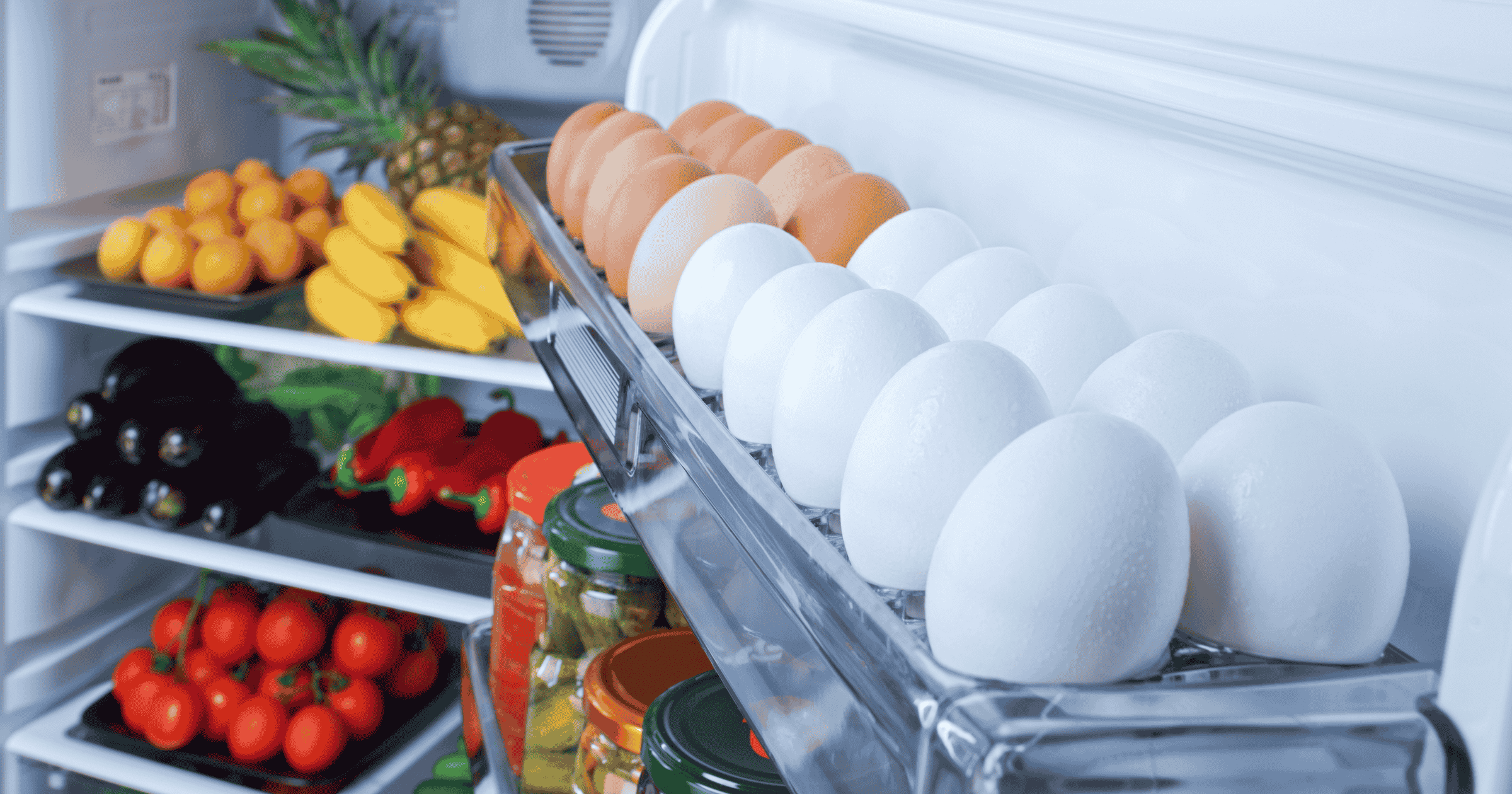
In the United States, eggs are washed and sanitized before sale. This process removes the natural protective coating on eggshells. Without this coating, eggs are more prone to bacteria. Refrigeration helps stop bacteria growth and keeps eggs fresh longer.
Because of this, US stores and homes always refrigerate eggs. The USDA recommends keeping eggs below 45°F (7°C). Eggs stored in the fridge can last about 3 to 5 weeks.
European Approaches
Many European countries do not wash eggs before sale. This keeps the natural protective layer intact. This layer helps block bacteria from entering the egg.
Due to this, Europeans often store eggs at room temperature. Eggs can stay fresh for several weeks without refrigeration. Still, some prefer to refrigerate eggs to extend shelf life or reduce risk.
Other Global Methods
In countries like Japan and Australia, eggs are washed but also refrigerated. Strict food safety laws require cold storage. This mix of washing and refrigeration ensures eggs stay safe and fresh.
In some rural areas worldwide, eggs are stored in cool, dry places without refrigeration. People rely on freshness and quick use instead of long storage.
Credit: hiedekgroup.com
Benefits Of Refrigerating Eggs
Refrigerating fresh eggs offers several clear benefits that can make a real difference in your kitchen. It’s not just about keeping eggs cold; it’s about maintaining their quality and safety over time. Understanding these benefits can help you decide how to store your eggs for the best results.
Extended Shelf Life
Refrigeration significantly slows down the aging process of eggs. When kept in the fridge, eggs can stay fresh for up to 3-5 weeks, compared to just about one to two weeks at room temperature.
This means fewer trips to the store and less waste. Have you ever cracked open an egg only to find it spoiled? Refrigeration helps avoid that unpleasant surprise.
Reduced Bacterial Growth
Cold temperatures inhibit the growth of harmful bacteria like Salmonella, which can sometimes be present on eggshells. Keeping eggs in the fridge lowers the risk of foodborne illnesses.
Think about the last time you left eggs out overnight. Could that have increased bacterial chances? Refrigerating eggs adds a layer of safety you can count on.
When Refrigeration Might Not Be Necessary
Fresh eggs do not always require refrigeration. This depends on how they are handled and stored after being laid. In some cases, eggs can stay fresh and safe without a cold environment. Understanding these situations helps avoid unnecessary refrigeration and keeps eggs fresh longer.
Freshness Duration At Room Temperature
Fresh eggs can last about one to three weeks at room temperature. This applies to eggs that have not been washed. The natural coating, called the bloom, protects eggs from bacteria and moisture loss. Without washing, this layer remains intact, helping eggs stay fresh longer. Temperatures below 70°F (21°C) are ideal. Warmer rooms shorten egg freshness.
Safe Handling Tips
- Keep eggs in a cool, dry place away from direct sunlight.
- Do not wash eggs until just before use to keep the protective bloom.
- Store eggs with the pointed end down to keep the yolk centered.
- Use eggs within two weeks if stored at room temperature.
- Discard any eggs with cracks or unusual smells.
How To Store Eggs Properly
Proper egg storage keeps eggs fresh and safe for eating longer. Eggs can absorb odors and moisture easily. Storing them well helps maintain their quality and taste. Knowing the best way to store eggs prevents waste and foodborne illness.
Ideal Refrigeration Conditions
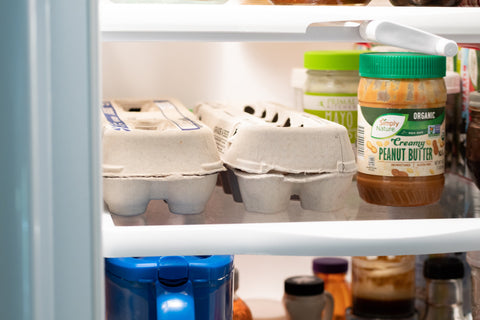
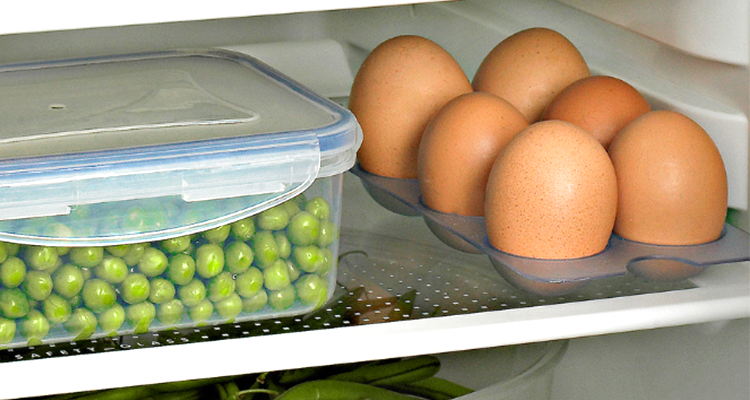
Keep eggs in their original carton. The carton protects eggs from absorbing strong smells. Store eggs on a middle or lower shelf. Avoid the refrigerator door to prevent temperature changes. Set the fridge temperature between 33°F and 40°F (1°C to 4°C). Store eggs with the pointed end down. This keeps the yolk centered and fresh.
Alternatives To Refrigeration
In some countries, eggs are not refrigerated. Fresh eggs with the natural protective coating last longer at room temperature. Keep them in a cool, dry place away from sunlight. Use a covered container to protect eggs from dust and pests. Store eggs at temperatures below 70°F (21°C). Consume eggs within a week if not refrigerated. Washing eggs removes their natural coating, so refrigerate washed eggs immediately.
Signs Of Spoiled Eggs
Knowing the signs of spoiled eggs can save you from unpleasant surprises and potential health risks. Eggs might look fine on the outside but could be spoiled inside. Paying attention to subtle clues helps you decide whether to keep or toss them.
Visual Indicators
Check the eggshell first. A fresh egg usually has a clean, smooth shell without cracks or slimy spots. If you see powdery residue or unusual discoloration, it might be mold or bacterial growth.
Once cracked open, look at the egg white and yolk. A fresh egg has a thick, slightly cloudy white and a firm, round yolk. If the white is watery or the yolk is flat and breaks easily, the egg could be going bad.
Smell And Texture Changes
Smell is one of the quickest ways to detect spoilage. A bad egg has a strong, sulfur-like odor that is hard to miss. If your egg smells off even before cooking, don’t risk it.
The texture inside the egg also matters. Slimy or unusually sticky whites mean bacteria might be growing. Have you ever cracked an egg and felt something odd? That’s your cue to throw it out immediately.
Frequently Asked Questions
Do Fresh Eggs Need Refrigeration Immediately?
Fresh eggs do not always need immediate refrigeration. In some countries, eggs are stored at room temperature due to intact protective coatings. However, refrigeration is recommended in the US to prevent bacteria growth and extend shelf life.
How Long Can Fresh Eggs Stay Unrefrigerated?
Fresh eggs can stay unrefrigerated for about 1-3 weeks if unwashed and kept in a cool, dry place. Washed eggs lose their natural coating, requiring refrigeration to maintain safety and freshness.
Does Washing Eggs Affect Refrigeration Needs?
Yes, washing eggs removes the natural protective layer, making them more prone to bacteria. Washed eggs must be refrigerated promptly to ensure safety and prevent spoilage.
What Is The Best Way To Store Fresh Eggs?
Store fresh eggs in the refrigerator in their carton to protect them from odors and moisture. Keep them at a consistent temperature below 40°F (4°C) for optimal freshness.
Conclusion
Fresh eggs can last longer without refrigeration in some places. Keep eggs clean and dry to protect their natural coating. Store them in a cool, dry spot if you don’t refrigerate. Remember, refrigerating slows bacteria growth and keeps eggs fresh longer.
Check eggs for cracks or bad smells before use. Choose what suits your climate and habits best. Safe handling matters most to enjoy eggs without worry.